Elena Vance
Editor-in-Chief & Logistics Expert
View all authors

Bargaining in Chinese Markets: How to Negotiate Without Being Rude

· 21 min read
Elena Vance
Editor-in-Chief & Logistics Expert

Shopping in a Chinese market can feel exciting, chaotic, and slightly intimidating at the same time. A seller may quote a price quickly, other shoppers may already be moving in, and if you hesitate too long you can feel pressure to accept whatever number lands in front of you. The good news is that bargaining does not have to be awkward. In China, polite negotiation is often expected in the right settings, and when you handle it calmly you can usually get a fairer price without offending anyone.
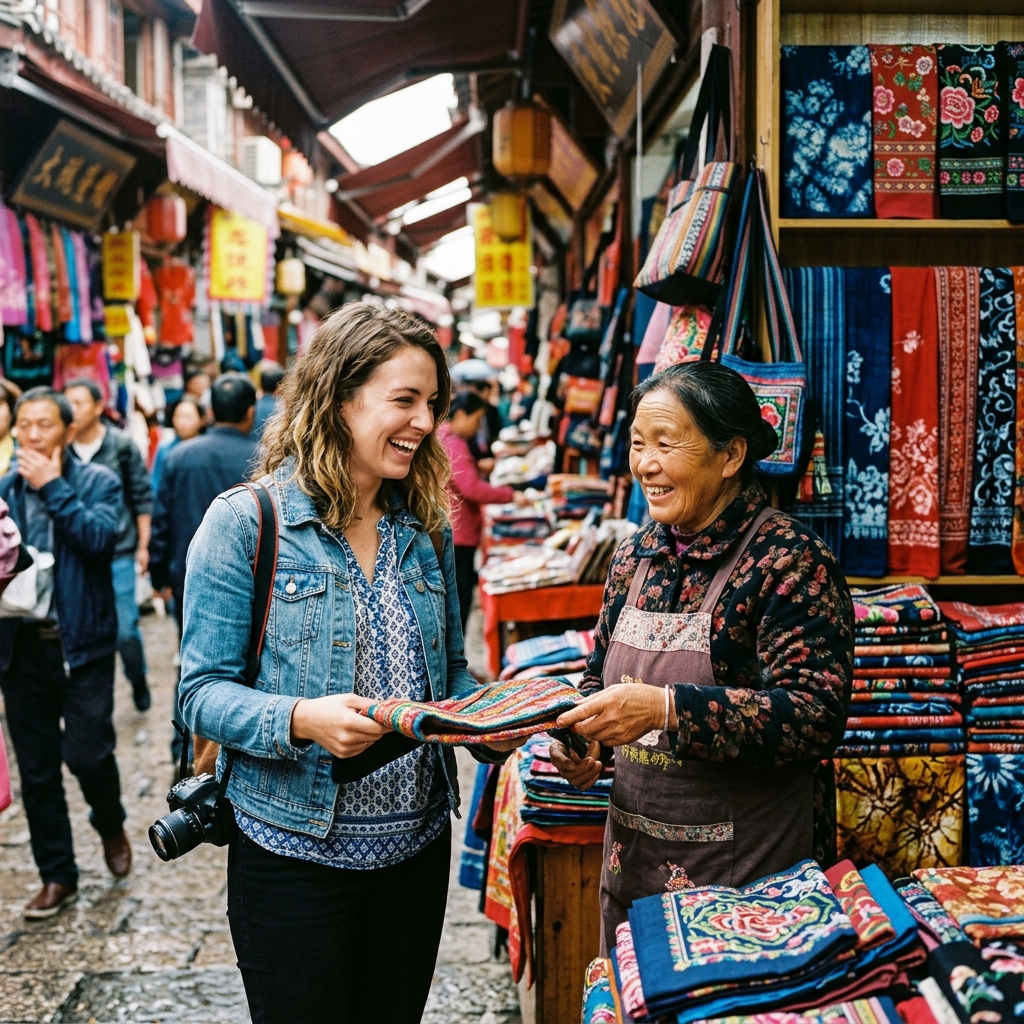
A traveler bargaining politely at a bustling Chinese street market

Gift Giving in China: Colors, Numbers & Taboos to Know

· 19 min read
Elena Vance
Editor-in-Chief & Logistics Expert

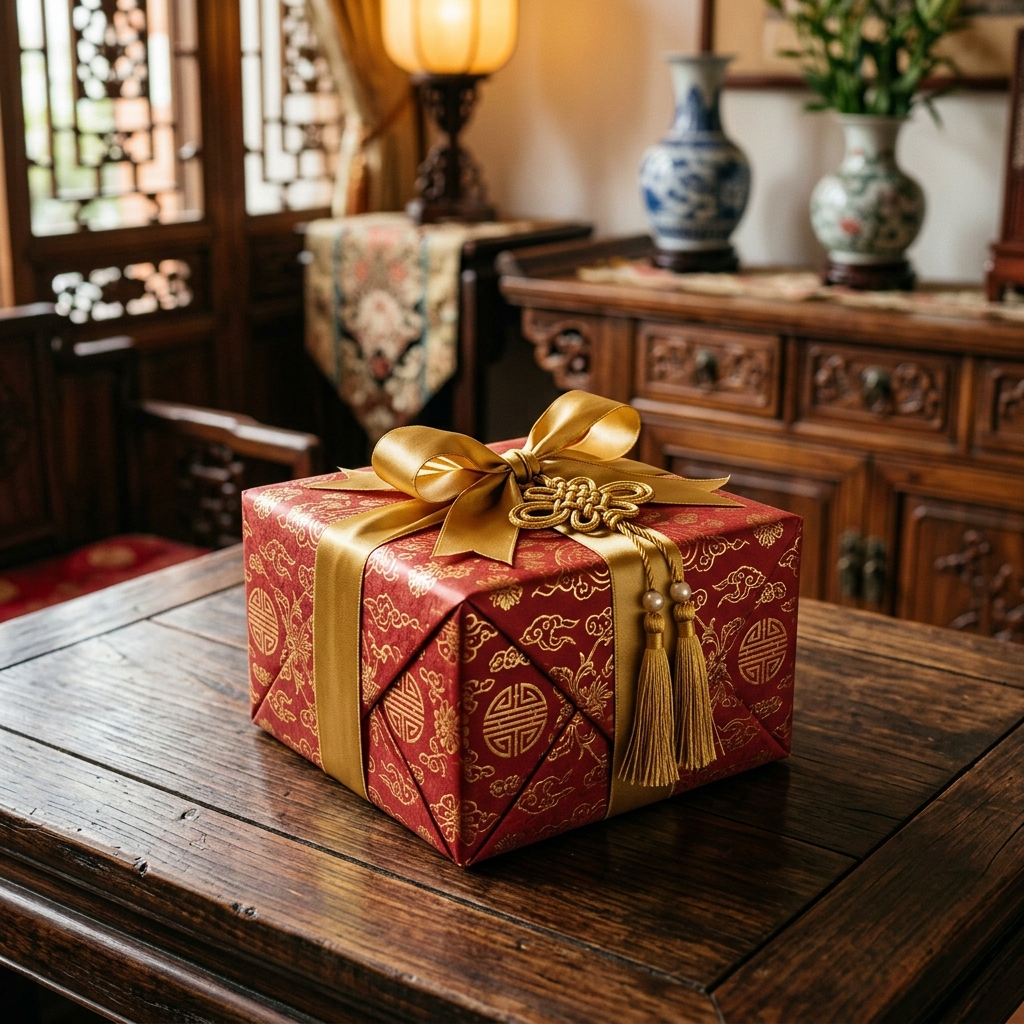
If you are traveling in China, one small gift can do a lot of social work. It can turn a first meeting into a warm relationship, show gratitude to a host, or signal that you understand local etiquette. The problem is that the wrong color, number, or object can create exactly the opposite impression. This guide explains the practical side of gift giving in China so you can choose something appropriate, avoid common taboos, and present it with confidence.

A beautifully wrapped Chinese gift in red and gold

Medical Tourism in Korea: Clinics, Costs & What Foreigners Need to Know

· 14 min read
Elena Vance
Editor-in-Chief & Logistics Expert

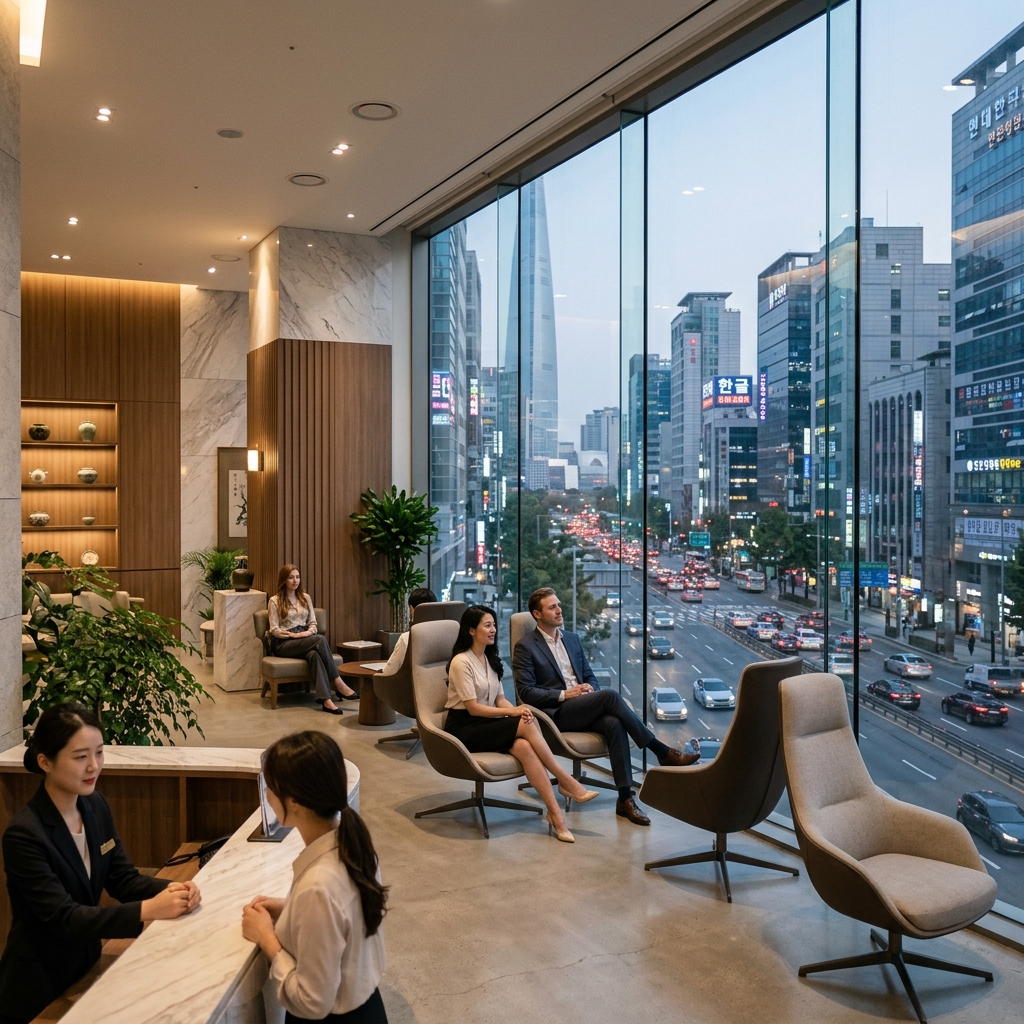
Planning medical tourism in Korea is easier when you understand that the consultation is the real starting point. The hard part is usually not the treatment itself, but choosing a clinic, comparing quotes, and leaving enough time for recovery and follow-up.

Descriptive alt text

Sponsored booking
한국 태그 글에만 노출됨. 스크롤 흐름을 안 깨고도 클릭을 받을 수 있음.

Japanese Temples vs Shrines: How to Tell Them Apart and What to Do

· 21 min read
Elena Vance
Editor-in-Chief & Logistics Expert

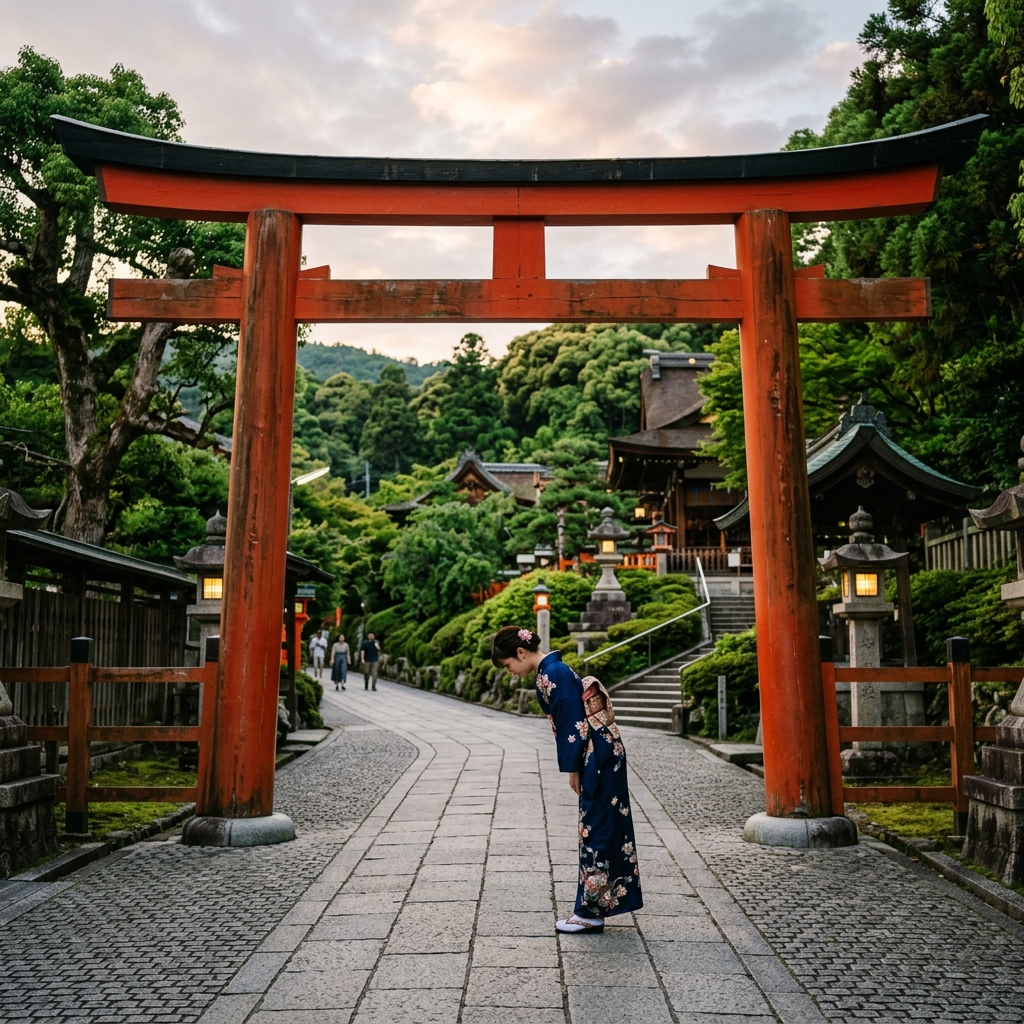
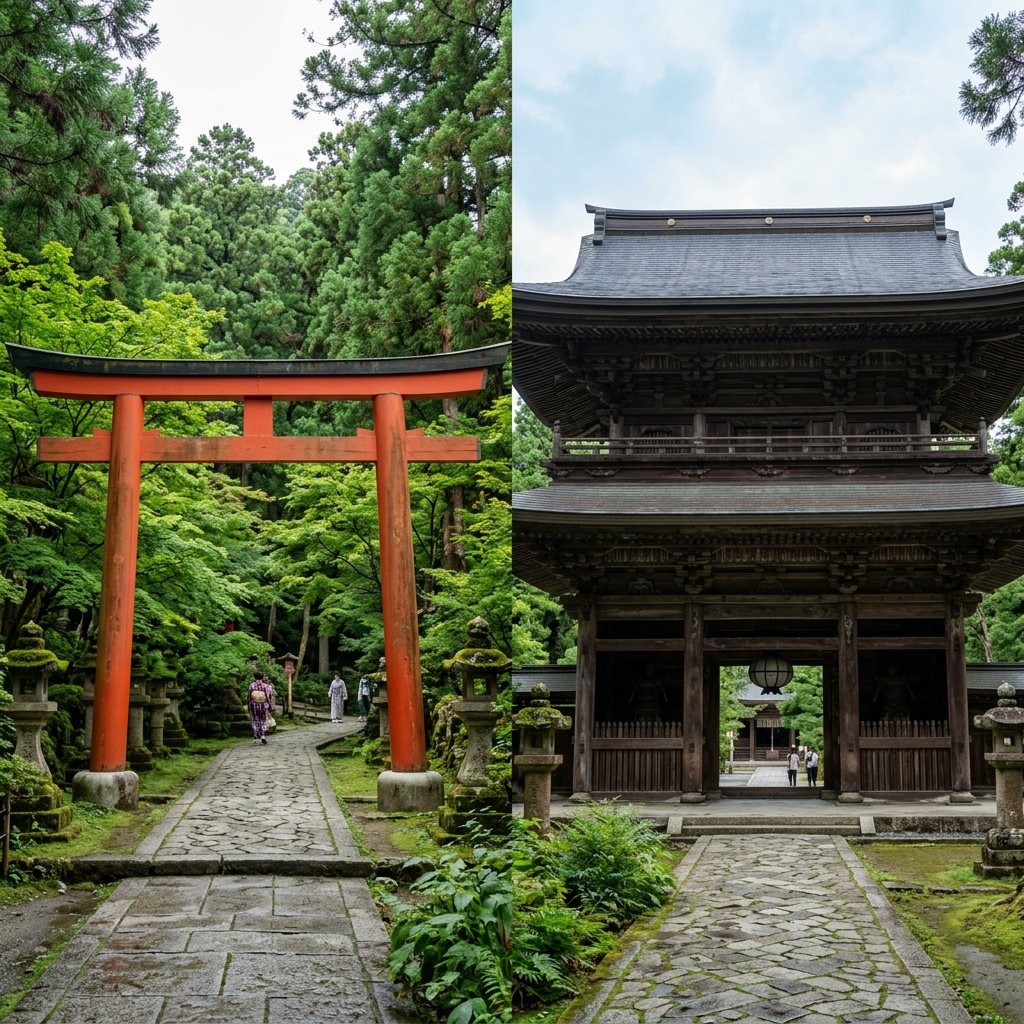
The easiest way to look like a respectful traveler in Japan is also the easiest way to avoid an awkward mistake: know whether you are standing in a Buddhist temple or a Shinto shrine before you step through the gate. The two often sit near each other, they both feel sacred, and both can be beautiful, but the rules are not identical. If you can tell them apart, you will know when to bow, where to wash your hands, when to stay quiet, and why clapping at the wrong entrance is a bad idea.

A comparison of a Shinto Torii gate and a Buddhist Temple gate in Japan

Korean Traditional Medicine (Hanbang) for Tourists: Acupuncture & Herbal Therapy

· 22 min read
Elena Vance
Editor-in-Chief & Logistics Expert

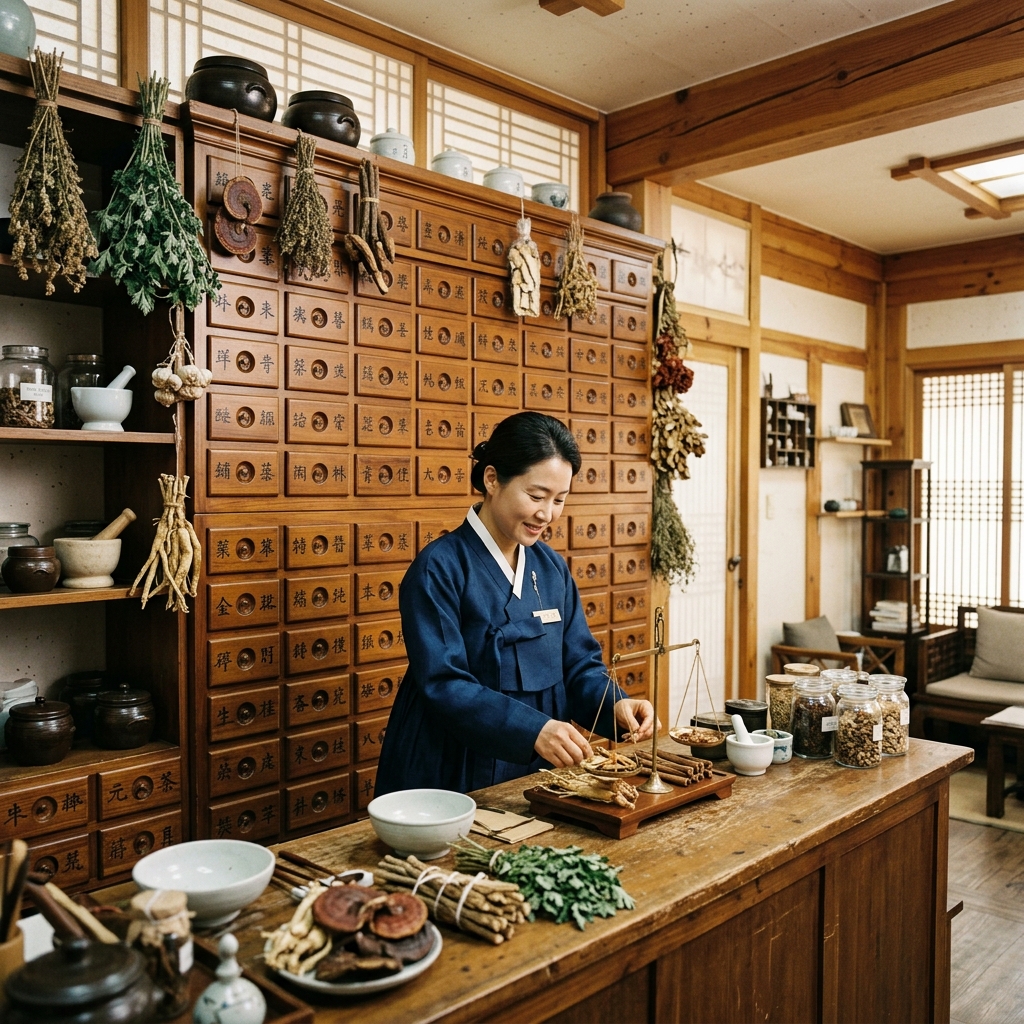
If you spend enough time in Korea, sooner or later your body starts asking for a slower kind of travel. Maybe it is the stiff shoulders from a long-haul flight, the jet lag that refuses to disappear, or the simple curiosity of wanting to try something that feels deeply Korean rather than internationally standardized. That is where hanbang comes in. Korean traditional medicine is not a theme-park version of wellness; it is a real medical system with clinics, diagnoses, prescriptions, and treatment styles that many travelers never think to explore. For the right visitor, it can be one of the most memorable and practical parts of a trip.

A traditional Korean herbal medicine clinic with an apothecary cabinet

Sponsored booking
한국 태그 글에만 노출됨. 스크롤 흐름을 안 깨고도 클릭을 받을 수 있음.

Shoes Off Culture in Japan: When, Where and the Unwritten Rules

· 19 min read
Elena Vance
Editor-in-Chief & Logistics Expert

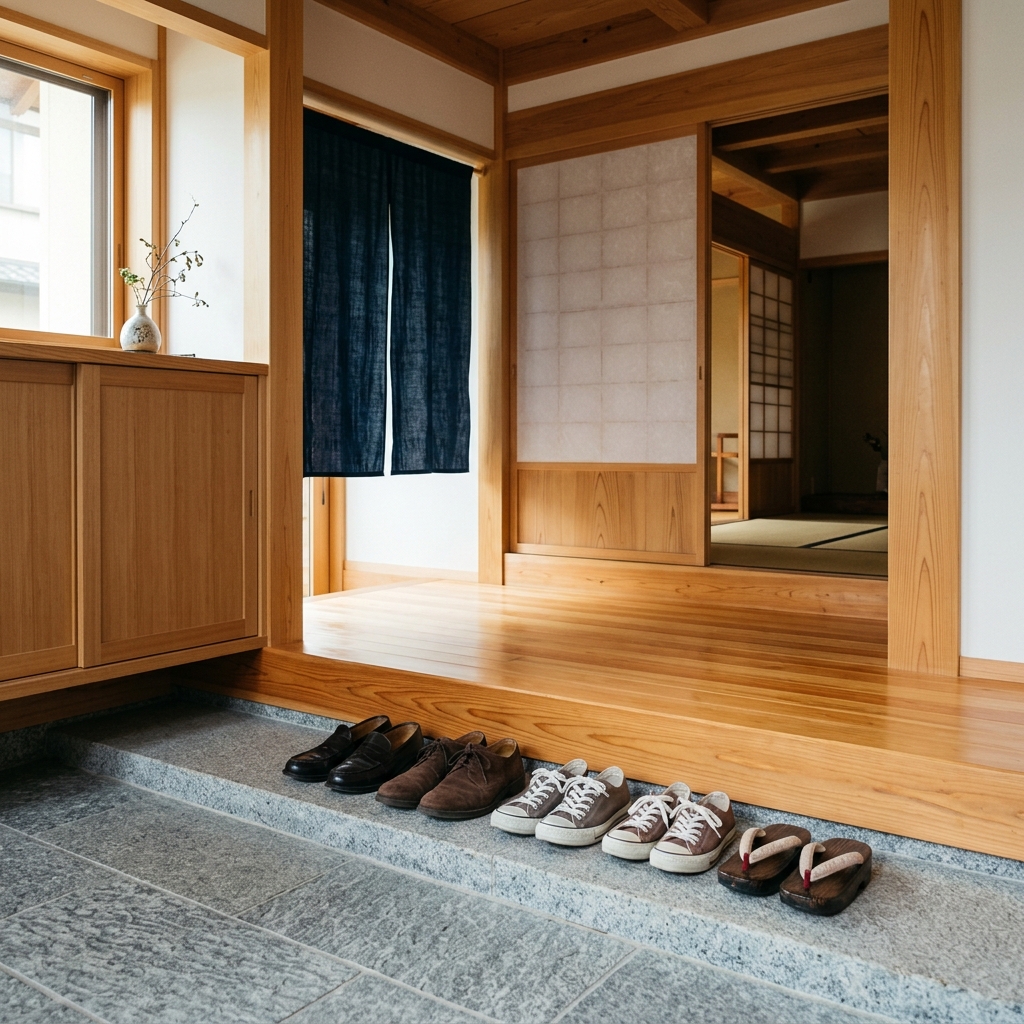
Japan's shoe-off culture is one of those travel rules that sounds simple until you are standing in a genkan with your backpack on, a line of people behind you, and no idea whether to leave your shoes at the door, switch to slippers, or walk straight in. The good news is that the logic behind the rule is consistent. Once you understand why the custom exists, the rest becomes easy to recognize.

A traditional Japanese genkan entrance with shoes neatly lined up

Sound Healing and Meditation Centers in Korea Open to Foreigners

· 19 min read
Elena Vance
Editor-in-Chief & Logistics Expert

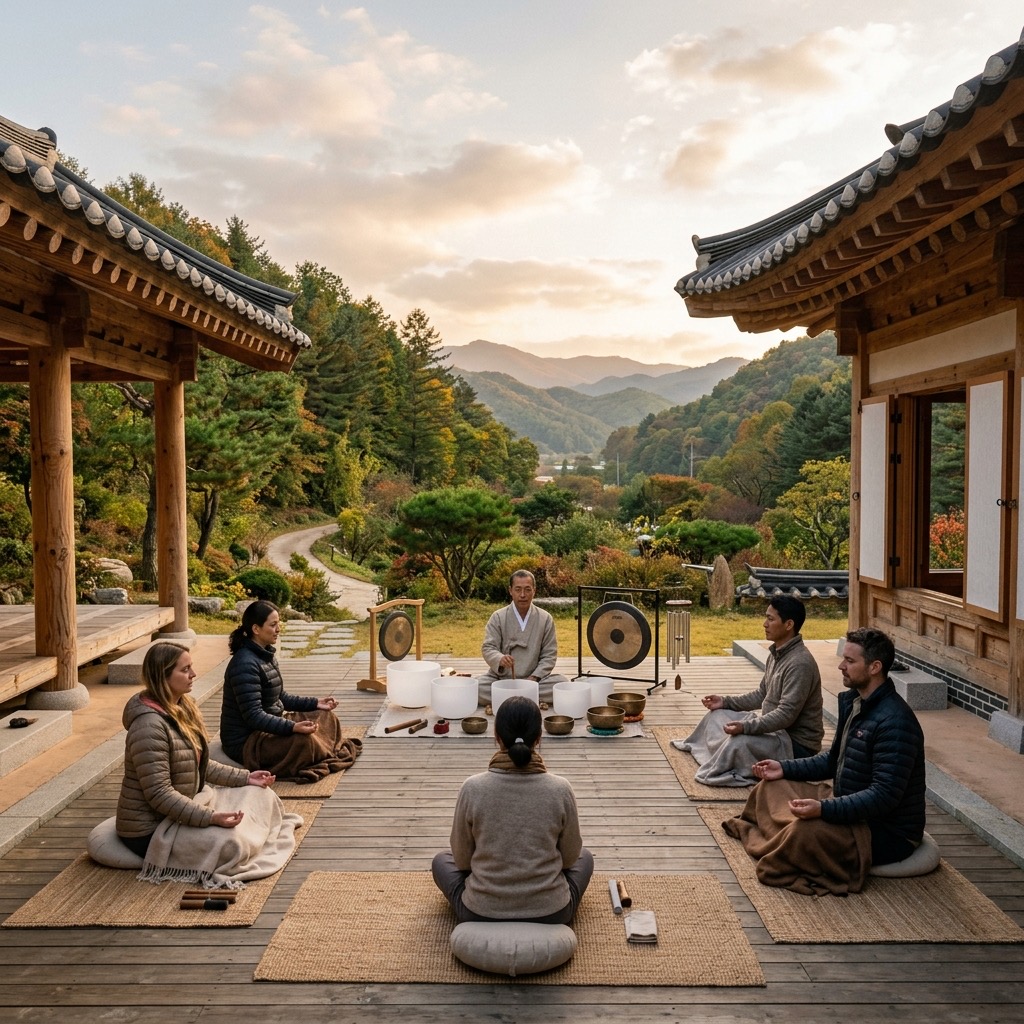
The most useful thing to know about sound healing and meditation in Korea is that you do not need to find a perfect, deeply spiritual retreat to have a good experience. Most foreign visitors do better by choosing a simple, bookable session with clear English information, a fixed price, and a place that already expects first-timers. In Korea, that often means an urban sound bath studio, a temple mindfulness program, or a temple stay that welcomes non-Korean guests and explains the schedule in advance.

Sound healing and meditation session in Korea with bowls, cushions, and a calm indoor setting

Sponsored booking
한국 태그 글에만 노출됨. 스크롤 흐름을 안 깨고도 클릭을 받을 수 있음.

Tea Culture in China: Best Teahouses in Beijing, Hangzhou & Chengdu

· 23 min read
Elena Vance
Editor-in-Chief & Logistics Expert

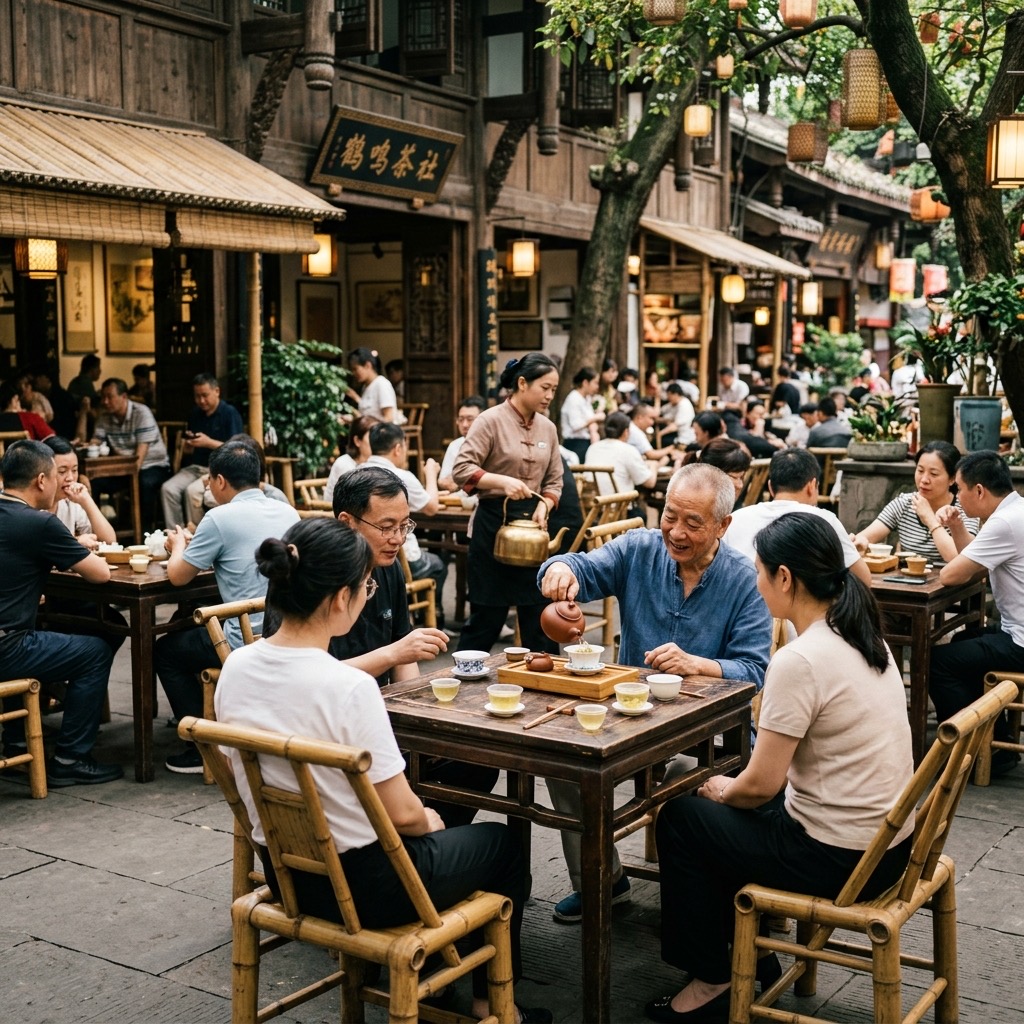
China's tea culture is not one thing. It is a collection of rituals that happen to share the same leaf. In Beijing, tea often arrives wrapped in performance, politics, and old-city nostalgia. In Hangzhou, tea is tied to landscape, scholarship, and the idea that a perfect cup should feel inseparable from the place where it was grown. In Chengdu, tea is slower, looser, and more social, a daily habit that holds together entire neighborhoods of people who are in no hurry to leave. If you only visit one city, you will get one version of the story. If you visit all three, the differences tell you almost everything you need to know about Chinese travel culture.

Tea culture in China with a traditional teahouse setting, wooden tables, porcelain cups, and soft natural light