China Shanghai Short Trip Booking Guide for First Time Visitors

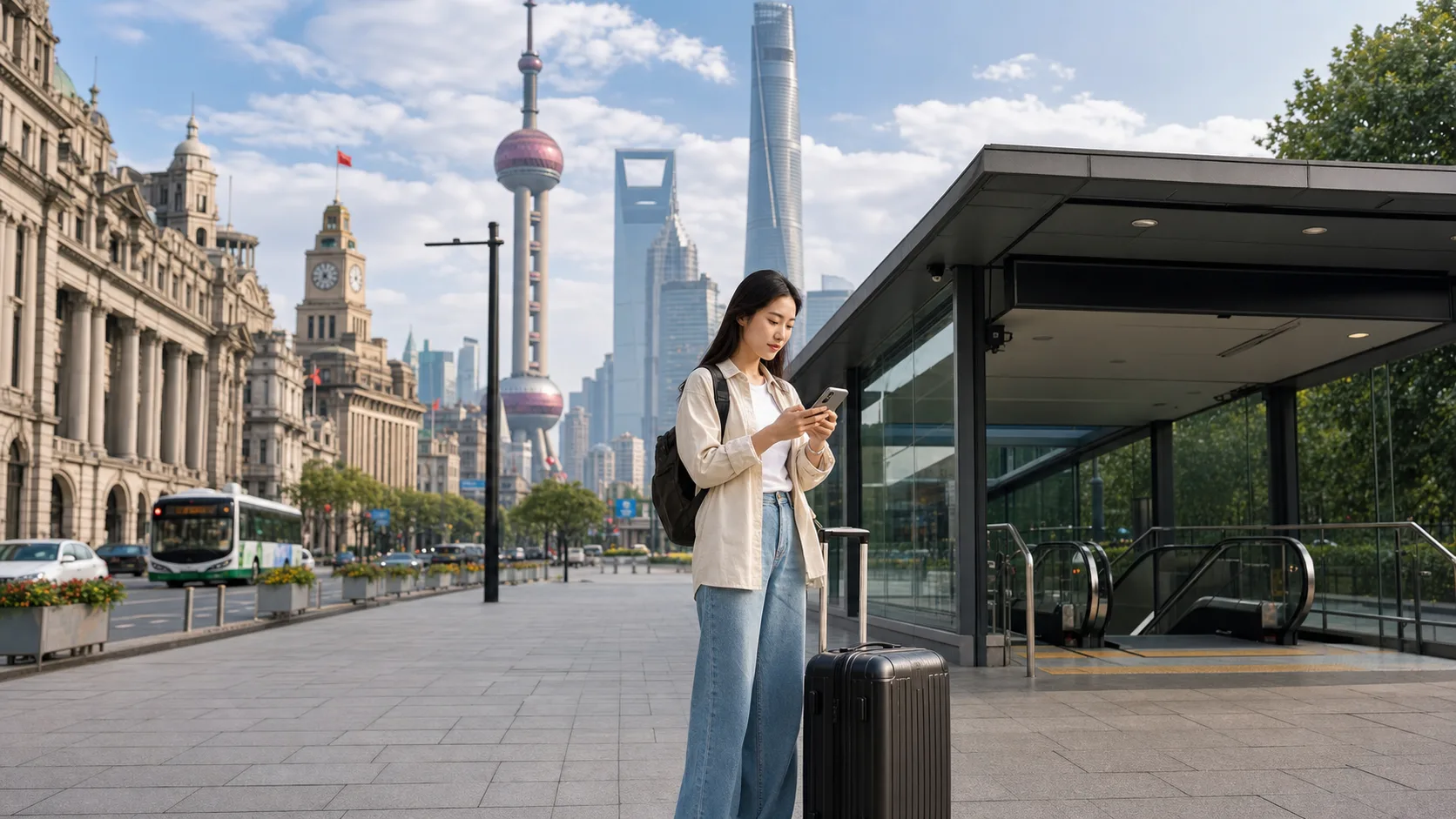
The easiest Shanghai trip to book is not the one with the most attractions. It is the one with the fewest moving parts: one arrival airport, one hotel in a transit-friendly district, a realistic daily plan, and enough flexibility to absorb visa checks, weather changes, and jet lag. If you are coming from Singapore or another nearby Asian hub, Shanghai works especially well as a short city break because the flight time is manageable and the city rewards efficient planning.
Fast Answer
The easiest first-time Shanghai booking is a 3 to 4 day trip centered on one hotel near a Metro Line 2 or 10 station, an airport-arrival plan that avoids rush hour, and one major day trip only if you already know the city. Book flexible fares first, visa second, and attraction tickets last. That order matters because entry rules, flight schedules, and hotel locations affect almost every other decision.
For a short visit, do not try to cover every landmark. Build the trip around a simple core: the Bund and riverfront, one skyline district, one old-city or cultural stop, and one food or shopping neighborhood. If this is your first China trip, keep your hotel near a major interchange so airport transfers and late-night returns are painless. In practice, that usually means Jing'an, Huangpu, the French Concession edge, or the Pudong side if your hotel budget is tighter.
Shanghai is also a city where booking decisions are tied to logistics. The same itinerary feels easy or exhausting depending on whether you arrive through Pudong or Hongqiao, whether your hotel is a 3-minute walk from the metro or a 20-minute taxi ride through traffic, and whether you have a payment setup that works when you land. Spend the extra 20 minutes on planning and the city becomes much easier.
Context You Need
Shanghai is not a single sightseeing district; it is a very large, very connected city built for movement. That is the first thing first-time visitors need to understand. A short trip in Shanghai is not about maximum distance covered. It is about reducing friction so your time goes into the city itself instead of transport, queues, and payment problems.
Historically, Shanghai developed as a port, then as a treaty-port commercial center, then as a modern finance and trade city. That layered history explains why the city feels split between old lanes, colonial-era waterfronts, glass towers, and neighborhood street life. A visitor who tries to “see Shanghai” in one sweep often ends up with a fragmented trip. A visitor who chooses a few clusters, by contrast, gets a much clearer experience.
For first-time visitors, the best mental model is simple:
- one airport or rail arrival
- one hotel base
- one main sightseeing axis per day
- one flexible backup plan for rain, heat, or crowds
If you are coming from Singapore, the planning style should be similar to booking a short Tokyo or Seoul break, but with more attention to payment setup and arrival paperwork. China travel can be very smooth, but the smoothness depends on preparation. That means checking your passport validity, understanding whether your route needs a visa or a transit exemption, and making sure your hotel address is easy to show to a driver or taxi app.
You should also think about Shanghai as a city that changes character by district. The Bund, Nanjing Road, and People’s Square give you the classic center-city experience. Jing'an mixes convenience with better hotel choices. The French Concession is better for slower walking and cafes. Pudong gives you skyline access and often newer hotels. Hongqiao is practical if you are combining Shanghai with domestic China travel by train or short-hop flight. There is no single “best” base; there is only the base that fits your transport pattern.
For a short trip, the booking mistake is usually not paying too much. It is booking the wrong combination of airport, hotel area, and daily pace. Once you understand that, the rest of the trip becomes much easier to design.
Step-by-Step Guide
1. Decide the purpose of the trip before you search
Start by deciding what kind of Shanghai short trip you want. That sounds obvious, but it controls your budget, neighborhood choice, and how many attractions you should pre-book.
Use this quick filter:
| Trip type | Best trip length | Good base | Booking priority |
|---|---|---|---|
| First-time city sampler | 3 days | Jing'an or Huangpu | Hotel near metro |
| Food and strolling trip | 3 to 4 days | French Concession edge | Walkable neighborhood |
| Business + sightseeing | 2 to 3 days | Jing'an or Pudong | Fast airport transfer |
| Shanghai + nearby city add-on | 4 to 5 days | Hongqiao or Jing'an | Rail convenience |
If you only have a long weekend, resist the urge to add Suzhou, Hangzhou, or a second Shanghai hotel. A short trip is best when it has a clear center of gravity. The city is big enough that a poorly chosen side trip can consume half a day.
2. Check your entry route before buying nonrefundable tickets
For a China trip, the booking order matters more than many first-timers expect. Before you buy a bargain fare, confirm whether you are entering on a standard visa or a transit-style exemption and whether your itinerary actually fits the rule set. Transit policies change more often than hotel rates, and the valid route may depend on where you arrive, where you depart, and how long you stay.
If you are eligible for a visa-free transit arrangement, treat the route as a constraint, not a convenience. Build the itinerary around the permitted stay window and allowed departure pattern. Do not assume that a domestic-style round trip inside China will satisfy transit requirements. If there is any ambiguity, verify with your airline and the relevant immigration channel before payment.
For Singapore-based travelers, the practical lesson is this: book flexibility first. Even if you think your route will qualify, keep one or two booking elements refundable until the paperwork is settled. That usually means a hotel with free cancellation and a fare that allows changes or rerouting.
3. Choose the arrival airport based on your hotel and first day
Shanghai usually means either Pudong International Airport or Hongqiao Airport.
- Pudong is the common long-haul international gateway.
- Hongqiao is often more convenient for domestic connections and high-speed rail.
If your hotel is in the city center and you land at Pudong, the transfer can still be easy, but the quality of the transfer matters. The fastest airport rail option is usually the Maglev to Longyang Road, followed by the metro or a taxi. If you land late, are carrying bulky luggage, or are arriving after a long overnight flight, a direct car transfer may be less mentally expensive than changing lines.
If you want to minimize friction, ask three questions:
- Which airport gets me closest to the hotel area I actually booked?
- Will I arrive during rush hour?
- Do I want a fast transfer or a simpler transfer?
The best answer is not always the fastest. For many first-time visitors, a straightforward taxi to the hotel after a long flight is worth the extra cost because it reduces the chance of confusion on the first day.
4. Book a hotel by metro access, not by postcard views
In Shanghai, hotel quality matters less than hotel placement for a short trip. A well-located midrange hotel can save you more time and stress than a nicer hotel in a poor transport position.
Prioritize these features:
- within a short walk of a major metro station
- easy late-night taxi pickup
- clear hotel address in English and Chinese
- 24-hour reception
- breakfast only if it meaningfully improves your morning routine
Good first-time areas include:
- Jing'an: balanced, central, convenient for many first visits
- Huangpu: best for classic central sightseeing access
- French Concession edge: good for cafes, walking, and atmosphere
- Pudong near a major line: useful for skyline and newer hotels
- Hongqiao: best if you will use rail or domestic air
Avoid choosing a hotel because the map looks central when zoomed out. Shanghai is a city where a few blocks can mean a very different transport experience. A hotel 700 meters from a station with a clear sidewalk route is often better than a hotel that appears closer but sits behind a complicated road layout.
5. Build the itinerary in zones
The cleanest short-trip Shanghai plan is zone-based. Group sights that are near each other so you are not crisscrossing the city.
Example 3-day structure:
| Day | Main zone | What to do |
|---|---|---|
| 1 | Central riverfront and classic city core | Arrive, check in, Bund at sunset, easy dinner |
| 2 | Old city and modern skyline | Yuyuan area or equivalent, Pudong skyline view, evening walk |
| 3 | French Concession or neighborhood day | Slow breakfast, cafes, park time, shopping, departure prep |
If you have 4 days, add a buffer day for either a museum, a more relaxed food day, or a nearby city outing. Do not add too much structure. One of the biggest mistakes first-time visitors make is treating Shanghai like a checklist city. It works better as a series of neighborhoods.
6. Pre-book only the bottleneck items
For a short Shanghai trip, you do not need to pre-book everything. You should pre-book the things that are likely to sell out, save time, or become difficult when you are jet-lagged.
Pre-book these first:
- international or intercity flights
- hotel
- airport transfer if arriving late
- major timed attractions or observatory slots
- train tickets if you are adding a day trip or continuing onward
Leave these flexible until later:
- casual restaurants
- most neighborhood walks
- shopping
- backup indoor activities for rainy days
That said, if your trip includes a very specific observation deck, museum slot, cruise, or holiday-period dinner reservation, book it earlier than you think. Shanghai can feel open and spontaneous, but the best time slots still go first during weekends and peak travel periods.
7. Prepare payments before you land
Shanghai is easier to enjoy when your payment setup is ready. Do not assume that your card will work everywhere in the same way it does at home. Have a plan for both card payments and a backup method for places that prefer QR-based or local-style payment flows.
Before departure, prepare:
- at least one physical card
- mobile payment setup if available to you
- a small amount of cash as backup
- offline screenshots of your hotel name, address, and arrival instructions
Also make sure your phone can handle the trip. That means roaming, eSIM, pocket Wi-Fi, or a local SIM solution that gives you maps, rides, and translation. A Shanghai short trip is dramatically easier when your phone works from the airport curb to the hotel lobby.
8. Keep the first day light
Your first Shanghai day should be about orientation, not optimization. Land, clear arrival logistics, check in, eat, and take a first walk. That is enough.
If you force a packed arrival day, you risk three problems:
- you waste time dragging bags across the city
- you lose the chance to rest before dinner
- you turn every minor delay into a trip-wide annoyance
A better first day looks like this:
- Arrive and clear immigration or transfers.
- Move to the hotel by the simplest route available.
- Rest briefly or shower.
- Walk one nearby district.
- Keep dinner close to the hotel.
This rhythm is especially valuable for Singapore-based travelers arriving on a short flight. Even if the transit time is modest, the combination of airport procedures, local transport, and city density can make the first few hours feel busier than the schedule suggests.
Costs, Hours, and Logistics
Shanghai is not a cheap city, but it is a controllable one. On a short trip, your costs are usually driven by three things: flight timing, hotel location, and how much private transfer convenience you buy for yourself.
Typical cost buckets
Use these as planning ranges rather than fixed prices:
- flight: often the biggest variable, especially around holidays
- hotel: midrange city hotels can be reasonable if you book early
- airport transfer: metro or Maglev for savings, taxi or car service for convenience
- meals: highly flexible depending on whether you choose local eateries or upscale venues
- attractions: many city experiences are low-cost, but premium views and timed entries add up
If you are booking from Singapore, it often makes sense to think in two budget layers:
- base trip cost: flight, hotel, airport transfer, core meals
- comfort upgrades: better hotel, direct transfer, observatory tickets, nicer dinner
That separation helps you decide what actually matters. Many first-time visitors spend too much on a fancy hotel and then under-budget the airport transfer, local transport, and payment setup. For a short trip, convenience often beats room size.
Opening hours and timing
Most major Shanghai attractions, malls, and transport systems operate on predictable daily schedules, but you should not assume that every venue keeps the same hours every day. Public holidays, special exhibitions, and seasonal changes can alter opening windows. That matters more in a short trip because one closure can remove an entire afternoon’s plan.
Practical timing rules:
- avoid airport and cross-city transfers during peak commute windows if possible
- book sunset or evening skyline slots early if you want the classic view
- leave extra time for security checks at observation points and museums
- plan meals before or after popular time slots rather than in the middle of them
The metro is usually the easiest way to move around once you are settled in. Taxis are useful when you are tired, carrying luggage, or traveling late. On a short trip, the best strategy is often mixed-mode transport: airport by the simplest method, daytime by metro, and evening by taxi when it saves time or energy.
2026 booking caveats
The main 2026 caveat is still the same: do not confuse internet advice with the exact rules for your passport and itinerary. Entry windows, transit eligibility, and permitted route shapes can change. If your trip depends on a policy exemption, verify it before you pay.
Other practical caveats:
- holiday periods can change hotel rates quickly
- exhibition slots and tower tickets can sell faster than casual city attractions
- weather can make skyline views poor even if the ticket is valid
- late-night arrival is more expensive in both money and energy
If you are trying to keep the trip efficient, choose a hotel that sits on a clean transport line rather than chasing the lowest nightly rate. A slightly higher room rate can be cheaper overall if it removes one taxi ride per day and saves you from mistakes on arrival.
Getting around once you are there
Shanghai’s transport network is one of the city’s biggest advantages for first-time visitors. If your hotel is well chosen, the city becomes very manageable. The metro is useful for most daylight movement, while taxis fill the gaps. For airport transfers, the decision is usually between speed, simplicity, and budget.
Simple rule:
- metro if the route is straightforward and you are not overloaded
- taxi if you are arriving late, tired, or carrying several bags
- Maglev if you want the novelty and the direct PVG-to-city experience
The best logistics plan is the one you will actually follow after a long travel day. If your arrival is complicated, pay for convenience. If your hotel is near a station and you are comfortable with city transit, save money and move like a local.
Variations and Edge Cases
Not every Shanghai short trip should be planned the same way. The best booking strategy changes depending on season, traveler type, and how much you want the city to do for you.
If you are visiting in summer
Summer in Shanghai can be hot, humid, and tiring. That affects how you should book the day.
Do this:
- book a hotel with strong air conditioning and reliable internet
- put indoor attractions in the middle of the day
- plan more evening walking than midday walking
- leave slack in your schedule for weather fatigue
Summer also makes transport decisions more important. A short taxi ride that saves you from walking several exposed blocks may be worth it even if the distance looks small on the map.
If you are visiting in winter
Winter is usually more comfortable for walking than summer, but the city can still feel damp and windy. That means you should avoid overpacking open-air sightseeing into one day.
Do this:
- bring layers
- choose cafes, museums, or indoor retail areas as backup stops
- keep a flexible dinner plan in case you want to stay inside longer
Winter is a good time for a compact short trip because the city is less physically draining, which helps if you want to squeeze in a lot without feeling rushed.
If you are traveling with family
Family travel changes the value of every booking choice. The hotel should matter more than in a solo trip. You want ease, not just value.
Prioritize:
- elevator access
- larger room categories if available
- breakfast or easy morning food access
- shorter transfer times
- fewer hotel changes
For children or older travelers, a centrally located hotel with simple taxi access is usually better than a charming but complicated boutique stay. Shanghai can be family-friendly, but only if you reduce walking overload and avoid long transfer chains.
If you are on a tight budget
The good news is that Shanghai short trips can still work on a moderate budget if you are disciplined.
Save money by:
- booking early
- staying near metro lines instead of paying for premium views
- using public transport where it is easy
- choosing one or two premium moments rather than paying for everything
Do not save money in the wrong place. A very cheap hotel far from transit can cost you more in taxis, lost time, and fatigue. Budget trips work best when the savings are in the right categories.
If you are combining Shanghai with another city
If Shanghai is just one stop on a bigger China trip, book the city around your onward movement. Hongqiao may be the smarter arrival or departure point if you are using high-speed rail. Pudong may be better if you are flying in and out internationally.
This is where first-time visitors often overcomplicate things. They book a centrally located hotel and then discover that their onward rail or flight makes the route inefficient. The better approach is to let the transport chain shape the hotel choice, not the other way around.
Mistakes to Avoid
The most common Shanghai short-trip mistakes are easy to fix once you know them.
1. Booking a hotel that looks central but is annoying to reach
A hotel can be geographically central and still be bad for a short trip if it is awkward to access. Always check the walking route from the nearest metro exit, not just the pin on the map.
2. Overplanning the first day
Your arrival day is not the day to maximize sightseeing. Keep it light. You will enjoy the city more if you preserve energy for the second day.
3. Ignoring entry rules until after purchase
If your trip depends on a visa exemption or transit rule, check it before you buy nonrefundable tickets. This is one of the few mistakes that can derail an otherwise simple plan.
4. Underestimating payment and phone setup
If your phone, card, or mobile payment plan is not ready, the trip gets harder immediately. Set up your tools before departure, not after landing.
5. Trying to see too much
Shanghai rewards pace. You do not need a giant checklist. Two or three strong areas each day are enough.
6. Choosing convenience only at the airport and ignoring it for the hotel
People often pay for a nice transfer and then book a hotel that adds friction every day after that. For a short trip, the hotel location often matters more than the transfer luxury.
FAQ
How many days do you need for Shanghai as a first-time visitor?
Three days is enough for a first impression. Four days is more comfortable if you want one relaxed neighborhood day or a small side trip. Two days can work if the goal is a quick city stop, but it feels compressed.
Which area is best to stay in for a short Shanghai trip?
Jing'an is the safest all-around answer for many first-time visitors because it balances transport, food, and central access. Huangpu works well if you want classic city sights. The French Concession edge is better if you prefer walking and cafes. Pudong is useful if your hotel budget is tighter or you want a skyline-focused stay.
Should you stay near Pudong or Hongqiao airport?
Only if the airport is part of your wider travel chain. For a pure city break, stay in the city center and treat the airport as a transfer point. Hongqiao is useful if you are connecting to rail. Pudong is the usual choice for international arrivals.
Is Shanghai easy for first-time China travelers?
Yes, if you plan well. Shanghai is one of the more straightforward major Chinese cities for visitors because the transport network is strong and the city is used to international travel. The hard part is not sightseeing; it is booking the trip with the right combination of entry, payment, hotel, and transfer logistics.
Do you need to book attractions in advance?
Not everything, but some experiences should be booked ahead, especially timed skyline tickets, special exhibitions, popular dinners, or anything tied to a holiday weekend. If your trip is short, pre-booking the bottlenecks is usually enough.
What is the best way to get from the airport to the city?
It depends on your arrival time and luggage. The rail-plus-metro option is good for budget and speed. A taxi or car transfer is better if you are tired, arriving late, or want fewer decisions on day one. The best option is the one that keeps the first hour simple.
Should you book Shanghai as a standalone trip or combine it with other cities?
For a first visit, standalone is easiest. If you already know China or you have more time, Shanghai is a strong base for combining with nearby cities. The key is not to overload the short trip with too many hotels or transport changes.
Next Steps
If you are ready to book, start with the trip’s skeleton: confirm your entry route, choose your arrival airport, reserve a central hotel with easy metro access, and decide whether your short trip is a 3-day city sampler or a 4-day city-plus-neighborhood plan. After that, add only the specific attractions that match your pace. A Shanghai trip becomes much easier when the logistics are settled first and the sightseeing is built around them.
Related: china-shanghai-short-trip-culture-guide-for-first-time-visitors
Related: china-shanghai-short-trip-itinerary-for-singapore-travelers