Browse by topic

Find the guide that fits your trip.

Miyajima in one day from Hiroshima: the torii tide, the ropeway, and the ferry

· 4 min read
Go Farther Team
Go Farther Team
Travel Experts & Curators

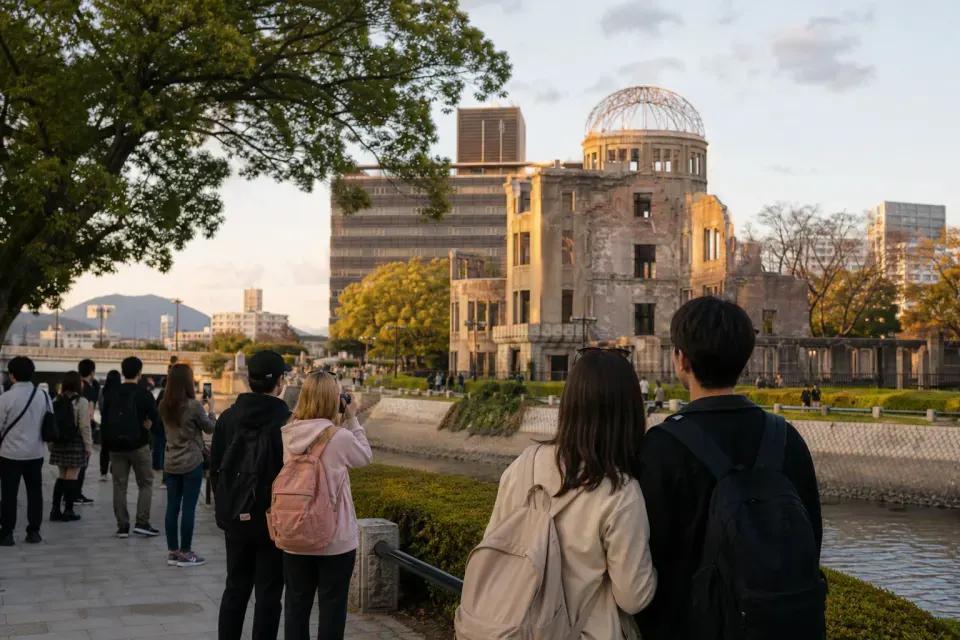
Miyajima rewards a plan and punishes a guess. The great torii looks completely different depending on the tide, the ropeway stops running while the afternoon is still light, and the ferry home is easy to miss if the summit walk runs long. Get the order right and the island feels calm and unhurried, with the shrine, the mountain views, and the waterfront lanes fitting together without backtracking. Get it wrong and the day turns into a rush between ticket counters and departure boards. This guide sorts the decisions that actually change the day: which ferry to board, when to see the torii, whether to ride or hike, where to eat, and when to head back. Follow it in order and you will leave Hiroshima, cross to the island, see the shrine at its best, and return without a last-minute sprint.

Ine no Funaya: the Kyoto fishing village where boats sleep downstairs

· 5 min read
Go Farther Team
Go Farther Team
Travel Experts & Curators

In Ine, a Kyoto fishing village, fishing boats do not sit in a harbour apart from the houses. They sleep downstairs, in garages built into the ground floor of the boathouses themselves, while families live upstairs. About 230 of these funaya line Ine Bay, and the whole townscape is designated an Important Preservation District for Groups of Traditional Buildings.

That is the sight most visitors come for, but Ine rewards a little planning. The village is a bus ride beyond Amanohashidate, the bay is best seen from the water, and the return bus shapes the whole day. This guide covers the route, the boat tour, what a night in a funaya is really like, where to eat facing the bay, and how to decide between a day trip and an overnight stay.

Get those calls right, and a quiet fishing village becomes a straightforward trip.

Nara deer park in half a day: the deer, the temple, and the train from Osaka

· 4 min read
Go Farther Team
Go Farther Team
Travel Experts & Curators

Nara rewards a simple plan: arrive at the closer station, skip the pushiest deer near the station, see the Great Buddha Hall while the morning is still quiet, walk out to Kasuga Taisha, and ride the same line back to Osaka. Get the order wrong and the trip turns into a scramble through crowds and closing halls, with the deer doing most of the directing.

This guide covers the decisions that shape the visit: which station to use, where to buy deer crackers, whether the temple or the deer should come first, whether the walk to Kasuga Taisha is worth it, and how to time the return. The park itself is free and open around the clock, while the halls charge separately, so the plan below keeps the free outdoor walking and the paid entries in the right sequence.

Travel insurance for Korea, Japan, and China: what Singapore travelers actually need

· 12 min read
Go Farther Team
Go Farther Team
Travel Experts & Curators

Most Singapore travelers plan their Korea, Japan, or China trips down to the last subway transfer, then tick travel insurance off with the cheapest option. That ordering is backwards. Hospitals in all three countries charge uninsured foreigners the full bill on the spot, and one serious incident — an appendicitis in Tokyo, an emergency room visit with imaging in Seoul — can pass ten thousand dollars before anyone mentions the flight home.

Nearly three in ten visitors to Japan arrive with no private medical cover at all, usually because the trip is short or they feel healthy. The gamble looks cheap until the bill arrives: an uninsured first visit to a Japanese emergency room runs twenty to fifty thousand yen, and hospitals can ask for a three hundred thousand yen deposit before admitting you.

This guide covers what medical care actually costs in Seoul, Tokyo, and Shanghai, what evacuation looks like from Jeju and Hokkaido, which documents Singapore insurers need to pay your claim, where credit card cover falls short, and which exclusions void claims.

Li River cruise vs bamboo raft: which Guilin boat is worth it

· 5 min read
Go Farther Team
Go Farther Team
Travel Experts & Curators

The Li River boat decision is really a time decision. Choose the cruise when you want the full Guilin to Yangshuo run with luggage handled and a meal on board, and choose the raft when you want the prettiest stretch of the river up close and your schedule is tight. Both boats cover famous karst scenery, but they start at different piers, run for very different durations, and suit different kinds of days. Getting the pier wrong can cost you a wasted trip across town, and picking the wrong boat class can leave you hungry or rushed. This guide sorts the choice by pier, boat limits, time, price, mist, and what to do in Yangshuo after you dock, so you can book the boat that fits your day rather than the one with the prettiest brochure photo.

Watching baseball in Japan: how foreigners buy tickets and what game day looks like

· 13 min read
Go Farther Team
Go Farther Team
Travel Experts & Curators

Japanese professional baseball — NPB — is one of the best nights out a visitor can have in Japan. The games move quicker than their American cousins, the atmosphere is rhythmic rather than rowdy, and a decent seat costs less than a mid-range dinner in Tokyo. But the ticket is the tricky part: there is no single NPB ticket portal. Each of the twelve clubs runs its own system, with its own accounts, on-sale dates, and rules — and some Japanese-language pages simply do not work for international cards.

This guide gives you a practical decision path through all of it: which stadium suits a first visit, the three ticket-buying routes that actually work for foreigners, what the seating chart really means, the food and customs worth knowing, and what happens when rain or extra innings enter the picture. By the end, you will know exactly where to click, where to sit, and what to do on game day.

Xi'an in one day: the Terracotta Army without the tour-bus traps

· 5 min read
Go Farther Team
Go Farther Team
Travel Experts & Curators

Xi'an rewards a clear plan and punishes a vague plan. The warriors sit outside the city, the ticket is timed, and the main viewing platform fills fast, so the difference between a smooth visit and a crowded visit is usually decided before you leave the station.

This guide settles the choices that matter: which pit to enter at your arrival time, which ticket to book ahead, which bus to board and which touts to ignore, and how to close the visit with food and a wall ride at dusk.

Book the timed ticket ahead, take the right bus from the railway station, and allow enough time on site. The rest of this guide works through pit order, tickets, transport, food, and the evening add-on in the order you will meet them.

Korean sauna first-timer guide: jjimjilbang etiquette, what to bring, and where to go

· 13 min read
Go Farther Team
Go Farther Team
Travel Experts & Curators

You land in Seoul after a red-eye, your shoulders feel like concrete, and a friend mentions the Korean sauna. You picture a wooden box with steam. What you get instead is a 24-hour bathhouse theme park: hot mineral pools, kiln-like sauna rooms, a food court, and Koreans cheerfully sleeping on heated floors like it is the most normal thing in the world. It is, in fact, one of the best-value experiences in Korean travel — full entry usually costs less than a coffee date in Singapore. The only catch: nobody hands you a manual, and the first five minutes can feel bewildering if you don't know the sequence. This guide is that manual — how to enter, how to behave in the nude baths, what to pack, where to go in Seoul, and exactly what it costs.

Cycling the Han River: the rental, route, and sunset plan

· 4 min read
Go Farther Team
Go Farther Team
Travel Experts & Curators

Cycling the Han River is the easiest way to see Seoul at a relaxed pace: a flat, wide path, separated from pedestrians, with the river beside you the whole way. The ride itself is simple. The rental decision is where riders get caught out, because riverside stations are spaced further apart than stations in central Seoul, and the return clock keeps running while you stop for photos, snacks, and sunset.

This plan keeps it simple. Rent a Ttareungi pass that gives you breathing room, ride the stretch from Yeouido to Banpo, and finish at Banpo for sunset. Park rental shops are the fallback if you would rather have a bike for a fixed block without watching a return clock. Here is how to choose, where to ride, how to return without extra fees, and when to skip the ride entirely.

One palace day in Seoul: Gyeongbokgung, Bukchon, and Insadong walking route

· 12 min read
Go Farther Team
Go Farther Team
Travel Experts & Curators

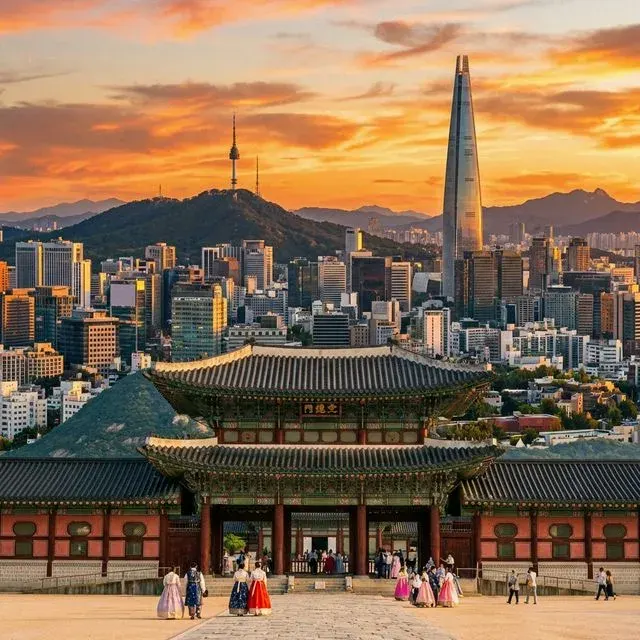
Gyeongbokgung, Bukchon Hanok Village, and Insadong sit within about three kilometers of each other in northern Seoul, yet plenty of visitors burn half the day walking the loop in the wrong order: arriving at the palace after the guard ceremony has finished, queuing for tickets in an outfit that does not qualify for free entry, hitting Bukchon at its most crowded hour, or ending the day with a long backtrack to where they started. The fix is simple. Rent a hanbok first for free palace entry, watch the 10:00 guard ceremony at Gwanghwamun Gate, tour the palace for about two hours, walk fifteen minutes east to Bukchon during the permitted visiting window, and finish downhill in Insadong for food, tea, and shopping. Every step moves forward; nothing gets repeated.