China Shanghai Short Trip Itinerary for Singapore Travelers

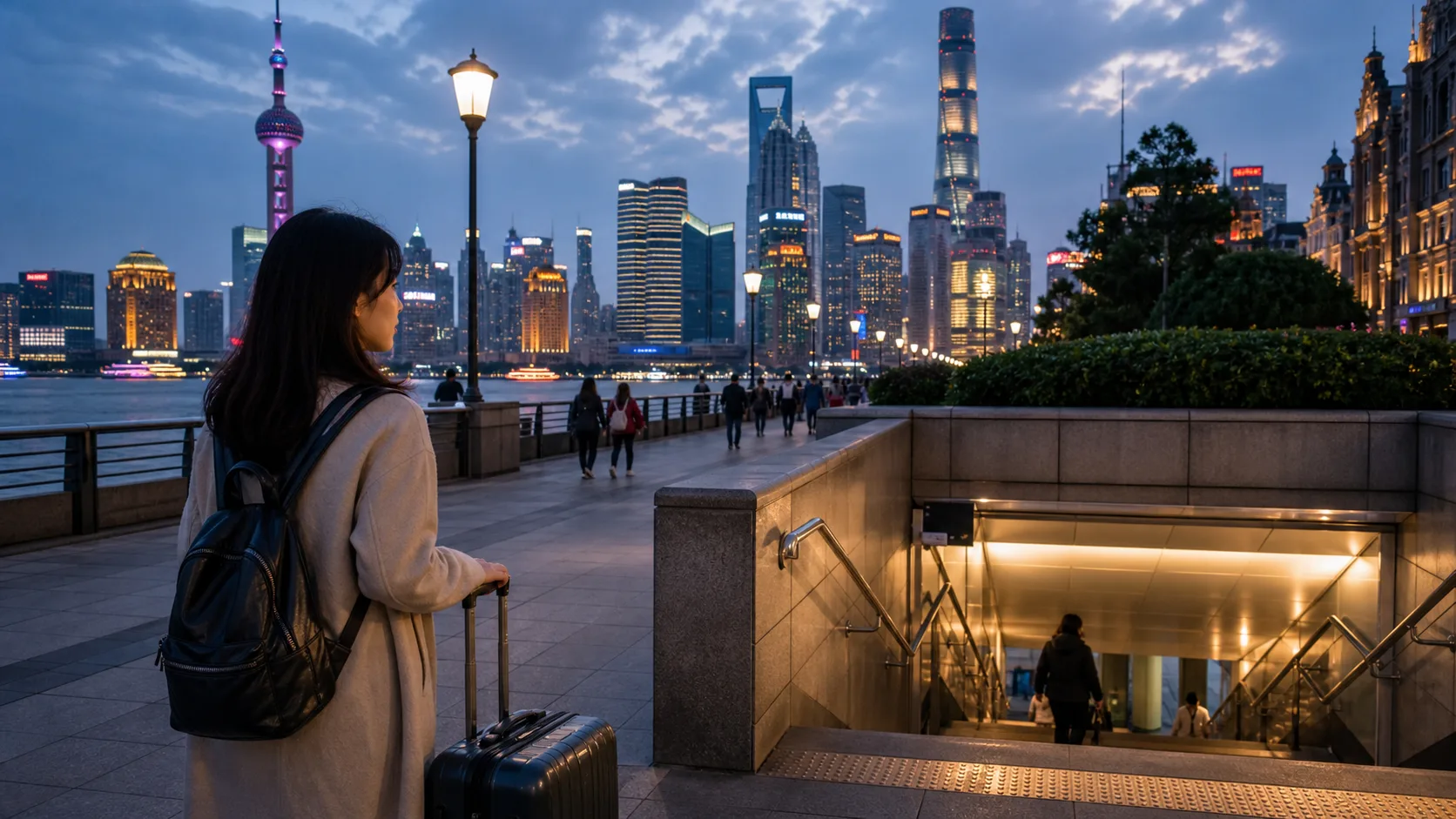
If you are flying from Singapore, Shanghai is one of the easiest China trips to plan because the flight is short, the time zone is the same, and the city rewards a compact itinerary. The main decision is not whether Shanghai is worth it, but how to structure a short stay so you see the classic skyline, one historic district, one slower neighborhood, and enough local food without wasting time in transit.
Fast Answer
The simplest Shanghai short trip for a Singapore traveler is a three-day city break with one skyline day, one heritage-and-food day, and one flexible day for a museum, river cruise, or shopping. If you only have two nights, stay near the Bund, People’s Square, or Jing’an so you can move around quickly by metro and taxi.
For most first-time visitors, Shanghai works best as a city of contrasts. You want the polished future of Lujiazui, the old lanes around Yuyuan and the Bund, and a quieter pocket such as the French Concession. That combination gives you the Shanghai experience in a short window without turning the trip into a checklist. A Singapore-based traveler should also plan around mobile payment, museum opening days, and the fact that some popular places need timed entry or advance booking.
Context You Need
Shanghai is not just “China’s big city.” It is a layered port city where treaty-port history, finance, design, and daily street life all sit next to each other. That is why a short trip can feel full even if you stay within a few central districts. The city has enough density to support a fast itinerary, but it is still large enough that poor routing can waste an entire afternoon.
For Singapore travelers, Shanghai is familiar in some ways and very different in others. The metro is extensive, the skyline is dramatic, the food scene is deep, and the city is visually organized around riverfronts, commercial cores, and older lane neighborhoods. At the same time, many small decisions work differently from Singapore: payment apps matter more, museum hours can be stricter, and a lot of your day will go better if you plan the order of stops before you leave your hotel.
The best short-trip mindset is this: do not try to “cover Shanghai.” Instead, build the trip around three experiences. First, see the contrast between old and new by pairing the Bund with Pudong. Second, spend time in one heritage district so the city feels human rather than just monumental. Third, keep one block of your itinerary light enough for food, shopping, or weather backup.
If you are deciding whether Shanghai should be a standalone trip or part of a longer China route, think in terms of trip length. A short Shanghai break works well on its own because the city is easy to navigate and the key sights are concentrated. If you are already combining it with another city, Shanghai is also a good bridge between a business-style trip and a more scenic or historical route elsewhere in China.
One planning detail matters more than many travelers expect: your arrival timing. Shanghai rewards a morning or early-afternoon arrival because you can still do a light first day, eat well, and reset your pace. A late-night arrival is fine, but it steals the easy win that makes short trips feel relaxed instead of compressed.
The other important context is seasonality. Shanghai is comfortable in spring and autumn, humid and hot in summer, and cooler in winter than many Singapore travelers expect. Because a short trip is often scheduled around school holidays or long weekends, the weather and crowd pattern can change the feel of the city more than the exact number of days you stay.
Step-by-Step Guide
The simplest way to build a Shanghai short trip is to plan in this order: entry, flight timing, neighborhood base, daily route, and dinner reservations. If you sequence those five pieces correctly, the trip becomes easy to execute even when the city is busy.
1. Decide the trip length first
For most Singapore travelers, the best options are:
| Trip length | Best for | What it feels like |
|---|---|---|
| 2D1N | A quick city sample | Fast, packed, and best if you only want the highlights |
| 3D2N | First-time visitors | The sweet spot for skyline, heritage, food, and one flexible block |
| 4D3N | Slower travelers | Enough time for museums, shopping, and a second neighborhood layer |
If this is your first Shanghai trip, 3D2N is the safest choice. Two days can feel rushed because the city’s appeal is partly in moving between districts. Four days is better if you want to include café time, a rooftop bar, a longer museum visit, or a half-day side trip.
2. Choose a base that reduces transit
Stay central. For a short trip, the location of your hotel matters more than room size or fancy amenities.
Good bases:
- The Bund area if you want the classic skyline and an easy first impression.
- People’s Square if you want strong metro access and a practical city-center feel.
- Jing’an if you want a more polished, balanced base with dining and shopping.
- West Nanjing Road if you want a good mix of business-hotel convenience and central movement.
Avoid staying too far out unless you already know the metro map well. Shanghai is efficient, but a cheap hotel that adds 40 minutes each way will cost you more in time than it saves in money.
3. Plan the city around districts, not individual landmarks
The mistake many first-time visitors make is choosing ten isolated places and hoping they fit together. Shanghai works better if you cluster stops:
- Bund + Nanjing Road + People’s Square
- Yu Garden + old city lanes + riverfront
- French Concession + Xintiandi + café streets
- Lujiazui + Shanghai Tower area + river views
That approach cuts down backtracking and gives each day a clear theme.
4. Use this 3-day rhythm
Day 1: Old Shanghai meets the skyline
Start with a late morning or early afternoon arrival if possible. Check in, freshen up, and keep the first day simple. Head to the Bund first if the weather is clear, then move to Nanjing Road or People’s Square for a meal and a slow walk. If you still have energy, finish with the riverfront at night so you see both daytime architecture and the illuminated skyline.
This is the day to adjust to the city, not race through it. Your goal is orientation.
Day 2: Heritage and local texture
Spend this day in a historic or semi-historic district. Yuyuan Garden and the surrounding old city area are the obvious choice if you want a traditional visual frame. If you prefer a more relaxed version of Shanghai, split the day between a lane neighborhood, a café lunch, and a museum or gallery.
Keep lunch flexible. Shanghai is a place where the best meal is often the one you stumble into after a long walk, not the one you over-engineer from home.
Day 3: Pudong or a flexible finish
Use the final day for the modern side of the city. Go to Lujiazui if you want the iconic towers, an observation deck, and the cleanest “future Shanghai” photos. If skyscrapers do not excite you, use this day for a bigger museum, an urban park, a shopping block, or a long café morning before the airport.
If your flight is late, you can also use day 3 as a margin day for weather, shopping, or rest. That flexibility is what makes a Shanghai short trip feel comfortable.
5. Book around timed-entry places
Some Shanghai sights are walk-up friendly, but many of the most useful ones are easier with advance planning. For a short trip, do not overbook, but do reserve the places that can block your day if they sell out or have restricted entry.
Use this rule:
- Reserve in advance if the venue is famous, indoor, or museum-like.
- Walk up if it is an outdoor district, riverfront, or general city area.
- Check weekday closures before you build your route.
6. Build your food plan lightly
Short trips should not become restaurant marathons. Pick one or two specific meals you really want, then leave the rest open. Shanghai is easy to eat in if you are comfortable with a mix of casual noodles, local snack spots, dumplings, and more polished restaurants.
A practical daily pattern is:
- Breakfast near the hotel or from a nearby bakery or café.
- A light lunch that fits the district you are already in.
- One more intentional dinner booking, especially on Friday or Saturday.
That keeps the day moving.
7. Keep a transport fallback ready
Metro will solve most of your movement, but taxi or ride-hailing is useful when you are tired, when you are carrying shopping bags, or when weather turns bad. A short itinerary gets much smoother if you accept that not every transfer should be “optimized” for the cheapest possible option.
If your group is tired, pay the small premium for convenience. It is a short trip, not a test of endurance.
Costs, Hours, and Logistics
Shanghai is not a cheap city, but it is controllable if you separate fixed costs from flexible ones. The big fixed costs are flights and hotel. The flexible costs are local transport, entry tickets, and meals.
For a Singapore traveler, the most useful budget frame is a per-day ground budget rather than a grand total. A comfortable mid-range short trip usually includes hotel, metro or taxi, two decent meals, coffee or snacks, and one or two paid attractions. If you keep the hotel central, you can spend less on transport and more on the experiences that actually matter.
Typical on-the-ground cost structure
| Item | Budget-minded approach | Comfortable approach |
|---|---|---|
| Metro | Use it for most city movement | Still use it, but mix in taxis |
| Taxi / ride-hailing | Only for late-night or bad weather | Use for cross-city transfers |
| Meals | Street food, dumplings, casual local spots | Mix of casual and one nicer dinner |
| Attractions | One or two paid entries | More paid entries or observation decks |
| Shopping | Minimal | Flexible, especially in central malls |
Hours and booking behavior
Most Shanghai sights fall into a few patterns:
- Outdoor riverfronts and neighborhood walks are flexible all day.
- Museums often have stricter hours and may close one weekday, commonly Monday.
- Observation decks and tower attractions have timed-entry behavior during busy periods.
- Popular garden or heritage spots can become crowded early and late in the day.
That means your schedule should not be built around a single “perfect” midday slot. Instead, aim to have one anchor activity in the morning, one anchor in the afternoon, and leave evening for walking, dining, or skyline viewing.
Transit and payment
Shanghai’s metro is the easiest way to move around the city center. It is fast, cheap, and predictable. Taxis are useful, but traffic can be heavy enough that they are not always faster than the metro for long crosstown trips.
For payments, assume a mixed setup:
- Bring a little cash for backup.
- Make sure your phone payment setup works before arrival if you plan to use it.
- Keep a physical card available in case an app or QR setup is inconvenient.
Do not leave payment to the last minute. In a city that moves quickly, being unable to pay cleanly can slow down every other part of the trip.
2026 logistics to confirm before you fly
Because travel rules can change, confirm three things before departure:
- Your exact entry eligibility for mainland China.
- Your airline’s document checks for the return journey.
- Any timed-entry requirements for the sights you care about most.
This matters even for short trips. A Shanghai itinerary can be brilliant on paper and still become awkward if you discover a document issue or sold-out ticket only after landing.
A practical budget idea
If you want a useful planning shortcut, think of the trip in three buckets:
- Arrival and departure convenience.
- Hotel location.
- One or two “must-do” experiences.
Then cut ruthlessly everywhere else. Shanghai is best when the city feels easy, not when every minute is monetized.
Variations and Edge Cases
Shanghai looks different depending on travel style, season, and group size. The itinerary should shift with that reality rather than forcing one rigid formula on every traveler.
If you are traveling in summer
Summer in Shanghai is hot, humid, and tiring if you walk too far in the middle of the day. Keep the outdoor sightseeing early and late, and put museums, shopping, or café time in the hottest window. Hydration and shade matter more than perfect route efficiency.
In summer, a short itinerary should also be lighter than you think. A packed outdoor day can drain the trip fast.
If you are traveling in winter
Winter is workable, but it changes how Shanghai feels. Riverfront walks can still be beautiful, yet you will want fewer long outdoor stretches and more indoor anchors. This is a good season for museums, malls, polished restaurants, and observation decks.
If you are traveling as a couple
Couples often do best with a more balanced itinerary: one iconic skyline moment, one nice dinner, one scenic neighborhood walk, and one slower afternoon. You do not need to “maximize” landmarks. Shanghai is a good city for atmosphere, so leave room for cafés, rooftop views, and unplanned wandering.
If you are traveling with parents
For older travelers, central hotel location becomes even more important. Try to reduce stair-heavy transfers, overlong walks, and repeated station changes. Use the metro where it is simple, but do not hesitate to use taxis for cross-town moves. Build in breaks and choose a route with fewer physical bottlenecks.
If you are traveling on a tighter budget
A tighter budget does not mean a worse Shanghai trip. It means being disciplined about the expensive pieces:
- Choose a central but simple hotel.
- Use the metro heavily.
- Keep paid attractions selective.
- Use one meaningful dinner rather than several expensive ones.
You can still have a very strong trip if the route is good.
If you want more luxury
Shanghai can scale upward quickly. Better hotels, private transfers, rooftop bars, tasting menus, and high-end shopping are easy to add. If you are treating the trip as a premium city break, make the experience about comfort and curation rather than seeing more places.
If your trip overlaps with a holiday period
Holiday weekends and school breaks can change everything: crowds, hotel rates, dining availability, and transport demand. In those cases, book earlier than you think you need to, and avoid putting the most popular attraction at the very end of the day.
The edge case to remember is simple: the more crowded the city gets, the more valuable a flexible itinerary becomes.
Mistakes to Avoid
The biggest Shanghai short-trip mistake is trying to treat the city like a list of attractions. That approach usually creates long transfers, rushed meals, and a vague sense that you were “busy” without actually enjoying the city.
Another common error is underestimating how much smoother the trip becomes if you stay central. A cheaper hotel on the edge of the city can ruin the rhythm of a short stay because every day starts and ends with a long commute.
Also avoid assuming every place will accept payment the same way. Shanghai is modern, but visitors still benefit from backup payment methods. Finally, do not forget weekday closures, timed-entry rules, and booking requirements. A single closed museum can collapse half a day if you built the itinerary around it.
The simplest fix is to plan by district, keep one block open each day, and confirm the logistical details before you leave Singapore.
FAQ
How many days do I need for Shanghai?
Three days is the best starting point for a first trip. Two days can work if you only want a short city sample, but it will feel compressed. Four days is better if you want to add slower neighborhoods, more shopping, or one extra museum.
Is Shanghai good for a first China trip?
Yes. It is one of the easiest first stops because the city is organized, international enough for most travelers, and strong on transit. If you want a less intimidating introduction to mainland China, Shanghai is a sensible choice.
What should I prioritize if I only have one full day?
Prioritize the Bund, one modern skyline area, and one historic district. That combination gives you the strongest Shanghai contrast in the shortest possible time.
Should I rely on taxis or the metro?
Use the metro for most of the city and taxis for convenience when needed. The best short-trip strategy is not choosing one transport mode forever. It is using the right one for the specific part of the day.
Do I need to book everything in advance?
No, but you should book the most popular or timed-entry attractions, especially in busy periods. Keep outdoor walks flexible and reserve only the places that could otherwise block your schedule.
Is Shanghai walkable?
It is walkable within districts, not across the whole city. That is an important distinction. You can enjoy a district on foot, but you should not plan to walk from one major area to another as if the city were compact.
What kind of traveler benefits most from this itinerary?
Singapore travelers who want a short, efficient city break with strong food, skyline views, and a mix of old and new Shanghai will get the most value from this plan. It is especially good if you prefer a trip that feels urban, polished, and practical.
Next Steps
The best next step is to lock your trip length, choose a central hotel base, and map each day by district before you book anything else. That single decision will save more time than over-researching attractions later.
If you are going to Shanghai for the first time, use the city as a contrast trip: skyline, heritage, and one slower neighborhood. Keep one afternoon open for weather or fatigue, and you will get a much better experience than if you try to do everything.
Related: china-shanghai-short-trip-booking-guide-for-first-time-visitors
Related: china-shanghai-short-trip-airport-transfer-guide-for-singapore-travelers