Japan Tokyo Short Trip Itinerary for Singapore Travelers

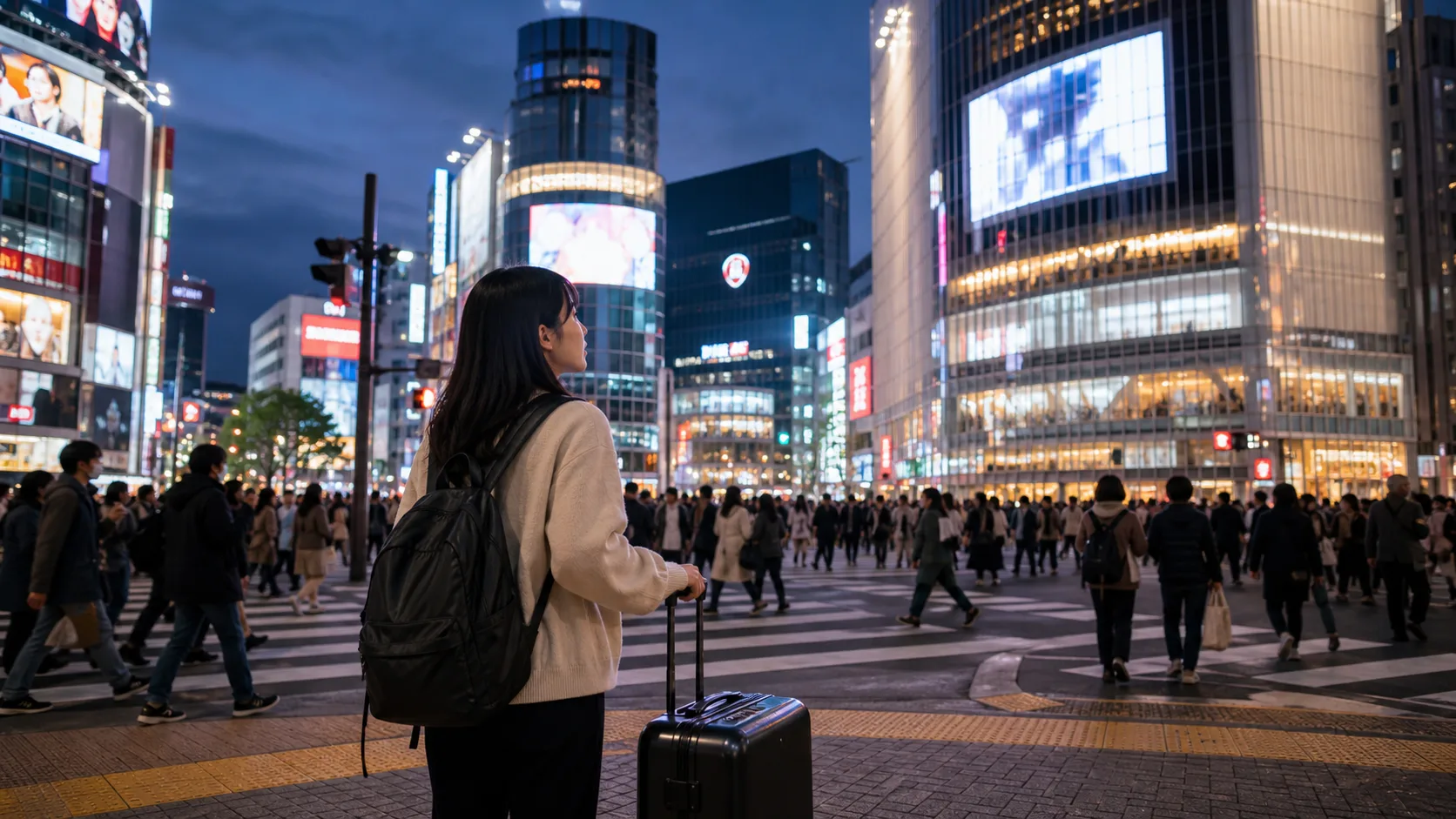
If you are flying from Singapore to Tokyo for only a few days, the winning strategy is simple: keep the trip centered on one part of the city, use rail for most movements, and book only the one or two things that can sell out or waste time if you leave them to chance. Tokyo rewards good sequencing. If you try to see everything, you spend the trip on trains. If you choose a compact base and a clear route, you can fit in food, neighborhoods, shopping, and one high-value day trip without feeling rushed.
1. Fast Answer
The best Tokyo short trip for Singapore travelers is usually a 3-night or 4-night stay with a base in Shinjuku, Tokyo Station, Ueno, or Asakusa. Those areas give you fast access to the airport, efficient rail transfers, and enough variety that you can mix first-timer sights with food and shopping without crossing the city all day. If it is your first time, focus on a clean route: one heritage and temple day, one modern city day, one food and shopping day, and one buffer for a neighborhood you missed.
The biggest planning mistake is treating Tokyo like a single attraction. It is a large city with distinct zones. A short trip works best when you choose clusters: east Tokyo for Asakusa and Ueno, central Tokyo for Ginza and Tokyo Station, west Tokyo for Shibuya and Shinjuku, and one optional side trip only if you have extra time. For Singapore-based travelers, that means you should think in terms of transit time, not just distance on a map.
Here is the practical takeaway: if you have 4 days on the ground, spend your first full day in Asakusa and Ueno, your second in Shibuya and Shinjuku, your third on a museum, market, or teamLab-style experience, and your fourth on shopping, a cafe crawl, or a short day trip. Keep the schedule flexible enough for rain, jet lag, and a late start after an evening arrival from Singapore.
2. Context You Need
Tokyo is the easiest place in Japan for a short trip to feel rich rather than rushed, but only if you understand how the city works. It is not organized like a compact sightseeing center. Instead, it is a network of rail-connected districts, each with its own rhythm, food scene, and visitor density. That is why a Tokyo itinerary that looks perfect on paper can fail in practice if it requires too many cross-city hops.
For Singapore travelers, Tokyo usually fits one of three trip styles. The first is the first-visit sampler: iconic sights, famous food, a little shopping, and a clear sense of the city. The second is the comfort trip: clean logistics, good trains, easy hotel access, and predictable meals. The third is the shopping-and-neighborhood trip: smaller lanes, department stores, cafes, and night views. A short itinerary can support all three, but not all at once. The way to make it work is to choose a primary purpose and let everything else support it.
Tokyo also changes quickly by season. Spring is popular for blossoms and mild weather. Summer is hot, humid, and tiring, which makes indoor attractions and shorter neighborhood walks more valuable. Autumn is often the easiest season for all-day exploration. Winter is crisp, bright, and good for views, but you should build in more indoor stops and warmer meal breaks. If you are planning from Singapore, you may also be adjusting to colder weather than home, so packing layers matters more than overpacking stylish outfits.
The city’s transport system is the core of any short-trip plan. The subway and JR lines are reliable, but the network only feels simple after you stop trying to optimize every transfer. For a brief stay, it is usually better to use an IC card, accept that you may walk a little more than expected, and stay near a line that serves the areas you care about. That approach saves energy and reduces the chance that a delayed transfer ruins your evening plans.
Tokyo is also a city where food can become the whole trip if you let it. That is not a bad thing. But if your total stay is short, meals should be planned with the same discipline as attractions. A breakfast near the hotel, a lunch in the district you are already visiting, and a dinner near your evening area is often the smoothest pattern. Chasing one famous restaurant across the city is rarely worth it unless it is the main reason for your trip.
3. Step-by-Step Guide
The most efficient way to plan a Tokyo short trip is to build it backward from your arrival and departure times. Singapore to Tokyo flights often create a late-night arrival or early-morning arrival pattern depending on the airline and schedule, so your itinerary should assume that the first and last day are not full sightseeing days. That simple adjustment prevents overbooking and keeps the trip enjoyable.
Step 1: Choose your base
Pick a hotel area based on the kind of trip you want:
| Area | Best for | Tradeoff |
|---|---|---|
| Shinjuku | Easy access, nightlife, big train hub | Busy and visually intense |
| Tokyo Station / Marunouchi | Airport convenience, business hotels, central access | Less neighborhood character at night |
| Ueno | Better value, direct airport access, museum access | Slightly quieter after dark |
| Asakusa | Traditional atmosphere, compact sightseeing | Fewer late-night dining choices |
If it is your first Tokyo trip, Shinjuku or Tokyo Station is usually the most forgiving choice. If you prefer calmer evenings and a more local feel, Ueno or Asakusa works well. The key is not luxury. The key is to reduce transit friction.
Step 2: Map your days by zone
Do not build a short trip from individual attractions scattered across the city. Build it from zones:
| Zone | Suggested stops |
|---|---|
| East Tokyo | Asakusa, Senso-ji, Sumida River, Ueno, Ameyoko |
| Central Tokyo | Tokyo Station, Ginza, Imperial Palace area, Marunouchi |
| West Tokyo | Shibuya, Harajuku, Meiji area, Shinjuku |
| Extra time | Odaiba, teamLab-style exhibits, a short day trip |
For a 3-night stay, keep to two major zones plus one flexible half-day. For a 4-night stay, you can add a third zone or a day trip. This is the single biggest difference between a good short itinerary and a stressful one.
Step 3: Build the first day around arrival
If you land in the afternoon or evening, treat that day as a soft landing:
- Check in or drop luggage.
- Buy or activate your transport card.
- Eat near the hotel.
- Take one short evening walk to reset your body clock.
Do not try to pack in a full attraction list on arrival day. Jet lag is real, especially if you have flown overnight and lost a sleep cycle. A light first evening also helps if you arrive in bad weather or with a delayed flight.
Step 4: Use a repeatable day structure
The easiest structure for Tokyo is:
- Start in the farthest point you want to visit.
- Work back toward your hotel.
- Eat lunch in the same district.
- Leave one evening activity near your base.
That approach cuts backtracking and protects your energy. It also makes it easier to adapt if a museum, temple, or store takes longer than expected.
Step 5: Choose one premium experience, not five
Short trips are more satisfying when you choose one thing that feels special. That could be a high-end sushi lunch, a viewpoint, a themed museum, a well-reviewed kaiseki dinner, a tea experience, or a day trip. If you try to do all of them, they stop feeling special and become logistics.
Sample 4-day framework
Here is a simple structure that works well for many Singapore travelers:
| Day | Main focus | Why it works |
|---|---|---|
| Day 1 | Arrival, local dinner, light evening walk | Recovers from travel |
| Day 2 | Asakusa, Ueno, Ameyoko | Traditional Tokyo and easy transit |
| Day 3 | Shibuya, Harajuku, Shinjuku | Modern Tokyo and shopping |
| Day 4 | Central Tokyo or one optional day trip | Flexible finish before departure |
If you have 5 days, add a slower museum day, a food day, or a short day trip rather than increasing the number of districts visited on each day. More districts do not mean more value.
Step 6: Book only what really needs booking
Tokyo is not a city where every movement must be locked in advance. Many meals, trains, and attractions can be handled on the spot. But reservations help for:
- Popular dinner spots
- Time-slot experiences
- Long-distance or reserved-seat rail journeys
- Airport transfers with a fixed timetable
That balance matters for short trips. Book the items that protect time, and leave the rest open.
4. Costs, Hours, and Logistics
Tokyo can be as affordable or as expensive as you make it. For a Singapore traveler, the useful mindset is not “cheap versus expensive.” It is “predictable versus flexible.” Most of the essential daily expenses are easy to estimate, which makes budgeting straightforward.
For transport, an IC card is the simplest default. It lets you tap through trains, subways, and many buses without buying a new ticket every time. For a short stay, that convenience is usually worth more than trying to optimize every fare. Airport trains, especially from Haneda or Narita, may be worth booking or planning in advance if you are arriving late or carrying large luggage.
For accommodation, short-trip value is usually found in location, not room size. Tokyo rooms are often smaller than many Singapore travelers expect, especially in central districts. If your days are packed, a smaller room in a better rail location can be a smarter choice than a larger room far away. That is especially true if you plan to return to the hotel during the day.
Attractions and shops usually follow typical city hours, but do not assume every area opens early or stays open late in the same way. Temples, museums, malls, department stores, and restaurants all have different operating patterns. The safest approach is to plan morning outdoor or historic sights, midday indoor stops, and evening food or skyline time. That sequence works in almost any season.
Tokyo is also more cash-light than it used to be, but not every place is fully cashless. Bring a card that works internationally and carry a small amount of yen for smaller purchases, vending machines, or places that still prefer cash. If you are used to Singapore’s high cashless acceptance, you may still be fine most of the time, but it is not wise to rely on one payment method alone.
For weather, the most important logistics are not dramatic. They are practical. Summer trips need water, shade, and indoor backup plans. Winter trips need warm outerwear and a little more planning for evening walks. Rainy days are normal enough that you should always keep one indoor district option in reserve.
A few booking and timing caveats are worth remembering:
- Reserve premium or limited-seat experiences early if they are central to the trip.
- Do not schedule airport arrival and a distant dinner in the same tight window.
- Expect crowds on weekends and holidays.
- Keep the last day light if you are flying home the same evening.
If you want a good short-trip budget rule, think in layers: hotel, airport transfer, city transport, meals, and one premium experience. That gives you a more useful picture than a single “daily budget” number, because Tokyo spending varies a lot by neighborhood and eating style.
5. Variations and Edge Cases
Not every Singapore traveler should build the same Tokyo short trip. The right version depends on pace, travel style, and whether this is a first visit or a repeat visit.
If this is your first Tokyo trip, use the classic route: Asakusa, Ueno, Shibuya, Shinjuku, and one central shopping area. That gives you enough contrast to understand the city without wasting time on hard-to-explain side trips. First-timers often try to fit in too many “hidden” neighborhoods before they have even seen the core districts.
If you are traveling with parents or a multigenerational group, reduce transfer complexity. Stay near a major station, choose one or two anchor attractions per day, and build in more meal breaks. Tokyo is very walkable in the parts tourists visit, but the walking adds up. Seniors and children both do better when the day includes rest points and fewer station changes.
If you are on a shopping-heavy trip, base yourself closer to Shinjuku, Shibuya, or Ginza and keep your daytime route compact. Shopping trips fail when you spend too much time dragging bags across the city. If possible, plan shopping for the second half of the trip so you know what you want before buying.
If you are traveling during peak season, expect more friction in every step: hotel pricing, attraction queues, train crowds, and restaurant reservations. The answer is not to avoid Tokyo. It is to simplify your route and book the most important pieces earlier than you would in off-peak months.
If you are a repeat visitor, the best short-trip strategy is often to go deeper rather than wider. Instead of checking off more landmarks, spend more time in one district, try a better meal, or visit a smaller museum and a neighborhood cafe. Tokyo becomes better, not worse, when you slow down.
Another edge case is the flight schedule. If your return flight from Tokyo leaves early in the morning, your last night should be near the airport transfer route or near a line with easy access. If your return flight is late at night, you can keep the final day open for shopping or sightseeing, but only if you have already arranged luggage handling or a clear plan to get back to the hotel before departure.
Finally, if you are combining Tokyo with another city in Japan, keep Tokyo as the city that absorbs delay. That means arriving in Tokyo first or ending there last often makes more sense than trying to squeeze Tokyo into the middle of a tightly packed multi-city route.
6. Mistakes to Avoid
The most common mistake is overcommitting to too many districts. Tokyo looks compact on a map, but the city punishes unstructured movement. Pick zones, not random attractions.
Another mistake is ignoring arrival fatigue. Many Singapore travelers underestimate the impact of a night flight, customs, luggage collection, and first-night disorientation. If you force a packed schedule on day one, the whole trip feels harder than it should.
People also overspend time on transport apps and route tinkering. For a short trip, the goal is not perfect optimization. The goal is consistency. Use one main base, one IC card, and a manageable daily pattern.
Do not leave all bookings to the last minute if the experience is popular or time-sensitive. Tokyo has plenty of spontaneous options, but that does not apply equally to everything.
7. FAQ
How many days do I need for Tokyo from Singapore?
Three nights is the minimum that still feels worth it. Four nights is the sweet spot for most travelers because it gives you one arrival day, two full sightseeing days, and one flexible day.
Where should I stay for a short trip?
Shinjuku, Tokyo Station, Ueno, and Asakusa are the safest choices. Pick the one that best matches your style: transport convenience, calmer evenings, or a more traditional neighborhood feel.
Is Tokyo hard to do without speaking Japanese?
No, not for a short tourist trip. English is enough for many hotels, stations, and major attractions. That said, a translation app and basic etiquette go a long way, especially in smaller restaurants or older neighborhoods.
Should I use cash or card?
Bring both. Card is fine for many purchases, but cash still helps in smaller places and for incidental spending. A small yen buffer avoids frustration.
Is Tokyo worth a day trip on a short visit?
Only if you already have enough time in the city itself. For a first short trip, Tokyo is usually better enjoyed by staying in the city and reducing movement. Add a day trip only if you have an extra day and your core Tokyo plan is already complete.
What is the best pace for a short trip?
Two major areas per day is usually the maximum that still feels comfortable. If you are traveling with family, even one area plus a nearby evening stop can be enough.
8. Next Steps
The best next step is to lock your base, your arrival plan, and your first two day zones before you start browsing every attraction in Tokyo. Once those three decisions are set, the rest of the trip becomes easy to shape. If you want a smooth Tokyo short trip, plan around transit efficiency first and sightseeing second.
After that, refine the trip by matching it to your travel style: foodie, first-timer, family, shopping-focused, or repeat visitor. That is where Tokyo becomes personal instead of generic. If you want to build a broader Japan itinerary after Tokyo, use the same logic: cluster by district, keep transfers light, and reserve only the moments that matter.
Related: japan-tokyo-short-trip-booking-guide-for-first-time-visitors
Related: japan-tokyo-short-trip-airport-transfer-guide-for-singapore-travelers