Japan Tokyo Short Trip Booking Guide for First Time Visitors

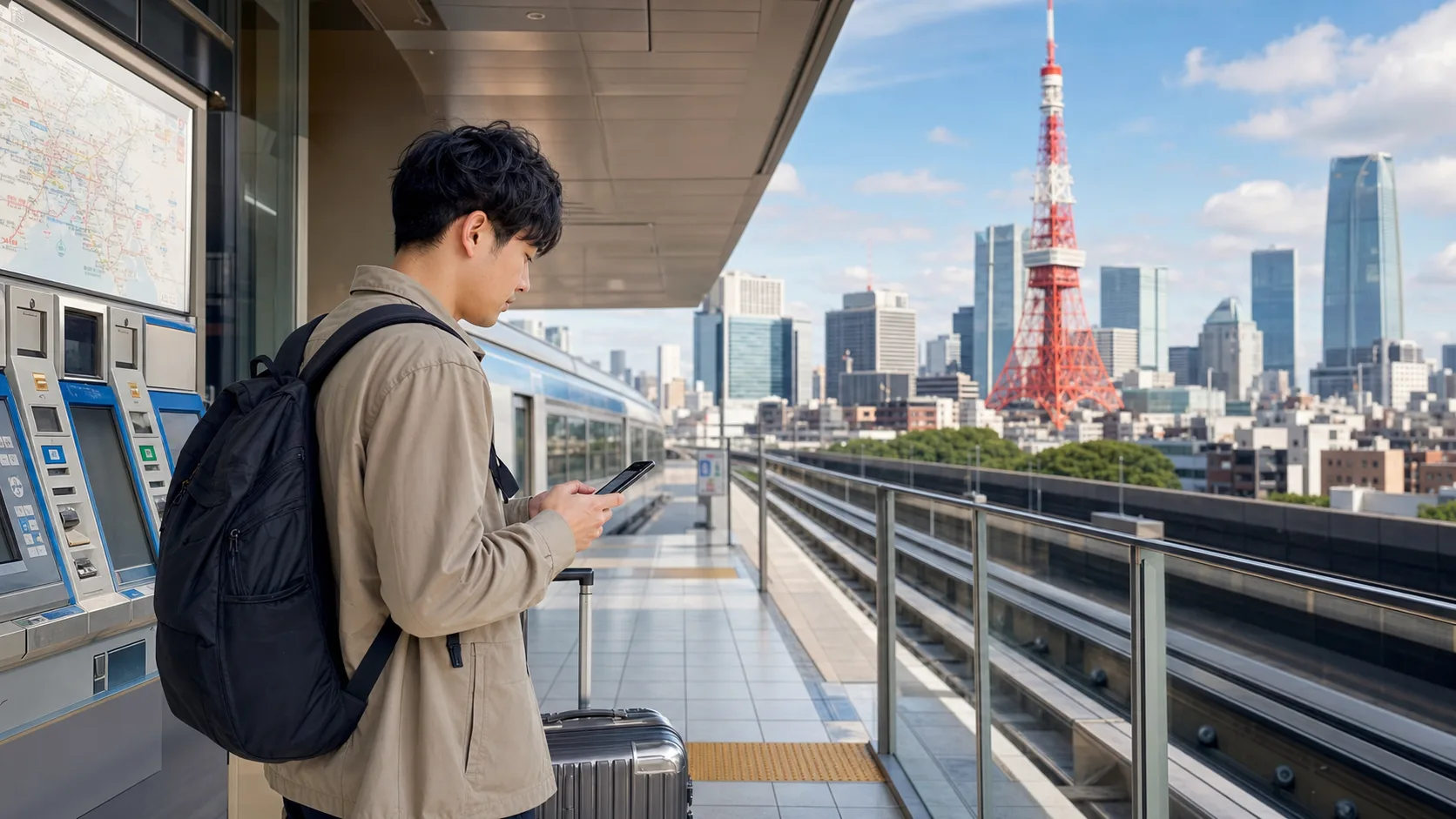
Tokyo rewards planning, but first-time visitors often overbook the wrong things and underbook the ones that actually matter. If you are coming from Singapore, a short Tokyo trip works best when you lock in the flight, a sensible hotel base, airport transfer, and one or two timed-entry experiences before you go. Everything else can stay flexible.
1. Fast Answer
If you only have a short trip to Tokyo, book in this order: flight, hotel, airport transfer, then the few attractions or restaurants that genuinely sell out. For most first-time visitors, that means staying near a major rail hub, using an IC card or subway pass for city travel, and not trying to optimize every ride with a rail pass you will barely use.
The biggest planning mistake is treating Tokyo like a city that needs a rigid schedule from morning to night. It usually does not. The smarter approach is to reserve the fixed parts of the trip early, keep the transit simple, and leave the rest open for weather, jet lag, and neighborhood wandering. That matters even more on a short trip because one delayed connection or one overcomplicated transfer can consume half a day.
For Singapore-based travelers, Tokyo is one of the easiest long-haul city breaks to plan because the route is direct, the transit network is reliable, and card payments are widely accepted. You still need to decide whether your priority is food, shopping, culture, or day trips. That single choice changes which neighborhood you should book, whether you need Shinkansen tickets, and how much advance reservation you should build into the trip.
2. Context You Need
Tokyo is not just one city center. It is a sprawling metro area made of distinct districts that feel almost like different cities: Shibuya for youthful energy, Shinjuku for transit and nightlife, Tokyo Station and Marunouchi for business convenience, Asakusa for older streets and temple visits, Ueno for museums and park access, and Ginza for polished shopping and dining. A short trip works best when you choose one base area and let the city come to you.
For a first-time visitor, the main decision is not “What can I see in Tokyo?” It is “What kind of Tokyo trip am I trying to have?” If you want convenience, book near a station on a major rail line and keep the schedule light. If you want atmosphere, stay in a neighborhood with good evening walking and easy food options. If you want day trips, place yourself closer to JR or airport rail connections so you are not wasting time on cross-city transfers.
Because Tokyo is so large, many first-time travelers underestimate how much time is lost to movement. A train ride that looks short on a map may still mean platform changes, station exits, and crowding at rush hour. That is why short-trip planning should focus on reducing friction. The best booking decisions are usually the boring ones: a hotel with a direct airport route, attractions with confirmed entry windows, and a transit plan that does not require you to decode five different tickets.
For short stays, Tokyo also rewards travelers who plan around seasons rather than around “must-see” lists. Cherry blossom season, Golden Week, summer holiday periods, autumn foliage, and year-end weekends all change crowd levels, hotel rates, and booking urgency. Even if you are only in town for three or four nights, those dates can decide whether you spend the trip enjoying the city or waiting in lines.
3. Step-by-Step Guide
The cleanest way to book a short Tokyo trip is to work backwards from the experience you want. If you do that, the trip usually falls into place with much less stress.
3.1 Choose the trip shape first
Before booking anything, decide whether this is:
- a pure city break focused on central Tokyo
- a food and shopping trip with one or two flagship sights
- a family trip with early nights and low-stress transit
- a first Japan trip that should include one easy day trip outside the city
- a stopover-style visit where you need efficiency more than depth
That choice determines the rest of the booking stack. A shopping-heavy trip may be happiest in Shibuya, Shinjuku, or Ginza. A first-timer focused on landmarks might prefer Asakusa or Ueno. A day-trip plan toward Hakone, Nikko, Kamakura, or Mt. Fuji access points benefits from a station-adjacent hotel with simple morning departures.
3.2 Book the flight with arrival and departure timing in mind
For a short trip, flight timing matters as much as ticket price. Try to land in a way that gives you at least one usable evening on arrival or one full morning before departure. Red-eye arrivals can work, but only if you are comfortable checking in, dropping bags, and taking the first day slowly.
From Singapore, direct flights are usually the easiest option because they reduce complexity at both ends of the trip. When comparing fares, pay attention to the following:
- baggage allowance
- seat selection cost
- whether the flight arrives at Haneda or Narita
- how late the last airport train or bus connection runs
- whether your return flight forces a rushed hotel checkout
Haneda is usually more convenient for short stays because it is closer to central Tokyo. Narita is still fine, but it often adds more transit time and more decision-making, especially if you arrive tired. If the fare difference is small, the airport that saves time is often worth more than the one that saves a little money.
3.3 Pick a hotel base that reduces transfer stress
For first-time visitors, the best hotel is rarely the cheapest one. It is the one that cuts down on transfers and late-night fatigue. In practice, that means staying near:
- Tokyo Station or nearby business districts for maximum rail access
- Shinjuku for broad connectivity and easy airport access options
- Shibuya for a lively, walkable stay with strong dining options
- Asakusa for a calmer, more traditional base
- Ueno for a practical, family-friendly, rail-connected stay
Choose the neighborhood based on your trip’s daily rhythm. If you plan to wake early and move around a lot, proximity to rail beats nightlife. If you plan to eat late and walk after dark, a lively district may be better. If you are traveling with parents or children, minimizing stairs, long station walks, and late-night transfers is worth more than being in the trendiest part of town.
3.4 Prebook only the experiences that need certainty
Tokyo has a lot of flexible sightseeing, but some parts of a first trip benefit from advance booking:
- popular observation decks
- themed cafes or limited-capacity restaurants
- major museums during peak periods
- Shinkansen seat reservations if you are taking a day trip or continuing to another city
- airport transfers if you are arriving late or with heavy luggage
- one or two “headline” experiences that you would be disappointed to miss
Do not overbook every day. The point of prebooking is to remove risk, not to turn the trip into a timetable. A short Tokyo trip feels better when you anchor each day with one major commitment and keep the rest open.
3.5 Set up transport before you land
Tokyo is easy to navigate once you have the basics in place. Before you arrive, decide how you will pay for local transit:
- tap-and-go IC card
- mobile wallet version of an IC card
- subway ticket product for unlimited rides over a short window
- point-to-point fares if you will only move a few times
For most first-time visitors, an IC card is the simplest choice because it handles trains, subways, and many other small payments in one place. If you know you will ride the subway heavily for a few days, a limited-duration subway ticket may make sense. If your trip includes a long JR day trip, compare the math before assuming a pass is automatically good value.
3.6 Build one easy day trip, not three rushed ones
Short Tokyo trips are often improved by exactly one day trip, but not more than that. Common first-time options include coastal towns, mountain towns, or nearby heritage areas. The key is to choose a destination that fits your pace.
If you want a relaxed trip, pick a place with simple rail access and no complicated transfer chain. If you want scenery, choose a route that gives you enough time to enjoy the destination rather than just photograph the station platform. If you want food, make sure the destination is strong enough on its own that the ride feels worth it.
3.7 Use a daily structure that protects energy
The easiest short-trip structure is:
- one anchor activity in the morning
- lunch in the same area
- one flexible afternoon block
- dinner near the hotel or evening district
That rhythm works because it reduces backtracking. Tokyo can exhaust first-time visitors when they zigzag across the city. A tighter neighborhood-by-neighborhood approach usually produces a better trip than trying to see every famous place in one day.
4. Costs, Hours, and Logistics
Tokyo pricing changes by operator and season, so the safest budgeting approach is to think in ranges rather than precise numbers. Flights from Singapore can move significantly around school holidays, peak travel periods, and weekend departures. Hotels also swing hard by district and date. Central business areas may price differently from more local neighborhoods, and the difference can be large enough to change the trip structure.
For transit, plan for a mix of rail fares, airport transfer costs, and occasional taxi use if you are arriving late or carrying several bags. Tokyo’s rail network is extensive, and most visitors do not need a car. That said, one taxi ride after a late flight can be smarter than forcing a tired first night onto multiple transfers. When in doubt, spend a little more on the transfer that removes uncertainty.
Most attractions in Tokyo are open daily, but hours vary by venue and season. Museums can close on a fixed weekday, observation decks may have last-entry windows, and some shopping or food venues open late but do not serve all day. If you are building a short itinerary, check opening hours before you lock the day order. The biggest timing risk is arriving at a place after the effective cut-off, not the official closing time.
Payment is easy in most tourist areas. Cards are widely accepted in hotels, malls, airports, and many restaurants, but smaller shops, local eateries, and some transit-related purchases may still work better with a transport card or cash. Keep a modest cash buffer even if you expect to pay mostly by card. That is especially useful for vending machines, small snacks, and backup transport.
For 2026 planning, the most important practical caveat is that rail fares, pass pricing, and reservation rules can shift. Tokyo is not a city where you should assume last year’s blog post is still accurate. If you are deciding between a rail pass and pay-as-you-go, compare the itinerary you actually plan to ride, not the one you wish you had. Short trips often favor simplicity over savings.
5. Variations and Edge Cases
Different travelers should book Tokyo differently.
If you are visiting in cherry blossom or autumn foliage season, book earlier than you think you need to. Hotels near high-demand districts fill first, and the best rooms disappear before the trip itself feels urgent. In those windows, flexibility becomes a luxury, not a default.
If you are traveling with children or older parents, reduce station changes and avoid hotel-to-hotel hopping. Pick a neighborhood with straightforward rail access, easy meals, and minimal walking from station to room. Tokyo is very family-friendly when the logistics are calm, but it becomes tiring when every day starts with a complicated commute.
If you are focused on shopping, choose a base that lets you return to the hotel easily during the day. That gives you a place to drop bags and reset before dinner. If you are focusing on food, use location more strategically: stay somewhere with good breakfast options and quick evening access to dining districts rather than trying to “cover” all food neighborhoods from one hotel.
If your trip includes a same-day arrival and sightseeing plan, be conservative. Even good flights can arrive with delays, immigration queues, baggage wait time, and local transit friction. A short Tokyo trip is rarely improved by building a heavy first-day agenda. If anything, the first day should be the softest.
If you are extending the trip beyond Tokyo, then the booking logic changes. At that point, hotel location, rail reservations, and luggage strategy start to matter more. A short city break can tolerate a simple base-and-explore plan. A multi-city Japan trip needs a more deliberate transfer plan.
6. Mistakes to Avoid
The first mistake is overusing rail passes without checking your actual route. Tokyo is dense, but many short trips do not rack up enough long-distance rail use to justify an expensive pass. Compare the pass to the rides you realistically plan, not to a fantasy itinerary.
The second mistake is booking a hotel only by price. A cheaper room that adds long station walks, awkward transfers, or poor late-night access can cost more in energy than it saves in money.
The third mistake is trying to fill every hour. Tokyo gives you enough to do, but short trips get better when the schedule has empty space. That time becomes useful the moment a train runs late, you find a better lunch spot, or you simply need a break.
The fourth mistake is assuming every attraction needs advance booking. Some do, many do not. Reserve the things that sell out or have timed entry, then keep the rest loose.
The fifth mistake is forgetting that the airport choice affects the whole trip. A slightly cheaper fare into the less convenient airport can erase the savings once you add transit time and fatigue.
7. FAQ
How many days do I need for Tokyo on a first trip?
Three to five nights is the sweet spot for a first short trip. That is enough for a neighborhood-based city break, one big sightseeing day, and one flexible day trip or shopping day. Less than three nights starts to feel rushed unless Tokyo is only a stopover.
Is it better to stay in Shinjuku, Shibuya, or Tokyo Station?
Choose Tokyo Station if you want the simplest rail connections and the most efficient movement. Choose Shinjuku if you want broad transit access, lots of hotel choices, and a busier atmosphere. Choose Shibuya if you want a livelier, more walkable neighborhood with strong dining and shopping.
Do I need to book Tokyo attractions in advance?
Not all of them. Book timed-entry or high-demand attractions early, especially during peak seasons. For ordinary temples, parks, streets, and many museums, you can often decide later. The right split is “book the scarce things, leave the rest open.”
Should I get a rail pass for a short Tokyo trip?
Often no. Many first-time visitors are better served by an IC card or a limited subway pass, especially if they are staying in one part of the city and making a handful of targeted rides. Compare the pass against your real itinerary before buying.
Is cash still necessary in Tokyo?
Yes, but not a lot. Cards are widely accepted, yet cash still helps for small shops, coin lockers, transport backups, and places that are slower to modernize. A practical traveler carries both.
8. Next Steps
The best next move is to turn your trip from a vague idea into a simple booking stack. Lock the flight, choose the hotel by transit convenience rather than headline price, and reserve only the experiences that are likely to sell out. If you are still deciding what kind of Tokyo trip you want, start with one neighborhood and one anchor day rather than trying to solve the whole city at once.
Once those basics are set, you can shape the rest of the itinerary around pace, weather, and appetite. That is usually the difference between a short Tokyo trip that feels rushed and one that feels easy to repeat.
Related: japan-tokyo-short-trip-culture-guide-for-first-time-visitors
Related: japan-tokyo-short-trip-itinerary-for-singapore-travelers