Japan Tokyo Short Trip Culture Guide for First Time Visitors

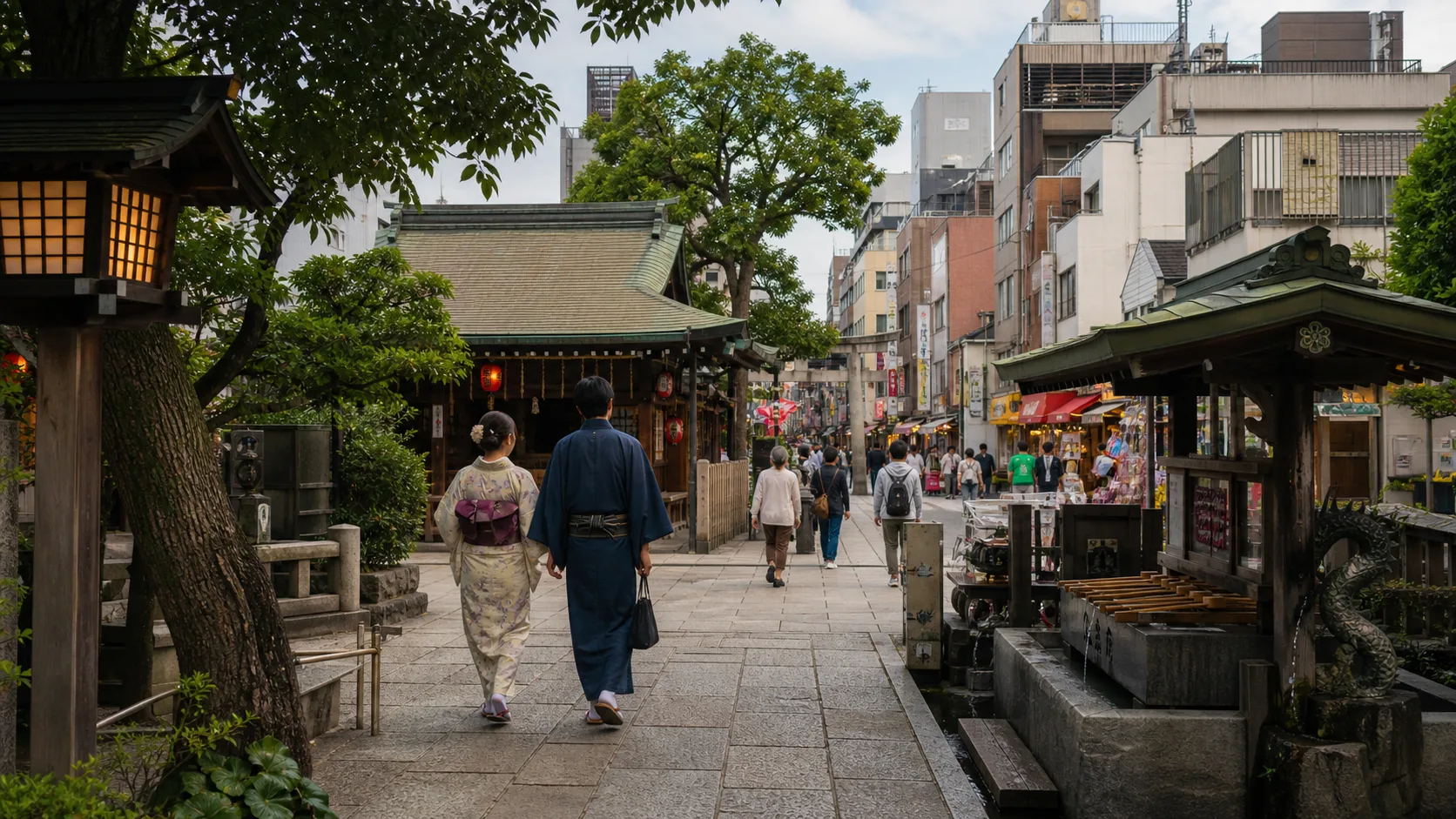
Tokyo is easy to enjoy and easy to get wrong on a first short trip. The city looks fast, but the best experience comes from slowing down just enough to understand the rhythm: how trains work, when to book timed-entry spots, what to do in temples and shops, and how to avoid wasting half a day in transit. If you are planning a brief visit, culture is not something you add after the sightseeing. It is the framework that helps you choose neighborhoods, routes, and even meal times.
1. Fast Answer
If you only have a short time in Tokyo, build the trip around one or two neighborhoods per day, use an IC card for almost all transport, and book any high-demand timed-entry attraction before you fly. That approach saves more time than trying to "see everything," and it fits a first-time visitor who wants culture without turning the trip into a checklist.
For most Singapore-based travelers, Tokyo works best as a compact city break because the transport system is predictable, the signs are usually clear, and the cultural differences are visible without being overwhelming. The main mistake first-timers make is assuming Tokyo is a sightseeing city in the same way as a museum capital. It is not. It is a city of routines, etiquette, and micro-neighborhoods. Once you understand that, you can move faster, spend less on avoidable taxis, and get more value from every hour.
A good short-trip plan usually includes one classic historic area, one modern district, and one low-pressure neighborhood for food or shopping. That gives you temples, street life, and current Tokyo in the same trip. The goal is not to "cover" Tokyo. The goal is to leave with a mental map that makes the city feel readable.
2. Context You Need
Tokyo is not a single cultural zone. It is a huge metropolitan area made up of neighborhoods that often feel like separate towns. A short trip becomes more enjoyable when you stop treating the city as one bucket of attractions and start reading it as a set of local habits: commuter flow, queue discipline, quiet train etiquette, seasonal food, and a strong respect for space.
That is why first-time visitors often feel more relaxed after their first full day. The city is not hard because it is confusing. It is hard because there are many small rules that locals follow automatically. Those rules are rarely written out, but they show up everywhere: on platforms, in convenience stores, at shrine entrances, in elevator behavior, and in how people eat, talk, and line up.
Tokyo also rewards planning in a way that is very different from a more free-form vacation. Many of the places that matter most to first-time travelers are not expensive, but they can be time-sensitive. Popular observation decks, theme restaurants, special exhibitions, and limited-entry cultural sites often use reservations or timed tickets. Even when a site is free, the line can be the real cost.
For a short trip, the cultural challenge is not learning "everything about Japan." It is learning enough about Tokyo to make good decisions quickly. That means understanding basic train etiquette, knowing when cash is still useful, recognizing which experiences need advance booking, and choosing areas that match your energy level. If you do that, Tokyo feels friendly instead of exhausting.
3. Step-by-Step Guide
Start with a simple neighborhood plan
The fastest way to ruin a short Tokyo trip is to build it like a global city marathon. Do not schedule Shibuya, Asakusa, Odaiba, Akihabara, Ginza, Ueno, Harajuku, and Tokyo Station all on the same day. Even when the map looks compact, the transfers and walking add up.
Instead, organize your trip by neighborhood clusters:
| Day type | Good areas to combine | Why it works |
|---|---|---|
| Classic Tokyo day | Asakusa + Ueno | Old Tokyo, temple culture, museums, easy rail links |
| Modern city day | Shibuya + Harajuku + Omotesando | Youth culture, design, shopping, people-watching |
| Food and nightlife day | Shinjuku + Golden Gai area + department-store basements | Easy dining choices, neon city energy, practical transport |
| Calm urban day | Ginza + Tokyo Station + nearby museums | More polished, less chaotic, good for a shorter pace |
Pick one cluster for the morning and one nearby cluster for the afternoon. If you have a third stop, make it optional rather than mandatory. Tokyo gives you more value from fewer, better-chosen stops.
Use the city like a local, not like a taxi tourist
Tokyo transit is built for volume, not for confusion. For a short trip, the best strategy is usually:
- Use one IC card for trains, subways, and many convenience-store purchases.
- Load enough balance for the day so you are not stopping at ticket machines repeatedly.
- Walk between nearby sights when the route is under 15 to 20 minutes.
- Reserve taxis for late night, heavy luggage, or when your hotel is far from the last train.
The cultural point here matters: Tokyo is a city where trains are normal, and taxis are a convenience, not the default. If you ride transit the way locals do, you also understand the city better. You notice station neighborhoods, platform flow, and the transition between business streets and residential blocks.
Learn the three etiquette basics first
You do not need a long etiquette manual. For a short trip, three habits matter most:
- Keep your voice low on trains and in temple spaces.
- Queue in order and wait your turn without drifting forward.
- Treat shrine and temple areas as active cultural spaces, not photo sets.
That does not mean you need to act stiffly. It means you should match the surrounding mood. In a packed station, be efficient. In a temple, be calm. In a department store, be precise and polite. In a casual ramen shop, be quick and observant. Tokyo feels smoother when your behavior changes with the setting.
Build your day around one key experience
A short Tokyo trip is better when each day has one anchor experience and a few easier stops around it. For example:
- Morning: temple or garden visit.
- Midday: lunch and a walk through a neighborhood shopping street.
- Afternoon: museum, observation deck, or design district.
- Evening: dinner, night views, or a relaxed bar or dessert stop.
This structure works because it creates a rhythm. Cultural sightseeing is strongest when it is paired with ordinary city life. A shrine visit becomes more memorable after you have walked through a market street. A museum visit lands better if you have a simple lunch and a quiet cafe afterward. A night view is more satisfying if you are not rushing from one train to the next.
Decide what kind of Tokyo experience you want
First-time visitors often say they want "culture," but Tokyo culture comes in several forms:
- Traditional culture: shrines, temples, gardens, tea, festivals, and older neighborhoods.
- Pop culture: anime districts, character stores, game centers, fashion streets.
- Everyday culture: convenience stores, train etiquette, station food, workday rhythms.
- Design culture: architecture, department stores, cafes, bookstores, and retail presentation.
If your trip is short, choose two of these as your main lens. That gives the trip a point of view. For example, a traveler who loves food and architecture can spend less time on pop culture and more on markets, department stores, and neighborhood cafes. A traveler who wants classic Japan can focus on temples, gardens, and traditional shopping streets.
Use a low-friction arrival sequence
On arrival day, do not force a full sightseeing schedule unless you land very early and already know how you handle jet lag. A better first day looks like this:
- Arrive and clear immigration.
- Pick up or activate your transit method.
- Check into your hotel or leave luggage.
- Visit one nearby neighborhood only.
- Eat early and keep the evening light.
This matters because Tokyo rewards people who are physically present and mentally alert. If you arrive overplanned and exhausted, you will spend your first night standing in lines, eating badly, and missing the atmosphere. If you keep the arrival day light, you start the trip in control.
Use the rule of "nearby, then farther"
When you plot a Tokyo day, list the sights by distance from your hotel and not just by category. That simple change makes the trip much easier:
- Begin with the closest attraction.
- Add a second stop within the same rail line or walking zone.
- Save one farther district only if energy and timing are good.
This is especially useful for first-time visitors staying in Shinjuku, Shibuya, or Tokyo Station areas. Those hubs are convenient, but they are also easy places to overbranch. A short trip improves when you stop asking "What should I see?" and start asking "What is already close enough to combine?"
Keep one flex slot every day
Tokyo is full of surprises: weather changes, queues, sold-out reservations, and sudden fatigue. Leave at least one flexible hour in each day for one of these:
- a cafe break,
- a random bookstore or shopping street,
- an extra shrine or garden,
- a meal that takes longer than expected,
- or a backup attraction if your first choice is crowded.
That buffer is not wasted time. It is what keeps the itinerary from breaking.
4. Costs, Hours, and Logistics
Tokyo can be a budget city or a premium city depending on how you move. For a short trip, the main costs usually come from transit, attraction tickets, meals, and convenience purchases rather than from major sightseeing fees.
What to expect on transport
Tokyo transit is usually paid by distance, so short rides are often cheap, and longer cross-city rides cost more. For most visitors, the practical choice is an IC card because it reduces friction on subways, trains, buses, and many station-area purchases. If you are moving across central Tokyo, the price difference between paper tickets and IC use is usually less important than the time saved.
For a short stay, an IC card is useful because it works as a tap-to-pay rhythm tool. You do not need to re-learn each station. You just tap, ride, and move on. That makes the city feel easier even if you only use it for a few days.
What to expect on opening hours
Tokyo is not open on one universal schedule. The city runs on layers:
- Temples and shrines may open early and close relatively early.
- Museums often have one or more closing days each week.
- Department stores usually open late morning and close in the evening.
- Restaurants can have lunch, afternoon, and dinner rhythms that differ by neighborhood.
- Observation decks and ticketed attractions often have timed entry or last-entry cutoffs.
Because of that, "hours" are not just a detail. They decide the shape of your day. A temple visit works well in the morning. A shopping district is better later in the day. A major attraction with a reservation should anchor the schedule so the rest of the day flows around it.
What to book ahead
For a short Tokyo trip, book these first if they matter to you:
- Popular observation decks or timed museums.
- Theme or character cafes.
- High-demand restaurants.
- Limited-seat cultural experiences.
- Any attraction where the official site recommends reservations.
If you are traveling in a busy season, booking ahead is not overplanning. It is how you protect the trip from queues. This is especially important if you only have two or three full days in Tokyo.
What you can usually leave flexible
These are often safe to keep open unless you have a strong preference:
- casual ramen or sushi meals,
- neighborhood cafes,
- general shopping,
- some local shrines and temples,
- wandering a district without a fixed endpoint.
That split is useful because it tells you where to spend your planning energy. Do not micromanage every meal. Do reserve the things that become difficult once they are popular.
Cash, cards, and payment habits
Tokyo is card-friendly, but not fully cashless in every setting. Small eateries, temple donations, vending machines, and some local shops may still expect cash or an IC card. For a short trip, the safest habit is to carry a modest amount of yen while relying on a card for larger expenses.
The cultural lesson is simple: do not be surprised if a tiny place runs on a different payment rhythm than a chain store. Tokyo is modern, but it is also practical. The city accepts a range of payment styles because it serves many kinds of businesses.
Seasonal logistics that matter
Summer heat and humidity can affect walking plans more than first-time visitors expect. Winter brings shorter daylight hours and colder platform waits. Cherry blossom and autumn foliage seasons increase crowd density in obvious and non-obvious ways. If your trip lands in a peak season, your biggest adjustment is usually not the price. It is the need to be more disciplined about timing.
For that reason, a culture-focused Tokyo trip is strongest when you begin early, break at midday, and return to a city-light evening rather than trying to stay outside continuously.
5. Variations and Edge Cases
If this is your first Japan trip
Keep Tokyo simple. Do not turn it into a "Japan sampler" with too many side trips. First-time visitors usually learn more by seeing how a single city works than by rushing between multiple regions. Tokyo gives you transport literacy, restaurant rhythm, and etiquette awareness fast enough that the rest of the country feels easier later.
If you are traveling with family
Children and slower walkers change the pacing more than the sightseeing list. Choose neighborhoods with easy station access, public toilets, and clear indoor fallback options. Department stores, museums, and larger parks often work better than long crossing routes. A family trip also benefits from earlier meals and fewer long rail transfers.
If you care most about food
Tokyo is a great short-trip food city if you accept a simple rule: the best meals are not always in the most famous districts. Keep a mix of planned meals and spontaneous snacks. Department-store basements, station buildings, and neighborhood shopping streets can be more efficient than chasing only headline restaurants.
If you care most about culture and history
Build around Asakusa, Ueno, and one or two quieter temple or garden stops. Then add one modern district only to balance the trip. This gives you a clearer story of the city: older religious spaces, postwar urban growth, and the current design-driven version of Tokyo. Without that balance, a short trip can feel like a series of disconnected scenes.
If your budget is tight
Tokyo does not need to be expensive if you choose carefully. The easiest savings usually come from:
- staying near a major rail hub,
- walking between nearby sights,
- using convenience-store meals strategically,
- avoiding unnecessary taxis,
- and skipping low-value souvenir purchases.
The city is also good for free or low-cost time if you enjoy neighborhoods, station architecture, shrine visits, and window shopping. Budget travel here works best when you spend on one memorable anchor each day and keep the rest simple.
If you are traveling in peak season
Peak season does not mean you should avoid Tokyo. It means you should reduce friction:
- book more in advance,
- start earlier,
- keep lunch flexible,
- and expect longer queues at famous spots.
The biggest mistake in peak season is building a fragile itinerary that collapses when one attraction is crowded. A better plan is resilient. It assumes a line, a delay, or a change, and it still works.
If you are not confident with Japanese
Tokyo is manageable with basic English, maps, and a polite attitude. Still, a short trip is easier if you learn a few practical phrases for ordering, thanking, and asking for help. You do not need fluency. You need enough courtesy to make interactions smoother and enough confidence to use signage and apps.
6. Mistakes to Avoid
- Overloading the schedule. Tokyo is not best experienced by counting attractions. Two well-chosen neighborhoods are better than six rushed ones.
- Treating transit like an obstacle. Trains are part of the culture, not just the way to reach culture.
- Ignoring timed-entry rules. Popular spots can be sold out or require advance booking, and that can shape the day.
- Wearing exhaustion as a plan. A short trip fails when every day runs late and every meal is chosen in a hurry.
- Confusing quiet with boredom. Shrines, station areas, and local streets can be the most revealing parts of the city.
- Assuming every place uses the same payment system or the same hours. Tokyo is organized, but not standardized in the way newcomers expect.
The easiest fix is to think in layers: one anchor activity, one nearby backup, one flexible end to the day. That alone removes most avoidable mistakes.
7. FAQ
How many days do I need for a first Tokyo trip?
Three full days is enough to get a useful first impression. Five days feels comfortable if you want one slower culture day and one shopping or food day. If you only have a short stopover, pick one neighborhood cluster per day and accept that you are sampling, not completing, the city.
Is Tokyo good for first-time visitors to Japan?
Yes. It is one of the easiest places in Japan to learn the basics of travel because transport is frequent, signage is relatively clear, and there is a wide range of hotel and restaurant styles. The challenge is not access. It is choice. Too many options can make a short trip feel scattered if you do not narrow the focus.
Do I need to book everything in advance?
No. You usually only need advance booking for high-demand attractions, popular restaurants, or timed-entry experiences. Leave ordinary meals and neighborhood wandering flexible. That balance keeps the trip efficient without making it rigid.
Should I use a pass or just pay as I go?
For a short Tokyo stay, paying as you go with an IC card is often the simplest option. Passes make sense only if your route is unusually heavy on transit and the math works out. The bigger win for short trips is convenience, not chasing a theoretical saving that adds complexity.
What should I wear in Tokyo?
Comfortable walking shoes matter more than anything else. Tokyo days often involve station corridors, sidewalks, stairs, and standing. Dress in a way that fits the season, but do not sacrifice mobility. A polished, simple outfit usually works better than something that looks good only in photos.
Is cash still necessary?
It is wise to carry some cash even if you use cards for most purchases. Smaller places, temple offerings, and occasional edge cases still make cash useful. You do not need a large amount, but having some yen prevents unnecessary friction.
What is the best way to experience Tokyo culture quickly?
Combine one traditional area, one modern area, and one everyday neighborhood moment. A temple visit alone is not enough. A shopping district alone is not enough. The culture of Tokyo becomes clearer when you see how locals move between them in a normal day.
8. Next Steps
The best next move is to turn your short Tokyo trip into a neighborhood-based plan, then check which anchor experiences need reservations. Start with one traditional area, one modern district, and one food or design stop, and keep one flexible hour each day so the trip can absorb delays without stress.
If you want the trip to feel smoother, build around transit hubs, not tourist labels. That will help you choose a hotel, pick your first-day route, and avoid overpacking the itinerary. Once those pieces are set, the rest of Tokyo becomes much easier to enjoy.
Related: japan-tokyo-short-trip-theme-park-and-family-ticket-guide
Related: japan-tokyo-short-trip-booking-guide-for-first-time-visitors
Related: japan-tokyo-short-trip-itinerary-for-singapore-travelers