Japanese Culture Guide: Customs, Etiquette & Dos and Don'ts for Travelers

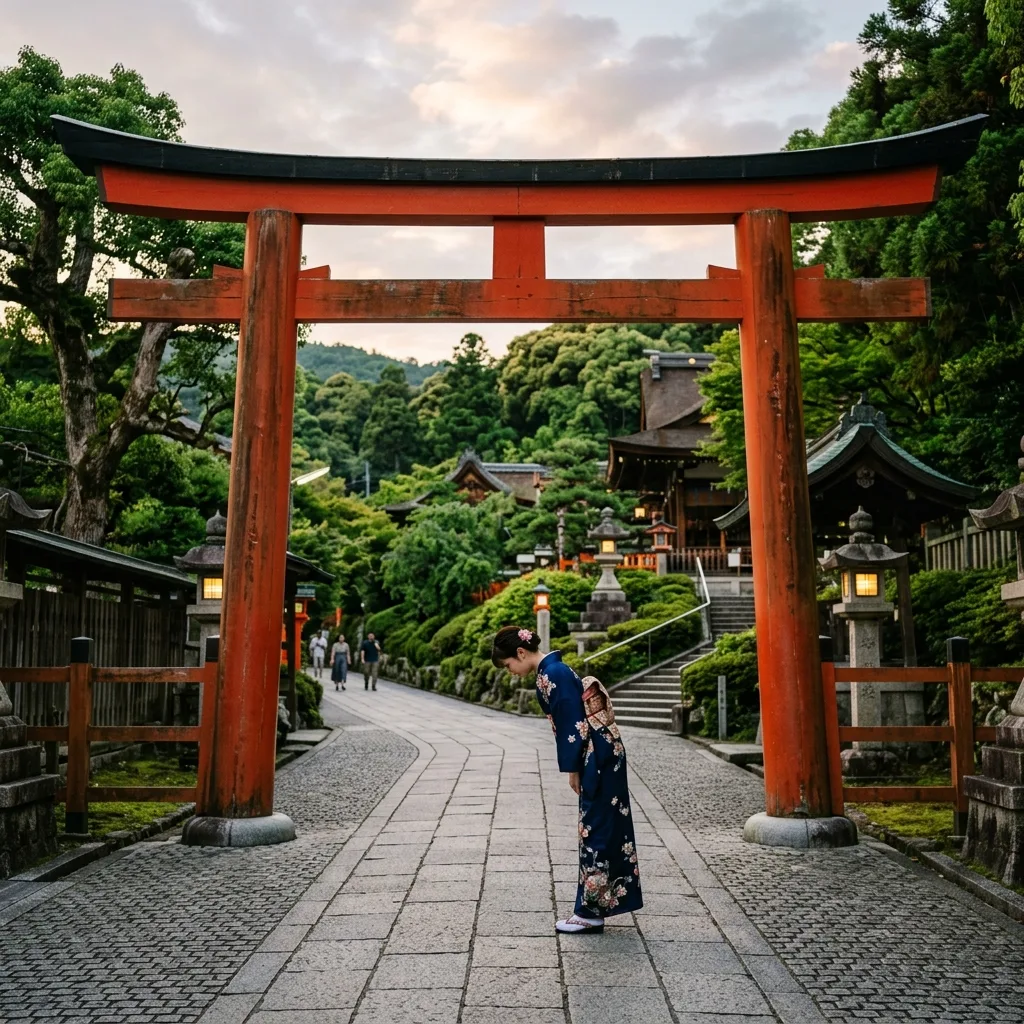
Navigating Japanese culture etiquette in Japan is easier when you understand the small cues that keep daily life smooth. The real challenge is usually knowing where to be quiet, where to take off your shoes, and how much formality the situation actually needs.
Introduction
Planning Japanese culture etiquette in Japan is rarely difficult because of a single major obstacle. The real problem is usually a collection of smaller decisions: when to go, how to book, what the local etiquette expects, and how to keep the trip from becoming more expensive or stressful than it needs to be. That is why a practical guide helps more than a checklist of trivia.
This article keeps the focus on the choices that matter to a traveler on the ground. Along the way, I have connected it to a few useful nearby reads such as Japan Accommodation Guide: Capsule Hotels, Ryokan & Budget Hostels, Japan 7-Day Itinerary: Tokyo-Kyoto-Osaka Golden Route Planner, and Street Food in Japan: Takoyaki, Crepes & Convenience Store Gems so you can move from one part of the trip to the next without guessing your way through the site.
Primary Topic Section
Japanese culture etiquette starts with tone, greeting, and how directly you answer simple questions is the part of Japanese culture etiquette that most visitors notice first, but the useful lesson is what it changes in real life. For travelers, that usually means a small adjustment in tone, timing, price expectations, or the way you ask a question.
Japanese social etiquette is fundamentally anchored in meiwaku o kakenai—the principle of avoiding being an inconvenience to those around you. When interacting with hotel front desks, station attendants, or restaurant staff, adopting a calm, measured vocal tone and beginning with an appreciative "Sumimasen" (excuse me) instantly establishes positive rapport.
Keep physical interactions composed and respectful. While a slight bow (eshaku) of approximately 15 degrees is the universal gesture of polite acknowledgment, handshakes are increasingly common with international guests. Avoid overly effusive physical gestures or intense, unblinking eye contact, which can feel uncomfortably aggressive in Japanese social contexts.
Indirect refusals and gentle corrections usually save everyone from unnecessary friction is the part of Japanese culture etiquette that most visitors notice first, but the useful lesson is what it changes in real life. For travelers, that usually means a small adjustment in tone, timing, price expectations, or the way you ask a question.
In Japanese communication, maintaining interpersonal harmony (wa) takes precedence over blunt directness. Directly saying "Iie" (no) is considered jarring and awkward; locals almost universally soften negative answers with phrases like "Chotto..." (it is a little difficult) accompanied by an apologetic tilt of the head or a gentle hand behind the neck.
If you need to decline a suggestion, cancel a reservation, or request a change, mirror this gentle indirectness. Explaining that your schedule is tight or asking "Would another time be possible?" allows service staff to assist you without anyone losing face or experiencing awkward tension.
Dining, toasting, and splitting costs can work very differently from what many visitors expect is the part of Japanese culture etiquette that most visitors notice first, but the useful lesson is what it changes in real life. For travelers, that usually means a small adjustment in tone, timing, price expectations, or the way you ask a question.
Japanese table manners include several non-negotiable customs. Before beginning any meal, clasping hands together and saying "Itadakimasu" expresses gratitude to the ingredients and the chef, while "Gochisousama deshita" at the end acknowledges the hospitality. Pouring your own beer or sake when dining with others is seen as neglectful; always top up your companion's glass first and allow them to reciprocate.
Chopstick taboos carry deep cultural weight. Never pass food directly from your chopsticks to someone else's (hashi-watashi), and never stick chopsticks vertically into a bowl of white rice (tsukitate-bashi), as both practices are reserved strictly for Buddhist funeral cremations. Rest your utensils neatly on the provided ceramic chopstick rest (hashioki) when not eating.
Shoes, seating, doors, and indoor boundaries matter more than most first-timers realize is the part of Japanese culture etiquette that most visitors notice first, but the useful lesson is what it changes in real life. For travelers, that usually means a small adjustment in tone, timing, price expectations, or the way you ask a question.
The boundary between the outside world (soto) and inside cleanliness (uchi) is demarcated by the genkan—the sunken entryway found in homes, traditional ryokan, temple tatami halls, and certain izakaya. Always step out of your street shoes in the lower area, step up onto the elevated wooden floor, and immediately slip into the indoor slippers provided.
When walking on woven straw tatami mats, remember that even indoor slippers must be removed. Walk only in socks or bare feet to protect the delicate rush weave. In ryokan and restaurants with communal bathrooms, switch into the specific dedicated restroom slippers placed inside the door, and be sure to swap back before returning to common hallways.
Secondary Topic Section
Public disagreement is usually better handled privately than in front of a group is the part of Japanese culture etiquette that most visitors notice first, but the useful lesson is what it changes in real life. For travelers, that usually means a small adjustment in tone, timing, price expectations, or the way you ask a question.
Expressing anger, shouting, or arguing aggressively in public is deeply frowned upon across Japan. Public confrontations cause severe discomfort to bystanders and force service staff into stressful deadlocks, as company protocols prioritize procedural correctness over heated verbal exchanges.
If an error occurs regarding train seating or hotel billing, address the situation calmly by presenting your receipt or confirmation screen to a senior manager away from waiting crowds. Speaking in an even, constructive tone and focusing on the factual discrepancy resolves issues far more swiftly than emotional venting.
Messaging and translation apps work best when the wording is concise and respectful is the part of Japanese culture etiquette that most visitors notice first, but the useful lesson is what it changes in real life. For travelers, that usually means a small adjustment in tone, timing, price expectations, or the way you ask a question.
When communicating across language barriers, written clarity is your greatest ally. Smartphone translation apps work best when you write short, direct sentences with clear subject-verb structures, avoiding colloquial expressions, sarcasm, or double negatives that trip up machine learning algorithms.
Politely showing the translated Japanese screen to store staff while offering a slight nod communicates courtesy. Most major transit hubs, department stores, and tourist information centers also feature multi-language touchscreens and pocket translation devices operated by multilingual staff.
Shoes off culture is not a single rule; it shows up in homes, ryokan, some restaurants, and a surprising number of small thresholds is the part of Japanese culture etiquette that most visitors notice first, but the useful lesson is what it changes in real life. For travelers, that usually means a small adjustment in tone, timing, price expectations, or the way you ask a question.
Public transit in Japan operates as a shared sanctuary of collective quiet. On commuter trains and subway cars, passengers switch their mobile phones to silent "manner mode" and strictly avoid voice calls, saving conversations for when they alight at their destination.
Keep personal discussions with traveling companions at a low whisper. Even small courtesies—such as placing bulky backpacks on overhead luggage racks or wearing them on your chest rather than your back in crowded cars—help maintain smooth transit flow for millions of daily commuters.
Train etiquette matters because quiet behavior, phone discipline, and queueing all keep crowded systems running smoothly is the part of Japanese culture etiquette that most visitors notice first, but the useful lesson is what it changes in real life. For travelers, that usually means a small adjustment in tone, timing, price expectations, or the way you ask a question.
Following the 1995 Tokyo subway attacks, public garbage cans were largely removed from Japanese streets and train stations as a security measure, creating a culture where individuals are personally responsible for their own litter (gomi o mochikairu).
Carry a small plastic bag in your daypack to hold snack wrappers, used napkins, and wet wipes until you return to your hotel room. The blue and green recycling receptacles stationed beside roadside vending machines are exclusively for aluminum cans and plastic PET bottles, not general waste.
Practical Guide
A good practical plan for Japanese culture etiquette starts with the parts that affect cost, timing, and convenience. In Japan, that usually means deciding whether the experience works better as a same-day outing, a half-day visit, or a booking that is tied to a larger itinerary.
- A Japan trip runs more smoothly when you learn the difference between a casual convenience-store stop and a more formal meal or lodging setting.
- If you need help, use short, specific questions instead of long explanations; many service interactions are designed around clarity and speed.
- The best budget move is often not dramatic. It is just choosing the right meal format, the right transport pass, and the right neighborhood before you arrive.
- If you want one rule to anchor the day, remember that quiet competence tends to be appreciated more than visible effort to impress.
Keep transit and public spaces noticeably quiet by setting phones to manner mode and holding conversational volume to a discreet whisper on trains and buses. Punctuality is taken seriously across Japan: if you have booked a restaurant table, tea ceremony, or guided walking tour, plan to arrive five minutes early, as arriving late often results in your table or spot being released without refund.
Essential Japanese Customs Quick Reference
| Context | Proper Etiquette | Common Faux Pas |
|---|---|---|
| Dining & Chopsticks | Say Itadakimasu before eating; place chopsticks on the ceramic rest (hashioki). | Sticking chopsticks upright in rice or passing food chopstick-to-chopstick. |
| Indoor Footwear | Remove shoes at the genkan; step into house slippers; remove slippers on tatami mats. | Stepping on tatami with slippers or forgetting to switch into dedicated toilet slippers. |
| Trains & Subways | Set phones to silent manner mode; keep voices to a low murmur; hold backpacks in front. | Answering voice calls onboard or blocking busy boarding doors during rush hour. |
| Trash Disposal | Carry waste in a pocket bag back to your hotel; sort bottles into vending bin slots. | Stuffing food waste or coffee cups into narrow PET bottle recycling holes. |
| Shrine & Temple Worship | Bow twice, clap twice, pray, bow once at shrines; pray silently with hands clasped at temples. | Clapping loudly at a Buddhist temple or taking flash photos of sacred altar statues. |
Tips & Common Mistakes
The easiest mistakes around Japanese culture etiquette usually come from assuming the rules are either stricter or looser than they really are. In practice, the gap is usually somewhere in between: local expectations are real, but they are often straightforward once you slow down and watch what people actually do.
- Do not assume a crowded city behaves exactly like a rural town; the pace and expectations can shift quickly.
- Avoid turning every local custom into a performance. A small, sincere adjustment is usually better than overacting politeness.
Queue lines on train platforms and outside popular ramen shops follow marked painted lanes on the ground; always join the back of the line rather than hovering near the door or having one person hold spots for a large group. At casual eateries using vending ticket machines (shokkenki), buy your meal ticket before sitting down, place it on the counter, and pour your own water from the self-serve pitcher.
FAQ
What is the biggest etiquette priority?
Respect the space you are in. If you keep your voice low, stay aware of shoes and queueing, and match the local pace, you will cover most situations successfully.
What if I make a mistake?
Correct it quickly and calmly. Most people respond better to a quiet adjustment than to a long apology loop.
Do I need to be overly formal?
No. Japanese settings often reward quiet attentiveness more than stiffness. The goal is to be considerate without becoming unnatural.
Is it okay to ask for help?
Yes, as long as the request is short and specific. A clear question is usually appreciated more than guessing silently and getting lost.
Conclusion
The best way to approach Japanese culture etiquette is to treat it as a set of small decisions that all work together: timing, etiquette, booking, budget, and how much flexibility you leave in the day. If you want to keep planning, the most useful next reads are Japan Accommodation Guide: Capsule Hotels, Ryokan & Budget Hostels, Japan 7-Day Itinerary: Tokyo-Kyoto-Osaka Golden Route Planner, and Street Food in Japan: Takoyaki, Crepes & Convenience Store Gems, because they help turn this guide into a complete itinerary instead of an isolated decision.
Temple and shrine visits are easier when you stay observant, keep your tone low, and avoid treating the place like a photo set is the part of Japanese culture etiquette that most visitors notice first, but the useful lesson is what it changes in real life. For travelers, that usually means a small adjustment in tone, timing, price expectations, or the way you ask a question.
Visiting Shinto shrines (jinja) and Buddhist temples (otera) requires mindful decorum. At shrines, bow once before passing under the vermilion torii gate and walk along the outer edges of the pathway, reserving the center for the kami (deities). Purify your hands and mouth at the temizuya water pavilion before approaching the main altar.
Worship at a Shinto shrine follows the classic ritual: bow twice deeply, clap your hands twice to summon the spirit, pray in silence, and finish with one final deep bow. In Buddhist temples, by contrast, offer incense and pray quietly with hands pressed together (gassho) without clapping.
Cash is still useful enough that you should not depend on a card alone, especially outside the biggest hubs is the part of Japanese culture etiquette that most visitors notice first, but the useful lesson is what it changes in real life. For travelers, that usually means a small adjustment in tone, timing, price expectations, or the way you ask a question.
While credit cards, Apple Pay, and IC cards (Suica, Pasmo, Icoca) are widely accepted across convenience stores, department stores, and major train networks, Japan remains a cash-friendly society in traditional and rural settings. Guesthouses, temple entrance booths, coin lockers, and small neighborhood noodle bars often operate cash-only.
Keep 10,000 to 20,000 JPY in cash in your wallet at all times for small transactions. 7-Eleven and Lawson convenience store ATMs (Seven Bank) reliably accept international foreign debit and credit cards with minimal withdrawal surcharges 24 hours a day.
Additional Notes
A useful final lens for Japanese culture etiquette is that the experience becomes much easier once you stop treating it as a single decision and start treating it as a sequence. When you know what the next conversation, booking step, or arrival detail is supposed to do, you can move through the day with less friction and fewer surprises.
Distinguish between social customs that invite polite consideration and firm rules that carry strict enforcement. While forgetting to separate plastic bottle caps at a trash station or holding chopsticks improperly is seen as a mild social faux pas that locals gently overlook for tourists, smoking outside designated street booths, jaywalking across marked intersections, or trespassing onto private residential alleys in Kyoto's geisha districts incurs official fines and immediate reprimands.