Japan 7-Day Itinerary: Tokyo-Kyoto-Osaka Golden Route Planner

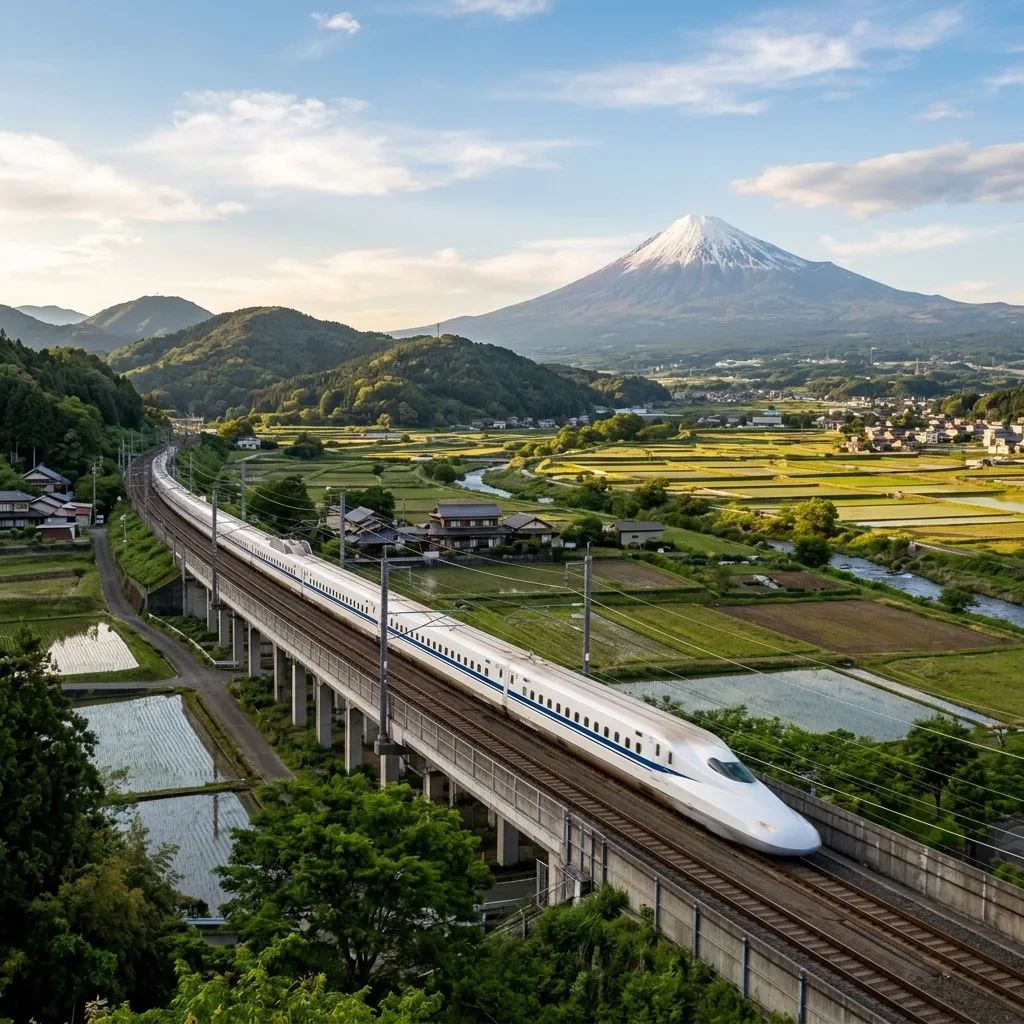
Japan beckons with its captivating blend of ancient traditions and futuristic marvels, a dream destination for countless travelers. But how do you maximize your experience when you have limited time? This guide unravels the iconic Tokyo-Kyoto-Osaka "Golden Route," meticulously planning a 7-day itinerary designed for first-time visitors who want to immerse themselves in Japan's vibrant culture, serene landscapes, and bustling cityscapes without feeling rushed. Get ready to navigate Japan's efficient transport, savor exquisite cuisine, and uncover hidden gems, all while staying ahead of the latest 2026 travel regulations.
Introduction
Venturing into Japan for the first time is an exhilarating prospect, but with so much to see and do, crafting the perfect itinerary can feel overwhelming. This comprehensive 7-day itinerary is your ultimate golden route planner, meticulously designed to guide you through the heart of Japan’s most iconic cities: the electrifying metropolis of Tokyo, the cultural treasure trove of Kyoto, and the culinary paradise of Osaka. We'll ensure you experience the best of each destination, from ancient temples and tranquil gardens to neon-lit streets and world-class dining, all while incorporating the latest 2026 travel updates for a seamless and stress-free adventure.
This guide provides a detailed day-by-day breakdown for your 7-day Japan trip, ensuring you make the most of your time in Tokyo, Kyoto, and Osaka. We cover essential travel tips, transportation advice, cultural etiquette, and crucial updates on entry requirements, taxes, and airport procedures for 2026, helping you plan an unforgettable and efficient journey.
Visa & Entry Requirements (2026 Updates)
Staying informed about Japan's entry regulations is crucial for a smooth journey. As of April 2026, Japan continues its welcoming policy for tourists, with several key updates to note. Citizens from over 70 countries, including the United States, United Kingdom, Canada, Australia, and most European Union nations, can still enjoy visa-free entry for short-term tourism, typically up to 90 days. This allows for a straightforward visit without the need for extensive paperwork beforehand.
For travelers from countries requiring a visa, Japan has significantly expanded its eVISA system. This digital application process streamlines obtaining a single-entry 90-day tourist visa, making it more convenient than ever to apply from home. A highly anticipated Japan Electronic System for Travel Authorization (JESTA), similar to the ESTA in the US, is under development; however, it is important to note that JESTA is not yet required in 2026. Its implementation is currently projected for 2028 or 2029, so you won't need to factor this into your immediate travel plans. Furthermore, as of early 2026, all COVID-19-related entry protocols have been lifted. This means there are no requirements for proof of vaccination, pre-travel testing, or quarantine upon arrival, allowing for a return to pre-pandemic travel ease.
Airport Procedures: Navigating Japan with Visit Japan Web
Upon arrival in Japan, the process has become significantly more efficient, largely thanks to the Visit Japan Web (VJW) platform. This online service is now the "gold standard" for entry, allowing travelers to register their immigration and customs details digitally before departure. It is highly recommended to complete your VJW registration and generate your unique QR code prior to your flight, ideally at least 6 hours before landing. This crucial step ensures your information is synced with airport systems, preventing potential delays.
A major enhancement for 2026 is the widespread rollout of "Joint Kiosks" at Japan's primary international airports, including Narita (NRT), Haneda (HND), and Kansai (KIX). These innovative self-service machines allow you to complete both immigration and customs procedures at a single station, using your pre-generated VJW QR code. This integration dramatically reduces processing times, helping you clear formalities much faster and begin your Japanese adventure sooner. Travelers should prepare by having their smartphones fully charged with the VJW QR code readily accessible, or a printed copy as a backup.
New Taxes & Financial Updates (2026)
Understanding the financial landscape of travel in Japan in 2026 is essential for budget planning. Several new taxes and reforms have come into effect that travelers should be aware of.
Firstly, prepare for an increase in the International Tourist Tax (Departure Tax). Effective July 1, 2026, this tax will triple from its previous ¥1,000 to ¥3,000 per person. This charge is typically incorporated into your airfare when you purchase your flight tickets, so you might not notice it as a separate fee at the airport, but it's an important change to acknowledge in your overall travel costs.
Secondly, a significant reform to Tax-Free Shopping will take effect on November 1, 2026. Japan is transitioning from an immediate point-of-sale discount system to a refund-based system. This means you will initially pay the full price for eligible tax-free goods, including the consumption tax, at the store. You will then claim your tax refund at a designated counter, usually located at the airport, upon your departure from Japan. Keep this in mind when shopping for souvenirs and high-value items, as the refund process will require an extra step before leaving the country.
Lastly, travelers planning to visit Kyoto should be aware of a tiered Kyoto Accommodation Tax, which has been in effect since March 1, 2026. This tax varies based on the nightly rate of your accommodation. While budget stays may incur a modest charge of around ¥200 per night, luxury accommodations could see a significant tax of up to ¥10,000 per night. It's advisable to check with your chosen accommodation provider in Kyoto for the exact tax amount to include in your budget.
Transportation & Luggage Essentials
Navigating Japan’s world-renowned public transportation system is a highlight of any trip, and a few updates for 2026 will ensure your travels are smooth.
The Shinkansen (bullet train) remains the most efficient way to travel between major cities like Tokyo, Kyoto, and Osaka. A crucial rule to remember pertains to oversized baggage. If your luggage's total dimensions (length + width + height) exceed 160cm, you must make a reservation for a seat with an accompanying oversized luggage area. Failure to do so can result in a ¥1,000 fine and the inconvenience of having your bags relocated to a different storage area on the train. Always check your luggage dimensions and reserve accordingly, especially if you're traveling with large suitcases.
Regarding cashless payments on local transport, physical Suica and PASMO IC cards remain scarce due to global chip shortages. Travelers are strongly encouraged to utilize Mobile Suica or Mobile PASMO on their smartphones (compatible with Apple Pay and Google Pay) for seamless tapping on trains and buses. Alternatively, the "Welcome Suica" card can be purchased at major airports upon arrival, designed specifically for short-term visitors and valid for 28 days.
The Japan Rail Pass (JR Pass Guide 2026: Is It Worth It and Which Type to Buy), while still available, continues to reflect the higher price points established in late 2023. For many itineraries, particularly shorter ones like a 7-day trip focusing on the Golden Route, point-to-point tickets or regional passes (such as the Kansai Thru Pass for Kyoto/Osaka) may offer better value than the nationwide JR Pass. Carefully calculate whether the JR Pass aligns with your specific travel plans, considering the number and length of your train journeys.
Important Safety & Tech Rules
Beyond the practicalities of travel, a couple of new rules for 2026 are worth noting for your safety and convenience.
A new safety regulation, effective April 2026, prohibits the use of power banks during flights to Japan. While power banks are still permitted in your carry-on luggage, they must remain turned off and cannot be used to charge any devices while the aircraft is in the air. Ensure your devices are fully charged before boarding, or plan to charge them once you land.
For those dreaming of climbing Japan's iconic Mount Fuji, be aware of stricter entry controls and new climbing fees. To manage overtourism and enhance safety on the Yoshida Trail, visitors can expect to pay an approximate ¥2,000 climbing fee, in addition to other regulations designed to protect the natural environment and ensure a safe experience for all hikers.
Pro Tip: Japan's increasingly digital infrastructure means your smartphone is an indispensable tool. Ensure it's fully charged and equipped with an eSIM or a local physical SIM card upon arrival. This will facilitate smoother navigation, translation, and interaction with various digital services during your trip.
The Ultimate 7-Day Japan Golden Route Itinerary
This itinerary is designed for efficiency, balancing must-see sights with immersive cultural experiences, ensuring a memorable first trip to Japan.
Day 1: Arriving in Tokyo – Shinjuku's Neon Glow
- Morning/Afternoon: Arrive at Narita (NRT) or Haneda (HND) International Airport. Complete immigration and customs using your Visit Japan Web QR code at the Joint Kiosks for a swift process.
- Transport to City: Activate your Mobile Suica/PASMO or purchase a Welcome Suica. Take the Narita Express (N'EX) to Shinjuku Station (approx. 60-90 min from NRT) or the Keikyu Line/Limousine Bus from HND.
- Check-in: Settle into your accommodation in Shinjuku, a vibrant district known for its towering skyscrapers, bustling entertainment, and diverse dining.
- Evening: Explore Shinjuku Gyoen National Garden for a tranquil escape (check closing times). Ascend the Tokyo Metropolitan Government Building for free panoramic night views of the city.
- Dinner: Dive into the energetic atmosphere of Shinjuku Golden Gai or Omoide Yokocho ("Memory Lane") for an authentic izakaya experience.
Day 2: Tokyo's Traditions & Trends – Asakusa, Shibuya & Harajuku
- Morning: Immerse yourself in old Tokyo at Asakusa. Visit the iconic Senso-ji Temple, Tokyo's oldest temple, and stroll through the Nakamise-dori market.
- Lunch: Enjoy traditional street food around Asakusa.
- Afternoon: Experience the youthful energy of Harajuku. Explore Takeshita Street's quirky fashion and visit the serene Meiji Jingu Shrine, dedicated to Emperor Meiji.
- Late Afternoon: Head to Shibuya. Witness the famous Shibuya Crossing, a mesmerizing symphony of humanity.
- Evening: Explore the shops and vibrant nightlife of Shibuya. Consider a visit to a themed café or enjoy dinner at one of the many diverse restaurants.
Day 3: Tokyo's Diverse Districts – Tsukiji/Toyosu, Imperial Palace & Ginza
- Morning: Early start to experience the Toyosu Fish Market. While the famous tuna auction moved from Tsukiji, you can still observe the market's operations from observation decks and enjoy fresh seafood for breakfast. Alternatively, visit the Outer Market of the original Tsukiji Market for a more traditional market vibe and fresh sushi.
- Late Morning: Stroll through the tranquil East Garden of the Imperial Palace (closed on Mondays and Fridays).
- Lunch: Indulge in high-end dining or a department store food hall in Ginza.
- Afternoon: Explore Ginza, Tokyo's upscale shopping district, renowned for luxury boutiques and department stores.
- Evening: Enjoy a traditional Kabuki performance (check schedules and book in advance) or a relaxing dinner in Ginza.
Day 4: Journey to Kyoto – Ancient Temples & Geisha Districts
- Morning: Enjoy a final Tokyo breakfast. Head to Tokyo Station.
- Travel to Kyoto: Take the Shinkansen bullet train to Kyoto Station (approx. 2.5 hours). Remember to reserve seats with oversized luggage areas if needed.
- Check-in: Settle into your Kyoto accommodation.
- Afternoon: Begin your Kyoto exploration with Fushimi Inari-taisha Shrine, famous for its thousands of vermilion torii gates winding through a forest.
- Late Afternoon: Discover Gion, Kyoto’s most famous geisha district. Stroll along Hanami-koji Street in hopes of spotting a geiko or maiko.
- Evening: Enjoy a traditional Kaiseki dinner or explore local eateries in Gion. Be mindful of the Kyoto Accommodation Tax, which will be added to your stay.
Day 5: Kyoto's Serenity & Scenery – Arashiyama & Kinkaku-ji
- Morning: Journey to Arashiyama. Walk through the breathtaking Arashiyama Bamboo Grove, visit Tenryu-ji Temple (a UNESCO World Heritage site), and cross the Togetsukyo Bridge.
- Lunch: Enjoy lunch with views of the Hozugawa River.
- Afternoon: Visit Kinkaku-ji (Golden Pavilion), a stunning Zen temple covered in gold leaf.
- Late Afternoon: Explore Ryoan-ji Temple, famous for its enigmatic rock garden.
- Evening: Relax or explore other parts of Kyoto at your leisure.
Day 6: Day Trip to Nara & Onward to Osaka
- Morning: Take a short train ride (approx. 45 minutes) to Nara.
- Nara Park: Spend the morning interacting with the friendly wild deer that roam freely in Nara Park.
- Todai-ji Temple: Visit Todai-ji Temple, home to a massive bronze Buddha statue.
- Lunch: Enjoy local specialties in Nara.
- Afternoon: Return to Kyoto, collect your luggage, and take the Shinkansen (a quick 15-minute ride) to Osaka.
- Check-in: Settle into your Osaka accommodation.
- Evening: Dive into the vibrant nightlife and culinary scene of Dotonbori, Osaka’s famous entertainment district. Enjoy street food, neon lights, and the iconic Glico Man sign.
Day 7: Osaka's Energy & Departure
- Morning: Visit Osaka Castle, a magnificent reconstruction offering historical insights and panoramic city views from its main tower.
- Late Morning: Explore the eclectic Shinsekai district, with its retro charm and Tsutenkaku Tower.
- Lunch: Indulge in Osaka’s famous dishes like takoyaki and okonomiyaki.
- Afternoon: Depending on your flight schedule, do some last-minute souvenir shopping or visit Umeda Sky Building for impressive city vistas.
- Departure: Head to Kansai International Airport (KIX). Ensure your power bank is turned off for the flight. Complete your tax refund at the airport if you have eligible purchases, as per the new 2026 refund-based system.
Practical Guide: Essential Tips for Your Japan Trip
Hours, Admission & Prices
- Temples & Shrines: Most open early (7-9 AM) and close by 4-5 PM. Admission fees vary, typically ¥300-¥600 per site. Always check official websites for current hours, especially during holidays or special events.
- Museums & Attractions: Generally open 10 AM-5 PM, with some closing one day a week (often Monday). Prices range from ¥500-¥2,000.
- Shinjuku Gyoen National Garden: Check seasonal opening and closing times; typically around ¥500 entry.
- Tokyo Metropolitan Government Building: Free observation decks, open late (usually until 10:30 PM).
- Toyosu Fish Market: Observation decks open early (around 5 AM) for the auction. Various shops and restaurants have different hours.
- Mount Fuji: Climbing season is usually July to early September. Stricter entry controls and an approximate ¥2,000 climbing fee (as of 2026) are in place for the Yoshida Trail.
How to Get Around
- Train System: Japan's train network is incredibly efficient. Google Maps is your best friend for navigation, showing exact train lines, platforms, and journey times.
- IC Cards (Suica/PASMO): Highly recommended for local train and bus travel. Use Mobile Suica/PASMO on your smartphone. Physical cards are scarce, but "Welcome Suica" is available at airports for visitors.
- Shinkansen (Bullet Train): Essential for inter-city travel (Tokyo-Kyoto-Osaka). Purchase tickets in advance, especially for popular routes or during peak seasons. Remember the oversized luggage rule – reserve a special seat if your bag exceeds 160cm total dimensions.
- JR Pass: Evaluate carefully. For a 7-day Golden Route, point-to-point tickets often provide better value since the price increase. Consider regional passes if you plan extensive travel within a specific area.
Booking Links (If Applicable)
- Shinkansen Tickets: Can be booked via JR Pass official website (if using pass), or JR East/JR Central/JR West websites for individual tickets. Third-party sites like Klook also offer convenient booking.
- Accommodation: Use major booking platforms (Booking.com, Agoda) or direct hotel websites.
- Cultural Experiences: For tea ceremonies, cooking classes, or specific tours, platforms like Klook, Viator, and MyRealTrip offer a wide selection. Official websites for attractions also provide booking options.
Tips & Common Mistakes
What Most Guides Miss
- The 6-Hour Visit Japan Web Rule: While registering for VJW is common advice, many overlook the recommendation to complete it at least 6 hours before landing. This ensures your data is fully synced and ready for the Joint Kiosks at major airports, significantly speeding up your entry process.
- Power Bank Ban on Flights: The 2026 ban on using power banks during flights to Japan is a critical but often missed detail. Ensure your devices are charged beforehand.
- Kyoto Accommodation Tax Tiers: While Kyoto's accommodation tax is known, the significant tiered increase for luxury stays (up to ¥10,000 per night) can catch travelers off guard. Factor this into your budget if opting for higher-end hotels.
- The Nuance of JR Pass Value (2026): With the price hike, the JR Pass is no longer a guaranteed money-saver for every itinerary, especially shorter ones. Always do the math for your specific route.
- Escalator Etiquette: Stand on the left in Tokyo and right in Osaka/Kyoto. It’s a small detail but shows respect for local customs.
Insider Advice
- Embrace Konbini (Convenience Stores): Japan's konbini (7-Eleven, FamilyMart, Lawson) are culinary havens. They offer delicious, fresh, and affordable meals, snacks, and drinks – perfect for quick breakfasts, lunches, or late-night bites.
- Carry Cash (Yen): While card payments are increasingly accepted, many smaller establishments, especially in traditional areas or smaller towns, are cash-only. Always have some Japanese Yen on hand.
- Learn Basic Phrases: Even a few basic Japanese phrases (e.g., Arigato gozaimasu - Thank you, Sumimasen - Excuse me/Sorry, Konnichiwa - Hello) will greatly enhance your interactions and are appreciated by locals.
- Portable Wi-Fi or eSIM: Essential for navigation, translation, and staying connected. An eSIM offers immediate connectivity upon arrival without needing to swap physical cards.
- Practice Shoe Etiquette: You'll frequently remove your shoes at temples, traditional restaurants, ryokans, and some homes. Wear shoes that are easy to slip on and off, and ensure your socks are hole-free!
Common Mistakes to Avoid
- Overpacking: Japan has excellent coin laundries, and traveling light makes navigating crowded train stations and cities much easier. Remember the Shinkansen oversized baggage rules.
- Ignoring Reservations: Popular restaurants, themed cafes, and cultural experiences (like specific tea ceremonies) can book out weeks or even months in advance. Make reservations where possible.
- Underestimating Walking: You’ll do a lot of walking in Japan. Wear comfortable shoes.
- Tipping: Tipping is not customary in Japan and can even be considered rude. Excellent service is standard and not rewarded with extra money.
- Loud Conversations on Public Transport: Be mindful of others; keep conversations and phone use to a minimum volume on trains and buses.
FAQ
Q1: Is 7 days enough for Tokyo, Kyoto, and Osaka?
A1: While 7 days is a compact period, this itinerary is specifically designed to allow you to experience the highlights of Tokyo, Kyoto, and Osaka effectively. It requires efficient travel and careful planning but offers a fulfilling introduction to Japan's Golden Route.
Q2: What's the best way to get from Tokyo to Kyoto?
A2: The Shinkansen bullet train is by far the fastest and most convenient way to travel between Tokyo and Kyoto, taking approximately 2.5 hours. Remember to book your tickets in advance and consider the oversized luggage rules.
Q3: Do I need cash in Japan, or are credit cards widely accepted?
A3: While major hotels, department stores, and larger restaurants accept credit cards, it's highly advisable to carry Japanese Yen. Many smaller shops, traditional eateries, and some attractions are cash-only. Convenience stores also offer ATMs for cash withdrawals.
Q4: Are there any specific cultural etiquettes I should be aware of?
A4: Yes, several. Always remove your shoes when entering homes, temples, and some restaurants. Bowing is a common greeting and sign of respect. Avoid eating or drinking while walking on the street. Be quiet and reserved on public transportation. Tipping is not customary.
Q5: What should I do about mobile internet in Japan?
A5: A portable Wi-Fi device or an eSIM are the best options for reliable internet access. An eSIM is particularly convenient as it can be activated immediately upon arrival, providing seamless navigation and communication throughout your trip.
Conclusion
Embarking on a 7-day journey through Japan's Golden Route—Tokyo, Kyoto, and Osaka—promises an unforgettable tapestry of experiences, from the hyper-modern pulse of Shibuya to the serene beauty of Kyoto's temples and the culinary delights of Dotonbori. By leveraging efficient planning, understanding the latest 2026 travel updates on entry, taxes, and transportation, and embracing local customs, you're well-equipped to create cherished memories. This itinerary is more than just a guide; it's an invitation to explore a country where every corner holds a new wonder. So pack your bags, prepare your Visit Japan Web QR code, and get ready for the adventure of a lifetime.
Ready to explore Japan's Golden Route? Start planning your dream 7-day adventure today and immerse yourself in a journey where ancient traditions meet future innovations!