Pocket WiFi vs SIM Card in Japan: Best Picks for 2026 Travelers

Introduction
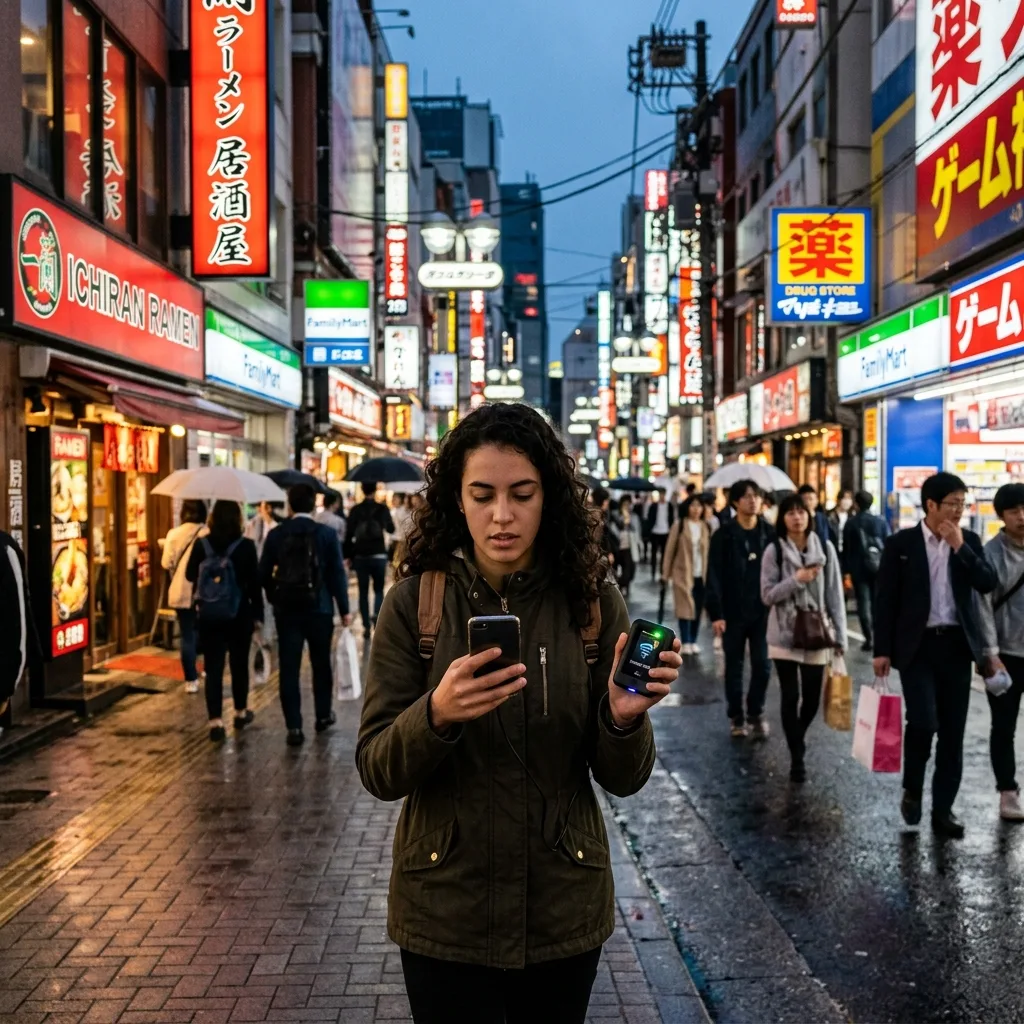
Staring at a map in a bustling Tokyo subway station, trying to translate a menu in Kyoto, or sharing your incredible Mount Fuji view with friends back home—staying connected is essential for a smooth and enjoyable trip to Japan. But before you even pack your bags, a critical question arises: should you opt for a Pocket WiFi device or a local SIM card?
This guide will demystify the options for internet access in Japan in 2026, helping you understand the pros, cons, costs, and best providers for both Pocket WiFi and SIM cards. By the end, you'll be equipped to make the best choice for your travel style and ensure you're always connected, wherever your Japanese adventure takes you.
Quick Comparison Table: Pocket WiFi vs. SIM Card vs. eSIM (2026)
To provide an immediate overview, here's a quick comparison of the three primary internet access options for your 2026 Japan trip:
| Feature | eSIM (Best for Solos) | Pocket WiFi (Best for Groups) | Physical SIM (Best for Unlocked Phones) |
|---|---|---|---|
| Best For | Solo travelers, couples, modern phones | Families, groups (3+ people), multiple devices (laptops, tablets) | Users needing a local Japanese number, older phones that don't support eSIM |
| Cost (7 Days) | $10 – $35 USD | $40 – $70 USD | $25 – $45 USD |
| Setup | Instant (QR Code scan), no physical handling | Airport pickup, hotel delivery, or home delivery (pre-booking essential) | Physical swap of your home SIM; requires phone to be unlocked |
| Hardware | None (uses your phone's built-in eSIM) | Dedicated portable router + Power bank (often included) | None (uses your phone) |
| Sharing | Possible via personal hotspot (drains battery quickly) | Easy to share with multiple devices simultaneously | Possible via personal hotspot (drains battery quickly) |
| Battery Life | Relies on your phone's battery | 8-12 hours of dedicated battery life | Relies on your phone's battery |
| Home Number | Retains your home number (dual SIM functionality) | Retains your home number | Loses home number (unless dual SIM) |
| Data Plans | Fixed GB packages (e.g., 5GB, 10GB, 20GB) | Often "unlimited" with fair usage policies | Fixed GB packages |
| Best Networks | SoftBank, KDDI (au) | SoftBank, Docomo, WiMAX | SoftBank, Docomo |
Pocket WiFi: The Shared Connection Solution
Pocket WiFi devices are portable routers that provide a personal Wi-Fi hotspot, allowing multiple devices (smartphones, tablets, laptops) to connect to the internet simultaneously.
Pros:
- Shareable: Ideal for groups or families, as everyone can connect to a single device.
- Unlimited Data (often): Many plans offer unlimited 4G/5G data, though fair usage policies may apply (speed throttling after a certain threshold).
- Device Agnostic: Works with any Wi-Fi-enabled device, regardless of whether it's locked to a specific carrier.
- Convenience: Pick up at the airport, hotel, or have it delivered to your accommodation. Return is usually easy via post.
- Battery Life: Generally good, offering 8-12 hours of continuous use, with power banks always an option.
Cons:
- Extra Device: One more gadget to carry and keep charged.
- Single Point of Failure: If the device's battery dies or it gets lost, everyone loses connection.
- Physical Range: Users need to stay within range of the device to access Wi-Fi.
- Initial Cost: Typically requires a rental fee, and sometimes a deposit, though prices are competitive.
Considerations for Pocket WiFi in 2026
- Battery Management: While most devices offer 8-12 hours of continuous use, heavy usage (e.g., streaming, multiple connected devices) or older models might drain faster. Always carry a portable power bank or ensure you have charging opportunities throughout the day.
- Fair Usage Policies (FUP): Even "unlimited" plans often come with FUP. While designed to prevent abuse, be mindful that excessive data consumption within a short period might lead to temporary speed throttling. For most tourists, this is rarely an issue.
- Device Models: Look for providers offering newer models that support 5G for faster speeds in urban areas. Check the device specifications before booking.
- Damage/Loss Protection: Consider purchasing insurance offered by the rental company. Replacing a lost or damaged device can be costly.
Key Facts & Top Providers for 2026:
- Rental Costs: For 2026, expect rental costs to typically range from ¥600 to ¥1,200 per day (approximately $4-$8 USD) for unlimited 4G/5G data plans. Prices can vary based on rental duration, provider, and additional features like included power banks.
- Top Providers & What They Offer:
- Ninja WiFi: Consistently one of the most popular choices, especially for airport pick-up. They offer a great balance of 5G speed and competitive pricing.
- Japan Wireless: Highly recommended for heavy data users, offering "Premium" plans often utilizing the robust Docomo network. Many of their plans now include a free power bank, which is essential given that 5G routers can drain battery quickly.
- Sakura Mobile: Best known for its excellent English-speaking customer support and flexible options, particularly for longer-term rentals (30+ days).
- Other Reputable Providers: WiFi Rental Store, eConnect Japan, and GTN Mobile also offer reliable services.
- Booking & Pick-up/Return:
- Advance Booking: It is highly recommended to book online in advance, especially during peak travel seasons (cherry blossom, fall foliage) or if you need a 5G-enabled device. This ensures better rates and guaranteed availability.
- Convenient Pick-up: Major international airports like Narita (NRT), Haneda (HND), and Kansai (KIX) are common pick-up points. Hotel delivery and even home delivery (if you have a Japanese address) are also often available.
- Easy Return: Return procedures are typically straightforward, often involving a pre-paid mail-in envelope (which can be dropped at any post box or convenience store) or airport drop-off points.
SIM Card & eSIM: Direct to Your Device
A local SIM card replaces your home country's SIM, giving you a Japanese phone number and direct access to local cellular networks. eSIMs offer the same benefits digitally, without needing a physical card.
Pros:
- No Extra Device: One less thing to carry or charge.
- Personal Connection: Your phone is directly connected to the network, offering maximum independence.
- Local Number (Physical SIM): Can be useful for making local calls or if a Japanese contact number is required for reservations.
- Easy Setup (eSIM): Activate instantly by scanning a QR code, no physical swapping required.
- Cost-Effective: Often cheaper for solo travelers, especially for shorter trips or if you don't need unlimited data.
Cons:
- Phone Compatibility/Locking: Your phone must be unlocked to accept a foreign physical SIM card. eSIM requires a compatible device.
- No Sharing (easily): While you can tether, it drains your phone's battery quickly and isn't as efficient as a dedicated Pocket WiFi.
- Data Limits: Many tourist SIMs come with fixed data allowances (e.g., 5GB, 10GB, 20GB). Unlimited data SIMs are less common for short-term visitors.
- Installation (Physical SIM): Requires swapping SIM cards, which can be fiddly and means you temporarily lose your home number (unless using dual SIM functionality).
Key Facts & Top Providers for 2026:
- Pricing: For 2026, data-only physical SIM cards for 7-30 days typically cost ¥2,500 to ¥6,000 (approximately $17-$40 USD) for 5GB-20GB data. eSIMs often offer more competitive pricing, with similar data allowances starting as low as $10-$35 USD for 7 days, making them a very attractive option for solo travelers.
- Top Providers & What They Offer:
- eSIM (Digital & Convenient):
- Airalo (Best Overall): Highly rated for its intuitive app and reliable connection, primarily on the SoftBank and KDDI networks. Excellent for fixed data plans (e.g., 10GB–20GB).
- Ubigi (Best for Speed & Native Routing): Known for high-speed 5G connectivity and "native" Japanese routing, which can reduce latency and improve overall performance.
- Sim Local / Holafly (Best for "Unlimited" Data): A good option if you prefer not to track gigabytes, though their "unlimited" plans typically come with Fair Usage Policies (FUP) that might throttle speeds after heavy daily use.
- Jetpac: Recommended for travelers visiting multiple Asian countries, with Japan being one of their stops.
- Physical SIM (Traditional & Specific Needs):
- Mobal: The top choice if you specifically need a Japanese phone number (+81) for local calls or reservations. They offer plans with both data and voice.
- IIJmio / b-mobile: These are budget-friendly "data-only" SIM cards often found at major electronics stores like Bic Camera or Yodobashi Camera.
- Sakura Mobile: Also offers physical SIMs with good English customer support.
- eSIM (Digital & Convenient):
- Networks Utilized: Most tourist SIMs and eSIMs in Japan primarily utilize the robust and extensive networks of NTT Docomo, SoftBank, or KDDI (au), ensuring excellent coverage nationwide, especially in urban areas. Some newer providers or budget options might also use Rakuten Mobile.
- Activation Process:
- Physical SIMs: Can be purchased upon arrival at airports, major electronics stores, or ordered online for delivery to your accommodation. Activation usually involves a quick setup process on your phone.
- eSIMs: The most convenient activation. Purchased and set up entirely online before you even depart, often by simply scanning a QR code. This means you're connected the moment you land.
Practical Guide: Making Your Choice
Consider your travel style:
- Solo Traveler/Short Trip (1-7 days): A data-only physical SIM or eSIM is often the most convenient and cost-effective.
- Group/Family Travel: Pocket WiFi shines here, allowing everyone to stay connected with one device.
- Heavy Data User/Digital Nomad: Unlimited Pocket WiFi or a high-data eSIM plan.
- Business Traveler: Pocket WiFi offers flexibility for multiple devices (phone, laptop) and stable connectivity for video calls.
Where to Purchase/Rent (2026):
- Airports: Narita (NRT), Haneda (HND), Kansai (KIX), and other major international airports have kiosks for both Pocket WiFi rentals and SIM card sales. This is often the easiest option upon arrival.
- Online: Pre-ordering online for airport pick-up, hotel delivery, or home delivery (if time permits) is highly recommended for better deals and guaranteed availability.
- Electronics Stores: Big camera stores like Bic Camera and Yodobashi Camera sell physical SIM cards.
- Convenience Stores: While less common for dedicated tourist SIMs, some offer basic prepaid SIMs (often requiring registration).
Which Option Fits Which Traveler
If you are still undecided, the simplest way to choose is to think about who needs the connection and when.
Pick Pocket WiFi if:
- You are traveling with two or more people and want one connection to share.
- You need to connect a phone, tablet, and laptop without swapping SIMs.
- You expect long train rides, remote work sessions, or map-heavy days.
- You do not want to think about eSIM compatibility or SIM tray tools.
Pick a SIM or eSIM if:
- You are traveling solo and want the lightest possible setup.
- You dislike carrying and charging one more device.
- You want your connection to work the moment you land with almost no extra gear.
- Your phone supports eSIM and you want to keep your itinerary as simple as possible.
There is no universal winner. A Pocket WiFi is a better shared appliance, while a SIM is a better personal utility. If that distinction sounds obvious, it should. Most mistakes happen when travelers choose based on price alone and ignore how they will actually use the connection during the trip.
Arrival-Day Setup Checklist
Whatever you choose, do the setup before your first real transit leg.
- Confirm your phone is unlocked.
- Save the provider's activation instructions offline.
- Charge the Pocket WiFi or keep your phone battery above 80% for setup.
- Test a map app and a messaging app before leaving the airport.
- Make sure your home number still works if you need two-factor authentication.
If you are using Pocket WiFi, keep the device in the same bag pocket every day so you do not forget it in a taxi or restaurant. If you are using eSIM, keep the QR code and activation email somewhere easy to find in case you need to reinstall.
Tips & Common Mistakes
- Check Phone Compatibility: Ensure your phone is unlocked if you plan to use a physical SIM card. For eSIM, verify your device supports it.
- Understand "Unlimited" Data: Be aware of fair usage policies. "Unlimited" often means a high-speed allowance, after which speeds are throttled (e.g., to 128kbps) until the next billing cycle or day. This is usually sufficient for messaging but not for streaming or heavy browsing.
- Battery Life: Carry a portable power bank for your phone and/or Pocket WiFi, especially on long sightseeing days.
- Return Policy: If renting Pocket WiFi, understand the return procedure (e.g., airport drop-off, mail-in envelope) to avoid extra charges.
- Don't Rely Solely on Free Wi-Fi: While Japan has increasing free Wi-Fi spots (cafes, stations, some hotels), coverage is not universal, and security can be a concern. A personal connection is always more reliable.
- Booking in Advance: For Pocket WiFi especially, booking weeks or even months ahead during popular seasons (cherry blossom, fall foliage) ensures you get the best device and rates.
FAQ
Q1: Can I use my home country's roaming plan in Japan? A1: Yes, but it is almost always significantly more expensive than a local SIM or Pocket WiFi. Check with your provider for specific international roaming rates.
Q2: What about free public Wi-Fi? A2: Free Wi-Fi is available in many places like airports, train stations, convenience stores, and some cafes. However, it can be inconsistent, require registration, and may not be secure. It's best used as a backup, not a primary connection.
Q3: Is 5G widely available in Japan for tourists? A3: Yes, 5G networks are well-established in major cities like Tokyo, Osaka, and Kyoto, and expanding rapidly. Most modern Pocket WiFi devices and eSIM plans will offer 5G access where available.
Q4: Can I make international calls with a Japanese SIM card? A4: Most tourist data SIMs do not include international call minutes. You'll typically rely on VoIP apps (WhatsApp, Line, Skype) for international communication. Some specialized SIMs (like Mobal) offer voice options.
Q5: What happens if I exceed my data limit on a SIM card? A5: Your speed will likely be throttled significantly, making internet use very slow. You may have the option to purchase additional data top-ups, depending on the provider.
Conclusion
Choosing between Pocket WiFi and a SIM card for your 2026 Japan trip ultimately depends on your individual needs.
- For groups, families, or those needing a constant, shareable connection across multiple devices with often "unlimited" data: Pocket WiFi is your go-to.
- For solo travelers, those seeking ultimate portability, or with eSIM-compatible devices who prefer fixed data plans: A SIM card (physical or eSIM) offers a streamlined experience.
Regardless of your choice, ensuring you have reliable internet access will enhance your Japanese adventure, allowing for seamless navigation, instant information, and effortless sharing of your memories. Plan ahead, compare the latest 2026 offerings, and enjoy your connected journey through the Land of the Rising Sun!
If you are still building the rest of the logistics stack, start with Japan Travel Planning: Visa, IC Card, Rail Pass & Essential Logistics Guide. Pair this article with Best Japan Travel Apps so you know what the connection is actually for, and use Narita vs Haneda vs Kansai Airport if you still need to decide where your first setup will happen.