Chinese New Year Travel: When to Go, What to Expect & What Closes

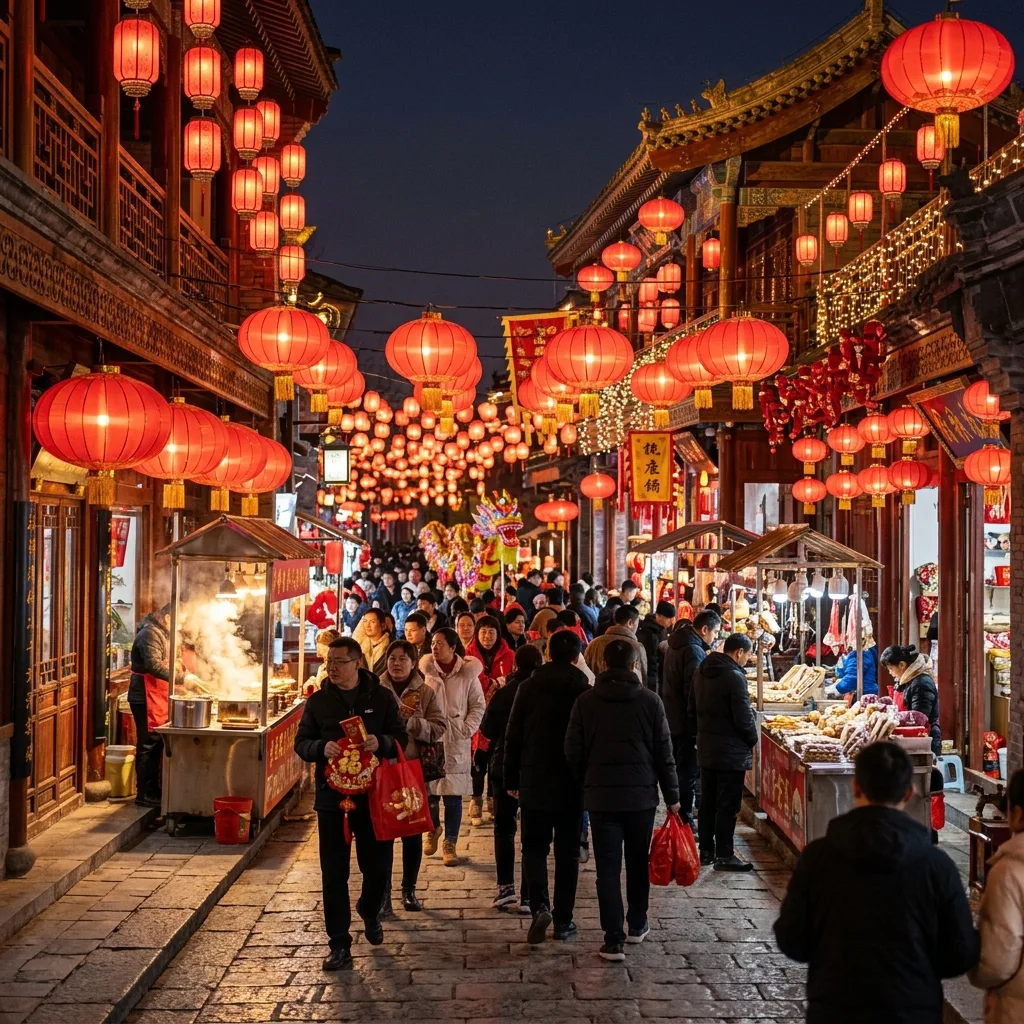
Planning Chinese New Year travel in China is easier when you respect the holiday rush instead of trying to outrun it. The real challenge is not the celebration itself; it is the closures, train crowds, and timing decisions that shape the whole trip.
Introduction
Planning Chinese New Year travel in China is rarely difficult because of a single major obstacle. The real problem is usually a collection of smaller decisions: when to go, how to book, what the local etiquette expects, and how to keep the trip from becoming more expensive or stressful than it needs to be. That is why a practical guide helps more than a checklist of trivia.
This article keeps the focus on the choices that matter to a traveler on the ground. Along the way, I have connected it to a few useful nearby reads such as Currency in China: Where to Exchange, Use Cards & Avoid Scams, China SIM Card Guide 2026: eSIM, Local Cards & Roaming Options, and Beijing Hutong Experience: How to Explore the Old Alleyways so you can move from one part of the trip to the next without guessing your way through the site.
Primary Topic Section
Holiday travel only works if you respect the rush is the part of Chinese New Year travel that most visitors notice first, but the useful lesson is what it changes in real life. For travelers, that usually means a small adjustment in tone, timing, price expectations, or the way you ask a question.
Traveling in China during the 40-day Spring Festival travel rush (Chunyun) requires aligning expectations with the world's largest annual human migration. Major rail terminals and international airports handle record passenger volumes as hundreds of millions of domestic workers return to ancestral hometowns.
Plan transit days with generous time buffers. Arrive at high-speed railway stations at least 90 minutes prior to departure to clear manual passport checks and baggage X-ray queues, and avoid scheduling tight same-day flight-to-rail transfers.
Closures and shortened hours affect transit, food, and attractions differently is the part of Chinese New Year travel that most visitors notice first, but the useful lesson is what it changes in real life. For travelers, that usually means a small adjustment in tone, timing, price expectations, or the way you ask a question.
Retail and dining rhythms undergo dramatic seasonal shifts. While international hotels, large shopping malls, and Tier 1 transport infrastructure operate normally, mom-and-pop restaurants, street stalls, and independent retail shops typically close from Chinese New Year's Eve through the fifth day of the lunar calendar.
Research your dining options in advance. High-end Cantonese dining rooms, hotel restaurants, and international chains (such as Haidilao or Starbucks) remain open throughout the holidays, but reserving tables for Reunion Dinner (Nianyefan) weeks ahead is essential.
Book earlier than you think you need to is the part of Chinese New Year travel that most visitors notice first, but the useful lesson is what it changes in real life. For travelers, that usually means a small adjustment in tone, timing, price expectations, or the way you ask a question.
High-speed train tickets on China Railways (12306) open for booking exactly 14 days prior to departure at staggered release times by station. High-demand routes out of Beijing, Shanghai, and Guangzhou sell out within seconds of system opening.
Use trip platforms like Trip.com or the official 12306 app to set up automated standby waitlist orders (houbu). Having alternative second-class or first-class seat preferences dramatically improves your confirmation odds.
One well-chosen base is better than constant hotel hopping is the part of Chinese New Year travel that most visitors notice first, but the useful lesson is what it changes in real life. For travelers, that usually means a small adjustment in tone, timing, price expectations, or the way you ask a question.
During Spring Festival, settling in a single central metropolitan base—such as Shanghai, Beijing, or Chengdu—is far more relaxing than attempting a multi-city tour. You avoid repeating high-stress station transfers and luggage logistics during peak travel days.
Within major cities, subways run smoothly with reduced commuter crowds during the core holiday week, making local sightseeing between temple fairs and historic heritage parks pleasant and predictable.
Secondary Topic Section
Weather and packing can shape the whole trip is the part of Chinese New Year travel that most visitors notice first, but the useful lesson is what it changes in real life. For travelers, that usually means a small adjustment in tone, timing, price expectations, or the way you ask a question.
Winter in northern and central China brings freezing continental winds and dry sub-zero temperatures. Packing thermal base layers, a windproof down jacket, fleece gloves, and insulated walking boots is vital for exploring outdoor temple fairs or walking the Great Wall.
In southern cities like Guangzhou or Xiamen, temperatures are milder but damp. Layering allows you to adapt easily between heated indoor department stores and brisk outdoor night markets.
Leave room for backup plans is the part of Chinese New Year travel that most visitors notice first, but the useful lesson is what it changes in real life. For travelers, that usually means a small adjustment in tone, timing, price expectations, or the way you ask a question.
Public holiday operating schedules can change with little notice. Always check the official WeChat mini-programs or official websites of top attractions such as the Forbidden City, Shanghai Disney, or Chengdu Panda Base before setting out.
Have indoor alternatives ready in your itinerary, such as municipal art museums, modern science centers, or cultural tea houses, should winter weather or extreme ticket sellouts disrupt your primary morning plan.
A city base is usually easier than a multi-stop itinerary because transport networks get crowded and timing becomes less predictable is the part of Chinese New Year travel that most visitors notice first, but the useful lesson is what it changes in real life. For travelers, that usually means a small adjustment in tone, timing, price expectations, or the way you ask a question.
Metropolitan centers offer distinct advantages over remote scenic valleys during Chunyun. In Tier 1 cities, municipal services, taxi fleets, delivery couriers, and hospital emergency centers operate around the clock without interruption.
Conversely, visiting rural mountain villages or remote national parks can lead to transport headaches if local minibus routes pause holiday operations while drivers spend the week celebrating with family.
Ticket booking windows matter more during holiday travel because the best seats and the most flexible departure times disappear first is the part of Chinese New Year travel that most visitors notice first, but the useful lesson is what it changes in real life. For travelers, that usually means a small adjustment in tone, timing, price expectations, or the way you ask a question.
Key cultural landmarks and popular theme parks strictly cap daily attendance during Golden Week holidays. Ticket windows rarely sell on-site tickets on the day of entry.
Secure entrance passes online at the earliest allowable window (often 7 to 10 days ahead for heritage sites like Beijing's Summer Palace or Chengdu's Sanxingdui Museum), inputting your passport number accurately to guarantee biometric or QR turnstile entry.
Practical Guide
A good practical plan for Chinese New Year travel starts with the parts that affect cost, timing, and convenience. In China, that usually means deciding whether the experience works better as a same-day outing, a half-day visit, or a booking that is tied to a larger itinerary.
- Build the trip around one or two cities instead of trying to cover too much ground while trains, flights, and highways are all under pressure.
- Check which attractions close completely, which ones run on reduced hours, and which ones simply become much busier than normal.
- Carry a backup payment method and a working phone setup, because the holiday rush is not the moment you want to discover a weak account setup.
- If you can, arrive before the peak rush and leave after it. That small timing buffer is often the difference between a manageable trip and a miserable one.
Lock in intercity high-speed train tickets exactly 14 days before departure on the official 12306 platform, as routes between major commercial hubs and inland provinces sell out within seconds. Independent neighborhood eateries, laundromats, and street markets shut down completely from Lunar New Year's Eve through the third day of the holiday; stock essential snacks, bottled water, and personal toiletries beforehand.
China Spring Festival Travel Strategic Overview
| Holiday Phase | Travel Conditions & Transit | Commercial & Dining Availability |
|---|---|---|
| Chunyun Build-up (Days -15 to -1) | High-speed trains and airports operate at maximum capacity; heavy outbound passenger flow. | Most urban shops and restaurants open normally until Lunar New Year's Eve. |
| Core Holiday (Days 1 to 3) | City centers surprisingly quiet; subways uncrowded; intercity transit calms briefly. | Small businesses and street vendors closed; major malls and hotel dining open. |
| Folk Fair Peak (Days 4 to 7) | Temple fairs and top tourist attractions hit peak visitor density; heavy local foot traffic. | Independent dining reopens progressively; reservations needed for popular spots. |
| Return Rush (Days 7 to 15) | Massive inbound rail and air surges into primary employment hubs (Tier 1 cities). | All commercial services, corporate offices, and transit run on regular schedules. |
Tips & Common Mistakes
The easiest mistakes around Chinese New Year travel usually come from assuming the rules are either stricter or looser than they really are. In practice, the gap is usually somewhere in between: local expectations are real, but they are often straightforward once you slow down and watch what people actually do.
- Do not assume “holiday open” means normal operating hours. The difference matters more than it sounds.
- If your schedule is flexible, choose fewer transfers and more time in one place instead of trying to race the calendar.
Account for dramatic regional contrasts between first-tier metropolises and tourist regions. While Shanghai, Beijing, and Shenzhen feel quiet and emptier during the first three days as migrant residents return to their ancestral hometowns, temple fairs, historic towns like Wuzhen or Pingyao, and scenic spots like Huangshan experience crushing visitor surges. Book major scenic site admissions at least three weeks in advance.
Essential Chinese New Year Greetings for Travelers
Using simple, polite festive phrases enriches interactions with hospitality staff, taxi drivers, and locals during the lunar celebrations. The most universal greeting across all Chinese-speaking regions is Xīnnián kuàilè (新年快乐, Happy New Year), pronounced with a friendly tone and a subtle nod. When entering small businesses or speaking to elders, Gōngxǐ fācái (恭喜发财, Wishing you prosperity and wealth) expresses traditional good fortune and is always warmly received.
If visiting family homes or cultural tea houses, offer Wànshì rúyì (万事如意, May all your wishes be fulfilled) or Shēntǐ jiànkāng (身体健康, Good health and longevity) to seniors. When receiving small treats or directions from festive greeters, responding with Duōxiè (多谢, Many thanks) and clasping your right fist inside your left palm at chest level demonstrates genuine cultural appreciation.
FAQ
When should I travel?
If you can, build in a buffer before and after the holiday peak. The exact dates change every year, but the travel pressure is always strongest around the main family movement days.
What closes first?
Transport windows, smaller restaurants, and family-run businesses often feel the change earliest. Big attractions may stay open, but hours and staffing can still shift.
Is Chinese New Year still worth visiting during?
Yes, if you want to see the holiday atmosphere itself. Just know that the trip is more about atmosphere, food, and timing than about efficient movement from place to place.
How do I avoid the worst delays?
Book early, keep the itinerary simple, and avoid overpacking the day. The less you depend on perfect timing, the better you will handle holiday volatility.
Conclusion
The best way to approach Chinese New Year travel is to treat it as a set of small decisions that all work together: timing, etiquette, booking, budget, and how much flexibility you leave in the day. If you want to keep planning, the most useful next reads are Currency in China: Where to Exchange, Use Cards & Avoid Scams, China SIM Card Guide 2026: eSIM, Local Cards & Roaming Options, and Beijing Hutong Experience: How to Explore the Old Alleyways, because they help turn this guide into a complete itinerary instead of an isolated decision.
Some places stay open, but they may shift to shorter hours, smaller staff, or a very different vibe from the rest of the year is the part of Chinese New Year travel that most visitors notice first, but the useful lesson is what it changes in real life. For travelers, that usually means a small adjustment in tone, timing, price expectations, or the way you ask a question.
The vibrant soul of Spring Festival is found in traditional temple fairs (Miaohui), lantern displays, and folk festivals. Beijing's Ditan and Longtan Temple Fairs showcase centuries-old acrobatic performances, shadow puppetry, and seasonal festive street snacks.
Attending an evening lantern festival, such as Zigong Lantern Festival in Sichuan or Yu Garden Lantern Fair in Shanghai, immerses you in breathtaking illumination art that captures the authentic celebratory spirit of the season.
Traditional food, family gatherings, temple visits, and local fairs are often worth prioritizing because they explain why the holiday is so intense in the first place is the part of Chinese New Year travel that most visitors notice first, but the useful lesson is what it changes in real life. For travelers, that usually means a small adjustment in tone, timing, price expectations, or the way you ask a question.
Participating respectfully in festive traditions creates warm memories. Wishing shopkeepers or hospitality staff "Xinnian Kuaile" (Happy New Year) or "Gongxi Facai" brings spontaneous smiles and warm hospitality.
If visiting a local acquaintance or friend's home, bring a gift of high-quality fresh fruit (such as imported oranges or apples symbolizing peace and fortune) or fine tea, presenting the gift with both hands upon entering.
Additional Notes
A useful final lens for Chinese New Year travel is that the experience becomes much easier once you stop treating it as a single decision and start treating it as a sequence. When you know what the next conversation, booking step, or arrival detail is supposed to do, you can move through the day with less friction and fewer surprises.
Plan airport and rail departures with generous three-hour transit cushions starting from the sixth day of the new year, when tens of millions of workers begin their return journeys. Urban ride-hailing queues outside major railway stations often stretch beyond an hour, making high-speed airport express subway lines far more dependable than taxis during peak travel surges.