Face Culture in China (Mianzi): How It Affects Your Interactions as a Traveler

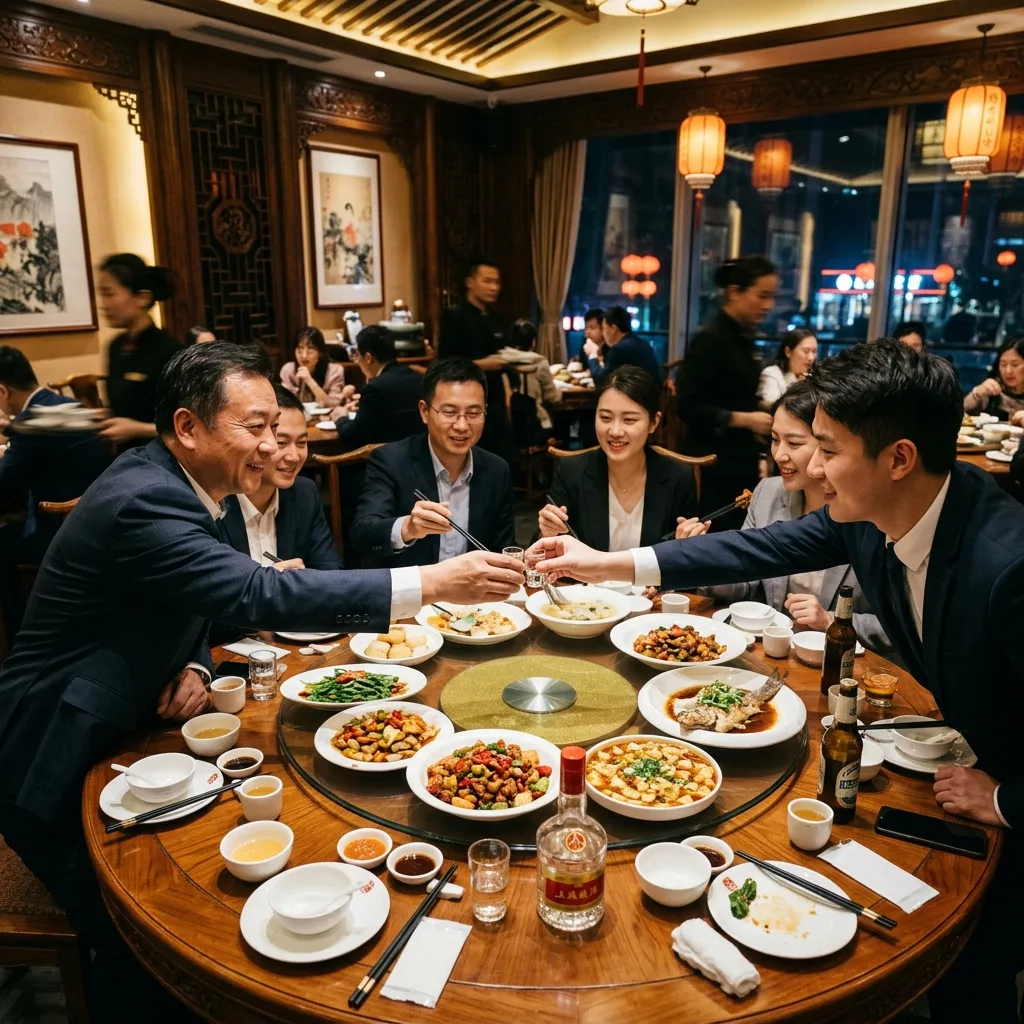
Understanding face culture in China is easier when you treat mianzi as a social cushion, not a theory quiz. The real challenge is usually knowing how to disagree, negotiate, or decline something without making the other person lose dignity in public.
Introduction
Planning face culture in China in China is rarely difficult because of a single major obstacle. The real problem is usually a collection of smaller decisions: when to go, how to book, what the local etiquette expects, and how to keep the trip from becoming more expensive or stressful than it needs to be. That is why a practical guide helps more than a checklist of trivia.
This article keeps the focus on the choices that matter to a traveler on the ground. Along the way, I have connected it to a few useful nearby reads such as Currency in China: Where to Exchange, Use Cards & Avoid Scams, China SIM Card Guide 2026: eSIM, Local Cards & Roaming Options, and Shanghai Food Scene: Xiaolongbao, Shengjianbao & Local Restaurant Picks so you can move from one part of the trip to the next without guessing your way through the site.
Primary Topic Section
face culture in China starts with tone, greeting, and how directly you answer simple questions is the part of face culture in China that most visitors notice first, but the useful lesson is what it changes in real life. For travelers, that usually means a small adjustment in tone, timing, price expectations, or the way you ask a question.
The concept of face (mianzi) represents a person's social standing, reputation, and dignity in interpersonal relationships. For travelers, understanding mianzi begins with observing how you frame questions and requests. Demanding immediate yes-or-no answers in public can put service staff in an awkward position if the answer is negative.
Approaching conversations with gentle curiosity and respect signals that you value the other person's dignity. When asking a hotel clerk for an upgrade or seeking directions from a shopkeeper, acknowledging their effort with a warm smile and polite phrasing establishes an immediate bridge of goodwill.
Indirect refusals and gentle corrections usually save everyone from unnecessary friction is the part of face culture in China that most visitors notice first, but the useful lesson is what it changes in real life. For travelers, that usually means a small adjustment in tone, timing, price expectations, or the way you ask a question.
Directly rejecting someone's offer or bluntly pointing out an error causes unnecessary embarrassment. In Chinese social dynamics, people frequently use indirect hints or neutral pauses to convey refusal without saying "no" outright.
When you need to turn down an invitation, decline an expensive excursion, or correct a vendor's misunderstanding, soften your response. Phrasing your decline around external constraints—such as an inflexible tour itinerary or prior commitments—allows both parties to preserve face comfortably.
Dining, toasting, and splitting costs can work very differently from what many visitors expect is the part of face culture in China that most visitors notice first, but the useful lesson is what it changes in real life. For travelers, that usually means a small adjustment in tone, timing, price expectations, or the way you ask a question.
Dining rituals in China are fertile ground for giving face (gei mianzi). When hosting or being hosted, seating arrangements, ordering habits, and toasting carry nuanced social weight. The host typically sits facing the entrance and orders more dishes than the table can consume to demonstrate generous hospitality.
As a guest, actively complimenting the flavor of signature regional dishes, eagerly accepting tea refills, and participating enthusiastically in toasts honors your host's hospitality. Insisting on paying your own portion during a formal invitation can inadvertently insult the host by rejecting their generosity.
Shoes, seating, doors, and indoor boundaries matter more than most first-timers realize is the part of face culture in China that most visitors notice first, but the useful lesson is what it changes in real life. For travelers, that usually means a small adjustment in tone, timing, price expectations, or the way you ask a question.
Domestic and private spaces feature subtle boundaries that demand attentiveness. When invited into a Chinese home or staying in a family-run guesthouse (minsu), wait for the host to indicate where you should sit rather than taking the prime armchair or head seat.
Always ask whether street shoes should be removed at the door, and accept house slippers with both hands. Respecting these small physical boundaries demonstrates that you honor the homeowner's domain and household order.
Secondary Topic Section
Public disagreement is usually better handled privately than in front of a group is the part of face culture in China that most visitors notice first, but the useful lesson is what it changes in real life. For travelers, that usually means a small adjustment in tone, timing, price expectations, or the way you ask a question.
Public displays of anger, loud vocal criticism, or finger-pointing strip face from everyone involved. In Chinese culture, a person who loses emotional control in public is viewed as lacking maturity and self-discipline, while the target of the outburst is humiliated.
If a service failure occurs—such as a misplaced train reservation or disputed hotel charge—step aside into a private corner. Speaking quietly with a manager and framing the issue as an accidental administrative oversight allows the staff to fix the problem without losing face in front of their colleagues.
Messaging and translation apps work best when the wording is concise and respectful is the part of face culture in China that most visitors notice first, but the useful lesson is what it changes in real life. For travelers, that usually means a small adjustment in tone, timing, price expectations, or the way you ask a question.
Smartphone messaging and instant translation apps have transformed cross-cultural travel. When communicating with tour guides or drivers via WeChat, write concise, courteous sentences rather than abrupt imperative commands.
Beginning messages with a friendly greeting and concluding with "Xiexie nide bangzhu" (Thank you for your assistance) sets a respectful tone. Avoiding sarcasm, slang, or ambiguous phrasing ensures machine translation outputs convey your intended politeness accurately.
Mianzi is about dignity and social standing, so the practical goal is to avoid embarrassing someone in public is the part of face culture in China that most visitors notice first, but the useful lesson is what it changes in real life. For travelers, that usually means a small adjustment in tone, timing, price expectations, or the way you ask a question.
Mianzi is fundamentally about collective harmony rather than individual pride. In public settings, never single out an employee in front of their supervisor or peers for a mistake. Allowing someone to save face (liu mianzi) often turns a potential confrontation into a cooperative partnership.
When a hotel receptionist or train conductor resolves a tricky issue for you, offering a sincere compliment to their supervisor or leaving a glowing comment card bestows face and creates lasting positive impressions for future international travelers.
A refusal that protects the other person is often better than a blunt correction that wins the argument but loses the room is the part of face culture in China that most visitors notice first, but the useful lesson is what it changes in real life. For travelers, that usually means a small adjustment in tone, timing, price expectations, or the way you ask a question.
Negotiating in souvenir markets or silk bazaars is an art form rooted in mutual face preservation. Bargaining should never turn into an aggressive battle of wills or an accusation of unfair pricing.
Treat negotiations as a playful dance where both buyer and seller walk away smiling. Propose counter-offers with good humor, praise the craftsmanship of the item, and conclude the purchase with mutual expressions of satisfaction.
Practical Guide
A good practical plan for face culture in China starts with the parts that affect cost, timing, and convenience. In China, that usually means deciding whether the experience works better as a same-day outing, a half-day visit, or a booking that is tied to a larger itinerary.
- If you need to say no, phrase it as a limitation or scheduling issue rather than a personal rejection whenever possible.
- In restaurants, shops, and hotels, praise privately and correct privately if you must correct anything at all.
- When you are bargaining, keep your tone easy and do not make the other person lose face by forcing a dramatic showdown over small money.
- The easiest way to protect face is to stay calm, use indirect language, and give the other person a graceful exit.
If a hotel desk agent makes a mistake on your room booking or a taxi driver takes a suboptimal turn, address it discreetly by stepping to the side and showing the written address on your phone. Never raise your voice, bang on service counters, or berate employees in front of their colleagues or other guests; causing someone to lose public face (diu lian) makes them defensive and closes off cooperative solutions.
Navigating Mianzi in Everyday Travel Scenarios
| Interaction Context | Face-Giving Action (Gei Mianzi) | Face-Damaging Risk (Diu Lian) |
|---|---|---|
| Dining & Banquets | Enthusiastically praise the meal and thank the host profusely. | Insisting rigidly on splitting the bill down to the cent (AA zhi) when hosted. |
| Resolving Service Issues | Discuss mistakes privately and quietly with the manager. | Shouting, banging desks, or accusing staff publicly in front of peers. |
| Market Bargaining | Maintain good humor and treat pricing as a friendly social exchange. | Calling a shopkeeper a cheat or expressing open disgust at initial quotes. |
| Meeting Acquaintances | Present business cards or gifts using both hands with a gentle nod. | Carelessly stuffing a received name card directly into your back trouser pocket. |
| Declining Requests | Offer polite indirect excuses (bu tai fangbian) rather than harsh nos. | Delivering blunt, flat rejections that leave the counterpart socially stranded. |
Tips & Common Mistakes
The easiest mistakes around face culture in China usually come from assuming the rules are either stricter or looser than they really are. In practice, the gap is usually somewhere in between: local expectations are real, but they are often straightforward once you slow down and watch what people actually do.
- Do not confuse face culture with dishonesty; it is usually about social smoothness, not manipulation.
- A traveler who speaks softly and leaves room for the other side to save face usually gets better outcomes in everyday interactions.
When declining unsolicited sales pitches or unwanted banquet drinks, avoid blunt rejections like a harsh "No". Frame your refusal around personal physical constraints—such as mentioning stomach sensitivity (wei bu tai hao) or doctor's advice—which allows the host to withdraw the offer graciously. During market bargaining, treat price discussions as a friendly verbal dance with humor and smiles rather than accusing vendors of overcharging.
Common Phrases That Give Face in Everyday Situations
Using polite spoken phrases actively preserves social harmony and conveys sincere goodwill. When expressing admiration for a delicious home-cooked meal or impressive craftsmanship, say Tàibàng le (太棒了, Absolutely wonderful) or Nín zhēn zhuānyè (您真专业, You are truly professional). These compliments validate the other person's dedication and skill.
When requesting assistance at a train station or hotel desk, open with Máfán nín yíxià (麻烦您一下, May I trouble you for a moment), which politely acknowledges that you are asking for their personal time and energy. If an inadvertent minor bump or misunderstanding occurs in a crowded concourse, offer a swift, warm Bùhǎoyìsi (不好意思, Excuse me / pardon me) with a slight nod, instantly defusing potential tension and maintaining smooth mutual respect.
FAQ
What does mianzi actually mean?
It is the social idea of face, dignity, and public standing. In practice, it shapes how people give bad news, refuse requests, negotiate, and correct mistakes.
How do I avoid embarrassing someone?
Keep criticism private, use softer wording, and avoid turning a small problem into a public scene. That is often enough to protect the interaction.
Is direct honesty bad?
Not always, but bluntness is usually less important than timing and tone. You can still be honest without making the other person feel cornered.
Does face culture matter for tourists?
Yes, because it changes how requests, apologies, and disagreements land. If you adjust your tone, you will have fewer awkward moments.
Conclusion
The best way to approach face culture in China is to treat it as a set of small decisions that all work together: timing, etiquette, booking, budget, and how much flexibility you leave in the day. If you want to keep planning, the most useful next reads are Currency in China: Where to Exchange, Use Cards & Avoid Scams, China SIM Card Guide 2026: eSIM, Local Cards & Roaming Options, and Shanghai Food Scene: Xiaolongbao, Shengjianbao & Local Restaurant Picks, because they help turn this guide into a complete itinerary instead of an isolated decision.
Negotiation works best when both sides can leave feeling respected, even if the final number is lower than the first one discussed is the part of face culture in China that most visitors notice first, but the useful lesson is what it changes in real life. For travelers, that usually means a small adjustment in tone, timing, price expectations, or the way you ask a question.
Understanding social hierarchy helps travelers navigate formal settings. In business meetings, academic visits, or banquets, senior individuals are introduced first, seated first, and invited to speak or drink first.
Observing who holds decision-making authority prevents social blunders. Directing primary questions and presenting business cards to the senior representative first honors traditional etiquette without causing confusion among subordinate staff.
Hierarchy changes tone, so the same sentence can sound very different depending on who is speaking to whom is the part of face culture in China that most visitors notice first, but the useful lesson is what it changes in real life. For travelers, that usually means a small adjustment in tone, timing, price expectations, or the way you ask a question.
The ultimate reward of mastering mianzi is genuine cultural connection. When locals see that an international visitor respects their customs, exercises patient self-control, and actively preserves others' dignity, doors open effortlessly.
You will experience an extraordinary depth of warmth, hospitality, and helpfulness that casual tourists rarely encounter, transforming ordinary sightseeing into deeply memorable human interactions.
Additional Notes
A useful final lens for face culture in China is that the experience becomes much easier once you stop treating it as a single decision and start treating it as a sequence. When you know what the next conversation, booking step, or arrival detail is supposed to do, you can move through the day with less friction and fewer surprises.
If an interaction turns socially tense or awkward, recover quickly by giving face back (gei mianzi). Pouring a warm cup of tea for the other party, laughing gently at your own foreign language pronunciation, or thanking them sincerely for their patience immediately restores social equilibrium and resets the interaction on positive ground.