Onsen Etiquette: Rules You Must Know Before Entering a Japanese Hot Spring

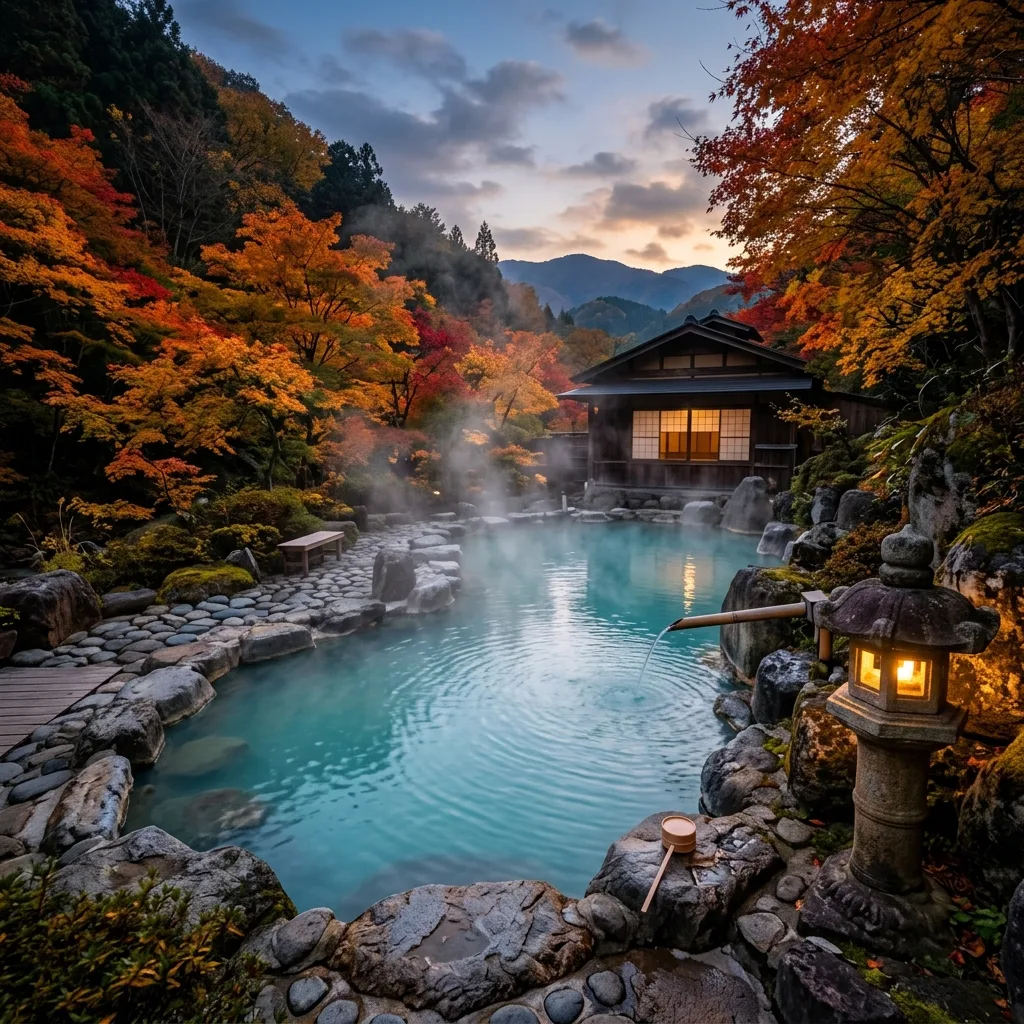
Learning onsen etiquette in Japan is easier when you focus on the wash station first. The real challenge is usually not the bath itself, but the small rules around towels, tattoos, quiet behavior, and how long to stay in the water.
Introduction
Planning onsen etiquette in Japan is rarely difficult because of a single major obstacle. The real problem is usually a collection of smaller decisions: when to go, how to book, what the local etiquette expects, and how to keep the trip from becoming more expensive or stressful than it needs to be. That is why a practical guide helps more than a checklist of trivia.
This article keeps the focus on the choices that matter to a traveler on the ground. Along the way, I have connected it to a few useful nearby reads such as Japan Accommodation Guide: Capsule Hotels, Ryokan & Budget Hostels, Japan 7-Day Itinerary: Tokyo-Kyoto-Osaka Golden Route Planner, and Best Day Trips from Tokyo: Nikko, Kamakura, Hakone & More so you can move from one part of the trip to the next without guessing your way through the site.
Primary Topic Section
onsen etiquette starts with tone, greeting, and how directly you answer simple questions is the part of onsen etiquette that most visitors notice first, but the useful lesson is what it changes in real life. For travelers, that usually means a small adjustment in tone, timing, price expectations, or the way you ask a question.
Entering a traditional Japanese onsen begins in the changing room (datsuijo), where social distinctions are left behind. Remove all clothing, jewelry, and watches, placing everything neatly into the provided woven baskets or key-operated lockers. The only item you carry into the bathing hall is the small modesty hand towel (tenugui).
Step through the sliding glass door into the steamy bath hall barefoot and composed. The atmosphere in an onsen is serene and meditative; speak in hushed whispers and avoid running or splashing along wet tiled floors.
Indirect refusals and gentle corrections usually save everyone from unnecessary friction is the part of onsen etiquette that most visitors notice first, but the useful lesson is what it changes in real life. For travelers, that usually means a small adjustment in tone, timing, price expectations, or the way you ask a question.
The core rule of onsen culture is that the communal bath water must remain completely pristine. Never step directly into the hot spring pool without thoroughly scrubbing yourself at the seated washing stations (kawa) lined along the walls.
Take a stool and basin, sit down completely, and lather your entire body, hair, and feet using the provided shampoo and body wash. Rinse away every trace of soap foam thoroughly before approaching the mineral baths, ensuring zero runoff enters the shared water.
Dining, toasting, and splitting costs can work very differently from what many visitors expect is the part of onsen etiquette that most visitors notice first, but the useful lesson is what it changes in real life. For travelers, that usually means a small adjustment in tone, timing, price expectations, or the way you ask a question.
Once clean, ease yourself slowly into the steaming thermal water. Onsen temperatures typically range between 40°C and 43°C (104°F to 110°F), which can feel intense upon initial contact. Submerging gradually allows your cardiovascular system to adjust smoothly.
Never swim, dive, or hold your head underwater. The onsen is a place for quiet contemplation, muscle relaxation, and thermal healing, not athletic recreation.
Shoes, seating, doors, and indoor boundaries matter more than most first-timers realize is the part of onsen etiquette that most visitors notice first, but the useful lesson is what it changes in real life. For travelers, that usually means a small adjustment in tone, timing, price expectations, or the way you ask a question.
The small modesty towel you brought into the bath hall must never touch the hot spring water. Dip-dyeing towels into the mineral pool is strictly prohibited as it can introduce microscopic lint or soap residues.
Most bathers fold their damp towel into a neat rectangle and rest it atop their head while soaking, which also helps prevent lightheadedness from rising steam. Alternatively, set your folded towel on a dry rock ledge beside the pool edge.
Secondary Topic Section
Public disagreement is usually better handled privately than in front of a group is the part of onsen etiquette that most visitors notice first, but the useful lesson is what it changes in real life. For travelers, that usually means a small adjustment in tone, timing, price expectations, or the way you ask a question.
Long hair must be securely tied back using a hair band, clip, or shower cap so that no strands touch the thermal water. Having loose hair floating in communal water is considered deeply unhygienic and off-putting to fellow bathers.
If you accidentally dip your hair or towel, immediately squeeze it out over the floor drainage channel rather than back into the communal pool.
Messaging and translation apps work best when the wording is concise and respectful is the part of onsen etiquette that most visitors notice first, but the useful lesson is what it changes in real life. For travelers, that usually means a small adjustment in tone, timing, price expectations, or the way you ask a question.
Tattoos have historically been associated with the yakuza organized crime syndicate in Japan, leading many public bathhouses and ryokan to enforce strict no-ink policies. However, modern attitudes are rapidly becoming more accommodating to international travelers.
If you have small tattoos, purchase waterproof skin-colored flesh patches (available at convenience stores and pharmacies) to cover them before entering. For extensive body ink, seek out tattoo-welcoming facilities or book a private bath (kashikiri-buro).
Wash thoroughly before entering the bath, because the shared water is the whole point of the etiquette is the part of onsen etiquette that most visitors notice first, but the useful lesson is what it changes in real life. For travelers, that usually means a small adjustment in tone, timing, price expectations, or the way you ask a question.
Private rental baths (kashikiri-buro) or in-room open-air hot spring baths (rotenburo) offer the ultimate stress-free solution for first-timers, couples, and travelers with tattoos or body modesty concerns. Many ryokan allow guests to reserve private family baths for 45 to 60 minutes for a modest fee.
Private baths provide the full therapeutic mineral water experience in complete seclusion, allowing you to relax comfortably at your own pace without worrying about unfamiliar public bathing etiquette.
Towels, hair, and tattoos can all have special rules, so it is worth checking the bathhouse policy before you strip down is the part of onsen etiquette that most visitors notice first, but the useful lesson is what it changes in real life. For travelers, that usually means a small adjustment in tone, timing, price expectations, or the way you ask a question.
Hot spring mineral water exerts profound physiological effects, dilating blood vessels and accelerating heart rates. Soaking for more than 15 to 20 minutes continuously can lead to thermal exhaustion, dehydration, or postural hypotension.
Take regular breaks by sitting on the edge of the pool with your feet submerged (ashiyu) or relaxing on cooling outdoor benches. Drink a full glass of water or cold barley tea (mugicha) from the dressing room cooler before and after your bath to stay well hydrated.
Practical Guide
A good practical plan for onsen etiquette starts with the parts that affect cost, timing, and convenience. In Japan, that usually means deciding whether the experience works better as a same-day outing, a half-day visit, or a booking that is tied to a larger itinerary.
- Day-use baths often charge a modest entry fee, while private baths and ryokan stays can cost significantly more depending on the location and season.
- If you are nervous, arrive a little early, ask where to change, and confirm whether the bath allows tattoos or only offers private options.
- The most useful habit is to move slowly and intentionally: rinse, wash, rinse again, then enter the bath with clean skin and no soap residue.
- A good onsen day is not about staying in the water as long as possible. It is about using the bath in a way that leaves you relaxed rather than overheated.
Follow the essential bathing sequence strictly: sit on the small plastic stool at the wash station and scrub your entire body with soap before entering any pool. Never dip your small modesty towel (tenugui) into the communal bath water; fold it and rest it on your head or place it on the edge of the tub. Keep talking voices down to a relaxed murmur, as onsen are shared communal sanctuaries intended for silent rejuvenation.
Step-by-Step Onsen Bathing Protocol
| Phase | Critical Etiquette Rule | Practical Tip |
|---|---|---|
| 1. Locker Room | Remove 100% of clothing and jewelry; leave cellphones locked away. | Take only your small modesty towel and locker wristband key inside. |
| 2. Washing Station | Sit down on the stool; wash body and hair thoroughly before soaking. | Direct shower sprays downward to avoid splashing soapy water on neighbors. |
| 3. Hot Spring Pool | Ease in slowly; keep hair and modesty towels completely out of the water. | Fold towel on your head; limit continuous soaking to 15 minutes per dip. |
| 4. Transitioning Out | Squeeze towel and wipe body damp-dry before stepping into locker room. | Prevent slippery puddles on the changing room tatami mats. |
| 5. Post-Bath Lounge | Rehydrate with fresh water or cold bottled milk; rest for 20 minutes. | Allow your core body temperature to cool naturally in your comfortable yukata. |
Tips & Common Mistakes
The easiest mistakes around onsen etiquette usually come from assuming the rules are either stricter or looser than they really are. In practice, the gap is usually somewhere in between: local expectations are real, but they are often straightforward once you slow down and watch what people actually do.
- Do not carry a loud resort mindset into a quiet bathhouse; calm behavior is part of the experience.
- If a policy is unclear, ask before entering instead of assuming the obvious answer will be accepted.
Check tattoo policies beforehand, as traditional municipal baths and hotel onsen still prohibit visible ink due to historical association with organized crime. If you have small body art, conceal it using flesh-colored waterproof adhesive patches available at convenience stores; for extensive tattoos, book a private reservable bath (kashikiri-buro) or stay at a dedicated tattoo-friendly ryokan in towns like Kinosaki.
Understanding Mineral Spring Classifications in Japan
Japan's thermal waters are categorized by their dominant chemical properties (sen-shitsu), each offering distinctive health benefits. Simple thermal springs (tanjun onsen), such as those in Hakone and Yufuin, are clear, odorless, and gentle on sensitive skin, making them the premier choice for children and hot spring beginners.
Sulfur springs (iwo-sen), famously found in Kusatsu and Noboribetsu, emit a signature volcanic aroma and have milky white waters that soothe chronic skin conditions and stimulate blood circulation. Chloride springs (enka-butsu-sen), common in coastal towns like Atami, retain heat exceptionally well due to natural salt residues, keeping your body deeply warm through chilly winter evenings. Reading the official analysis certificate (onsen bunsekisho) posted in the locker room reveals the exact mineral composition and pH level of your bath.
FAQ
Are tattoos a problem?
Sometimes, yes. Policies vary by bathhouse, so check in advance. Private baths are the easiest workaround if you do not want to rely on a tattoo-friendly public option.
What is the main beginner mistake?
Skipping the wash station. Showering properly before entering is the core rule, and it is the easiest one to forget when you are excited or nervous.
Do I need to stay overnight?
No. Many places offer day-use bathing, though ryokan stays give you the most complete experience.
How much should I budget?
Day-use options are usually modest, while private baths and ryokan rooms cost more. Budget based on whether you want a quick soak or a full overnight experience.
Conclusion
The best way to approach onsen etiquette is to treat it as a set of small decisions that all work together: timing, etiquette, booking, budget, and how much flexibility you leave in the day. If you want to keep planning, the most useful next reads are Japan Accommodation Guide: Capsule Hotels, Ryokan & Budget Hostels, Japan 7-Day Itinerary: Tokyo-Kyoto-Osaka Golden Route Planner, and Best Day Trips from Tokyo: Nikko, Kamakura, Hakone & More, because they help turn this guide into a complete itinerary instead of an isolated decision.
Private baths and ryokan stays solve many first-timer concerns and can be the easiest way to enjoy the experience calmly is the part of onsen etiquette that most visitors notice first, but the useful lesson is what it changes in real life. For travelers, that usually means a small adjustment in tone, timing, price expectations, or the way you ask a question.
When finishing your soak, you generally do not need to shower off with tap water, as the mineral residues (sulfur, iron, or saline) continue conditioning the skin and retaining body warmth for hours. However, if soaking in strongly acidic volcanic springs (such as Kusatsu or Tamagawa), a light fresh-water rinse prevents skin irritation.
Before stepping back onto the dry woven mats of the dressing room, use your damp hand towel to wipe excess water thoroughly from your entire body. Leaving wet puddles on the dressing room floor is considered poor etiquette.
Hydration, water temperature, and how long you stay in the bath matter more than people expect is the part of onsen etiquette that most visitors notice first, but the useful lesson is what it changes in real life. For travelers, that usually means a small adjustment in tone, timing, price expectations, or the way you ask a question.
After dressing in your yukata robe, relax in the tatami resting lounge (otafuku). Enjoying an ice-cold glass of fresh Hokkaido milk or fruit milk from the iconic glass-bottle vending machines is the cherished cultural finale to an authentic Japanese hot spring experience.
Lie down for twenty minutes, let your body temperature normalize, and savor the deep, peaceful relaxation that only natural volcanic geothermal waters can provide.
Additional Notes
A useful final lens for onsen etiquette is that the experience becomes much easier once you stop treating it as a single decision and start treating it as a sequence. When you know what the next conversation, booking step, or arrival detail is supposed to do, you can move through the day with less friction and fewer surprises.
Store all valuables, watches, and phones securely in the 100-yen coin-return lockers outside the changing area, and never wear footwear beyond the genkan entry mat. Pay attention to rotating bath schedules (danjo irekae), where male and female sections switch sides early in the morning so guests can experience both scenic views—always double-check the curtain color (blue for men, red for women) before walking through.