Shanghai Food Scene: Xiaolongbao, Shengjianbao & Local Restaurant Picks

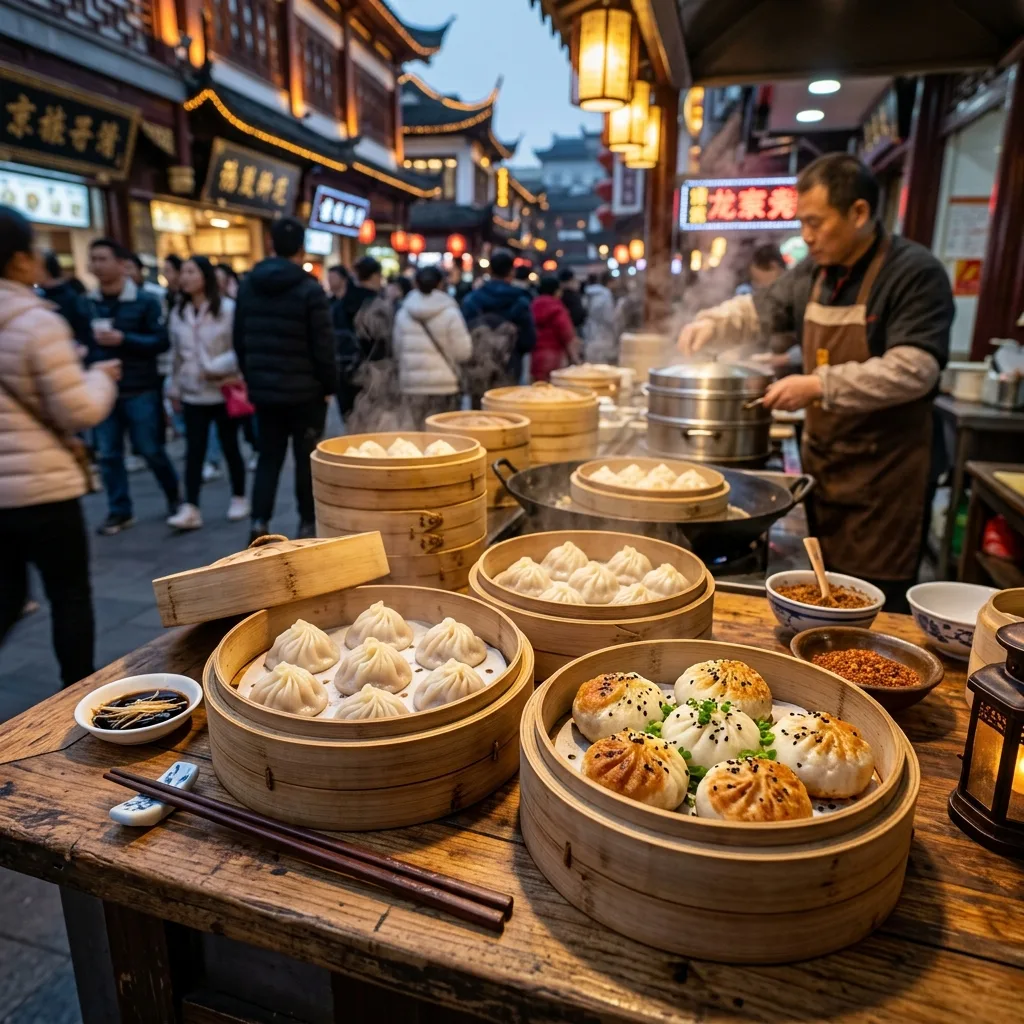
Shanghai. The very name conjures images of futuristic skylines, historic Bund architecture, and a bustling energy unlike anywhere else. But for the discerning traveler, Shanghai's true heart beats in its kitchens and street-side stalls, serving up a culinary heritage as rich and dynamic as its cityscape. Are you overwhelmed by the sheer volume of choices, unsure where to find authentic local flavors amidst the glitz and glamour? This guide cuts through the noise, offering an essential roadmap to navigating Shanghai's iconic food scene in 2026, focusing on its most celebrated street food heroes: Xiaolongbao and Shengjianbao, along with insider picks for experiencing the city's gastronomic soul. Get ready to embark on a delicious journey that will tantalize your taste buds and deepen your appreciation for one of the world's great food cities.
Shanghai's Iconic Duo: Xiaolongbao (Soup Dumplings)
Shanghai's culinary identity is inextricably linked with Xiaolongbao, the delicate, soup-filled dumplings that have charmed palates worldwide. More than just a dish, Xiaolongbao represent a microcosm of Shanghai's precision, artistry, and dedication to flavor. Originating in Nanxiang, a suburb of Shanghai, these steamed buns are renowned for their thin, translucent skins, savory meat filling, and, most famously, a burst of hot, flavorful broth contained within. The secret lies in a precisely proportioned aspic (gelatinized broth) mixed with the pork filling, which melts into a rich soup when steamed. This culinary marvel is a testament to the ingenuity of Shanghainese chefs, transforming simple ingredients into a complex and unforgettable dining experience.
The history of Xiaolongbao dates back to the 19th century, with its roots firmly planted in the Jiading district, specifically in the town of Nanxiang. Legend has it that a man named Huang Mingxian, operating a small eatery called Ri Hua Xuan, created these unique dumplings. His innovation was to incorporate gelatinized pork broth into the filling, which would melt into a luscious soup when steamed. This clever technique quickly gained popularity, drawing crowds from across Shanghai and beyond. Over the decades, the recipe and preparation techniques evolved, giving rise to various interpretations, from those focusing on a rich pork flavor to more luxurious versions infused with fresh crab roe, particularly during the autumn hairy crab season. Each variation showcases the versatility and enduring appeal of this classic dish, making it a must-try for any visitor to Shanghai.
What is Xiaolongbao?
Xiaolongbao, often translated as "small basket buns," are delicate, steamed dumplings typically filled with seasoned ground pork and a gelatinized broth (aspic). When cooked, the aspic melts, creating a burst of rich, hot soup inside the thin, tender skin. They are a quintessential part of Shanghai's culinary heritage, enjoyed for their intricate preparation, balanced flavors, and satisfying liquid surprise. These dumplings are usually served in small bamboo steamers, signaling their freshness and traditional cooking method.
Where to Find the Best Xiaolongbao in Shanghai (2026 Picks)
In 2026, Shanghai continues to offer a vibrant spectrum of Xiaolongbao experiences, catering to every preference and budget. From bustling, no-frills establishments cherished by locals to elegant, high-end dining rooms, there's a perfect Xiaolongbao for everyone. Prices remain remarkably accessible at most local spots, ensuring that this iconic dish is an everyday luxury.
Local Favorites (Authenticity & Unbeatable Value)
These are the establishments where the heart of Shanghai's Xiaolongbao tradition truly beats. Expect lively atmospheres, sometimes shared tables, and the most authentic flavors at prices that are incredibly budget-friendly.
- Man Man Tang Bao (曼曼汤包): Widely lauded as one of the best value-for-money options in Shanghai. This humble spot consistently delivers authentic flavors and a bustling local atmosphere. Their focus is on perfectly balanced pork fillings and consistently thin skins, making every bite a true delight.
- Price: Approximately ¥13 for a basket of 8 pork dumplings – an absolute steal for the quality.
- Fuchun Xiao Long Bao (富春小笼馆): A proud "China Time-Honored Brand" with a history stretching back decades. Fuchun is particularly celebrated for its richer, more intensely flavored pork broth and slightly thicker, yet still wonderfully tender, skins. This establishment offers a nostalgic taste of old Shanghai.
- Price: Around ¥18 for 6 pork dumplings; ¥38 for 6 crab meat dumplings, offering a taste of local luxury without breaking the bank.
- Lin Long Fang (麟笼坊): Often considered the "sister" restaurant to the more famous Jia Jia Tang Bao, Lin Long Fang offers comparable quality but with significantly shorter queues. This makes it an excellent alternative if you're seeking top-tier XLB without the extensive wait times. Their dedication to fresh ingredients and traditional techniques shines through in every dumpling.
- Price: Roughly ¥20 for 12 original pork dumplings; ¥38 for 12 crab roe and pork dumplings, providing generous portions of high-quality XLB.
- Jia Jia Tang Bao (佳家汤包): A quintessential Shanghai experience, located near People's Square. While the queues can be legendary, often snaking down the street, many argue that the wait is an integral part of the experience and well worth it for their expertly crafted, thin-skinned dumplings bursting with savory soup. Their commitment to freshness means dumplings are often made to order.
- Price: Varies, but typically ¥30–¥60 per person depending on filling choices (pure pork vs. the seasonal and more indulgent crab roe varieties).
Mid-Range & Specialty (Refined Flavors & Seasonal Delights)
These venues elevate the Xiaolongbao experience with a focus on premium ingredients and more refined preparation, often featuring seasonal specialties that attract a dedicated following.
- Lai Lai Xiao Long (莱莱小笼): Recently recognized with a Michelin Bib Gourmand, Lai Lai is frequently cited as the premier choice for crab-based Xiaolongbao. Their seasonal offerings, especially during the elusive hairy crab season in autumn, are particularly legendary, featuring rich, umami-packed fillings. This is the spot for discerning palates looking for a more gourmet XLB experience.
- Price: Around ¥40 for 8 crab meat & pork; ¥70 for 8 crab roe & pork. For the ultimate indulgence, seasonal pure crab roe dumplings can reach ¥158 for a basket of just 4, a price reflective of the rarity and labor involved.
Premium & Fine Dining (Elevated Experience & Innovative Twists)
For those seeking an upscale dining experience with immaculate service and often innovative takes on traditional dishes, these premium establishments offer a luxurious backdrop to your Xiaolongbao journey.
- Din Tai Fung (鼎泰丰): The globally recognized Taiwanese chain, though not originating from Shanghai, has set a worldwide benchmark for Xiaolongbao quality. Known for its meticulous "18-fold" technique, consistently thin skins, and impeccable service, Din Tai Fung offers a reliably excellent and comfortable dining experience. Their focus on precision and consistency makes them a favorite for both locals and international visitors.
- Price: Expect to pay ¥100–¥200 per person for a full meal. A basket of 10 classic pork XLB is typically ¥60–¥80.
- Nanxiang Mantou Dian (南翔馒头店): A historic establishment nestled within the picturesque Yu Garden. While it can be very touristy, its historical significance and unique offerings make it a must-visit. Famous for its traditional XLB and, notably, the colossal "Giant XLB" which you consume with a straw. The experience varies by floor, with higher floors offering more premium menus and refined ambiance.
- Price: Ranges from ¥50–¥150 per person, depending on which floor you choose to dine on and the items ordered.
- Ling Long (凌珑): A distinguished Michelin 1-star restaurant located on the iconic Bund. Ling Long offers a modern, innovative take on Chinese cuisine, including refined versions of traditional dishes. This is an ideal choice for a truly upscale culinary journey, where the presentation and ambiance are as exquisite as the food.
- Price: Set menus typically start from ¥600+ for lunch and can exceed ¥1,000+ for dinner, reflecting its fine dining status.
How to Eat Xiaolongbao Like a Local (The Art of the Soup Dumpling)
Mastering the art of eating Xiaolongbao is crucial to prevent scalding and maximize your enjoyment. It’s a ritual that every Shanghainese local knows by heart:
- Pick up with precision: Using your chopsticks, gently lift the delicate dumpling from the steamer. Be exceptionally careful not to pierce the skin, as this would release the precious soup prematurely. Hold it by the pleated top.
- Transfer to spoon: Place the entire dumpling onto your soup spoon. This is your safety net, catching any rogue drops of broth.
- Create a vent: Nibble a tiny hole near the top or side of the dumpling. This small opening allows the superheated steam to escape, preventing a burnt tongue and allowing the internal soup to cool slightly.
- Sip the elixir: Carefully sip the rich, hot broth directly from the dumpling on your spoon. This is often considered the most delightful part of the experience.
- Enhance the flavor: Dip the remaining dumpling in a mixture of black vinegar and finely shredded ginger, which is almost always provided alongside your XLB. The vinegar cuts through the richness, and the ginger adds a refreshing zest.
- Enjoy the rest: Eat the remainder of the dumpling in one or two bites, savoring the tender meat filling and the thin, springy wrapper. This methodical approach ensures you experience every layer of flavor and texture as intended.
The Crispy Counterpart: Shengjianbao (Pan-Fried Buns)
If Xiaolongbao is Shanghai's delicate, refined whisper, then Shengjianbao is its satisfying, robust roar. These pan-fried pork buns offer a delightful and much more textural contrast to their steamed cousins: a fluffy, often leavened top, a juicy and intensely flavorful pork filling, a burst of hot, savory soup, and, most distinctively, a gloriously crispy, golden-brown bottom that provides an addictive crunch. Shengjianbao are a beloved breakfast staple and a popular snack throughout the day, providing a more robust and hearty experience. While Xiaolongbao relies on melting aspic for its soup, Shengjianbao typically incorporates broth directly into the filling before being pan-fried, guaranteeing a rich, soupy interior encased within that irresistible crispy base.
What is Shengjianbao?
Shengjianbao are traditional pan-fried buns originating from Shanghai, renowned for their unique combination of textures. They feature a soft, often fluffy top (sometimes sprinkled with sesame seeds and chopped green onions), a succulent ground pork filling, a generous amount of hot, savory broth, and a signature crispy, golden-brown bottom achieved through pan-frying. These buns are a popular breakfast and snack item, celebrated for their delightful textural contrast and rich, savory flavors.
The origins of Shengjianbao are deeply rooted in Shanghai's bustling street food culture, likely emerging as a heartier alternative to steamed buns. Traditionally, they were crafted with a semi-leavened dough, which contributed to their bread-like, substantial texture. However, the dish evolved over time, giving rise to different styles. A significant shift occurred with the popularization of the "dead dough" (unleavened) version, notably by chains like Yang's Dumpling. This style prioritizes an incredibly thin skin and an even more pronounced soup explosion, appealing to modern palates. This continuous evolution underscores Shanghai's dynamic and innovative approach to its cherished culinary traditions, always adapting while preserving core flavors.
Top Shengjianbao Spots in Shanghai (2026 Edition)
Shanghai's Shengjianbao scene in 2026 continues to showcase a fascinating contrast between traditional leavened-dough buns, which offer a more bread-like texture, and the modern, thin-skinned, soupy varieties. Each style has its devoted followers, and exploring both is a key part of the Shanghai food adventure.
- Dong Tai Xiang (东泰祥): The 24-Hour Classic
- A legendary spot, particularly revered for its consistent quality and its unique status as a 24-hour establishment. Dong Tai Xiang truly excels in the "semi-leavened" dough style, managing to strike a perfect balance between a fluffy, soft top and a supremely crispy, golden-brown base. Their buns are generously filled with a moderate yet intensely flavorful soup. This is your ultimate go-to for authentic Shengjianbao, whether for a late-night craving or an early morning start.
- Opening Hours: Open 24 Hours (Daily) – a rare and cherished convenience.
- Key Style: Semi-leavened dough, perfectly balanced soup content, exquisitely crispy base.
- Da Hu Chun (大壶春): The Traditionalist (Michelin Bib Gourmand)
- Established in 1932, Da Hu Chun is a proud "time-honored brand" that steadfastly adheres to the "old Shanghai" style of Shengjianbao. Unlike many modern versions, they utilize a fully leavened dough, resulting in a breadier, more substantial bun that contains very little soup. The emphasis here is squarely on the exceptional quality and deep flavor of their pork filling. Their flagship store near the Bund is highly recommended for a taste of history.
- Opening Hours: 8:00 AM – 9:00 PM (Daily).
- Key Style: Bready, substantial skin; rich, high-quality pork filling; minimal soup, appealing to those who prefer more bun and less splash.
- Yang’s Dumpling (小杨生煎): The Modern Giant
- Undoubtedly the most famous and widespread Shengjianbao chain in Shanghai, Yang's Dumpling is largely credited with popularizing the "dead dough" (unleavened) style. Their buns are celebrated for their paper-thin skins and an abundant, often explosive, amount of hot soup inside, frequently featuring a slightly sweeter meat filling that has won over countless fans. With numerous locations across the city, their hours can vary slightly, making them highly accessible.
- Wujiang Road Branch: 10:00 AM – 10:00 PM.
- Huanghe Road Branch: 6:30 AM – 8:30 PM (ideal for an early breakfast).
- Jing’an Temple Branch: 8:00 AM – 9:30 PM.
- Key Style: Ultra-thin skin, massive soup content, often a subtly sweeter profile in the filling.
- Guangtou Shengjian (光头生煎): The Local Favorite
- A true hidden gem beloved by the residents of the Hongkou district, Guangtou Shengjian is cherished for its authentic, "no-frills" atmosphere and consistently high-quality, rustic buns. This spot is a testament to the enduring appeal of traditional, handcrafted Shengjianbao. Due to its popularity and traditional preparation, they often sell out early, so an early visit is recommended.
- Opening Hours: 6:00 AM – 7:00 PM (but be warned, they often sell out much earlier).
- Key Style: Rustic, very crispy bottom, deeply satisfying traditional flavors.
- A San Sheng Jian (阿三生煎):
- Often hailed as an excellent alternative to Yang's for those who appreciate the thin-skin, soupy style but are seeking a more handcrafted touch and a particularly savory pork filling. A San Sheng Jian delivers on all fronts, offering a juicy and intensely flavorful experience.
- Opening Hours: 6:30 AM – 8:00 PM.
- Key Style: Thin skin, exceptionally juicy interior, and a distinctly savory pork filling that sets it apart.
How to Eat Shengjianbao to Avoid a Mess (and Maximize Flavor)
Eating Shengjianbao requires a strategic approach due to the piping hot soup and potentially brittle crispy bottom. Follow these steps for maximum enjoyment and minimal spillage:
- Approach with extreme caution: The soup inside is extremely hot, hotter than Xiaolongbao, as it's been pan-fried. Never bite directly into a fresh Shengjianbao.
- Poke, vent, and sip: Using your chopsticks, gently poke a small hole in the side or the top of the bun. This allows the superheated steam to escape and gives you an opening to carefully sip some of the delicious, hot broth.
- The vinegar dip (optional but recommended): Once you've safely managed the soup, you can dip the side of the bun (not the crispy bottom) into a shallow dish of black vinegar. Be sparing, as the bun itself is already rich in flavor.
- Eat in layers: Enjoy the rest of the bun in one or two bites, savoring the incredible textural contrast between the fluffy top, the savory, juicy pork filling, and the gloriously crispy, golden-brown bottom. This multi-sensory experience is what makes Shengjianbao so unique.
Beyond the Buns: Other Must-Try Shanghai Local Dishes
While Xiaolongbao and Shengjianbao rightly steal the spotlight, Shanghai's culinary landscape is a vast and enchanting realm filled with countless other delights that no food traveler should miss. Exploring these additional dishes provides a fuller, more comprehensive picture of the city's rich gastronomic traditions and the everyday flavors that define Shanghainese cuisine.
- Cong You Ban Mian (Scallion Oil Noodles): A deceptively simple yet incredibly addictive and iconic dish. Thin, springy wheat noodles are tossed in a fragrant, aromatic scallion oil infused with soy sauce, often topped with crispy fried scallions that add an extra layer of texture and flavor. It’s the ultimate comfort food staple in Shanghai, offering a perfect balance of savory, umami-rich, and aromatic flavors that truly showcase the elegance of simplicity in Shanghainese cooking. It's often found in small, unassuming eateries.
- Hongshao Rou (Braised Pork Belly): Shanghai's signature red-braised pork is nothing short of a culinary masterpiece, a perfect symphony of sweet and savory notes. Succulent cuts of pork belly are slow-cooked to perfection in a rich sauce made from soy sauce, rock sugar, Shaoxing wine, and aromatic spices until the meat is unbelievably melt-in-your-mouth tender, with a glistening, deeply caramelized exterior. This dish beautifully embodies the "red cooking" technique prevalent in Shanghainese cuisine, where ingredients are slowly braised to achieve a rich color and profound depth of flavor.
- Ba Bao Fan (Eight-Treasure Rice Pudding): A visually stunning and deliciously sweet festive dessert, Ba Bao Fan is particularly popular during Chinese New Year and other celebratory occasions. This glutinous sticky rice pudding is a vibrant mosaic layered with an assortment of candied fruits, various nuts, and a sweet red bean paste filling. It is meticulously steamed until tender and often served with a glistening, subtly sweet sauce. It represents a beautiful and auspicious end to a traditional Shanghainese meal.
- Mao Xue Wang (Blood Curd in Spicy Sauce): For the truly adventurous eater, this fiery dish, though originating from Chongqing, has firmly established itself as a popular and beloved feature in Shanghai's spicier culinary offerings. It’s a complex and intensely flavorful "hot pot" style dish, featuring tender duck blood curd, chewy tripe, luncheon meat, and a vibrant array of vegetables, all swimming in a rich, numbing-spicy broth infused with Sichuan peppercorns and chili. While not natively Shanghainese, its widespread popularity vividly reflects the city's openness to diverse and bold Chinese regional flavors.
- You Tiao (Chinese Fried Doughnut) & Da Bing (Baked Flatbread): A classic, inseparable duo that forms the cornerstone of many Shanghainese breakfasts. You Tiao are savory, elongated deep-fried dough sticks, wonderfully crispy on the outside and airy within, often dipped into warm soy milk for a comforting start to the day. They are also famously wrapped in Da Bing, a flaky, savory baked flatbread, creating a satisfying and portable breakfast sandwich. This combination offers a hearty and deeply traditional start to the day, perfectly encapsulating the city's bustling morning food scene.
- Hóngshāo Dàpái (Braised Pork Chop Noodles): A beloved local comfort food, this dish features a tender, generously sized pork chop that has been braised in a rich, savory, slightly sweet soy sauce-based concoction. It's typically served atop a bowl of springy noodles in a clear, flavorful broth, often garnished with bok choy. The pork chop is so tender it falls off the bone, and the sauce permeates both the meat and the noodles, creating a deeply satisfying meal.
- Cí Fàn Tuán (Glutinous Rice Roll): Another quintessential Shanghai breakfast item, Cí Fàn Tuán is a savory glutinous rice roll. A freshly steamed sheet of sticky rice is spread out and filled with various ingredients, most commonly crispy youtiao (Chinese fried doughnut), pork floss (ròusōng), pickled vegetables, and sometimes a savory egg. It's then tightly rolled into a compact cylinder, offering a delightful combination of textures – sticky, crunchy, and savory – all in one convenient, portable package.
Practical Guide for Foodies in Shanghai (2026)
Navigating Shanghai's sprawling and dynamic food scene can be an adventure in itself. To ensure a smooth, enjoyable, and delicious experience in 2026, here’s what every foodie traveler needs to know, from transport to payment.
Opening Hours and Peak Times (Strategize Your Meals)
Shanghai's eateries operate on diverse schedules, often dictated by the type of cuisine they serve. Many popular local eateries, especially those specializing in breakfast items like Shengjianbao and You Tiao, open remarkably early (e.g., as early as 6:00 AM or 7:00 AM) and may close in the early evening or, famously, when they sell out of their daily fresh batches. Lunch (typically 11:30 AM - 1:00 PM) and dinner (6:00 PM - 8:00 PM) are universally peak hours for most restaurants, leading to longer queues at the most famous and beloved spots. For a more relaxed dining experience and to minimize wait times, consider scheduling your meals during off-peak hours, such as a late afternoon snack or an early dinner. Dong Tai Xiang, a renowned Shengjianbao spot, is a notable and cherished exception, offering 24-hour service, perfect for those late-night cravings or very early starts.
Payment Methods (Go Digital for Seamless Transactions)
In 2026, mobile payment reigns supreme in Shanghai and across China. Alipay and WeChat Pay are the undisputed kings, almost universally accepted everywhere from high-end boutiques to the smallest street stalls and even public transport. It is highly recommended that international travelers set up one of these apps (or ideally both) on their smartphones before or immediately upon arrival. You can often link them to major international credit cards. While some smaller, older establishments might technically still accept physical cash, it's becoming an increasingly rare occurrence, and many vendors may not have the correct change. Relying solely on cash can significantly limit your dining options and convenience. Major chain restaurants located within shopping malls or international hotel districts might accept international credit cards, but do not rely on this for local, authentic eateries.
Getting Around to Foodie Hotspots (Efficiently & Affordably)
Shanghai boasts an incredibly efficient, extensive, and affordable public transportation system, making it incredibly easy to reach even the most far-flung foodie destinations. The metro network is particularly comprehensive and user-friendly, with English signage readily available. It is undoubtedly the easiest and fastest way to navigate the city. Taxis and ride-hailing apps (like Didi, China's equivalent of Uber) are also readily available, offering convenience for shorter distances or when traveling in groups. For the more adventurous or those looking to truly soak in the local atmosphere, consider walking or renting a bike through vibrant neighborhoods, as many hidden culinary gems are often found off the main thoroughfares, tucked away in charming alleyways. Efficient public transit is a hallmark of many well-developed cities, much like how you can navigate How to Travel South Korea on a Budget: $35/Day Survival Guide (2025) with ease thanks to its excellent transportation.
Booking Tips (When to Reserve, When to Queue)
For the vast majority of local, casual eateries specializing in street food staples like Xiaolongbao and Shengjianbao, reservations are generally neither taken nor necessary. Dining at these spots is often a vibrant, first-come, first-served affair, and joining a queue is a common part of the authentic local experience. However, for mid-range to premium restaurants, particularly those offering fine dining experiences (such as Ling Long or acclaimed establishments in international hotel chains), booking ahead is absolutely essential. These reservations can usually be made directly through the restaurant’s website, by phone, or increasingly via local dining apps like Dianping (though this requires some Chinese language proficiency or assistance). For popular mid-range restaurants during peak dining hours, it's always wise to call ahead if you can.
Tips & Common Mistakes for Food Travelers in Shanghai
To truly savor the depth and breadth of Shanghai's food scene, a little preparation and cultural awareness go a long way. Avoiding common pitfalls and embracing the local way of dining will significantly enhance your culinary adventure.
Navigating Menus and Ordering (Embrace the Visual)
Many local eateries, especially smaller ones, will have picture menus, which are a godsend if you don't speak Mandarin. Don't be shy about simply pointing to what looks good or what other diners are enjoying – it’s a perfectly acceptable and common strategy. Learning a few basic Mandarin phrases can also greatly enhance your experience and endear you to local vendors: "Nǐ hǎo" (Hello), "Xièxie" (Thank you), "Zhè ge" (This one), "Duō shǎo qián?" (How much?), and "Bù yào là" (No spicy, for those sensitive to heat). Don't be afraid to try new things; sometimes, the best and most memorable discoveries are made by stepping confidently out of your comfort zone. Many exciting destinations offer unique culinary experiences, and preparing for them can make a big difference, just as planning your visit to Top 15 Must-Visit Destinations in South Korea (Beyond Seoul) can enhance your overall trip.
Eating Etiquette (Subtle Nuances)
While dining in casual Shanghai settings is generally less formal than in Western fine dining, a few points of etiquette are useful to observe. In casual eateries, communal dining at larger tables is common, and sharing dishes is highly encouraged. When sharing, it's polite to use the communal serving chopsticks if provided, or to use the cleaner, un-eaten end of your personal chopsticks to pick up food from shared plates. Avoid sticking your chopsticks upright in your rice bowl, as this gesture is associated with offerings to the deceased. While loud slurping of noodles or soup (within reason) is generally acceptable and can even signify enjoyment of the meal, try to be mindful of those around you.
Avoiding Tourist Traps (Seek Authenticity)
A crucial tip for any food-focused traveler: be wary of restaurants with overly aggressive touts trying to usher you in, or establishments with menus exclusively in English and suspiciously inflated prices, particularly in highly touristy areas like the Bund or parts of Yu Garden (though Nanxiang Mantou Dian, despite its location, is a legitimate exception). The most authentic and delicious culinary experiences are often found slightly off the main drag, in bustling neighborhoods where you see locals queuing up. Utilize local review apps (like Dianping, though it's primarily in Chinese) or trust recommendations from reputable food blogs and guides to pinpoint truly authentic spots. Don't fall for flashy exteriors; often, the best food comes from the most unassuming places.
FAQ (Your Questions Answered)
Here are answers to some of the most common questions first-time visitors have about exploring Shanghai's vibrant and diverse food scene:
- Is Shanghai street food safe to eat? Generally, yes. Shanghai has rigorous health and safety standards. Most reputable street food vendors, especially those with high turnover, adhere to basic hygiene. Look for stalls where food is cooked fresh in front of you, and where locals are actively lining up. Trust your gut – if a place looks unhygienic or sparsely populated, it's best to err on the side of caution and avoid it.
- How much does a typical meal cost in Shanghai? For authentic local street food and casual eateries specializing in dishes like Xiaolongbao or Shengjianbao, a satisfying meal can cost anywhere from ¥20-¥60 per person. Mid-range restaurants offering a more varied menu might range from ¥80-¥200 per person. Fine dining experiences, especially at Michelin-starred establishments, can easily exceed ¥500-¥1000 per person, offering a luxurious culinary journey.
- Do I need to speak Chinese to order food? Not necessarily, but it helps! Many popular spots, especially in tourist-frequented areas, have picture menus or English translations. Google Translate's camera function can also be invaluable. However, knowing a few basic Mandarin phrases (like those mentioned above) can greatly enhance your interactions and sometimes even lead to friendlier service, especially at smaller, more traditional establishments.
- Can I drink tap water in Shanghai? It is generally advised not to drink tap water directly in Shanghai. While it is treated, it may contain minerals or elements that your system isn't accustomed to. Bottled water is widely available, affordable, and safe to drink. Most hotels will provide complimentary bottled water in your room daily.
- What are some vegetarian-friendly options in Shanghai? While meat, particularly pork, is central to many Shanghainese dishes, vegetarian options definitely exist. Look for vegetable stir-fries, noodle dishes without meat (always confirm no hidden meat broth), or dedicated Buddhist vegetarian restaurants, which are common in Shanghai. Tofu dishes, various green vegetables like bok choy (xiǎo bái cài), and mushroom dishes are readily available. Always communicate your dietary needs clearly, if possible, using translation apps or a written note.
- Is tipping customary in Shanghai? No, tipping is generally not customary or expected in restaurants, taxis, or for most services in Shanghai. In some high-end, international hotels or fine dining establishments, a service charge might be automatically added to your bill. Attempting to tip in other situations might even cause confusion.
- What is the best season to visit Shanghai for food? Shanghai's food scene is vibrant year-round. However, autumn (September to November) is particularly celebrated for the hairy crab season, a local delicacy. Spring (March to May) also offers fresh seasonal produce. Summer can be hot and humid, while winter is cold but cozy, offering heartier braised dishes. Consider how the weather might impact your overall travel experience, similar to how one might consider the Best Time to Visit South Korea: A Seasonal Weather Guide (2025 Edition) for planning a trip there.
Conclusion
Shanghai's food scene is a dazzling tapestry of flavors, textures, and traditions, with Xiaolongbao and Shengjianbao standing proudly at its very core. From the delicate, soupy burst of a perfectly crafted steamed dumpling to the satisfying, crispy crunch of a pan-fried bun, these iconic dishes offer an unforgettable taste of this dynamic and ever-evolving metropolis. Beyond these universally celebrated buns, a world of savory noodles, rich braised pork, vibrant vegetable stir-fries, and delightful traditional sweets awaits the eager palate. Armed with our comprehensive 2026 guide, you're now exceptionally well-prepared to confidently explore the bustling markets, discover hidden culinary alleys, unearth new favorite dishes, and create your own indelible delicious memories. So, pack your most adventurous appetite, embrace the vibrant culinary adventure, and let Shanghai's incredible gastronomic offerings lead the way. Happy eating!