Top 15 Must-Visit Destinations in South Korea (Beyond Seoul)

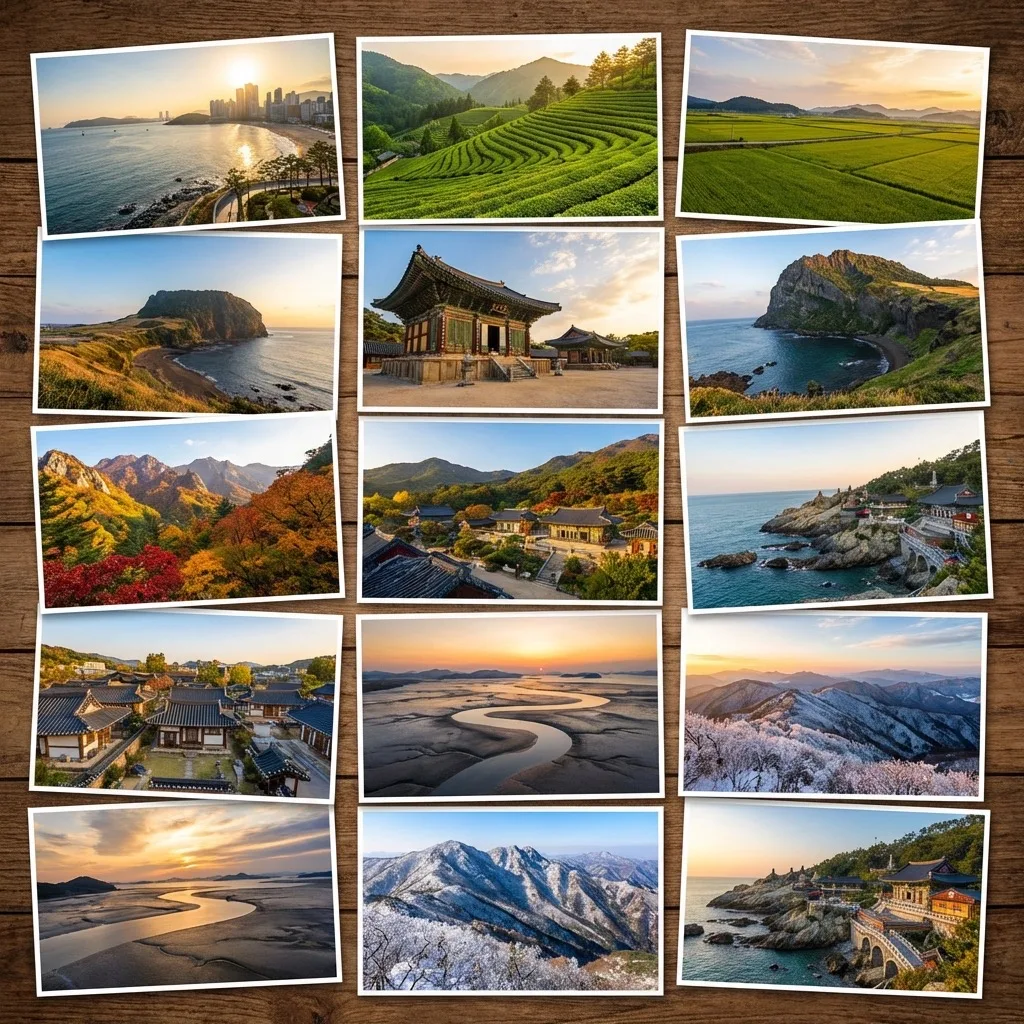
Seoul is a world-class city. It has palaces, K-pop, and neon lights. But staying only in Seoul is like visiting the US and never leaving Times Square.
South Korea is a land of dramatic mountains, ancient fortresses, and foggy tea fields. It has coastal cities where grandma divers catch seafood by hand, and bamboo forests so quiet you can hear the wind.
The country is compact and connected by high-speed trains (KTX), meaning you can reach almost anywhere in under 4 hours.
If you’re ready to see the real Korea, step off the beaten path. Here are the top 15 destinations you simply cannot miss.
The "Must-Visits" (The Big Two)
If you only have time for one trip outside Seoul, pick one of these.
1. Busan: The Coastal Metropolis
Busan is Korea’s Miami or Los Angeles. It’s gritty, loud, and bursting with energy.
- Why Go: For the beaches, the fresh seafood, and the unique hillside villages.
- Highlights:
- Haeundae Beach: Korea's most famous strip of sand.
- Gamcheon Culture Village: A kaleidoscope of colorful houses stacked on a steep hill (pictured above).
- Jagalchi Market: A massive fish market where you can eat sashimi fresh from the tank.
- Getting There: KTX from Seoul Station (2.5 hours).
2. Jeju Island: The Hawaii of Korea
A volcanic island south of the mainland, Jeju feels like a different country. It has its own dialect, culture, and climate.
- Why Go: For nature that looks prehistoric. It’s a UNESCO World Natural Heritage site.
- Highlights:
- Hallasan Mountain: Hiking the highest peak in South Korea (an extinct volcano).
- Seongsan Ilchulbong: A crater rising out of the sea for unmatched sunrises.
- Waterfalls: Cheonjiyeon and Jeongbang falls are iconic.
- Getting There: 1-hour flight from Gimpo Airport (World’s busiest air route).
Time Travel: Ancient History
3. Gyeongju: The Museum Without Walls
For 1,000 years, Gyeongju was the capital of the Silla Kingdom. It’s unmatched for history buffs.
- Highlights:
- Daereungwon: Giant grassy mounds that are actually royal tombs.
- Bulguksa Temple: A masterpiece of Buddhist architecture.
- Donggung Palace: See it at night when it reflects perfectly in the pond.
- Getting There: KTX to Singyeongju Station (2 hours).
4. Andong: The Soul of Tradition
If you want to see how Korean aristocrats lived 500 years ago, go to Andong.
- Highlights:
- Hahoe Folk Village: A living UNESCO village where people still live in traditional thatched-roof houses.
- Mask Dance Festival: Home of the famous Hahoe masks.
- Jjimdak: The birthplace of the spicy soy-sauce braised chicken dish.
- Getting There: KTX-Eum from Cheongnyangni Station (2 hours).
5. Suwon: The Fortress City
The easiest day trip from Seoul.
- Highlights:
- Hwaseong Fortress: Walk along the massive walls that encircle the city center.
- Flying Suwon: Ride a tethered hot air balloon for a view of the fortress.
- Getting There: Subway Line 1 or KTX from Seoul (30 mins).
Coastal Escapes: East Sea & South Sea
6. Sokcho: Mountains Meet the Sea
Located in the northeast, Sokcho is the gateway to Korea’s most famous mountain.
- Highlights:
- Seoraksan National Park: Jagged granite peaks and autumn foliage.
- Abai Village: A settlement founded by North Korean refugees, famous for "Abai Sundae" (squid sausage).
- Getting There: Express Bus (2.5 hours).
7. Gangneung: The Coffee Capital
Just south of Sokcho, Gangneung is hip, young, and caffeinated.
- Highlights:
- Anmok Coffee Street: A beach lined entirely with independent coffee roasters.
- Jumunjin Beach: The bus stop from BTS’s "Spring Day" album cover.
- Getting There: KTX from Seoul Station (2 hours).
8. Yeosu: The Romantic Night Sea
Famous for a song literally titled "Yeosu Night Sea," this port city is pure romance.
- Highlights:
- Yeosu Cable Car: Passes right over the open ocean.
- Nangman Pocha: A street of tent bars (pojangmacha) serving seafood by the water.
- Getting There: KTX to Yeosu-Expo Station (3 hours).
9. Tongyeong: The Naples of Korea
A port city dotted with hundreds of islands.
- Highlights:
- Skyline Luge: Ride a cart downhill with an ocean view.
- Dongpirang Mural Village: One of the original mural villages in Korea.
- Getting There: Bus from Seoul (4 hours).
Picturesque Nature
10. Suncheon: The Ecological Capital
If you love wetlands and birds, this is your paradise.
- Highlights:
- Suncheon Bay National Garden: A massive, manicured garden.
- Suncheon Bay Wetland Reserve: Walk on boardwalks through endless fields of golden reeds.
- Getting There: KTX to Suncheon Station.
11. Boseong: Green Tea Fields
Just a short bus ride from Suncheon.
- Highlights:
- Daehan Dawon: Terraced green tea fields carved into a mountainside. The scent of green tea is everywhere.
- Green Tea Ice Cream: A must-try at the gift shop.
- Getting There: Bus from Gwangju or Suncheon.
12. Damyang: The Bamboo Forest
- Highlights:
- Juknokwon: A sprawling bamboo forest. The air here is noticeably cooler and fresher.
- Metasequoia Road: A stunning tunnel of towering trees.
- Getting There: Bus from Gwangju.
Urban & Cultural Gems
13. Jeonju: The Foodie Heaven
Ranked by UNESCO as a City of Gastronomy.
- Highlights:
- Jeonju Hanok Village: The largest collection of Hanok houses in a city center.
- Bibimbap: This is where the dish was invented.
- Street Food: Grilled cheese skewers, baguette burgers, chocopie.
- Getting There: KTX to Jeonju Station.
14. Chuncheon: The Lake City
Also known as the romantic getaway for Seoulites.
- Highlights:
- Nami Island: Famous for its tree-lined paths (made famous by Winter Sonata).
- Dakgalbi: Spicy stir-fried chicken. Chuncheon has an entire alley dedicated to it.
- Getting There: ITX Train from Yongsan (1 hour).
15. Pohang: The New Hotspot
Recently famous due to the drama Hometown Cha-Cha-Cha and a crazy sculpture.
- Highlights:
- Space Walk: A walkable rollercoaster track (yes, you walk on the loop-de-loops) high above the park.
- Homigot: A giant bronze hand rising from the ocean.
- Getting There: KTX to Pohang Station.
Which One Should You Pick?
- If you like History: Gyeongju, Andong, Suwon.
- If you like Taking Photos: Busan (Gamcheon), Jeonju (Hanok), Boseong (Tea).
- If you like Hiking: Jeju, Sokcho.
- If you like Food: Jeonju, Busan, Sokcho.
South Korea is small enough that you can easily combine these destinations. A popular route is Seoul -> Jeonju -> Gyeongju -> Busan.
16. Emerging for 2026: The "New" Must-Visits
While the big names like Busan and Jeju remain essential, 2026 has seen a surge in interest for smaller, slower cities that offer a more intimate look at Korean life.
Danyang: The Adventure Capital
Located in the heart of the Sobaeksan Mountains, Danyang is for those who find Seoul too flat.
- Paragliding: Danyang is Korea's premier paragliding spot. You jump from Mt. Yangbang and glide over the Namhan River.
- Mancheonha Skywalk: A giant spiral structure that offers a 360-degree view of the karst topography.
- Dodamsambong Peaks: Three limestone rocks rising from the center of the river—the ultimate postcard shot.
Mokpo: The Port of Nostalgia
On the southwestern tip of the peninsula, Mokpo is a city that feels frozen in the early 20th century.
- Mokpo Marine Cable Car: The longest in Korea, it takes you across the sea to Gohado Island.
- Modern History District: Walk through preserved Japanese-style architecture from the colonial era.
- Nakji (Octopus): This is the place to try San-nakji (long-arm octopus) in its most authentic form.
Suncheon: The 2026 Eco-Leader
Suncheon has doubled down on its status as an ecological hub.
- The 2026 Garden Expo: The city is hosting a major international garden exposition, transforming the entire downtown area into a walkable botanic park.
- Naganeupseong Walled Town: Unlike Hahoe, this is a fortified village where people live in thatched-roof houses exactly as they did in the Joseon Dynasty.
17. The Regional Food Bible: What to Eat Where
In Korea, food is identity. Each province has a "signature dish" (Hyangto Eumsik) that tastes better there than anywhere else.
| City | Signature Dish | Why it's Special |
|---|---|---|
| Busan | Dwaeji Gukbap | Pork bone soup with rice; a gritty, hearty soul food born from the Korean War. |
| Jeonju | Kongnamul Gukbap | Soybean sprout soup. It’s the ultimate hangover cure and uses Jeonju’s world-famous sprouts. |
| Chuncheon | Dakgalbi | Spicy stir-fried chicken with cabbage and rice cakes. Tastes best at "Dakgalbi Alley." |
| Andong | Heotjesabap | "Fake" ritual food. A mix of bibimbap prepared as if for an ancestral ceremony. |
| Gyeongju | Hwangnam-pang | A small pastry filled with sweet red bean paste. They have been making them since 1939. |
| Sokcho | Abai Sundae | Squid stuffed with noodles and vegetables. A North Korean refugee specialty. |
18. Cross-Country Logistics Mastery
The biggest mistake travelers make is assuming the KTX goes everywhere. It doesn't.
KTX vs. SRT vs. Express Bus
- KTX (Korea Train eXpress): Departs from Seoul Station or Yongsan Station. Best for Busan, Jeonju, Gyeongju, and Gangneung.
- SRT (Super Rapid Train): Departs from Suseo Station (Gangnam). Identical speed to KTX, but better if you're staying in the southern part of Seoul.
- Express Bus (Gosok Bus): Use the Seoul Express Bus Terminal (Gyeongbu/Yeongdong lines) or Central City Terminal (Honam line).
- Pro Tip: For Damyang, Boseong, or the deep mountains of Gangwon-do, the bus is often faster and more direct than a train-to-bus transfer.
- Premium Gold Buses: If a bus ride is over 3 hours, book the "Premium" class. You get a lay-flat seat, a private TV, and a wireless phone charger. It is significantly more comfortable than a KTX economy seat for half the price.
19. Seasonal Regional Highlights: Timing Your Trip
How to Decide What to Add First
If you only have 2-4 extra days outside Seoul, pick by trip shape rather than by ambition.
- Want the easiest first add-on? Jeonju or Suwon.
- Want the best single long trip? Busan or Gyeongju.
- Want the most dramatic nature? Jeju or Sokcho.
- Want a slower regional city? Suncheon, Tongyeong, or Andong.
Simple Planning Rule
- Put one city on the coast, one in the mountains, and one for food/history.
- Use KTX for the obvious routes.
- Use express bus only when it cuts out a bad transfer.
- Do not try to do all 15. Pick 3 and make them good. | Season | Destination | The Big Event | |---|---|---| | Spring | Jinhae | The largest Cherry Blossom Festival in the world (early April). | | Summer | Boryeong | The Boryeong Mud Festival. Thousands of people wrestling in nutrient-rich sea mud. | | Autumn | Andong | The Andong Mask Dance Festival. A UNESCO-recognized performance art. | | Winter | Pyeongchang | The Daegwallyeong Snow Festival and world-class skiing at Alpensia. |
20. Frequently Asked Questions (FAQ)
Q: Can I do Gyeongju as a day trip from Seoul?
A: Technically yes (2 hours each way), but we don't recommend it. Gyeongju's magic happens at night when the palaces and tombs are lit up. Stay at least one night in a Hanok (traditional house) to get the full experience.
Q: Is it hard to travel regionally without knowing Korean?
A: The main tourist hubs (Busan, Jeju, Gyeongju) are very English-friendly. However, in places like Mokpo or Danyang, you should rely on Naver Map and Papago (translation app). Google Maps will not help you with regional bus schedules.
Q: Do I need to book KTX tickets in advance?
A: YES. For weekends and Friday afternoons, tickets often sell out 2 weeks in advance. Use the KORAIL Talk app (it has an English interface) to book.
Q: Should I rent a car?
A: In Jeju, yes—it's almost mandatory. On the mainland, only rent a car if you're planning to visit the mountains (Sokcho, Danyang) or the tea fields (Boseong). For major cities, the traffic and parking are not worth the hassle.
21. Regional Accommodation: Where to Stay Beyond the Hotel
In Seoul, you stay in a high-rise. In the provinces, your accommodation is the experience.
The "Stay" Culture (Sookso)
- Temple Stay: For a spiritual reset, book a night at Beomeosa (Busan) or Bulguksa (Gyeongju). You live like a monk for 24 hours—vegetarian meals, 4 AM chanting, and tea with the head monk.
- Modern Hanok Stays: Don't just visit the village; sleep in it. Many Hanoks in Jeonju and Gyeongju have been retrofitted with underfloor heating (Ondol) and modern bathrooms while keeping the traditional wood and paper architecture.
- Pension Culture: For Gangneung or Sokcho, Koreans love "Pensions." These are privately owned vacation rentals, often with a theme or a specific view. Look for "Full Vila" pensions if you want a private heated pool overlooking the East Sea.
22. Your 2026 Regional Travel Bucket List
If you are a completionist, here is what you need to do to say you've Truly seen Korea.
- Hike Hallasan (Jeju): Conquer the summit of Korea’s highest volcano.
- Eat Sashimi at Jagalchi (Busan): Point at a fish, watch it disappear, and eat it ten minutes later.
- Cross the Suspension Bridge (Danyang): Test your fear of heights over the South Han River.
- Watch the Sunset at Homigot (Pohang): See the giant bronze hand catch the sun.
- Experience a Tea Ceremony (Boseong): Sip hand-picked matcha in the middle of a green mountain.
23. The Essential Regional Packing List: Don't Leave Seoul Without These
Regional travel requires slightly different gear than a city break in Myeongdong.
- Portable Power Bank: Regional buses have chargers, but they are often the older USB-A variety or may be out of order. A 20,000mAh bank is vital for long hauls to places like Mokpo or Sokcho.
- Microfiber Towel: Traditional Hanok stays and smaller pensions often provide small "Face Towels" instead of large Western bath towels. Bringing your own lightweight microfiber towel will save you from a very awkward drying experience.
- Slip-On Shoes: You will be taking your shoes off constantly—in restaurants, Hanok houses, and temples. Leave the complicated boots at home and bring high-quality, comfortable slip-ons.
- Physical Cash: While 99% of Korea is cashless, small-town bus terminals and rural street food stalls sometimes prefer (or only accept) cash. Keep ₩50,000 in small bills tucked away.
Conclusion
Seoul is the neon heart of South Korea, but the provinces are its soul. From the volcanic winds of Jeju to the silent bamboo groves of Damyang, the real magic of the peninsula happens when you step off the KTX and into the slower rhythm of regional life. By 2026, with the expansion of high-speed rail to the "emerging" cities and the growth of premium bus networks, there has never been a better time to be a provincial explorer. Whether you're chasing the perfect sunset at Homigot or the perfect bowl of Dakgalbi in Chuncheon, you are participating in a culture that is as diverse as the mountains that define it.
Ready to start planning your perfect trip? For a step-by-step route covering the highlights, see our Ultimate 10-Day South Korea Itinerary for First-Timers. If you're figuring out the logistics, check out our Ultimate Guide to Public Transportation in Korea for navigating cross-country trains and buses. To prepare for the varied weather you'll encounter from the mountains to the coast, consult our South Korea Packing List. and don't miss our Budget Travel Survival Guide to learn how to experience all these amazing places affordably.