The Ultimate 10-Day South Korea Itinerary for First-Timers

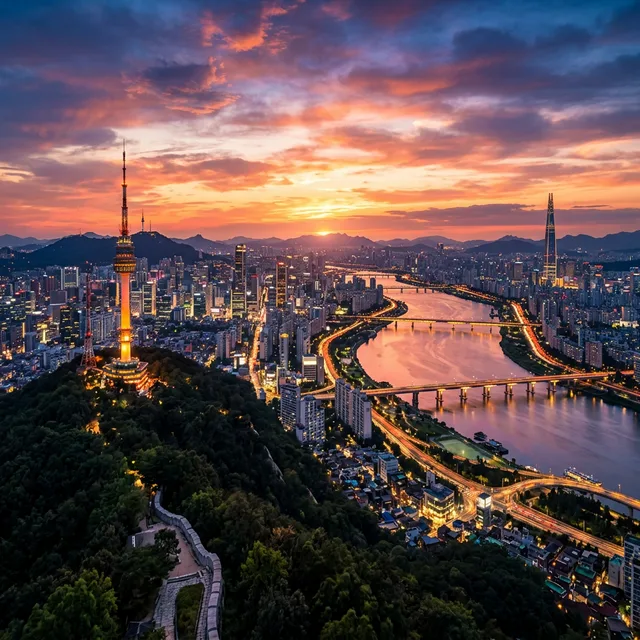
You've just landed at Incheon Airport. You're holding your passport, staring at signs in Hangul, and wondering: Where do I even start?
Here's the truth: Most first-time itineraries to South Korea cram too much into too little time, leaving you exhausted instead of exhilarated. This guide is different—it's balanced, flexible, and built around avoiding the mistakes that trip up 90% of first-timers.
Before You Go: Essential Prep (Do This Now)
1. Book Your KTX Tickets (Pro-Tip: Use the Korail Talk App)
The KTX high-speed train from Seoul to Busan is the backbone of Korean travel and sells out fast, especially on weekends. While the official website works, downloading the Korail Talk app is much more user-friendly for foreigners. Critical Tip: If the direct KTX is sold out, check for "Standing/Non-reserved" tickets or look at the SRT (Super Rapid Train) which leaves from Suseo Station in southern Seoul.
2. Download the Right Apps
Google Maps doesn't work in South Korea. Download these instead:
- Naver Maps: For navigation and public transit
- Kakao Maps: Alternative with better restaurant reviews
- Papago: Translation app (better than Google Translate for Korean)
3. Get a T-Money Card at the Airport
This rechargeable transit card works on subways, buses, and even taxis. Buy it at a GS25 convenience store in Incheon Airport arrivals hall.
4. Book These in Advance
- Nanta Show (Seoul): Sells out weeks ahead
- Changdeokgung Secret Garden Tour: Limited daily slots
- Jeju activities: Car rentals or tour packages
Days 1-4: Seoul (The Cultural Heart)
Day 1: Arrival & Myeongdong
Morning/Afternoon:
- Land at Incheon Airport
- Get your T-Money card
- Take the Airport Railroad Express (AREX) to Seoul Station (43 minutes, ₩9,000)
- Check into your hotel in Myeongdong or Hongdae
Evening:
- Explore Myeongdong: Korea's shopping mecca with street food stalls (try hotteok and tteokbokki)
- Take the cable car up Namsan Tower (N Seoul Tower) for sunset views over Seoul
- Pro tip: The view is free from the base; only pay if you want to go to the observation deck
Where to Stay: Myeongdong or Hongdae (central, near subway)
Day 2: Palaces & Hanok Villages
Morning:
- Visit Gyeongbokgung Palace (opens 9 AM)
- Insider hack: Rent a hanbok (traditional Korean dress) nearby for free palace entry and Instagram-worthy photos
Afternoon:
- Walk through Bukchon Hanok Village: Traditional Korean houses with charming alleyways
- Explore Insadong: Art galleries, tea houses, and traditional crafts
Evening:
- Stroll along Cheonggyecheon Stream: A peaceful urban stream with LED lights at night
First-Timer Mistake to Avoid: Don't try to visit all 5 palaces in one day. Seoul is huge, and travel between districts takes 30-60 minutes.
Day 3: DMZ or Modern Seoul (Choose Your Adventure)
Option A: DMZ Tour (A Deep Dive into History)
Booking a tour to the Demilitarized Zone (DMZ) is mandatory as you cannot visit independently. Expert Advice: If you want the most impactful experience, look for tours that include the JSA (Joint Security Area)—the blue huts where North and South Korean soldiers stand face-to-face. Note: JSA tours are often suspended due to political tensions, so check availability 2 months in advance. Standard tours include:
- Imjingak Park
- 3rd Infiltration Tunnel
- Dora Observatory (view into North Korea)
Book through: Klook or Viator (₩60,000-₩80,000)
Option B: Modern Seoul (Urban Exploration)
If you skip the DMZ, explore Seoul's modern side:
- Hongdae: Youth culture, street performances, indie music venues
- Gangnam: Upscale shopping, Gangnam Style statue, COEX Mall
- Dongdaemun Design Plaza (DDP): Futuristic architecture and night markets
Day 4: Last Seoul Morning → Fly to Jeju
Morning:
- Relaxed start: Visit Gwangjang Market for traditional Korean breakfast (bindaetteok, mayak gimbap)
- Last-minute shopping or visit a specific neighborhood you missed
Afternoon:
- Domestic flight from Gimpo Airport to Jeju (1 hour, book via Jeju Air or Korean Air)
- Check into your Jeju City hotel
Evening:
- Light exploration: Walk along a nearby beach or visit Dongmun Traditional Market
Days 5-7: Jeju Island (Natural Wonders)
Transportation Note: Jeju is best explored by car, but if you don't have an international driving license, book day tours or use local buses.
Day 5: East Coast Exploration
Morning:
- Seongsan Ilchulbong (Sunrise Peak): UNESCO World Heritage volcanic crater (arrive early to avoid crowds)
- Sangumburi Crater: Unique flat-bottomed parasitic volcano
Afternoon:
- Woljeongri Beach: Scenic cafes with ocean views
- Walk a section of the Jeju Olle Trail (coastal hiking trail with stunning views)
Evening:
- Seafood dinner in Seongsan (try grilled hairtail fish)
Day 6: South or West Jeju (Choose Your Route)
Option A: South Jeju (Waterfalls & Cliffs)
- Cheonjiyeon Waterfall: Tropical waterfall in the city
- Jusangjeolli Cliffs: Hexagonal basalt columns (like Ireland's Giant's Causeway)
- Oedolgae Rock: Dramatic coastal rock formation (best at sunset)
Option B: West Jeju (Beaches & Tea)
- Hyeopjae Beach: White sand and turquoise water
- O'sulloc Tea Museum: Green tea fields and free tastings
- Hallim Park: Lava caves and botanical gardens
Day 7: Fly to Busan
Morning:
- Visit Olle Market for local snacks and souvenirs
- Domestic flight from Jeju to Busan (1 hour)
Afternoon:
- Check into your Busan hotel (Haeundae or Seomyeon area)
- Explore BIFF Square: Street food and shopping
- Walk through Yongdusan Park and see Busan Tower
Days 8-9: Busan (Coastal Vibes)
Day 8: Temples & Colorful Villages
Morning:
- Haedong Yonggungsa Temple: Rare seaside Buddhist temple with ocean views (arrive before 9 AM to avoid tour groups)
Afternoon:
- Haeundae Beach: Korea's most famous beach
- Haeundae Blueline Park: Ride the Sky Capsule along the coast (book tickets online)
Evening:
- Gamcheon Culture Village: Colorful houses stacked on a hillside with street art and cafes (best in late afternoon light)
Day 9: Markets & Beaches
Morning:
- Gwangalli Beach: View of the iconic Gwangan Bridge
- Relax at a beachside cafe
Afternoon:
- Jagalchi Fish Market: Korea's largest seafood market (try live octopus or grilled fish)
- Gukje Market: Traditional market for souvenirs and street food
Evening (Optional):
- Spa Land in Centum City: Luxury Korean spa experience (₩15,000 entry)
- Songdo Marine Cable Car: Coastal views at sunset
Day 10: Return to Seoul & Departure
Morning:
- Take the KTX train from Busan to Seoul (2.5 hours, ₩59,800)
- Arrive at Seoul Station
Afternoon/Evening:
- Last-minute shopping in Myeongdong or Gangnam
- Head to Incheon Airport (allow 2 hours for check-in)
First-Timer Mistakes to Avoid
1. Over-Planning Your Days
Korean cities are massive. Traveling between neighborhoods can take 30-60 minutes. Don't cram 5 activities into one day.
2. Using Google Maps
It doesn't work. Use Naver Maps or Kakao Maps instead. Download them before you arrive.
3. Sitting in Elderly Subway Seats
Even if they're empty, never sit in the priority seats (marked in a different color). Koreans take this seriously.
4. Carrying Luggage During Rush Hour
If you're moving between cities, avoid subway travel during peak hours (7-9 AM, 6-8 PM). Take an airport bus or taxi instead.
5. Skipping the T-Money Card
Cash and credit cards work, but the T-Money card is essential for seamless public transit.
Transportation Between Cities: Time & Cost Guide
Getting between Seoul, Jeju, and Busan on this itinerary involves a mix of flights, trains, and ferries. Here's the practical breakdown:
How to Adjust the Itinerary
This plan works best as a template, not a prison.
If You Care More About Food Than Sights
- Drop one palace day in Seoul
- Add a market morning in Jeonju or Busan
- Keep the KTX block intact so you do not waste a travel day
If You Care More About Nature
- Keep Jeju and Busan
- Replace one Seoul shopping block with a trail or coastal walk
- Leave the DMZ off unless history is your main goal
If You Care More About First-Timer Comfort
- Stay in central Seoul the first two nights
- Avoid same-day airport-to-city-to-city transfers
- Book the KTX before anything else
| Route | Method | Duration | Cost (approx.) |
|---|---|---|---|
| Seoul → Jeju | Domestic flight (Gimpo → Jeju) | 1 hr | ₩50,000–₩120,000 |
| Seoul → Jeju | Domestic flight (Incheon → Jeju) | 1 hr 10 min | ₩45,000–₩100,000 |
| Jeju → Busan | Domestic flight | 55 min | ₩45,000–₩100,000 |
| Busan → Seoul | KTX (Busan → Seoul Station) | 2 hr 30 min | ₩59,800 |
| Busan → Seoul | Express bus | 4 hr | ₩27,000–₩35,000 |
| Seoul → Busan (direct) | KTX (skip Jeju) | 2 hr 30 min | ₩59,800 |
Book domestic flights 3–6 weeks in advance for best prices on Jeju Air, Air Busan, and Jin Air. Prices can triple during spring cherry blossom and autumn foliage peak weekends.
Flexible Routing Options
If you have only 7 days: Skip Jeju Island (it deserves 2+ nights to do properly) and do Seoul (5 days) → Busan (2 days). Take the KTX both ways. This is the most efficient first-timer route without feeling rushed.
If you have 14 days: Add Gyeongju between Busan and Seoul on the return — Korea's ancient capital is 30 minutes from Busan by KTX and deserves a full day or overnight stay. Alternatively, add Jeonju as a detour: Seoul → Jeonju → Busan by KTX.
If budget is the priority: Replace the Seoul → Jeju → Busan flight chain with a Seoul → Busan KTX (₩59,800) and spend the saved money on food and experiences. You can cover a strong 10 days of content in Seoul and Busan alone.
Packing Essentials
- Comfortable walking shoes: You'll walk 10+ km per day
- Mask, eye drops, nasal spray: Air quality can be poor in spring
- Multiple credit cards: As backup (some places don't accept foreign cards)
- Korean Won cash: For small vendors and markets
Budget Estimate (Mid-Range)
Total: $1,500-$2,000 per person (10 days)
- Accommodation: $50-$80/night (₩70,000-₩110,000)
- KTX Seoul-Busan: $60 (₩59,800)
- Domestic flights: $100-$150 (Jeju round-trip)
- Food: $30-$50/day
- Activities: $200-$300 (DMZ tour, Jeju tours, entrance fees)
Neighborhood Deep-Dives: Making the Most of Each Area
Seoul Neighborhoods You Shouldn't Skip
Ikseon-dong (익선동) One of Seoul's best-preserved alleys of low-rise Korean traditional houses (hanok) converted into independent cafes, wine bars, and boutiques. A 10-minute walk from Insadong. Far quieter than Bukchon and excellent for photography in the early evening.
Seongsu-dong (성수동) Seoul's "Brooklyn" — a converted industrial district in east Seoul packed with design studios, artisan coffee shops, and curated concept stores. The weekend farmer's market and independent boutiques make it a must-visit for those interested in Korean contemporary culture beyond K-pop and palaces.
Euljiro (을지로) The raw, neon-lit industrial alley district just east of City Hall. Printshops, metal fabrication workshops, and hole-in-the-wall pojangmacha (street food tents) sit alongside hip bars attracting Seoul's young creative scene. The contrast of old industrial Korea and new Seoul night culture is unlike anywhere else in the city.
Day-by-Day Food Recommendations
Day 1 (Myeongdong): Dinner: Myeongdong Kyoja for handmade knife-cut noodles (칼국수) — one of Seoul's most beloved traditional noodle restaurants. Queue before 6 PM to avoid a 30-minute wait.
Day 2 (Palace area / Bukchon): Lunch: Jirisan Sanchaekjeong restaurant near Gyeongbokgung for traditional dosirak (Korean bento box) with mountain vegetables and seasonal side dishes. A fitting way to eat after a palace morning.
Day 4 (Gwangjang Market): Traditional breakfast: Bindaetteok (mung bean pancakes) and mayak gimbap (tiny addictive rice rolls wrapped in seaweed) at the original stalls near the market entrance. Eating here before flying to Jeju is one of the great Seoul food memories.
Busan (Days 8–9): Milmyeon (Busan's cold wheat noodles, different from Seoul naengmyeon) at a traditional Busan milmyeon restaurant. Busan's milmyeon culture is distinct from Seoul — the noodles are thicker and the broth richer.
Rainy Day Alternatives
Korea's spring and summer bring unpredictable rain, and the monsoon (jangma) arrives in late June/early July. Here are alternatives to outdoor plans:
In Seoul:
- National Museum of Korea (free, world-class, 3–4 hours)
- Seoul Arts Center (contemporary art exhibitions)
- COEX Mall (Starfield Library + shopping + cinema)
- Korean spa / jjimjilbang day — the most Korean rainy day activity possible
In Jeju (if it rains):
- Jeju Folk Village Museum — outdoor but largely covered walkways through traditional Jeju architecture
- Camellia Hill — greenhouse camellia garden, ideal in rain
- Lava tube caves (Manjanggul) — entirely underground; weather-independent
In Busan:
- Busan Museum of Art (free on specific days)
- Shinsegae Department Store Centum City — the world's largest department store; an experience in itself even if you don't buy anything
2026 Practical Updates
T-Money card vs K-Pass (2026): The K-Pass — launched in 2024 and expanded in 2025 — offers transit rebates of 20–53% on public transportation after 15+ rides per month. For a 10-day trip, it's worth signing up: you can save 10,000–20,000 KRW over the trip on transit alone. Register via the Korea Rail Pass website or at T-money counters in larger subway stations.
K-ETA status (2026): Most Western passport holders (US, UK, EU, Australia, Canada) are currently K-ETA exempt through the continued exemption program. Check the Korean Immigration Service website before departure as exemption status can change. See our complete K-ETA guide for the current list.
AREX transit update (2026): The Airport Railroad Express now accepts international contactless payments (Apple Pay, Google Pay, Visa/Mastercard tap) directly at fare gates — no T-Money card required for the airport run. T-Money remains better value for city subway travel.
Final Thoughts
This 10-day itinerary balances iconic sights with practical logistics. You'll see ancient palaces, volcanic islands, and coastal temples—without the exhaustion of over-planning.
The key? Flexibility. If you fall in love with Seoul, skip Jeju and explore more neighborhoods. If you crave nature, add an extra day to Jeju. This is your trip — make it yours.
South Korea rewards travelers who slow down. The country is small enough to cover its major highlights in 10 days, but rich enough that any single city — Seoul especially — could absorb weeks without exhausting its cultural depth. Many first-time visitors return specifically to go deeper: a focused food trip to Jeonju, a hiking-centric trip in Gangwon-do, or a cultural deep-dive into the ancient Silla dynasty heritage of Gyeongju. This itinerary is designed as a foundation — the best orientation to what Korea has to offer, structured so you can return and build from it.
Practical reminders for the day of departure:
- Allow at least 90 minutes from central Seoul to Incheon Airport via AREX (direct express, 43 minutes from Seoul Station)
- Incheon requires check-in 2 hours before departure for international flights; 3 hours is safer for peak season
- Duty-free shopping in the departure terminal is excellent — Sulwhasoo, Laneige, and major K-beauty brands have duty-free counters with competitive pricing and free gift wrapping
Ready to dive deeper? Check out our guide on Best Time to Visit South Korea to pick the perfect season, learn about Essential Apps for Traveling in Korea to navigate like a local, or explore our guide to traditional markets for the best shopping and street food. For a final layer of preparation, review our essential health and safety tips to ensure your 10-day journey is as smooth as it is memorable.