Shop Like a Local: The Ultimate Guide to Korean Markets
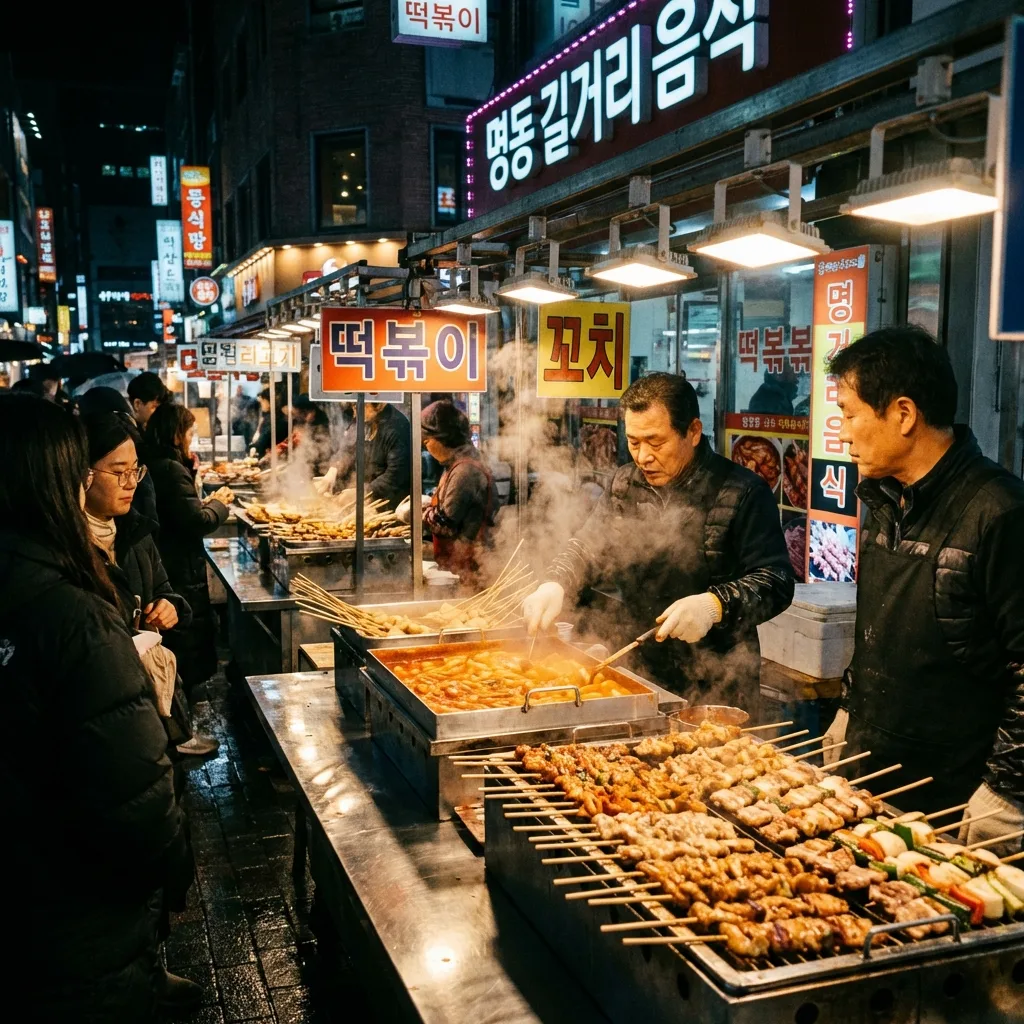
The moment you step under the canvas awnings of a Korean traditional market, the city transforms. The department store perfume disappears, replaced by the sizzling fat of mung bean pancakes, dried anchovy dust, the sharp medicinal bite of ginseng root, and the faintly briny mist rolling off tanks of live fish. These are not tourist attractions — they are the living infrastructure of Korean daily life, and they happen to be the most exciting places to spend a morning (and a handful of 10,000-won notes) in the country.
What Makes Korean Traditional Markets Different
Traditional Korean markets, known as jaeraesijang (재래시장), operate on a fundamentally different logic from modern retail. Each market evolved around a specific trade — fish, fabric, herbs, wholesale fashion — and that specialization is still visible today. You do not go to Noryangjin for blankets. You do not go to Gwangjang for live crab. Understanding this geography is the first unlock to shopping well.
South Korea has more than 1,500 registered traditional markets nationwide, but the Seoul cluster is where you can cover the most ground in the least time. Within a single day, you can buy breakfast at a 70-year-old bindaetteok stall, pick up a bolt of silk brocade, negotiate the price of a king crab, and leave with a bag of medicinal herbs your grandmother would recognize. This guide gives you the map and the moves.
Gwangjang Market: The One You Cannot Miss
If you only visit one Korean traditional market, make it Gwangjang. Established in 1905, it is the oldest continuously operating market in Korea, and it has two completely different personalities stacked on top of each other.
The Ground Floor: A Legendary Food Hall
The ground-floor food alley is the main attraction, and it earns every superlative thrown at it. By 9 a.m., vendors are already deep-frying bindaetteok (빈대떡), the crispy mung bean pancakes that smell like toasted grain and hot oil. The sizzle-pop of batter hitting a cast iron pan is the market's unofficial alarm clock. Order one with a side of makgeolli (raw rice wine) and you have just eaten the way Seoulites have been eating here for over a century.
The food most associated with Gwangjang, however, is mayak gimbap (마약 김밥) — "narcotic rice rolls." These are tiny cylinders of rice and yellow radish, no bigger than a finger joint, wrapped in seaweed and served with a mustard-sesame dipping sauce. The name comes from how addictive they are. A single portion (about 20 pieces) runs 3,000 to 4,000 KRW. One is never enough.
The more adventurous eaters come for yukhoe (육회), Korean beef tartare seasoned with sesame oil, garlic, pear, and soy. It arrives topped with a raw egg yolk and a scattering of pine nuts. When fresh, it is silky and sweet-savory in a way that makes Western tartare taste comparatively blunt. Expect to pay around 15,000 to 20,000 KRW per serving from the stalls that specialize in it.
Raw seafood is another pillar of the Gwangjang food experience. The hoedeopbap (raw fish rice bowl) stalls serve generous bowls heaped with sliced flatfish, salmon, and sea bream over seasoned rice with gochujang sauce. Budget 12,000 to 16,000 KRW for a full bowl.
The Second Floor: Fabric and Hanbok Country
Most visitors never climb the stairs, which is a significant oversight. Gwangjang's second floor is one of the last places in Seoul where wholesale textile merchants still operate side by side, selling bolts of silk brocade, cotton ramie, and woven hanji cloth at prices unavailable anywhere outside Korea.
This is where you shop for hanbok fabric if you want a custom outfit made. The vendors range from formal traditional dress specialists to casual modern-hanbok sellers who produce the linen cropped tops and wide-legged trousers popularized on social media. A ready-to-wear modern hanbok set starts around 60,000 KRW; a custom traditional set runs 200,000 KRW and up, depending on material.
Also on the second floor: Korean mink blankets. These thick, heavy microfiber blankets — technically not mink at all, but branded that way for decades — are a genuine market institution. Vendors will vacuum-seal your chosen blanket into a travel cube roughly the size of a volleyball. A single blanket costs 30,000 to 60,000 KRW depending on size and pattern.
Getting there: Take Seoul Metro Line 1 or 5 to Jongno 5-ga Station (종로5가역), Exit 8. The main entrance is a 2-minute walk.
Namdaemun Market: Seoul's Oldest Commercial Hub
Namdaemun (남대문시장) is technically the oldest market in Seoul, tracing its roots to 1414, and it has never stopped reinventing itself. Today it is a 10,000-stall maze sprawling around Namdaemun Gate in central Seoul, and the overwhelming variety is exactly the point.
What to Buy at Namdaemun
Eyeglasses are Namdaemun's most famous open secret. "Optical Alley" has dozens of opticians who can fill a prescription, fit frames, and hand back completed glasses within 30 to 60 minutes. Prices start at around 30,000 KRW for a basic frame-and-lens package — a fraction of what you would pay at home. Bring your prescription (or visit an optometrist at a nearby clinic for a cheap eye exam).
Children's clothing is a specialty, with wholesale and retail stalls selling items at prices that make parents from other countries audibly gasp. A well-made embroidered top for a toddler runs 8,000 to 15,000 KRW. Coordinated outfits, padded winter jackets, and traditional hanbok for children are all available.
Korean kitchenware — the kind your Korean cooking videos use — fills several dedicated alleyways. You will find the stainless steel banchan side dish containers in every size, the stone dolsot pots for bibimbap, the flat cast iron griddles for cooking samgyeopsal, and the distinctive black sesame oil bottles that every Korean pantry contains.
Ginseng is sold fresh, dried, and processed throughout Namdaemun, typically cheaper than at duty-free shops. A box of premium 6-year red ginseng extract sachets runs 50,000 to 90,000 KRW depending on the brand and quantity.
Import goods have become a surprising Namdaemun specialty. Dedicated sections sell imported European cosmetics, luggage, outdoor gear, and electronics at prices that undercut department stores.
Namdaemun Food: The Galchi-jorim Alley
The food situation at Namdaemun is underrated. The galchi-jorim (갈치조림) alley specializes in braised cutlassfish — that long silver fish cooked in a spicy red sauce with radish and green onion. A single-serving lunch costs around 10,000 to 14,000 KRW and comes with a full spread of side dishes. For breakfast, the hotteok (sweet stuffed pancake) stalls near the main entrance serve the best winter warming food in the city.
Getting there: Metro Line 4 to Hoehyeon Station (회현역), Exit 5.
Dongdaemun Market: 24-Hour Fashion and Fabric
Dongdaemun (동대문시장) is not a single market but a district of interconnected wholesale and retail buildings that collectively form one of the largest fashion manufacturing and trade centers in Asia. The scale is disorienting at first: more than 30,000 stores, some open through the night until 5 or 6 a.m.
Fabric Shopping at Dongdaemun
The fabric market centered around the Dongdaemun Sewing Town (동대문 종합시장) is where Korean garment makers source their materials. For travelers, it is a place to buy unusual textiles at wholesale-adjacent prices. Linen, cotton jersey, wool coating, and specialty prints are sold by the meter (starting around 3,000 to 15,000 KRW per meter). Trimmings, buttons, zippers, and embroidery thread fill the accessory stalls on the lower floors.
Fashion Wholesale and Retail
The gleaming high-rise buildings — Doota!, Hello apM, Migliore, DDP Mall — are where wholesale buyers from across Asia come to stock up overnight. Retail visitors can shop the same racks, though the selection is primarily young women's fast fashion. Prices are sharp: jackets from 20,000 KRW, dresses from 12,000 KRW, and trendy co-ord sets from 35,000 KRW.
The Night Market Experience
The wholesale buildings open at around 8 or 9 p.m. and run until dawn, which means a Dongdaemun shopping trip is inherently a late-night adventure. The surrounding streets fill with food stalls: tteokbokki, tornado potato, hotteok, and the long-standing tradition of sitting on a plastic stool at 2 a.m. eating dak-kkochi (chicken skewers) after finishing a buying run.
Getting there: Metro Line 1, 2, or 4 to Dongdaemun Station (동대문역), or Line 2, 4, or 5 to Dongdaemun History & Culture Park Station.
Noryangjin Fish Market: Buy It Alive, Eat It Upstairs
Noryangjin Fisheries Wholesale Market (노량진수산시장) is one of the most visceral food experiences Seoul offers. The main building is a cavernous warehouse where vendors arrange staggering displays of live sea creatures in illuminated tanks — king crab the size of serving platters, octopus attempting slow-motion escapes from their containers, sea cucumber, turban shell, abalone, and flatfish gliding in shallow trays.
How the System Works
The process is straightforward once you understand it. Walk the wet floor (bring shoes you do not mind getting splashed), pick the seafood you want, and negotiate a price with the vendor. The vendor will weigh and prepare your selection. Then you carry it upstairs to one of the chojang-jib (초장집) — the informal restaurants on the upper floor — who will cook it for a table service fee of approximately 10,000 to 20,000 KRW per person. This covers rice, side dishes, and whatever cooking method you request (raw hoe, grilled, steamed, or soup).
Price Negotiation at Noryangjin
Noryangjin is one of the few Seoul contexts where active price negotiation is expected. Display prices are usually the opening ask. For live king crab, which is sold by weight, prices vary by size and season. A medium crab (around 1.5 kg) typically runs 50,000 to 90,000 KRW. For flatfish (gwangeo), a portion for two people costs roughly 30,000 to 50,000 KRW. Asking "kkakka-juseyo" (깎아주세요 — please lower the price) after agreeing on an item is standard, and vendors usually knock 5 to 15% off for direct buyers.
Must-Order Items
- San-nakji (산낙지): Live octopus, cut and served immediately, still writhing on the plate. The texture is chewy-firm. Dip it in sesame oil with salt. Around 15,000 to 25,000 KRW per plate.
- King crab (대게 or 킹크랩): Steamed upstairs for maximum sweetness. The shells crack with a satisfying pop.
- Jumbo shrimp (daeha): Grilled head-on, best eaten immediately.
- Sea cucumber (haesam): Sliced and eaten raw with chojang (vinegar gochujang sauce).
Getting there: Metro Line 1 to Noryangjin Station (노량진역), Exit 1. The market is directly connected to the station.
Gyeongdong Market (Yangnyeong Market): The Medicinal Herb District
Gyeongdong Market (경동시장), also known as Seoul Yangnyeongsi (서울 약령시), is built around an entirely different sensory register. The smell hits before you see the stalls: a layered, complex blend of dried licorice root, chrysanthemum, astragalus, ginger, and dozens of other herbs that collectively produce a warm, earthy sweetness you will not encounter anywhere else in the city.
This district handles approximately 70% of South Korea's herbal medicine trade. The market has been Seoul's medicinal herb hub since the 17th century, when Joseon-era doctors established supply chains here to stock the royal court's hanyak (한약) pharmacies.
What to Buy at Gyeongdong
Red ginseng (hongsam): The benchmark Korean health product, and Gyeongdong sells it significantly cheaper than airport duty-free counters or Myeongdong tourist shops. A premium 10-stick box of red ginseng extract starts around 35,000 KRW; a 30-stick box runs 80,000 to 120,000 KRW depending on grade.
Herbal tea blends: Pre-mixed tea bags for insomnia, energy, digestion, and immunity are sold throughout the market in gift-ready packaging. Expect to pay 8,000 to 20,000 KRW for a box of 15 to 30 tea bags. The ssanghwa (쌍화차) blend — a dark, slightly bitter tonic tea — is a classic worth bringing home.
Dried jujube, dates, and wolfberry: Sold loose by weight and used in Korean cooking, teas, and samgyetang (ginseng chicken soup). Prices start around 3,000 KRW per 100g.
Traditional medicine consultations: Licensed hanbang (한방) practitioners operate clinics adjacent to the market. Consultations and custom herbal prescriptions are available at a fraction of standard clinic prices.
The market also has a strong produce and seafood section in the lower levels that supplies restaurants across northeast Seoul, making it a great dual-purpose visit for food shopping.
Getting there: Metro Line 1 to Jegi-dong Station (제기동역), Exit 2.
Tongin Market: The Lunchbox Time Machine
Tongin Market (통인시장) near Gyeongbokgung Palace operates the most charming eating system in Seoul. Head to the Customer Center inside the market and exchange 5,000 KRW for a roll of brass yeopjeon coins — reproductions of the old Joseon currency. You also get an empty aluminum lunch tray.
Wander the market paying vendors with the coins to fill your tray: a spoonful of oil-fried tteokbokki (the old-school version cooked in sesame oil rather than the modern spicy sauce), a bundle of japchae noodles, a slice of zucchini pancake, a small square of hotteok, a piece of seasoned spinach. The market has been selling food this way as a tourist attraction since 2012, but it is built on a real traditional market that has been feeding the Jongno neighborhood since 1941.
Budget about 30 minutes to walk the tray route and another 30 minutes to eat in the communal dining area.
Getting there: Metro Line 3 to Gyeongbokgung Station (경복궁역), Exit 2.
Dongmyo Flea Market: The Vintage Underground
Dongmyo Flea Market (동묘 벼룩시장) is the outlier in any Korean market guide, and deliberately so. It looks, at first glance, like a neighborhood-scale garage sale. Tarps spread on the ground hold piles of secondhand shoes. Racks of vintage leather jackets crowd narrow alleyways. Old men at folding tables sort through boxes of vintage watches, ceramic figurines, film cameras, and hardware.
This is where Seoul's serious vintage hunters come. The market has been associated with Korea's fashion underground since well before K-pop made the rest of the world pay attention to Seoul street style. The market now has a dual clientele: elderly Koreans buying and selling practical secondhand goods, and younger fashion people hunting for unique pieces.
What to look for:
- Vintage leather jackets from 10,000 to 50,000 KRW
- Film cameras (35mm and medium format) from 5,000 KRW upward
- Old LP records from 1,000 to 5,000 KRW each
- Retro athletic wear from the 1980s and 1990s
- Vintage folk ceramics from 3,000 KRW
Prices are low, but patience and time are the currencies here. Come on a weekend morning for the best selection and plan to spend at least two hours to properly dig through everything.
Getting there: Metro Line 1 or 6 to Dongmyo Station (동묘앞역), Exit 1.
Market Survival Guide: Everything You Need to Know Before You Go
Bargaining Culture
Bargaining is acceptable in traditional markets, but the rules differ from what many Western travelers expect. The key phrase is "kkakka-juseyo" (깎아주세요), spoken with a friendly tone and ideally a smile. Korean market culture rewards warmth over persistence. Aggressive haggling or theatrical displays of reluctance are counterproductive.
Realistic discounts run 5 to 15% in most circumstances. Buying multiple items from the same vendor, paying cash, and being genuinely pleasant about it are the most effective levers. Do not bargain for food — street food prices are fixed and bargaining at a bindaetteok stall is considered rude.
Cash Is Still King
While Korea is broadly a high-tech cashless society — convenience stores, restaurants, and most retail accept cards without issue — traditional markets still favor cash, and some stalls charge an implicit premium for card payments (framed as a VAT surcharge of up to 10%). Withdraw cash beforehand from an ATM. For guidance on getting the best exchange rates, the currency exchange guide for Korea breaks down the best options, including why the Myeongdong money changers beat airport rates significantly.
Best Times to Visit
| Market | Best Days | Best Hours | Avoid |
|---|---|---|---|
| Gwangjang | Weekdays | 10 a.m. to 1 p.m. | Sunday (closed/reduced) |
| Namdaemun | Weekdays | 10 a.m. to 5 p.m. | Sunday (many closed) |
| Dongdaemun | Any | 10 p.m. to 2 a.m. | Weekday mornings |
| Noryangjin | Weekdays | 7 a.m. to 1 p.m. | Late afternoon |
| Gyeongdong | Weekdays | 9 a.m. to 5 p.m. | Sunday |
| Dongmyo | Weekend | 9 a.m. to 3 p.m. | Rainy days |
Useful Korean Phrases
- Eolmayeyo? (얼마예요?) — How much is this?
- Kkakka-juseyo (깎아주세요) — Please lower the price
- Ijeo juseyo (이거 주세요) — I will take this one
- Hana deo juseyo (하나 더 주세요) — One more, please
- Masisseo! (맛있어!) — It is delicious! (vendors will love you)
- Gamsahamnida (감사합니다) — Thank you
The Service Culture
In traditional market culture, a vendor who likes you will occasionally offer service (서비스) — an unrequested extra. A sock vendor adds a second pair. A food stall gives you an extra piece of bindaetteok. A fruit seller adds a handful of berries to your bag. This is not an obligation to buy more — it is a gesture of goodwill. Accept it with two hands and a slight bow, say gamsahamnida, and enjoy it. This exchange is one of the warmest parts of market culture and something you will not find at a department store.
Tax Refunds
Most stalls in traditional markets do not participate in the tourist tax refund system, so the VAT rebate that applies at department stores generally does not apply here. If tax refunds matter to you, the full Korean tax refund guide explains which retail environments qualify and how to claim at the airport.
What to Buy: A Souvenir Shortlist With Prices
These are the items that pack well, clear customs without issues, and represent genuine Korean craft or culture rather than generic tourist merchandise:
From Gwangjang Market:
- Korean mink blanket (vacuum-packed): 30,000 to 60,000 KRW
- Modern hanbok set (ready-to-wear): 60,000 to 150,000 KRW
- Mayak gimbap (eat on site, 3,000 to 4,000 KRW per portion)
From Namdaemun Market:
- Red ginseng extract box: 50,000 to 90,000 KRW
- Prescription glasses (with prescription): 30,000 to 80,000 KRW
- Stainless banchan containers set: 15,000 to 30,000 KRW
From Gyeongdong Market:
- Ssanghwa herbal tea box: 8,000 to 15,000 KRW
- Dried jujubes (100g): 3,000 to 6,000 KRW
- Red ginseng root (fresh or dried): 25,000 to 80,000 KRW
From Dongmyo Flea Market:
- Vintage leather jacket: 10,000 to 50,000 KRW
- Film camera: 5,000 to 30,000 KRW
- Vintage ceramics: 3,000 to 15,000 KRW
Connecting the Markets: A Suggested One-Day Route
A committed market day in Seoul can hit four or five destinations using the subway. Here is an efficient sequence:
7:30 a.m. — Start at Noryangjin for breakfast sashimi while the tanks are freshest and the wholesale energy is still electric.
10:00 a.m. — Head to Gyeongdong Market for ginseng and herbs before tourist crowds thin out the patience of vendors.
12:00 p.m. — Gwangjang Market for lunch. Take a stall seat, order bindaetteok with a half-jug of makgeolli, and follow it with a bowl of raw fish rice.
2:00 p.m. — Namdaemun Market for practical shopping: eyeglasses, kitchenware, children's clothing, ginseng gifts.
4:30 p.m. — Dongmyo for an hour of vintage hunting before the light fades.
9:00 p.m. — Optional: Continue to Dongdaemun for late-night fashion browsing as the wholesale buildings come alive.
For the Seoul-specific follow-up, compare this with the focused traditional market shopping guide to Gwangjang and Namdaemun. If you want a completely different retail atmosphere, use the Myeongdong shopping guide for tourist-zone beauty and street shopping, or the Seongsu-dong shopping guide for design-led boutiques. And if you expect to buy clothes while moving between these districts, keep the Korean sizing guide handy before you start trying things on.
The traditional market is where the raw energy of Korea has always lived. Not polished, not curated, not translated for tourism — just alive, loud, fragrant, and completely worth every sensory overload.