K-Fashion Trends 2026: What's Hot on the Streets of Seoul

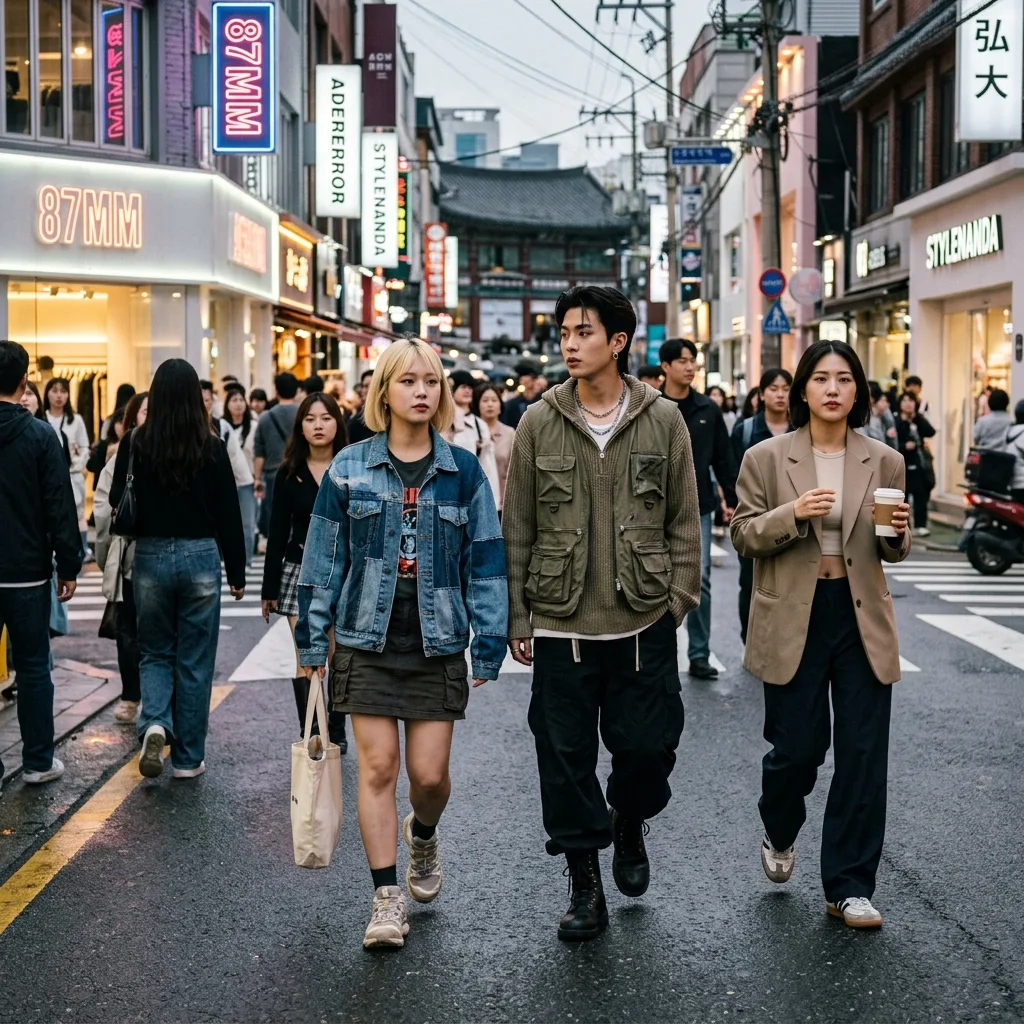
The streets of Seoul, perpetually abuzz with innovation and style, are once again setting the global fashion agenda for 2026. If you're planning a first visit and need to orient yourself before the shopping starts, The Ultimate Seoul Travel Guide: Where to Stay & What to See covers the neighborhoods where these trends come to life. This year, K-Fashion is confidently navigating a fascinating "Soft Clash," a vibrant interplay between high-tech futurism and the comforting embrace of nostalgia. Moving beyond the understated elegance of "Quiet Luxury," 2026 ushers in an era of "Refined Maximalism," where audacious, sculptural forms meet functional, sustainably-minded design. Prepare to immerse yourself in a world where bold statements are harmoniously balanced with an unwavering commitment to conscious creation, all while reflecting a deep appreciation for both the past and the future.
Decoding Seoul's 2026 Fashion Landscape: A Fusion of Eras and Ideologies
Seoul's fashion scene is more than just clothing; it's a dynamic cultural narrative. In 2026, this narrative is richly woven with threads of innovation, environmental consciousness, and a playful disregard for traditional gender norms. The overarching theme is one of thoughtful juxtaposition—where vintage charm coexists with futuristic materials, and fluidity defines both silhouette and identity. This is a year where fashion is not just about what you wear, but what it represents: a sophisticated dialogue between tradition and progression, all curated with an undeniable Korean aesthetic.
K-Fashion in 2026 is characterized by a "Soft Clash" that marries high-tech aesthetics with nostalgic comfort, marking a significant shift from "Quiet Luxury" to "Refined Maximalism." This trend emphasizes sculptural forms, sustainable "Neo-Organic" materials, gender-fluid designs, and a modern interpretation of "Halmeoni-Core" and "Brut Denim."
The Rise of Refined Maximalism and Sculptural Silhouettes
The dominant aesthetic for K-Fashion in 2026 is unequivocally "Refined Maximalism." This isn't about excessive embellishment, but rather about making a statement through exaggerated forms, luxurious textures, and meticulous tailoring. At the heart of this trend is the Balloon Silhouette. Designers are consciously moving away from the sharp, rigid lines that once defined power dressing, opting instead for softer, more rounded shoulders and voluminous, airy shapes. Think of garments that create an almost architectural presence, yet flow with an effortless grace.
Key pieces embodying this trend include the dramatic balloon skirt, which billows and moves with every step, offering both comfort and theatricality. Oversized blazers, with their softened, rounded shoulders, redefine corporate chic, blending professionalism with an artistic sensibility. And "harem" pants, reimagined in polished, high-end fabrics, elevate a once-casual silhouette into something suitable for a sophisticated evening out. The art of styling "Refined Maximalism" lies in balance: typically, one high-volume statement piece is paired with minimalist basics. This ensures the look remains cohesive and elegant, rather than overwhelming, allowing the sculptural garment to truly shine as the focal point. The choice of fabrics often includes those with a subtle sheen or intricate weave, adding to the refined feel without relying on overt sparkle.
Eco-Futurism and the Allure of "Neo-Organic" Materials
Sustainability has transcended its status as a mere buzzword; in 2026, it is the bedrock of K-Fashion. The industry has embraced "Eco-Futurism," a movement that marries ecological responsibility with forward-thinking design and material science. This commitment is evident in the widespread adoption of "Neo-Organic" materials, which are not just environmentally friendly but also push the boundaries of textile innovation.
The market is seeing a massive surge in textiles like Lab-Grown Leather, offering the luxurious feel and durability of traditional leather without the ethical and environmental concerns. Ocean-Plastic Polyester, derived from recovered marine waste, is being transformed into high-performance activewear and chic everyday garments. Even more surprisingly, sweaters knitted from recycled paper are emerging, showcasing an ingenious approach to resourcefulness and a unique texture. The aesthetic of "Neo-Organic" is deeply rooted in natural dyeing techniques, utilizing rich indigo, warm earth tones, and muted botanical hues. However, these natural colors are applied to surprisingly edgy and futuristic cuts, creating a compelling contrast that defines the Eco-Futurism trend. It's a harmonious blend of nature's palette with humanity's ingenuity, creating clothing that feels both grounded and visionary.
Gender-Fluid "Unisex" Tailoring: Beyond Boundaries
The rigid binary divisions that once dictated fashion have largely dissolved in K-Fashion by 2026. A profound shift towards gender-fluid and "unisex" tailoring is redefining how garments are designed and perceived. This evolution is prominently showcased by male idols and influencers, who frequently don traditionally feminine elements like delicate lace, shimmering pearls, and casually cropped cardigans, blurring lines with remarkable grace. Simultaneously, female fashion has embraced "Power Suits" and sharply tailored, oversized silhouettes that exude a powerful, masculine-inspired confidence.
This trend is further amplified by the concept of Modular Design. Clothing is increasingly becoming "transformative," offering versatility and adaptability. Imagine jackets with zip-off sleeves that effortlessly convert into utility vests, or cargo pants featuring detachable pockets that can double as stylish crossbody bags. This modularity not only promotes a sense of practical innovation but also encourages creative self-expression, allowing individuals to customize their outfits to suit various occasions and personal styles. It reflects a broader cultural movement in Korea that champions individuality and challenges conventional norms, making fashion a true reflection of personal identity rather than prescribed gender roles.
The "Halmeoni" (Granny-Core) 2.0: Nostalgia with an Edge
In a delightful counter-response to the increasingly high-tech pace of modern life, a surprising yet deeply comforting trend has re-emerged: Halmeoni Style, or "Granny-Core" 2.0. This nostalgic movement draws inspiration from the classic wardrobes of Korean grandmothers, but with an unmistakable contemporary twist. It’s a celebration of comfort, craftsmanship, and a bygone era, infused with a fresh, edgy sensibility.
Elements central to "Halmeoni Style" include charming quilted floral vests, intricate crochet pieces that evoke a sense of handmade artistry, vintage brooches adding a touch of antique elegance, and delicate lace collars peeking out from beneath structured garments. Seoul's vintage markets in Hongdae and Seongsu-dong are ideal hunting grounds for these pieces—Vintage Shopping in Seoul: Top Thrift Stores in Hongdae and Seongsu covers the best stores and what to expect in terms of pricing and selection. The "twist" in this 2.0 iteration is how these inherently "old-fashioned" pieces are styled. Instead of being worn in a traditional manner, they are boldly paired with tough leather bombers, creating a striking contrast between soft and hard, vintage and modern. Alternatively, they might be integrated with sharp, contemporary streetwear, bridging generational gaps and making a powerful statement about stylistic harmony. This trend isn't about dressing up like a grandmother; it’s about honoring her timeless wisdom and infusing it into a thoroughly modern wardrobe, proving that true style is indeed cyclical and endlessly reinterpretable.
"Brut" & Disciplined Denim: A Return to Raw Form
The era of artfully distressed, ripped, and faded denim has yielded to a new reverence for raw, untamed textile strength: Brut Denim. This trend signals a return to the fundamentals of denim, emphasizing its inherent ruggedness and timeless appeal. "Brut" refers to the raw, unwashed, dark indigo denim that forms the core of this aesthetic. It is characterized by its stiff, premium textures and a rich, deep hue that only develops unique fades and whiskering over time with wear, telling a personal story.
The "Brut Denim" trend also sees the triumphant return of the "Denim on Denim" look, often affectionately known as the Canadian Tuxedo. However, the 2026 rendition is far from casual or haphazard. The focus is now on structural precision and clean lines, with garments featuring reinforced seams and thoughtful tailoring. This approach elevates the denim-on-denim ensemble from a relaxed, worn-in vibe to one of sophisticated, almost architectural elegance. It speaks to a desire for longevity and quality, where denim is seen not just as a casual fabric, but as a robust and refined cornerstone of the contemporary wardrobe. The beauty of Brut Denim lies in its ability to age gracefully, acquiring character and depth with each passing season, making it a sustainable choice for conscious consumers.
Liquid Metallics and Hyperreal Textures: The Cyber-Noir Influence
Drawing heavily from "Cyber-Noir" concepts and a fascination with the digital realm, K-Fashion in 2026 is captivated by the otherworldly allure of Liquid Metallics and Hyperreal Textures. This trend manifests in fabrics that appear to be in a constant state of flux, mimicking molten metal or the shimmering, iridescent surfaces found in virtual realities. The visual impact is striking, as garments crafted from these materials catch and reflect light in dynamic ways, creating an illusion of fluidity and motion.
Chrome, iridescent, and highly reflective silver fabrics are prominent, their surfaces shifting and changing color based on the angle of light, creating an almost holographic effect. These textiles bring a futuristic, almost ethereal quality to everything from sleek dresses to statement accessories. This hyperreal aesthetic extends seamlessly into beauty. "Glass Hair," characterized by its intensely shiny, liquid-like finish, perfectly complements the metallic garments, creating a cohesive, high-gloss look. Similarly, "Jelly Beauty" introduces rubberized, gummy-like nail art and high-shine, non-sticky lip glosses that mirror the slick, futuristic textures of the clothing. It's an entire aesthetic dedicated to looking polished, cutting-edge, and subtly alien, where the lines between reality and digital artistry are delightfully blurred.
Granola Core: Nature-Inspired Comfort
As a softer, more grounded evolution of the "Gorpcore" trend, Granola Core emerges in 2026 as an antidote to urban intensity, focusing on a relaxed, nature-rooted aesthetic. In Seoul, this look finds its natural habitat in Seongsu-dong, where indie designer boutiques and lifestyle stores have embraced earthy, comfort-first aesthetics—Seongsu-dong Guide: Exploring the 'Brooklyn of Seoul' is essential reading for navigating the neighborhood's best spots. While Gorpcore emphasized technical performance gear, Granola Core prioritizes emotional stability and "comfort zone" dressing, drawing inspiration from the tranquility of the outdoors and a desire for genuine well-being.
The foundation of Granola Core is built upon a palette of earthy neutrals: comforting khakis, versatile beiges, and deep moss greens, reflecting the serene colors of natural landscapes. Key garments include soft fleece high-neck jackets, offering warmth and a tactile comfort, and loose plaid shirts, evoking a sense of rustic charm and effortless ease. This trend moves beyond purely functional outdoor wear, integrating elements that speak to a mindful, slower pace of life. It’s about creating an aesthetic that feels both authentic and inviting, where clothing acts as a gentle embrace rather than a performative statement. Granola Core signifies a deeper connection to nature and a desire for clothing that supports a balanced, wholesome lifestyle, making it a compelling choice for those seeking both style and serenity in their everyday wear.
Where to Shop Each K-Fashion Trend in Seoul
Knowing the trends is only half the equation. Seoul's fashion districts are each distinct in character, price point, and what they specialize in—matching the right neighborhood to the trend you're chasing saves time and money.
Apgujeong & Garosugil: For Quiet Luxury and Refined Maximalism
Garosugil, a leafy boulevard in Gangnam-gu, is Seoul's answer to a boutique fashion street. Lined with trees and independent Korean designer stores, it's where you'll find labels like Matin Kim, Mardi Mercredi, and Salon de Yohn delivering quiet luxury with a Korean sensibility. Expect to pay ₩80,000–₩300,000 for well-crafted pieces. A short taxi ride to Apgujeong Rodeo brings you to the higher-end tier—flagship stores and showrooms where the Balloon Silhouette silhouettes and investment-grade tailoring are displayed with serious intent.
Best for: Balloon Silhouette coats, structured co-ords, gender-fluid tailoring Budget guide: ₩80,000–₩500,000+
Hongdae: For Y2K Nostalgia, Brut Denim, and Streetwear
Hongdae (Hongik University area) is where Seoul's art school energy becomes wearable. Independent boutiques, vintage stores, and streetwear labels cluster around the main strip and the quieter alleys behind it. This is ground zero for Brut Denim and Y2K revival—stiff dark indigo selvedge washes sit in boutiques alongside 2000s archive Korean sportswear. Weekends bring the full energy; weekday afternoons offer more relaxed browsing. The area stays vibrant late into the evening, so it naturally layers into a broader cultural night out.
Best for: Brut Denim, Y2K vintage finds, Granola Core accessories, streetwear experiments Budget guide: ₩15,000 vintage up to ₩200,000 boutique
Myeongdong: For Accessible Basics and Beauty Complements
Myeongdong is the most internationally accessible fashion destination in Seoul—pedestrianized, densely packed with SPAO, Spoonful, and global chains, and excellent for the Korean skincare hauls that accompany any fashion-forward look. It's not cutting-edge, but for budget basics and the "Glass Hair" beauty products that complement the Liquid Metallics aesthetic, the street is unbeatable for convenience and price.
Best for: Affordable basics, K-beauty tools, jelly beauty products Budget guide: ₩10,000–₩80,000
Dongdaemun: For Night Fashion and Fast Trend Access
Dongdaemun's wholesale fashion buildings operate primarily from late evening through early morning—a uniquely Seoul experience. Massive multi-floor markets give you access to trend-forward pieces at wholesale prices, and the chaotic energy feels genuinely cinematic. If you want to see where new fast-fashion trends in Seoul materialize before hitting boutiques, Dongdaemun is the source. For deeper context on Seoul's full shopping ecosystem, the Myeongdong Shopping Guide: Best Beauty Brands and Street Food also covers adjacent areas worth pairing with your Myeongdong visit.
Best for: Fast fashion, fabric shopping, night market atmosphere Budget guide: ₩5,000–₩50,000
Practical Tips for International Shoppers
Tax refunds matter: Korea's VAT refund scheme returns 10% on qualifying purchases over ₩30,000 per receipt at a single store. When you're spending across multiple boutiques over a trip, this adds up meaningfully. Keep your receipts from day one.
Sizing reality: Korean fashion sizing runs small by Western standards, particularly with brands targeting domestic consumers. Most boutiques have fitting rooms—use them. Online size charts can be inconsistent.
Musinsa as research: Browse Korea's largest fashion e-commerce platform before arriving. It aggregates Korean brands by aesthetic and regularly features editorial coverage of what's trending. Many boutiques you discover there have physical stores worth visiting.
Instagram as real-time guide: Korean fashion boutiques update Instagram stories with new arrivals and pop-up announcements far more reliably than websites. Search #성수동패션 (Seongsu fashion) or #홍대패션 (Hongdae fashion) before your visit for current openings.
K-Fashion's Influence: A Global Style Phenomenon
The global impact of K-Fashion extends far beyond the physical borders of South Korea. From the runways of Paris to the bustling streets of New York, elements of Seoul's distinct style are continuously reinterpreted and integrated into international wardrobes. In 2026, this influence is more pronounced than ever, with K-Pop idols and K-Drama stars serving as influential ambassadors, showcasing these trends to millions worldwide. The seamless blend of high fashion, streetwear, and traditional nuances creates a unique sartorial language that resonates across cultures.
Consider the recent phenomenon of gender-fluid tailoring, heavily championed by K-Pop artists who effortlessly merge traditionally masculine and feminine aesthetics. This bold approach has inspired designers globally to reconsider conventional garment constructions and marketing. Similarly, the meticulous attention to detail and innovative material use seen in "Eco-Futurism" is pushing other fashion hubs to prioritize sustainable practices and technological advancements in textile development. The "Halmeoni-Core" trend, with its charming nod to vintage aesthetics, has sparked a global conversation about the beauty of inherited style and sustainable consumption through reimagining older pieces. K-Fashion isn't just dictating what's "in"; it's fundamentally reshaping how the world thinks about fashion—as an art form, a statement of identity, and a reflection of evolving societal values. This continuous dialogue between local innovation and global adoption solidifies Seoul’s position as a vital and enduring force in the fashion world.
Conclusion: Embracing the Future of K-Fashion
As we navigate the fascinating "Soft Clash" of K-Fashion in 2026, it's clear that Seoul continues to be a vibrant laboratory for global style. The trends emerging from its dynamic streets—from the sculptural grace of the Balloon Silhouette and the conscientious innovation of "Neo-Organic" materials, to the liberating expressions of gender-fluid tailoring and the comforting embrace of "Halmeoni-Core"—paint a picture of a fashion landscape that is both visionary and deeply rooted in cultural consciousness.
This year's K-Fashion narrative is about striking a delicate balance: honoring heritage while boldly stepping into the future, celebrating individuality without sacrificing refinement, and integrating sustainability as an inherent part of aesthetic appeal. Whether you're drawn to the avant-garde forms of "Refined Maximalism," the practical elegance of "Brut Denim," or the reflective shimmer of Liquid Metallics, 2026 offers a diverse and inspiring spectrum of styles. K-Fashion invites us all to explore these nuanced expressions, to participate in its ongoing evolution, and to find our own unique rhythm within its ever-changing, always captivating beat. The future of fashion, it seems, is being written on the streets of Seoul, one innovative garment at a time.