Japanese Gift-Giving Culture: Omiyage and What to Bring Home

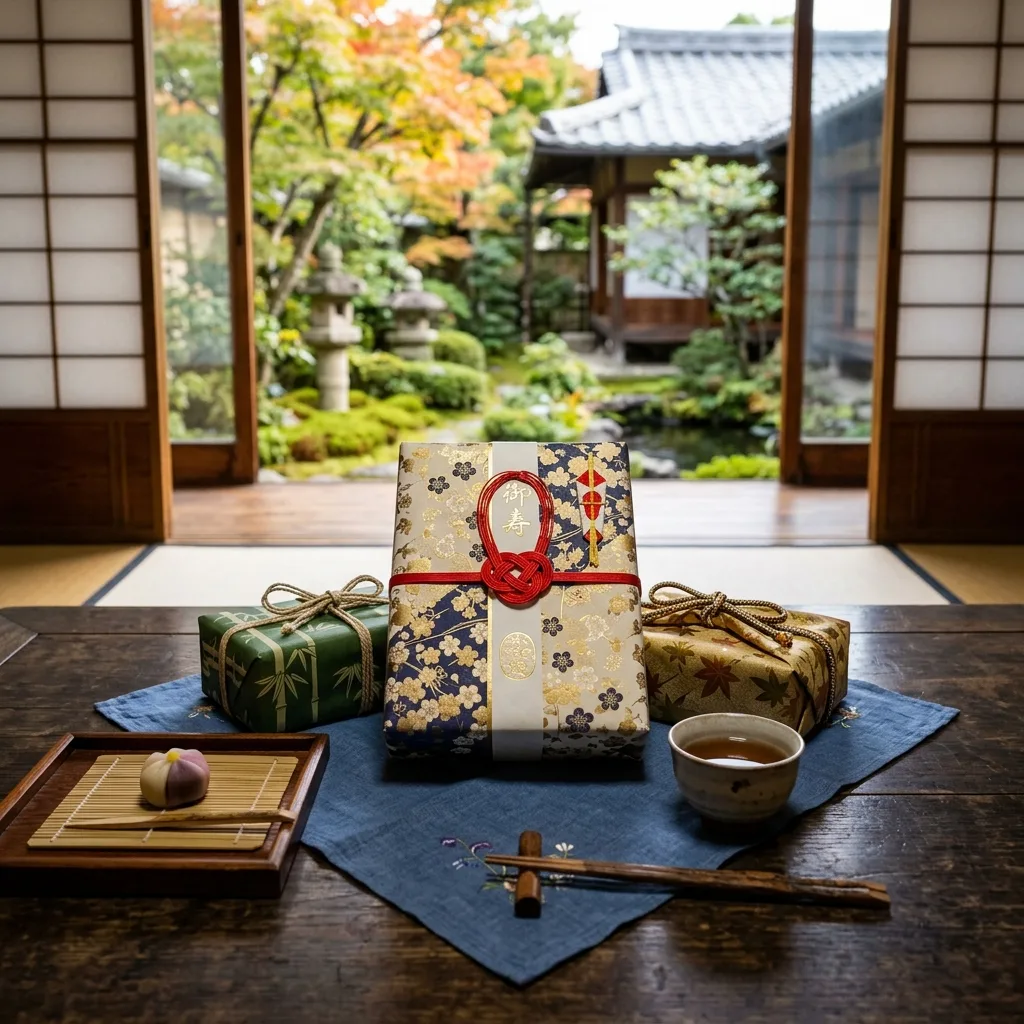
Understanding Japanese gift-giving culture is easier when you think in terms of shared snacks, small gestures, and good timing. The real challenge is usually choosing something appropriate, easy to carry, and simple enough for the recipient to share.
Introduction
Planning Japanese gift-giving culture in Japan is rarely difficult because of a single major obstacle. The real problem is usually a collection of smaller decisions: when to go, how to book, what the local etiquette expects, and how to keep the trip from becoming more expensive or stressful than it needs to be. That is why a practical guide helps more than a checklist of trivia.
This article keeps the focus on the choices that matter to a traveler on the ground. Along the way, I have connected it to a few useful nearby reads such as Japan Accommodation Guide: Capsule Hotels, Ryokan & Budget Hostels, Japan 7-Day Itinerary: Tokyo-Kyoto-Osaka Golden Route Planner, and Street Food in Japan: Takoyaki, Crepes & Convenience Store Gems so you can move from one part of the trip to the next without guessing your way through the site.
Primary Topic Section
Japanese gift-giving culture starts with tone, greeting, and how directly you answer simple questions is the part of Japanese gift-giving culture that most visitors notice first, but the useful lesson is what it changes in real life. For travelers, that usually means a small adjustment in tone, timing, price expectations, or the way you ask a question.
In Japan, gift-giving is an intricate social language known as omiyage and zoutou bunka. Unlike Western souvenirs bought primarily as personal mementos, omiyage represents gifts purchased specifically to share with coworkers, neighbors, and friends back home, expressing gratitude and acknowledging the absence of the traveler.
When returning to an office after travel, bringing a boxed omiyage shows respect for colleagues who handled your workload while you were away. It is not an extravagance, but an essential social lubricant that maintains group harmony.
Indirect refusals and gentle corrections usually save everyone from unnecessary friction is the part of Japanese gift-giving culture that most visitors notice first, but the useful lesson is what it changes in real life. For travelers, that usually means a small adjustment in tone, timing, price expectations, or the way you ask a question.
Individual wrapping is the paramount requirement for workplace omiyage. Boxes of Japanese sweets (meibutsu wagashi) or savory rice crackers (senbei) are meticulously packaged with each portion sealed in its own elegant wrapper.
Individually wrapped treats allow recipients to enjoy their snack at their desk without mess or save it for later. Avoid buying single whole cakes or unpackaged pastries that require messy cutting boards, plates, and shared cutlery in an office setting.
Dining, toasting, and splitting costs can work very differently from what many visitors expect is the part of Japanese gift-giving culture that most visitors notice first, but the useful lesson is what it changes in real life. For travelers, that usually means a small adjustment in tone, timing, price expectations, or the way you ask a question.
Regional specificity (meibutsu) gives omiyage its cultural value. Every prefecture, city, and train station across Japan celebrates its own culinary icon: Tokyo Banana in the capital, Yatsuhashi cinnamon dough in Kyoto, Momiji Manju maple cakes in Hiroshima, and Shiroi Koibito cookies in Hokkaido.
Locals pride themselves on tasting the distinct ingredients of the region visited. Purchasing authentic local specialties stamped with regional certification confirms thoughtful provenance rather than generic convenience-store purchasing.
Shoes, seating, doors, and indoor boundaries matter more than most first-timers realize is the part of Japanese gift-giving culture that most visitors notice first, but the useful lesson is what it changes in real life. For travelers, that usually means a small adjustment in tone, timing, price expectations, or the way you ask a question.
Presentation and packaging aesthetics (tsutsumi) communicate respect before the box is even opened. Department store food halls (depachika) and airport gift boutiques wrap boxed confections in crisp, patterned washi paper folded with surgical precision.
Never tear open gift wrapping hastily or carelessly in front of the giver. Receive the packaged box with both hands, offer polite verbal praise for the gift's appearance, and place it gently on your desk or table.
Secondary Topic Section
Public disagreement is usually better handled privately than in front of a group is the part of Japanese gift-giving culture that most visitors notice first, but the useful lesson is what it changes in real life. For travelers, that usually means a small adjustment in tone, timing, price expectations, or the way you ask a question.
When handing someone an omiyage, the traditional accompanying phrase is "Tsumaranai mono desu ga..." ("It is a boring thing, but please accept it"), reflecting humble politeness by downplaying one's own offering. In casual settings with friends, a warmer phrase like "Kore, omiyage desu. Douzo!" ("Here is a souvenir from my trip, please enjoy!") is common.
Hand the gift directly using both hands with a gentle 15-degree bow. If presenting omiyage to a business client, time the presentation at the end of the meeting once core discussions have concluded successfully.
Messaging and translation apps work best when the wording is concise and respectful is the part of Japanese gift-giving culture that most visitors notice first, but the useful lesson is what it changes in real life. For travelers, that usually means a small adjustment in tone, timing, price expectations, or the way you ask a question.
Major railway terminals and airport departure lounges are purpose-built omiyage wonderlands. Stations like Tokyo Station (Gransta) and Shin-Osaka Station host sprawling gift halls dedicated to regional confections, allowing travelers to purchase freshly delivered treats right before boarding their shinkansen or flight.
Buying omiyage on your departure day ensures optimal freshness and shelf life while sparing you from hauling heavy souvenir bags through your sightseeing days.
Omiyage is usually about individually wrapped snacks or regional specialties that are easy to share is the part of Japanese gift-giving culture that most visitors notice first, but the useful lesson is what it changes in real life. For travelers, that usually means a small adjustment in tone, timing, price expectations, or the way you ask a question.
For travelers seeking non-food gifts, Japan offers an extraordinary array of functional, beautifully crafted artisanal goods. Tenugui (traditional dyed cotton hand towels), Furoshiki (patterned wrapping cloths), Mino pottery, and Yamanaka lacquerware make timeless, lightweight treasures.
High-quality Japanese stationery—such as fountain pens, washi tape, and precision mechanical pencils—is prized worldwide for ergonomic elegance and makes universally appreciated gifts for students and professionals.
Presentation matters because the wrapping and neatness signal care before anyone even tastes the gift is the part of Japanese gift-giving culture that most visitors notice first, but the useful lesson is what it changes in real life. For travelers, that usually means a small adjustment in tone, timing, price expectations, or the way you ask a question.
Number superstitions influence gift selection. Avoid giving items in sets of four (shi), which is phonetically identical to the word for death, or sets of nine (ku), which sounds like suffering. Sets of three, five, or seven are considered auspicious and harmonious.
Similarly, avoid gifting knives or scissors to close friends as they symbolize the cutting of relationships, and avoid white flowers (such as lilies or chrysanthemums) associated with funeral ceremonies.
Practical Guide
A good practical plan for Japanese gift-giving culture starts with the parts that affect cost, timing, and convenience. In Japan, that usually means deciding whether the experience works better as a same-day outing, a half-day visit, or a booking that is tied to a larger itinerary.
- Think about who will receive the gift before you buy it: an office, a host family, a close friend, or a partner all call for different levels of effort.
- If you are leaving Japan, the best buys are often the things you can carry easily and hand over politely rather than the most expensive item in the store.
- Wrapping and timing matter almost as much as the object, so avoid handing over a gift in a way that feels rushed or careless.
- If you are unsure, regional snack boxes are usually safer than highly personal souvenirs.
Tailor your omiyage selection to the specific recipient: for workplace teams, purchase a boxed assortment of individually wrapped cookies or rice crackers (senbei) priced around 1,000 to 2,000 yen (15 to 25 pieces) so coworkers can grab treats without sharing knives or plates. Department store clerks will wrap boxes in crisp seasonal paper (tsutsumi); always leave the pristine wrapping intact rather than peeling it open before handing it over.
Regional Japanese Omiyage Specialties Guide
| Region / City | Famous Iconic Omiyage | Key Flavor Profile & Characteristics |
|---|---|---|
| Tokyo | Tokyo Banana / Ginza Strawberry | Delicate sponge cake filled with natural fruit-infused custard cream. |
| Kyoto | Nama Yatsuhashi (Otabe) | Triangular folded cinnamon rice dough filled with sweet azuki bean paste. |
| Hokkaido | Shiroi Koibito (White Lover) | Crisp langue de chat butter cookies sandwiching smooth white chocolate. |
| Hiroshima | Momiji Manju | Maple-leaf-shaped buckwheat sponge cake filled with red bean, matcha, or cream. |
| Fukuoka (Hakata) | Hakata Torimon / Menbei | Soft condensed milk pastry dumplings / Spicy mentaiko-infused rice crisps. |
Tips & Common Mistakes
The easiest mistakes around Japanese gift-giving culture usually come from assuming the rules are either stricter or looser than they really are. In practice, the gap is usually somewhere in between: local expectations are real, but they are often straightforward once you slow down and watch what people actually do.
- Do not overcomplicate omiyage by trying to make it deeply personal; practicality and consideration matter more than romance.
- Avoid gifts that are messy, fragile, or awkward to share because they create work for the recipient.
Check shelf life (shomi-kigen) carefully on traditional confections: while baked biscuits and sealed crackers stay fresh for months, fresh soft items like Kyoto's nama-yatsuhashi or Tokyo Banana last only 7 to 14 days. Avoid purchasing fresh agricultural produce, meat-based snacks, or liquid jellies over 100ml for carry-on luggage, as aviation security and international customs confiscate unsealed agricultural products immediately.
Best Places to Shop for Omiyage in Tokyo and Kyoto
Finding exceptional regional confections does not require hunting through distant suburbs. In Tokyo, the basement food halls (depachika) of flagship department stores—including Isetan Shinjuku, Mitsukoshi Nihombashi, and Daimaru Tokyo right beside Tokyo Station—host dozens of legacy confectionery makers whose recipes date back generations.
In Kyoto, the historic shopping streets of Shijo-Dori and the subterranean Porta shopping arcade directly beneath Kyoto Station showcase artisan matcha confections from Uji, delicate pressed sugar candies (rakugan), and vacuum-sealed Kyoto pickles (tsukemono). Purchasing from these central transport concourses allows you to pack fresh, exquisitely presented regional gifts into your luggage right before your journey onward.
FAQ
How much should I spend?
Usually less than you think. The point is thoughtfulness and usefulness, not luxury. A modest, well-chosen item often fits omiyage better than an expensive one.
What if I forget a gift?
Buy something simple at a station or airport before you leave. That is exactly what those shops are there for.
Does the gift need wrapping?
Wrapping helps because it shows care and fits the culture of presentation, but a neat package is more important than a fancy one.
What is the safest souvenir?
A sealed, shareable snack from a recognizable region is usually the easiest choice if you want to avoid awkwardness.
Conclusion
The best way to approach Japanese gift-giving culture is to treat it as a set of small decisions that all work together: timing, etiquette, booking, budget, and how much flexibility you leave in the day. If you want to keep planning, the most useful next reads are Japan Accommodation Guide: Capsule Hotels, Ryokan & Budget Hostels, Japan 7-Day Itinerary: Tokyo-Kyoto-Osaka Golden Route Planner, and Street Food in Japan: Takoyaki, Crepes & Convenience Store Gems, because they help turn this guide into a complete itinerary instead of an isolated decision.
Station and airport shops are useful because they are designed for last-minute buying and regional browsing is the part of Japanese gift-giving culture that most visitors notice first, but the useful lesson is what it changes in real life. For travelers, that usually means a small adjustment in tone, timing, price expectations, or the way you ask a question.
The reciprocal gift-giving custom known as okaeshi dictates that receiving a formal gift warrants a return gift valued at roughly half to one-third of the original gift's worth. For foreign travelers receiving spontaneous kindness or hospitality from Japanese acquaintances, this is worth remembering.
Carrying a few small, well-packaged specialty items from your own home country (such as gourmet cookies, regional honey, or artisan tea) in your luggage allows you to reciprocate unexpected gifts gracefully on the spot.
The safest souvenir is often one that is light, sealed, and easy for someone else to distribute at work or at home is the part of Japanese gift-giving culture that most visitors notice first, but the useful lesson is what it changes in real life. For travelers, that usually means a small adjustment in tone, timing, price expectations, or the way you ask a question.
Ultimately, the true spirit of omiyage lies in shared delight and thoughtful remembrance. Choosing items with care, presenting them with two-handed courtesy, and sharing the flavors of your journey brings people closer together across cultural boundaries.
Your colleagues and loved ones will cherish not just the delicious flavors of matcha, yuzu, or red bean, but the genuine care and cultural attentiveness behind your selection.
Additional Notes
A useful final lens for Japanese gift-giving culture is that the experience becomes much easier once you stop treating it as a single decision and start treating it as a sequence. When you know what the next conversation, booking step, or arrival detail is supposed to do, you can move through the day with less friction and fewer surprises.
Hand over your gift at the end of a meeting or pleasant meal using both hands accompanied by a humble phrase like tsumaranai mono desu ga (it is just a modest token). If luggage weight is tight, purchase your sealed regional boxes at Haneda, Narita, or Kansai international departure duty-free concourses after security, which avoids checked-baggage weight penalties and saves the 10% domestic consumption tax automatically.