Korean Skin Clinics for Foreigners: Botox, Fillers & Laser Treatments Guide

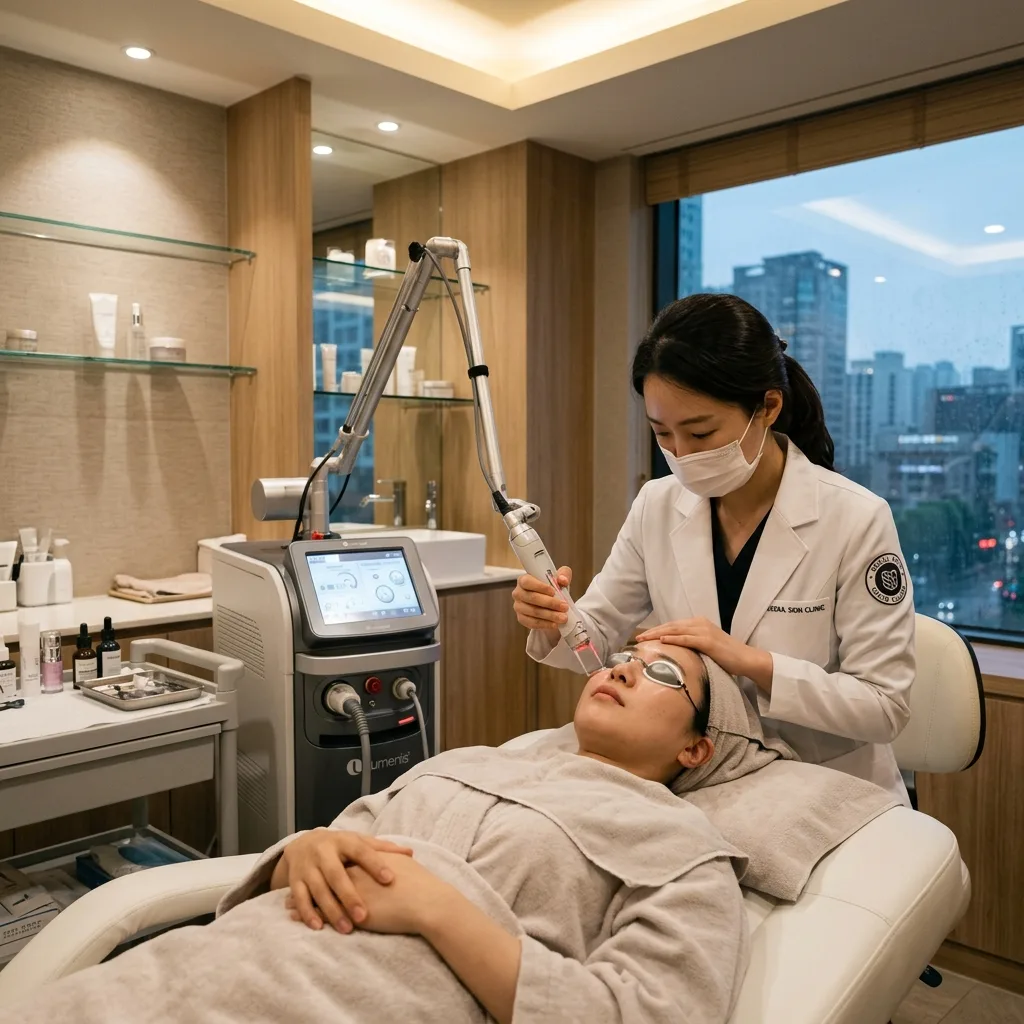
Planning a skin clinic visit in Korea is easier when you treat the consultation as the main event. The real challenge is usually comparing botox, fillers, and laser options without getting distracted by glossy marketing or low headline prices.
Introduction
Planning Korean skin clinics for foreigners in South Korea is rarely difficult because of a single major obstacle. The real problem is usually a collection of smaller decisions: when to go, how to book, what the local etiquette expects, and how to keep the trip from becoming more expensive or stressful than it needs to be. That is why a practical guide helps more than a checklist of trivia.
This article keeps the focus on the choices that matter to a traveler on the ground. Keep it tied to the same planning stack by using the medical tourism hub, the visa and insurance FAQ, and the Gangnam medical district guide as the surrounding reads.
Primary Topic Section
Start with consultation, not with a procedure list is the part of Korean skin clinics for foreigners that most visitors notice first, but the useful lesson is what it changes in real life. For travelers, that usually means a small adjustment in tone, timing, price expectations, or the way you ask a question.
Seoul is the recognized skincare and aesthetic dermatology capital of the world, offering unparalleled medical technology and competitive pricing. However, foreign patients must distinguish between high-volume "factory-style" clinics and personalized dermatology practices.
Factory clinics offer rock-bottom prices for routine treatments like masseter botox or basic toning lasers with minimal doctor consultation. Private dermatological clinics, by contrast, feature extensive computerized skin analysis (VISIA) and tailored physician consultations that diagnose underlying pigmentation, moisture barrier health, and elasticity.
Check language support, coordinator help, and written instructions before you commit is the part of Korean skin clinics for foreigners that most visitors notice first, but the useful lesson is what it changes in real life. For travelers, that usually means a small adjustment in tone, timing, price expectations, or the way you ask a question.
Language clarity is critical when discussing facial aesthetics. Leading foreigner-friendly clinics in Gangnam, Hongdae, and Myeongdong employ full-time multilingual coordinators fluent in English, Japanese, and Mandarin.
During consultation, your coordinator translates subtle nuances regarding skin concerns, numbing cream application times, machine energy levels, and expected redness, ensuring you never feel rushed or uncertain during the treatment process.
Ask what is included in the quote and what is billed separately is the part of Korean skin clinics for foreigners that most visitors notice first, but the useful lesson is what it changes in real life. For travelers, that usually means a small adjustment in tone, timing, price expectations, or the way you ask a question.
Ask for an itemized pricing breakdown showing machine brands and shot counts before signing treatment consent forms. For ultrasound lifting (Ultherapy or Shurink Universe) and radiofrequency tightening (Thermage FLX or Oligio), the price directly correlates with the number of energy lines or shots delivered.
Transparent clinics show you the genuine sealed tip packaging and authentic serial certificate (jeongpum injeong) before starting the procedure, proving that genuine manufacturer transducers are being used on your skin.
Remember that foreign patient insurance and Korean national insurance are different systems is the part of Korean skin clinics for foreigners that most visitors notice first, but the useful lesson is what it changes in real life. For travelers, that usually means a small adjustment in tone, timing, price expectations, or the way you ask a question.
Cosmetic dermatological treatments for international tourists are private, out-of-pocket procedures. Fortunately, prices in Seoul are typically 50% to 70% lower than comparable treatments in North America, Western Europe, or Singapore, even at high-end medical clinics.
Always ask whether advertised prices include the mandatory 10% South Korean Value-Added Tax (VAT). Foreign passport holders can reclaim this VAT at airport tax refund kiosks upon departure by requesting an official Medical Tax Refund slip.
Secondary Topic Section
Plan recovery time into your travel schedule is the part of Korean skin clinics for foreigners that most visitors notice first, but the useful lesson is what it changes in real life. For travelers, that usually means a small adjustment in tone, timing, price expectations, or the way you ask a question.
Plan your skincare treatments around your travel itinerary to avoid ruining vacation photos with post-laser redness or bruising. Non-invasive treatments like Aqua Peel hydrafacials, LDM ultrasound hydration, and mild Pico toning lasers cause zero downtime, allowing immediate sightseeing.
Conversely, aggressive treatments—such as fractional CO2 laser resurfacing, Potenza microneedling, Rejuran Healer polynucleotide injections, or subcision—cause noticeable facial swelling, needle marks, and redness lasting 3 to 7 days. Schedule these intensive procedures near the end of your trip.
Tax refund, deposit, and payment methods can change the final cost is the part of Korean skin clinics for foreigners that most visitors notice first, but the useful lesson is what it changes in real life. For travelers, that usually means a small adjustment in tone, timing, price expectations, or the way you ask a question.
Under the official Ministry of Health foreign patient medical tax refund scheme, overseas visitors are entitled to a 10% VAT refund on aesthetic dermatology services. Ensure the clinic is registered with the Korea Health Industry Development Institute (KHIDI) to issue valid tax slips.
Keep your passport with you on clinic day. Many modern clinic cashiers can process downtown instant tax refunds, refunding the tax directly to your credit card on the spot.
Foreign-language support and coordinators matter because skin treatment decisions are easier when the clinic can explain the difference between botox, fillers, lifting, and laser work is the part of Korean skin clinics for foreigners that most visitors notice first, but the useful lesson is what it changes in real life. For travelers, that usually means a small adjustment in tone, timing, price expectations, or the way you ask a question.
Popular foreigner-focused clinics like Ppeum Global, Toxnfill, ID Hospital, and Muse Clinic provide streamlined booking systems via WhatsApp, Line, or KakaoTalk. These platforms allow travelers to check appointment availability and review transparent English price menus weeks in advance.
During peak vacation seasons (spring cherry blossoms, summer holidays, and October autumn foliage), prime weekend and evening consultation slots fill up weeks ahead, making early reservation essential.
VISITKOREA examples include clinics such as Ppeum Global Clinic, ID Clinic Gangnam, and You&I Skin Design Lab, all of which highlight foreigner-friendly services is the part of Korean skin clinics for foreigners that most visitors notice first, but the useful lesson is what it changes in real life. For travelers, that usually means a small adjustment in tone, timing, price expectations, or the way you ask a question.
Understanding the difference between Korean domestic treatments and Western brand names helps you optimize value. For neuromodulators (botox), clinics offer domestic Korean brands (such as Botulax, Nabota, and Coretox) at roughly one-third the price of imported Allergan Botox.
Domestic Korean botox is rigorously tested and approved by the Korean Ministry of Food and Drug Safety (MFDS) and delivers identical efficacy for jaw slimming and wrinkle reduction, representing an exceptional value for savvy travelers.
Practical Guide
A good practical plan for Korean skin clinics for foreigners starts with the parts that affect cost, timing, and convenience. In South Korea, that usually means deciding whether the experience works better as a same-day outing, a half-day visit, or a booking that is tied to a larger itinerary.
- Ask the clinic what each package actually includes: consultation, numbing, the procedure itself, follow-up, and any tax refund paperwork.
- If you are choosing between botox, fillers, and laser treatments, think in terms of the result you want rather than the trendiest option you saw online.
- Many foreign-patient clinics in Seoul support English, Japanese, or Chinese and may include tax refund machines or dedicated consultation rooms, which can make the process smoother.
- The safest schedule leaves room for swelling, redness, and a quieter evening after the appointment.
Plan appointments around treatment-specific downtimes: while non-ablative pico toning and masseter botox allow immediate return to sightseeing, skin boosters like Rejuran Healer produce visible papules ('embossing') lasting 24 to 48 hours, and microneedling RF (Potenza) causes facial redness for two to three days. Schedule invasive or booster treatments for your final evenings in Seoul rather than your first morning, so recovery occurs while resting in your hotel rather than during busy photo stops.
Popular Korean Aesthetic Treatments & Realistic Downtime
| Procedure Category | Key Benefits & Target | Typical Downtime & Aftercare |
|---|---|---|
| Skin Boosters (Rejuran Healer / Exosomes) | Deep cellular hydration, pore tightening, skin barrier repair. | 24 – 48 hours of small raised bumps (embossing); minimal bruising. |
| HIFU Lifting (Shurink / Ultherapy) | Jawline contouring, skin tightening via focused ultrasound. | Zero visible surface downtime; mild deep soreness for several days. |
| Pico Toning & Pigment Lasers | Sun spot removal, melasma reduction, overall skin brightening. | Zero downtime; mild transient redness resolving within 2 hours. |
| Microneedling RF (Potenza / Sylfirm) | Acne scar remodeling, collagen production, active acne control. | 2 – 4 days of redness and micro-crusting; strict sun protection required. |
| Jawline / Masseter Botox | Face slimming, reduction of teeth grinding (bruxism). | Zero downtime; visible slimming contour develops over 2 to 4 weeks. |
Tips & Common Mistakes
The easiest mistakes around Korean skin clinics for foreigners usually come from assuming the rules are either stricter or looser than they really are. In practice, the gap is usually somewhere in between: local expectations are real, but they are often straightforward once you slow down and watch what people actually do.
- Do not assume the cheapest package is the best value if the consultation is rushed or the aftercare is unclear.
- If the clinic cannot explain the difference between the promised result and the realistic result, keep shopping.
Insist on an unhurried face-to-face consultation with the licensed dermatologist rather than only speaking to a sales coordinator. Always request to inspect unopened product boxes to verify authentic lot numbers and Korean Ministry of Food and Drug Safety (MFDS) seals for botulinum toxins (such as Nabota, Coretox, or Botox) and hyaluronic acid fillers (such as Juvederm or Restylane). If your clinic lacks dedicated multilingual staff, hire a medical coordinator to ensure exact translation of dosage, injection depth, and medical history.
Essential Post-Laser Skincare Routine in Korea
Maximizing the rejuvenation results of your Korean dermatology treatments depends heavily on proper immediate aftercare. For the first 72 hours following intensive laser toning or microneedling, cleanse your face exclusively with lukewarm water and a gentle, fragrance-free, pH-balanced foaming cleanser. Avoid active exfoliating ingredients like AHAs, BHAs, retinoids, or high-percentage vitamin C serums that can irritate sensitized tissue.
Apply generous layers of barrier-repair creams containing Madecassoside (Centella Asiatica), panthenol, and ceramides to accelerate wound healing and prevent moisture loss. When venturing outside into Seoul's dry air, apply broad-spectrum mineral sunscreen with SPF 50+ PA++++ every three hours, and rehydrate continuously with antioxidant sheet masks each evening before bed.
FAQ
Is English support common?
Often, yes, especially in foreigner-focused clinics in Seoul. Still, you should confirm language support before you book rather than assuming it will be available at every desk.
How much downtime should I expect?
It depends on the procedure. Light treatments may fit into a normal day, but swelling or redness can change the rest of your itinerary, so ask the clinic before you plan sightseeing.
Can I combine treatments?
Sometimes. Clinics may bundle procedures, but more is not always better. Ask whether combining them changes recovery time or follow-up needs.
What should I ask before paying?
Ask what is included, who performs the treatment, what the expected recovery looks like, and whether any follow-up visit is part of the quoted price.
Conclusion
The best way to approach Korean skin clinics for foreigners is to treat it as a set of small decisions that all work together: timing, etiquette, booking, budget, and how much flexibility you leave in the day. If you want to keep planning, the most useful next reads are the medical tourism hub, the visa and insurance FAQ, the Gangnam medical district guide, and the hospital interpreter services guide.
A laser listing on VISITKOREA has shown pricing from 132,000 KRW, which is a useful example of the lower end of a single service listing, not a universal clinic rate is the part of Korean skin clinics for foreigners that most visitors notice first, but the useful lesson is what it changes in real life. For travelers, that usually means a small adjustment in tone, timing, price expectations, or the way you ask a question.
Post-treatment skin barrier protection is non-negotiable. Following lasers or skin boosters, your facial barrier is sensitized to ultraviolet radiation. Pack high-SPF broad-spectrum sunscreen and wear a wide-brimmed hat or UV face mask when walking outdoors in Seoul.
Clinics typically provide soothing sheet masks and medical-grade regenerative creams (Cica / EGF balms). Keep the skin richly moisturized and strictly avoid hot saunas, alcohol consumption, and vigorous workouts for 48 hours post-procedure.
Same-day sightseeing is possible for some treatments, but only if the clinic says the downtime is light enough for that plan is the part of Korean skin clinics for foreigners that most visitors notice first, but the useful lesson is what it changes in real life. For travelers, that usually means a small adjustment in tone, timing, price expectations, or the way you ask a question.
Seoul aesthetic clinics often operate within sprawling commercial hubs surrounded by dining and shopping. After your treatment in Sinsa or Apgujeong, spend the afternoon relaxing in quiet neighborhood cafes or exploring Olive Young flagship stores to stock up on gentle barrier-repair skincare products.
Approaching Korean skin clinics with clear goals, realistic downtime expectations, and verified authentic credentials guarantees radiant, glowing skin and an unforgettable wellness travel experience.
Additional Notes
A useful final lens for Korean skin clinics for foreigners is that the experience becomes much easier once you stop treating it as a single decision and start treating it as a sequence. When you know what the next conversation, booking step, or arrival detail is supposed to do, you can move through the day with less friction and fewer surprises.
Avoid hot Korean public saunas (jjimjilbang), alcohol, and strenuous cardio for at least 48 hours following injections to minimize hematoma and swelling risks, and apply broad-spectrum physical SPF 50+ sunscreen religiously. Please note that aesthetic treatments carry clinical risks including bruising, asymmetrical results, and vascular complications; this guide provides logistical travel information only and is not medical advice. Consult qualified dermatologists directly for diagnostic evaluation and clinical safety.