Narita vs Haneda vs Kansai Airport: Which to Fly Into and Why

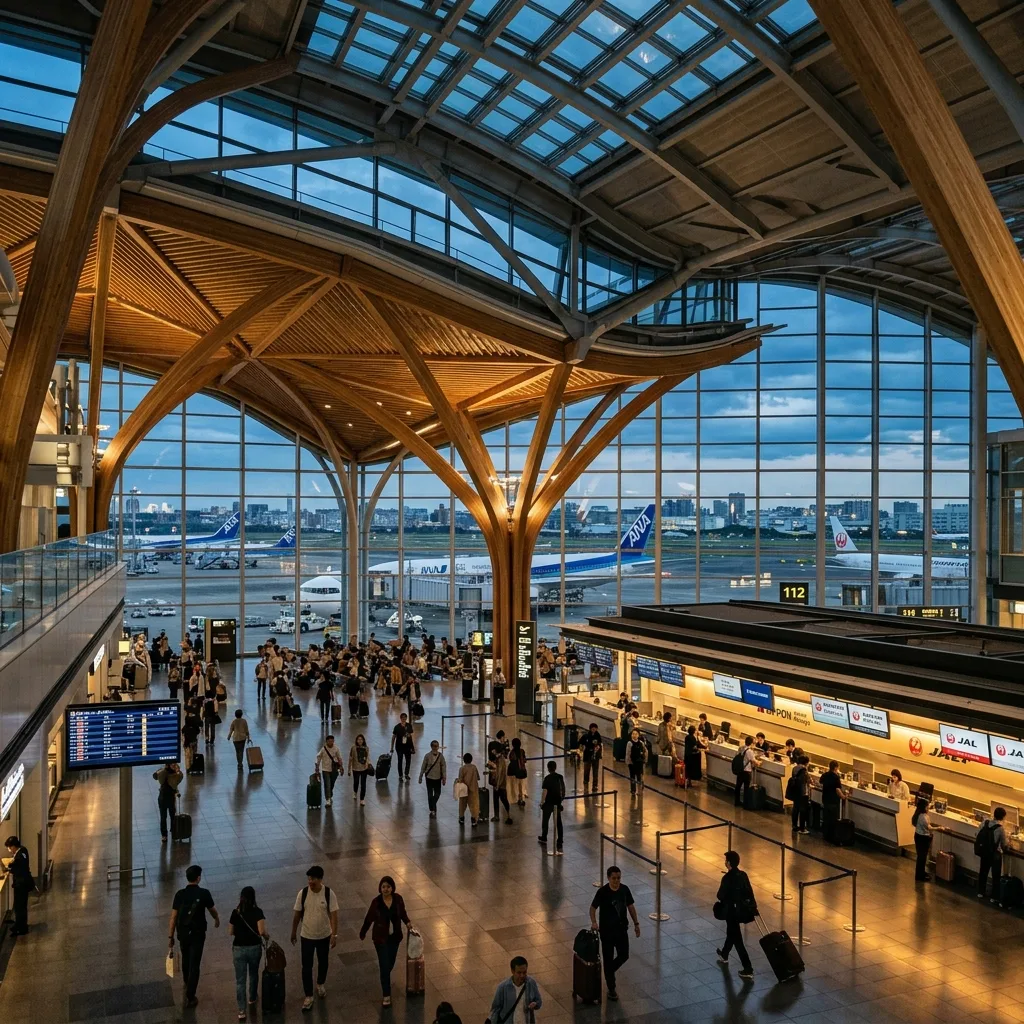
Planning a trip to Japan is exciting, but before you can immerse yourself in the vibrant streets of Tokyo or the historical charm of Kyoto, you face a crucial decision: which airport should you fly into? Japan is served by several major international gateways, with Narita (NRT) and Haneda (HND) near Tokyo, and Kansai International Airport (KIX) serving the Osaka-Kyoto region, being the most prominent. Each offers a unique set of advantages and disadvantages in terms of location, connectivity, cost, and overall travel experience. Making an informed choice early on can save you time, money, and hassle, setting the perfect tone for your Japanese adventure.
This guide will break down the essential factors for choosing between Narita, Haneda, and Kansai airports, considering typical travel scenarios, budget constraints, and desired experiences for visitors in 2026. We’ll delve into their respective locations, available transportation options to major city centers, estimated travel times, and costs. Whether you're a first-time visitor overwhelmed by choices or a seasoned traveler looking for the most efficient route, understanding the nuances of each airport will empower you to select the best gateway for your Japanese journey.
Understanding Japan's Major International Airports
Japan's three primary international airports cater to millions of travelers annually, each strategically located to serve different regions and travel needs. Narita International Airport (NRT), historically Tokyo's main international hub, is known for its vast size and extensive global connections. Haneda Airport (HND), closer to central Tokyo, has seen a significant increase in international flights, making it a popular choice for convenience. Far to the south, Kansai International Airport (KIX) serves the dynamic Kansai region, including major cities like Osaka, Kyoto, Nara, and Kobe. The choice among these three often boils down to your ultimate destination in Japan, your budget for onward travel, and your preference for speed versus cost.
For travelers heading to Tokyo, the distinction between Narita and Haneda is particularly important. While both serve the greater Tokyo area, their differing distances from the city center and the transportation infrastructure connecting them have a direct impact on your arrival experience. Similarly, KIX is the logical choice for those whose itinerary focuses on western Japan, offering direct access to its rich cultural and culinary landscapes without the need for an additional domestic flight or long-distance train ride from Tokyo.
Narita International Airport (NRT): Tokyo's Traditional Gateway
Narita International Airport, located about 60-70 kilometers east of central Tokyo in Chiba Prefecture, has long been the primary international entry point for visitors to Japan. It boasts three terminals, handling a wide array of airlines and offering comprehensive facilities. While further from the city center than Haneda, Narita is well-connected by an efficient network of trains and buses.
Pros of Flying into Narita:
- Extensive International Routes: Narita typically offers more direct international flights from a wider range of global destinations, often at competitive prices.
- Capacity and Facilities: As a large airport, it handles a high volume of traffic efficiently, with numerous shops, restaurants, and lounges.
- Connectivity to East Japan: Good connections to areas east of Tokyo, and accessible transfers to other parts of Japan via the extensive rail network.
Cons of Flying into Narita:
- Distance from Tokyo: Its considerable distance means longer transfer times and potentially higher costs to reach central Tokyo compared to Haneda.
- Potential for Longer Layovers: If connecting to a domestic flight from Haneda, the transfer between airports can be time-consuming and expensive.
Transportation from Narita to Tokyo (2026 Estimates):
| Option | Destination | Time (Approx.) | Cost (One-Way) | Best For |
|---|---|---|---|---|
| Keisei Skyliner | Nippori / Ueno | 36–41 mins | ¥2,580 | Speed to North Tokyo |
| Narita Express (N'EX) | Tokyo / Shinjuku | 53–80 mins | ¥3,070–¥3,250 | Direct access to major hubs |
| Airport Bus (TYO-NRT) | Tokyo Station | 65–90 mins | ¥1,500 | Budget travelers |
| Keisei Access Express | Asakusa / Ginza | 60–75 mins | ¥1,300–¥1,480 | Direct to subway lines |
| Limousine Bus | Major Hotels | 60–100 mins | ¥3,100–¥3,600 | Heavy luggage / Door-to-door |
- Keisei Skyliner: The fastest rail option to northern Tokyo (Ueno, Nippori), ideal for those staying in those areas or connecting to the Yamanote Line.
- Narita Express (N'EX): Offers comfortable, direct service to major JR stations like Tokyo, Shinagawa, Shibuya, and Shinjuku. A N'EX TOKYO Round Trip Ticket can be a great value for foreign visitors. JR East announced a possible fare increase from March 2026, so travelers should verify current prices.
- Airport Bus "TYO-NRT": A cost-effective choice for direct travel to Tokyo Station and Ginza. Be mindful of potential traffic delays.
- Keisei Main Line: A slower, cheaper commuter train to Ueno, suitable for budget-conscious travelers with lighter luggage.
- Airport Limousine Bus: Offers direct service to many hotels, providing convenience for travelers with significant luggage, though it can be affected by traffic.
Haneda Airport (HND): Tokyo's Convenient Hub
Haneda Airport, located much closer to central Tokyo (approximately 14 kilometers), has rapidly grown into a major international gateway, especially since its expansion for international flights. Its proximity to the city makes it an incredibly attractive option for many travelers.
Pros of Flying into Haneda:
- Proximity to Tokyo: Significantly shorter travel times and lower costs to reach central Tokyo.
- Convenience: Ideal for short trips or when maximizing time in the city.
- Domestic Connections: Excellent hub for domestic flights within Japan, making transfers seamless if your itinerary includes other regions.
Cons of Flying into Haneda:
- Fewer International Routes (Historically): While growing, it might still have fewer direct international flight options than Narita for some origins.
- Potentially Higher Airfare: Due to its convenience, flights into Haneda can sometimes be slightly more expensive.
Transportation from Haneda to Tokyo (2026 Estimates):
| Option | Time | Cost (Approx.) | Best For |
|---|---|---|---|
| Keikyu Line | 14–20 mins (to Shinagawa) | ¥330–¥540 | Budget travelers, connecting to JR Yamanote Line |
| Tokyo Monorail | 13–20 mins (to Hamamatsucho) | ¥520–¥720 | Scenic views, connecting to JR Yamanote Line |
| Airport Limousine Bus | 25–75 mins | ¥1,200–¥1,600 | Heavy luggage, direct hotel drops |
| Taxi / Private Transfer | 20–40 mins | ¥7,000–¥10,000+ | Groups, late night arrivals, door-to-door convenience |
- Keikyu Line: The most economical and efficient train option, offering rapid connections to Shinagawa, a major hub for onward travel within Tokyo.
- Tokyo Monorail: A unique and scenic route to Hamamatsucho, also on the Yamanote Line. Look out for weekend discount tickets.
- Airport Limousine Bus: Convenient for direct access to specific hotels or major districts, bypassing train transfers. Travel time varies with traffic.
- Taxi/Private Transfer: The most comfortable but expensive option, particularly useful for groups, late-night arrivals, or those with extensive luggage.
Choosing between Narita and Haneda often comes down to balancing flight availability and cost versus convenience upon arrival. If you find a significantly cheaper flight into Narita, the extra travel time and cost to Tokyo might still result in overall savings. However, for those prioritizing speed and seamless onward travel, especially with domestic connections, Haneda often proves to be the superior choice.
Kansai International Airport (KIX): Gateway to Western Japan
Kansai International Airport (KIX) is located on an artificial island in Osaka Bay, serving as the main international gateway for the Kansai region, which includes popular tourist destinations like Osaka, Kyoto, Nara, and Kobe. For food enthusiasts, a highlight of Osaka is its vibrant culinary scene, detailed in our Osaka Food Guide: Takoyaki, Okonomiyaki & the Dotonbori Night Walk. KIX is known for its modern architecture and efficient operations, making it a comfortable entry point to western Japan's rich cultural heritage.
Pros of Flying into Kansai International Airport:
- Direct Access to Kansai Region: Ideal for itineraries focused on Osaka, Kyoto, Nara, and Kobe, eliminating the need for a Shinkansen journey from Tokyo.
- Modern Facilities: Known for its clean and well-organized terminals and services.
- Specific Rail Passes: Offers specialized rail passes like the ICOCA & Haruka discount ticket for foreign visitors.
Cons of Flying into Kansai International Airport:
- Distance to City Centers: While it serves the region, it is still a fair distance from Osaka (approx. 50 km) and Kyoto (approx. 90 km), requiring onward travel.
- Limited Direct Flights: Depending on your origin, international flight options might be less extensive than Narita for some routes.
Transportation from KIX to Osaka (2026 Estimates):
To Namba (South Osaka / Dotonbori Area):
| Method | Time | Cost (Adult) | Notes |
|---|---|---|---|
| Nankai Rapi:t | ~34–38 mins | ¥1,490 | Limited Express; reserved seats, luggage space. |
| Nankai Airport Express | ~44–45 mins | ¥970 | Commuter train; no reservations, can be crowded. |
| Limousine Bus | ~50–60 mins | ¥1,300–¥1,600 | Drops at Namba OCAT; good for heavy luggage. |
- Nankai Rapi:t: A comfortable limited express train offering direct, reserved seating to Namba.
- Nankai Airport Express: A more budget-friendly commuter option, though it can be crowded during peak hours.
- Limousine Bus: Provides direct service to Namba OCAT (Osaka City Air Terminal) and various hotels, convenient for those with heavy luggage.
To Osaka Station / Umeda (North Osaka):
| Method | Time | Cost (Adult) | Notes |
|---|---|---|---|
| JR Haruka Express | ~45 mins | ¥2,100–¥3,200 | Fastest to Umeda/Shin-Osaka. Free with JR Pass. |
| JR Airport Rapid | ~65–75 mins | ¥1,190 | Commuter train; no reservations. Free with JR Pass. |
| Limousine Bus | ~60–70 mins | ¥1,800 | Direct to major hotels (e.g., Hotel New Hankyu). |
- JR Haruka Express: The fastest and most convenient train to Shin-Osaka (for Shinkansen connections) and Osaka/Umeda. It's often fully covered by the Japan Rail Pass.
- JR Airport Rapid: A slower but more economical JR train option to Osaka Station. Also covered by the Japan Rail Pass.
- Limousine Bus: Offers direct service to hotels and key locations around Osaka/Umeda.
For those heading to Kyoto, the JR Haruka Express is also the most direct and efficient option from KIX, taking approximately 75-80 minutes directly to Kyoto Station. The cost is around ¥3,200, but it is fully covered by the Japan Rail Pass.
Practical Guide: Choosing Your Airport and Getting to Your Destination
Deciding which airport to fly into ultimately depends on your travel itinerary and priorities.
For Tokyo-centric Trips:
- Haneda (HND): If direct flights are available and comparably priced, Haneda is often the superior choice for its unparalleled convenience and shorter travel times to central Tokyo. This is especially true if you plan to spend most of your time in Tokyo or have domestic connections. For a deeper dive into exploring the capital, check out our Ultimate Tokyo Travel Guide 2026: Everything First-Timers Need to Know.
- Narita (NRT): If you find significantly cheaper flights into Narita, or if your international carrier primarily flies there, it remains a perfectly viable option. Be prepared for slightly longer transfers, but benefit from well-established transportation links.
For Kansai-centric Trips (Osaka, Kyoto, Nara, Kobe):
- Kansai International Airport (KIX): This is the undisputed best choice. Flying directly into KIX eliminates the need for a lengthy and costly Shinkansen trip from Tokyo, saving you significant time and money. The airport offers excellent direct connections to all major cities in the Kansai region.
Factors to Consider Beyond Location:
- Flight Price: Always compare flight prices for all relevant airports. A cheaper flight to Narita might still be more economical even with higher transfer costs, depending on your budget.
- Total Travel Time: Factor in both flight duration and ground transportation. A slightly longer flight to Haneda might result in a shorter overall journey if it shaves hours off your airport transfer.
- Luggage: If you have heavy or bulky luggage, limousine buses from any airport can be a godsend for their door-to-door service. However, trains like N'EX and Haruka also offer dedicated luggage space.
- Japan Rail Pass: If you plan to activate a Japan Rail Pass, the JR Haruka Express from KIX to Osaka/Kyoto, and the Narita Express from NRT to Tokyo, will be covered, offering significant savings. For a comprehensive overview of essential logistics, refer to our Japan Travel Planning: Visa, IC Card, Rail Pass & Essential Logistics Guide. This can influence your decision.
- Time of Arrival/Departure: Consider if your flight arrives late at night or departs very early in the morning. Some transportation options might be limited, making taxis or specific bus services more appealing. Late-night buses from KIX, for example, incur a surcharge from March 2026.
Booking Links and Tools:
- For train tickets (Skyliner, N'EX, Haruka, Nankai Rapi:t), it's often advisable to book in advance online through official websites or trusted platforms like Klook and Viator, especially for discounts or reserved seating.
- Limousine bus tickets can usually be purchased at airport counters upon arrival.
- IC Cards (Suica, PASMO, ICOCA): Essential for seamless travel on most local trains and buses. You can often purchase physical cards or set up digital versions on your smartphone (Apple Pay/Google Wallet) at the airport.
Tips & Common Mistakes
1. Don't Underestimate Transfer Time and Cost: Many first-time visitors focus solely on airfare without considering the full cost and time burden of getting from the airport to their accommodation. A "cheap" flight to a distant airport can quickly become expensive and exhausting. 2. Utilize Discount Passes: For foreign visitors, specialized airport transfer tickets (like the N'EX TOKYO Round Trip Ticket or the ICOCA & Haruka pass) offer significant savings compared to regular fares. 3. Consider a Multi-City Itinerary: If you plan to visit both Tokyo and the Kansai region, consider flying into one airport (e.g., Narita/Haneda) and out of another (e.g., KIX). This open-jaw itinerary can maximize your time and minimize backtracking. 4. Learn Basic IC Card Usage: Get an IC card (Suica, PASMO, or ICOCA) upon arrival. These rechargeable cards simplify travel on most public transport by simply tapping at ticket gates and bus readers, eliminating the need to buy individual tickets. 5. Check Operating Hours: Always verify the operating hours of your chosen transportation method, especially for very early or late flights. Some services, like the Nankai Rapi:t or JR Haruka, have their last departures around midnight. 6. Don't Forget the JR Pass: If you're using a Japan Rail Pass, leverage it for covered airport transfers like the Narita Express and JR Haruka. This makes the Narita and Kansai airports particularly appealing for pass holders.
Insider Advice:
- Early Morning Arrivals at Haneda: If you land very early at Haneda and can't check into your hotel immediately, consider utilizing the airport's excellent facilities for breakfast or even a quick nap in a lounge before heading into the city.
- Narita’s Transit Hotel: For long layovers at Narita, the airport has a transit hotel (9h ninehours Narita Airport or Narita Airport Rest House) that can be a lifesaver.
- KIX’s On-site Hotel: Similarly, KIX boasts the Hotel Nikko Kansai Airport, directly connected to the terminal, which is perfect for early departures or late arrivals.
FAQ
Q1: Which airport is best for a short trip to Tokyo? A1: Haneda Airport (HND) is generally best for short trips to Tokyo due to its close proximity to the city center, offering the quickest and most convenient transfers.
Q2: Is Narita or Haneda cheaper to fly into? A2: It varies. Historically, Narita (NRT) often had cheaper international flights due to its larger capacity, but Haneda's international routes have expanded significantly. Always compare flight prices directly for your specific dates and origin.
Q3: Can I use my Japan Rail Pass from any of these airports? A3: Yes, the Japan Rail Pass covers the Narita Express from Narita Airport to Tokyo and the JR Haruka Express from Kansai International Airport to Osaka/Kyoto. It does not cover the Keikyu Line or Tokyo Monorail from Haneda.
Q4: How do I get from Kansai Airport to Kyoto? A4: The most efficient way to get from Kansai International Airport (KIX) to Kyoto is via the JR Haruka Limited Express train, which takes approximately 75-80 minutes directly to Kyoto Station. It is covered by the Japan Rail Pass.
Q5: What's the best way to carry my luggage from the airport? A5: For heavy luggage, consider the Airport Limousine Bus for direct hotel drops. For trains, Narita Express and JR Haruka offer dedicated luggage space. For lighter luggage, any train option is viable, especially if you can navigate stations easily.
Conclusion
Choosing the right airport for your Japanese adventure is more than just picking the cheapest flight; it's about optimizing your entire travel experience. Whether you prioritize speed and convenience (Haneda), a broader range of international flights (Narita), or direct access to the rich cultural tapestry of western Japan (Kansai), each airport offers distinct advantages. By considering your primary destination, budget, amount of luggage, and whether you'll be using a Japan Rail Pass, you can make an informed decision that ensures a smooth and enjoyable start to your journey. Japan's efficient transportation infrastructure means that no matter which gateway you choose, a fantastic travel experience awaits. So, assess your needs, review the options, and prepare for an unforgettable trip to the Land of the Rising Sun.