Japan's Hidden Beaches: Iriomote, Yoron & Lesser-Known Coastal Escapes

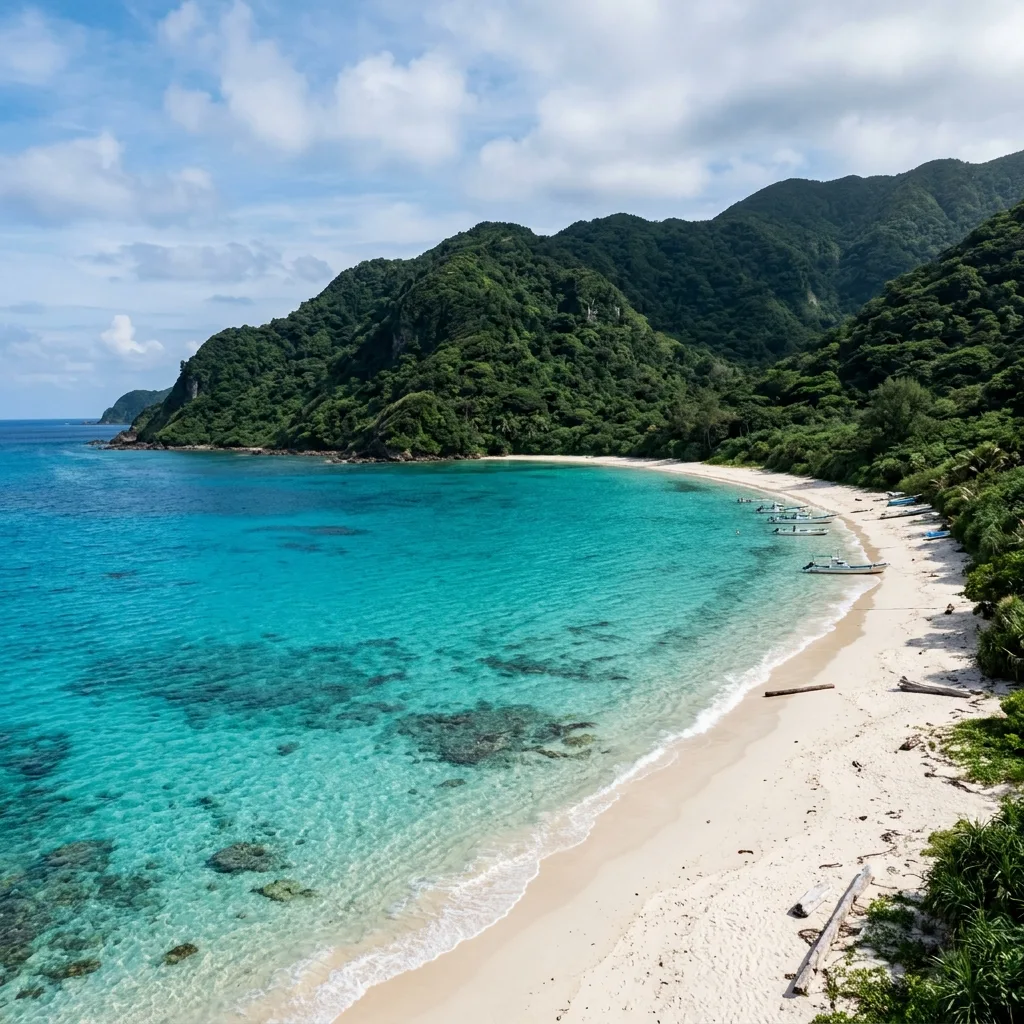
Japan is renowned for its vibrant cities, ancient temples, and picturesque cherry blossoms, but beneath the surface of these well-trodden paths lies a world of pristine coastlines and hidden beaches waiting to be discovered. Forget the crowded shores often highlighted in tourist brochures; the true magic of Japan's coastal beauty unfolds in its lesser-known island paradises. This guide will transport you to remote havens like the untamed Iriomote Island, the idyllic Yoron Island, and other secluded coastal escapes, offering a glimpse into a side of Japan few travelers ever experience. Prepare to uncover turquoise waters, white sand beaches, and a tranquil rhythm of life that promises an unforgettable island adventure far from the bustling mainlands.
Unveiling Iriomote Island: Japan's Wild Heart of the Yaeyama Islands
Nestled in the southwestern reaches of Japan's Okinawa Island Hopping: Kerama Archipelago Snorkeling Guide Prefecture, Iriomote Island stands as a testament to untamed natural beauty. Often called the "Galapagos of East Asia," this subtropical paradise is Japan's second-largest island in the Yaeyama chain, yet over 90% of its land is covered by dense mangrove forests and lush jungles. Unlike its more developed neighbors, Iriomote offers an adventurous escape for those yearning to connect with nature in its purest form. Its unique ecosystem, largely protected as part of the Iriomote-Ishigaki National Park, is a haven for endemic species, including the elusive Iriomote cat, a critically endangered wild feline found nowhere else on Earth.
Iriomote Island provides an unparalleled opportunity to explore Japan's rich biodiversity and stunning coastal landscapes beyond the typical tourist circuits. From kayaking through serene mangrove tunnels and trekking to hidden waterfalls like Maryudo and Kanpira, to snorkeling and diving in its vibrant coral reefs, the island is a playground for eco-adventurers. Its pristine beaches, often accessible only by boat or after a rewarding jungle hike, boast crystal-clear waters and powdery white sands, perfect for solitary contemplation or an intimate communion with nature. The island's remote charm is its greatest asset, promising tranquility and an authentic island experience away from the hustle and bustle. The commitment to preserving its natural state means fewer large resorts and more opportunities for eco-lodges and guesthouses, fostering a sustainable tourism model that respects its delicate environment.
Yoron Island: The Pearl of the Amami Archipelago
Further north, yet still embodying that captivating hidden gem allure, lies Yoron Island (Yoronjima), a tiny, flat coral island that gleams like a pearl in the Amami archipelago, Kagoshima Prefecture. Just 23 kilometers north of Okinawa Honto, Yoron offers a distinctly different, yet equally enchanting, coastal experience compared to Iriomote. While Iriomote is wild and rugged, Yoron is famed for its stunningly clear, cerulean waters, pristine white sandy beaches, and a laid-back atmosphere that instantly washes away the stresses of modern life. It's an island where time seems to slow down, encouraging visitors to simply bask in its natural beauty.
Yoron's most iconic feature is Yurigahama, a phantom sandbar that appears only at low tide, revealing itself as a pristine strip of white sand in the middle of the ocean. This ephemeral beach is composed of countless star-shaped sand grains, making it a truly magical spot for snorkeling and swimming. Beyond Yurigahama, Yoron boasts numerous other idyllic beaches such as Ooganeku Beach and Akasaki Beach, all offering incredible snorkeling opportunities in coral gardens teeming with marine life. The island's compact size makes it perfect for cycling, allowing visitors to leisurely explore its charming villages, sugarcane fields, and stunning coastal viewpoints. Yoron is also known for its unique "Yoron Kenpo" (Yoron-style sumo wrestling) and a rich local culture, often celebrated with vibrant festivals. The hospitality of its residents adds to the island's charm, making every visitor feel like a cherished guest in this tranquil paradise.
Exploring Other Lesser-Known Coastal Escapes
While Iriomote and Yoron offer distinct flavors of Japan's hidden coastal beauty, the archipelago is dotted with countless other secluded shores and islands, each with its own unique appeal.
Zamami Island (Kerama Islands, Okinawa)
Part of the Kerama Islands National Park, Zamami is renowned for its incredibly clear "Kerama Blue" waters, considered among the clearest in the world. It's a diver's and snorkeler's paradise, with pristine coral reefs and abundant marine life. Furuzamami Beach is often ranked among Japan's most beautiful, offering calm, crystal-clear waters perfect for families. The island is also a popular spot for whale watching during winter months.
Kumejima Island (Okinawa)
Located west of Okinawa Main Island, Kumejima is known for its beautiful beaches like Hatenohama, a 7-kilometer-long sandbar floating in the turquoise ocean, often called "East's Galapagos." The island also offers unique attractions such as the Tatami Ishi (turtle-back rocks), a natural phenomenon of hexagonal rock formations, and the tranquil Uegusuku Castle Ruins offering panoramic views. Kumejima provides a balance of natural beauty and cultural insights.
Shikinejima Island (Izu Islands, Tokyo)
Closer to mainland Ultimate Tokyo Travel Guide 2026: Everything First-Timers Need to Know, Shikinejima is one of the smaller Izu Islands, accessible by ferry. This volcanic island is famous for its natural hot springs (onsen) that emerge directly on the beach or in tidal pools, allowing for a unique bathing experience with ocean views. Its coastlines are rugged yet inviting, with clear waters ideal for swimming and snorkeling. It offers a more local, rustic island experience compared to the flashier Izu islands.
Tsushima Island (Nagasaki)
Situated in the strait between Japan and The Ultimate 10-Day South Korea Itinerary for First-Timers, Tsushima is an island of strategic historical importance with a rugged, beautiful coastline. While not known for typical "beach resorts," its dramatic cliffs, hidden coves, and pristine waters are ideal for sea kayaking, fishing, and exploring untouched natural landscapes. It offers a unique blend of history, culture, and wild coastal scenery.
Okinoerabu Island (Amami Archipelago, Kagoshima)
Another gem in the Amami chain, Okinoerabu boasts stunning limestone caves, lush subtropical forests, and beautiful white sand beaches fringed by coral reefs. It's a less-visited island, perfect for those seeking tranquility and a glimpse into traditional island life. Diving and snorkeling are excellent here, with diverse marine ecosystems.
Practical Guide to Japan's Hidden Coastal Escapes
Planning a trip to Japan's hidden beaches requires a bit more foresight than visiting its major cities. Here’s a comprehensive guide to help you navigate:
Getting There and Around
- Flights: For islands like Iriomote (via Ishigaki) and Yoron, domestic flights from major Japanese cities (Tokyo, Osaka, Naha) are the most common approach. Ishigaki (for Iriomote) and Yoron have small airports.
- Ferries: Once you reach a regional hub (like Ishigaki for Iriomote, or Okinawa/Kagoshima for Yoron), ferries are essential for island hopping. Check schedules carefully as they can be infrequent, especially to smaller islands.
- Local Transportation: Renting a car or scooter is highly recommended on most islands for flexibility. Public transport can be very limited. Taxis are available but can be costly. For smaller islands, cycling is a popular and enjoyable way to get around.
Accommodation
- Iriomote: Predominantly eco-lodges, guesthouses, and smaller hotels that blend into the natural environment. Book well in advance, especially during peak seasons.
- Yoron: A mix of quaint guesthouses, family-run inns (minshuku), and a few small resorts. Options are more limited than on larger islands, so early booking is crucial.
- Other Islands: Similar to Yoron, expect charming local accommodations rather than large international hotel chains. This offers a more authentic experience.
Best Time to Visit
- Spring (March to May) and Autumn (October to November): Ideal for pleasant weather, fewer crowds, and comfortable temperatures for outdoor activities. Typhoon season typically runs from June to October, with August and September being the riskiest months.
- Summer (June to September): Perfect for swimming and water sports, but expect higher humidity, temperatures, and potential typhoon disruptions.
Activities and Things to Do
- Iriomote: Kayaking/canoeing through mangrove forests, jungle trekking to waterfalls, snorkeling, diving, stargazing, and wildlife spotting.
- Yoron: Relaxing on pristine beaches, snorkeling, diving (especially around Yurigahama), cycling, exploring traditional villages, and experiencing local culture.
- General: Beach relaxation, swimming, snorkeling, diving, hiking, cycling, sea kayaking, stand-up paddleboarding, and enjoying local cuisine.
Costs and Budgeting
- Flights: Domestic flights can range from ¥10,000 to ¥30,000+ (approx. $70-$200 USD) depending on the route and booking time.
- Accommodation: Guesthouses can start from ¥5,000 (approx. $35 USD) per night, while mid-range hotels can be ¥10,000-¥20,000 (approx. $70-$140 USD).
- Activities: Tour prices vary, with guided kayak tours on Iriomote starting from ¥6,000-¥10,000 (approx. $40-$70 USD). Snorkel gear rental is usually affordable.
- Food: Expect fresh seafood and local Okinawan/Amami cuisine. Budget ¥2,000-¥4,000 (approx. $14-$28 USD) per meal.
Tips & Common Mistakes for Your Hidden Beach Adventure
Venturing off the beaten path in Japan's island prefectures offers immense rewards, but also comes with its own set of considerations. Avoid these common pitfalls to ensure a smooth and memorable trip.
Underestimating Travel Time and Logistics
One of the biggest mistakes travelers make is assuming inter-island travel is as frequent or efficient as mainland Japan's trains. Flights and ferries to remote islands operate on less frequent schedules, and connections can be tight. Always factor in ample buffer time between connections and have backup plans. Missing a ferry could mean an unexpected overnight stay. Check ferry and flight schedules far in advance and book tickets, especially during peak seasons. Remember that weather conditions, particularly during typhoon season, can cause delays or cancellations.
Neglecting to Book in Advance
Due to limited accommodation options and small-scale operations on many lesser-known islands, last-minute bookings can lead to disappointment. Eco-lodges, family-run guesthouses, and popular activities (like Iriomote jungle tours) often fill up quickly. Secure your lodging, significant tours, and inter-island transport well before your departure to avoid stress and ensure availability. This is especially true for popular periods like Golden Week, Obon, or during local festivals.
Over-relying on Public Transportation
Unlike Japan's main islands with their extensive train networks, many of the smaller, hidden islands have minimal to non-existent public transportation. Buses might run only a few times a day, if at all, and taxis can be scarce and expensive. For true freedom and to explore remote beaches and viewpoints, renting a car or scooter is almost essential. Ensure you have an international driving permit if needed. For very small islands like Yoron, cycling can be a viable and enjoyable alternative, but confirm routes and distances in advance.
Not Preparing for Nature
These are natural, untamed environments. This means bringing appropriate gear:
- Sun Protection: Strong sun requires sunscreen, hats, and sunglasses. Rash guards are excellent for snorkeling.
- Insect Repellent: Especially important for jungle treks on islands like Iriomote.
- Water Shoes: Protect your feet from coral fragments or sharp rocks when entering the water.
- Waterproof Bag: Essential for protecting electronics during boat trips or kayaking.
- Basic First-Aid: Small cuts and scrapes can happen, especially in active environments.
Disrespecting Local Customs and Environment
The communities on these islands are often small and tightly-knit, with unique traditions. Always be respectful of local customs, especially when visiting shrines, talking to elders, or participating in local events. Additionally, these fragile ecosystems are vital. Practice "Leave No Trace" principles: take all your trash with you, avoid touching or standing on coral reefs, and respect wildlife. Support local businesses and engage with the community to enrich your experience and contribute positively to their sustainability.
Language Barrier Underestimation
While major tourist hubs in Japan often have English-speaking staff, remote islands are less likely to. Learn a few basic Japanese phrases (greetings, thank you, numbers) or use translation apps. Having a physical phrasebook can also be helpful. Don't let the language barrier deter you; locals are often incredibly welcoming and eager to help, even with limited shared language.
FAQ: Your Hidden Japanese Beach Adventure
Q1: Is it safe to travel to these remote Japanese islands alone?
A: Japan is one of the safest countries in the world, and this extends to its remote islands. Solo travel is generally very safe. However, always exercise common sense, inform someone of your itinerary, and be prepared for limited English. On islands like Iriomote, where jungle trekking is common, it's advisable to go with a guide or inform your accommodation of your plans.
Q2: What's the marine life like for snorkeling and diving?
A: The marine life around islands like Iriomote, Yoron, Zamami, and Kumejima is incredibly rich and diverse. You can expect vibrant coral reefs, a plethora of tropical fish (clownfish, angelfish, parrotfish), sea turtles, reef sharks (harmless), and sometimes even manta rays. The Kerama Islands are particularly famous for their "Kerama Blue" waters and healthy coral ecosystems.
Q3: Do I need a special permit or guide for jungle treks on Iriomote?
A: For most well-marked trails, you don't necessarily need a permit, but hiring a local guide is highly recommended, especially for longer or more challenging treks (like to some waterfalls). Guides provide invaluable knowledge about the flora and fauna, ensure your safety, and can navigate through dense terrain more efficiently. Some areas might have restricted access, so always check local regulations.
Q4: Are there any unique local foods or drinks I should try?
A: Absolutely! On Okinawa and Amami islands, expect delicious local cuisine. Try Goya Chanpuru (stir-fried bitter melon), Soki Soba (Okinawan pork rib noodles), and fresh seafood prepared in various ways. Yoron Island has its own local sake called "Yoronjima," and you'll find plenty of fresh tropical fruits. Look for small, family-run eateries for authentic flavors.
Q5: What's the internet and phone reception like on these remote islands?
A: While major islands like Ishigaki will have decent reception, connectivity can be spotty or non-existent in more remote areas of islands like Iriomote or on smaller islets. It's wise to download offline maps, important information, and translate apps before you go. Wi-Fi is usually available at accommodations, but don't count on constant high-speed internet everywhere. Embrace the digital detox!
6. Sustainable Tourism on Remote Islands
As you plan your escape to these pristine environments, it is crucial to recognize the impact of tourism on fragile ecosystems. Both Iriomote and Yoron have seen an increase in visitors, which brings economic benefits but also environmental pressures.
To help preserve these hidden beaches for future generations:
- Choose Eco-Friendly Operators: When booking snorkeling, diving, or jungle trekking tours, look for companies that prioritize environmental sustainability. In Iriomote, many guides are actively involved in conservation efforts.
- Minimize Plastic Waste: Remote islands often have limited waste management infrastructure. Bring a reusable water bottle, avoid single-use plastics, and if you find trash on the beach, consider picking it up.
- Respect the Wildlife: Whether you are observing sea turtles in the Kerama Islands or hoping to glimpse the Iriomote cat, maintain a respectful distance. Never feed or touch wild animals.
- Support Local Communities: Opt for locally owned guesthouses (minshuku) and eat at family-run restaurants. This ensures your tourism dollars directly benefit the people who call these beautiful islands home.
Conclusion: Your Unforgettable Journey Awaits
Japan's hidden beaches on islands like Iriomote and Yoron offer an unparalleled escape from the ordinary, presenting a side of the country that is both wild and serene. From the dense, mangrove-fringed rivers of Iriomote to the star-sanded shores of Yoron, these coastal gems promise adventures ranging from exhilarating eco-tours to blissful relaxation. By venturing beyond the well-trodden tourist paths, you unlock a world of pristine natural beauty, unique cultural encounters, and unforgettable moments. Remember to plan thoughtfully, respect the delicate ecosystems, and embrace the local way of life. Your journey to Japan's secret shores is more than just a trip; it's an immersion into an untouched paradise, an invitation to slow down, explore, and rediscover the profound beauty of our planet. Pack your sense of adventure, leave your worries behind, and prepare to be captivated by Japan's truly hidden coastal treasures.