Okinawa Island Hopping: Kerama Archipelago Snorkeling Guide

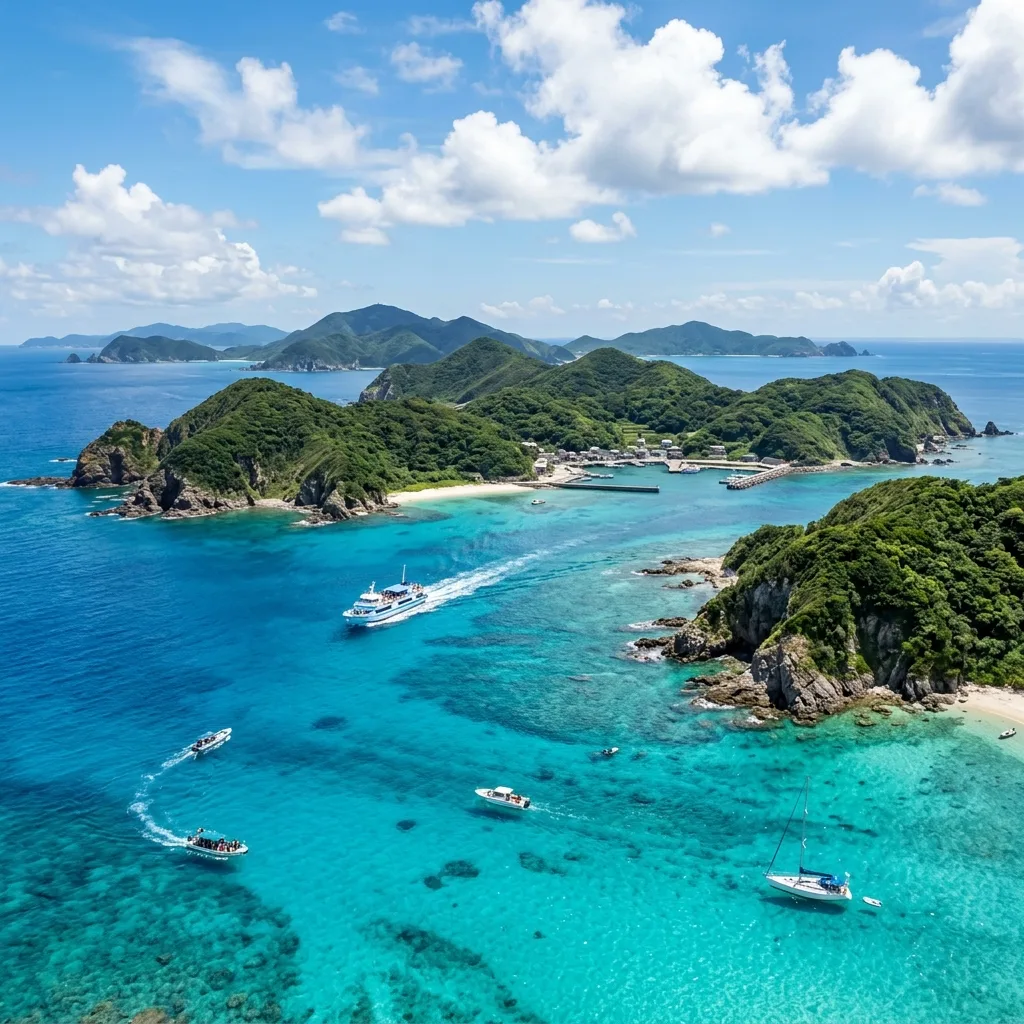
The turquoise waters beckon, revealing a vibrant underwater world teeming with life. For many, a trip to Okinawa isn't complete without experiencing the breathtaking beauty of the Kerama Archipelago. Often hailed as one of the world's best snorkeling and diving destinations, these pristine islands offer an escape from the bustling mainland, promising crystal-clear visibility and encounters with colorful coral reefs and diverse marine species. Whether you're a seasoned snorkeler or a first-timer, navigating the logistics of island hopping and finding the perfect tour can seem daunting. This comprehensive guide will equip you with everything you need to plan an unforgettable snorkeling adventure in the Kerama Islands in 2026, from ferry schedules and tour options to essential tips and local insights.
Discovering the Kerama Archipelago: Okinawa's Underwater Paradise
The Kerama Shoto National Park, designated in 2014, is a group of over 30 islands and islets located approximately 40 kilometers (25 miles) west of Naha, Okinawa. Renowned for its stunning "Kerama Blue" waters, the archipelago is a sanctuary for marine biodiversity, boasting over 250 species of coral and more than 1,000 species of fish. The three main inhabited islands, Tokashiki, Zamami, and Aka, serve as popular bases for exploring the surrounding reefs. From vibrant anemonefish darting amongst soft corals to majestic sea turtles gracefully gliding through the currents, the Kerama Islands offer an unparalleled opportunity to immerse yourself in a spectacular aquatic ecosystem. Its protected status ensures the continued health of this precious environment, making it a must-visit for eco-conscious travelers and marine enthusiasts alike.
Snorkeling in the Kerama Archipelago offers an unparalleled opportunity to witness Japan's vibrant underwater world. The Kerama Blue waters are home to a staggering array of marine life, including diverse coral formations and countless species of tropical fish. With easy access from Naha, it's a perfect day trip or multi-day adventure for anyone seeking natural beauty and aquatic exploration.
Why Choose the Kerama Islands for Snorkeling?
The Kerama Islands stand out for several reasons:
- Exceptional Water Clarity: The term "Kerama Blue" isn't just a marketing slogan; it accurately describes the incredible transparency and vivid blue hues of the ocean here, offering superb visibility for snorkelers.
- Rich Biodiversity: The coral reefs are exceptionally healthy, supporting a wide variety of marine species. It's common to spot clownfish, parrotfish, sea snakes, and even sea turtles (especially around Akajima and Zamamijima).
- Accessibility: Despite their pristine feel, the Kerama Islands are easily accessible from Naha, making them a convenient option for both day trips and longer stays.
- Protected Environment: As a national park, the area benefits from conservation efforts that help preserve its natural beauty for future generations.
Planning Your Kerama Snorkeling Adventure in 2026
Embarking on an island-hopping and snorkeling trip to the Kerama Archipelago requires a bit of planning, especially when considering the ferry schedules and tour options for 2026. Here's what you need to know to make your journey smooth and enjoyable.
Getting There: Ferry Schedules and Booking
All ferries to the Kerama Islands depart from Tomari Port (Tomarin) in Naha. There are two main types of services: high-speed passenger ferries and slower car ferries. Booking in advance is highly recommended, especially during peak seasons (summer, Golden Week, and Japanese holidays), as boats can sell out quickly. Online booking usually opens about two months in advance.
Naha to Tokashiki Island
Tokashiki Village operates services to Tokashiki Port.
| Vessel | Duration | Departure (Naha) | Arrival (Tokashiki Port) | Fares (One-Way) |
|---|---|---|---|---|
| Marine Liner Tokashiki (High-Speed) | 40 min | 09:00, 16:30 | 09:40, 17:10 | ¥2,530 |
| Ferry Tokashiki (Car Ferry) | 70 min | 10:00 | 11:10 | ¥1,690 |
- Return from Tokashiki: High-speed departures at 10:00 and 17:30; Car Ferry at 16:00.
- Booking: Check the Tokashiki Ferry Portal for specific 2026 dates and to make reservations.
Naha to Zamami & Aka Islands
Zamami Village operates services that typically stop at Aka Port before continuing to Zamami Port.
| Vessel | Duration | Typical Departure (Naha) | Fares (One-Way) |
|---|---|---|---|
| Queen Zamami (High-Speed) | 50–70 min | 09:00, 16:00 (seasonal) | ¥3,200 |
| Ferry Zamami (Car Ferry) | 90–120 min | 10:00 | ¥2,150 |
- Inter-Island Travel: The "Mitsushima" village ferry connects Zamami and Aka (15 min, ¥500) and can also be reserved to Tokashiki (Aharen Port) twice daily. Reservations for inter-island transfers should be made at least one day in advance.
- Important 2026 Note: The Queen Zamami is scheduled for maintenance from May 27 to June 5, 2026. During this period, only the slower car ferry will operate, so plan accordingly if traveling during these dates.
- Booking: Reservations for the Queen Zamami and Ferry Zamami can often be made up to 55 days in advance via the Zamami Village website or various tour operators.
Essential Ferry Travel Tips for 2026:
- Environmental Cooperation Tax: A "Churashima Tax" of ¥100 is added to all outbound fares from Naha to the Kerama Islands. This is usually included in your ticket price.
- Cancellations: High-speed boats are more susceptible to cancellations due to rough seas (e.g., waves exceeding 3 meters). Always check official village websites or port notices around 8:00 AM on your travel day for updates.
Kerama Snorkeling Tour Options and Prices (2026)
Snorkeling tours offer convenience and access to the best spots. Prices vary based on duration, inclusions, and departure point. For 2026, tour prices generally range from ¥6,000 to ¥15,000 ($40–$100 USD).
1. Tours Departing from Naha (Mainland Okinawa)
These are popular full-day options, usually visiting 2-3 different snorkeling spots within the National Park.
- Full-Day Snorkeling (6–8 hours): Expect to pay between ¥9,000 – ¥12,000 ($60–$80 USD). These typically include boat transit, all equipment (mask, snorkel, fins, life jacket), lunch, and basic insurance.
- Half-Day Snorkeling (3–4 hours): Around ¥6,000 – ¥8,500 ($40–$55 USD). These often target closer islands like Chibishi and include boat transit and equipment.
- Premium/Charter Tours: For smaller groups or specialized experiences (e.g., underwater photography focus), prices can exceed ¥15,000 ($100+ USD).
2. Island-Based Tours (Departing from Zamami or Tokashiki)
If you're staying overnight on one of the Kerama Islands, these tours offer a more localized experience.
- Boat Snorkeling (90 minutes – 3 hours): Prices range from ¥6,000 – ¥9,000 ($40–$60 USD).
- Kayaking & Snorkeling Combo (Full Day): Can be ¥13,000 – ¥15,000 ($85–$100 USD).
- Deserted Island Drop-off: A more adventurous option, a simple boat taxi to an uninhabited island for self-guided snorkeling costs around ¥3,000 – ¥5,000 ($20–$35 USD).
3. Day Trip Packages (Ferry + Snorkeling)
Some operators offer packages that combine round-trip ferry tickets from Naha with a guided tour on the island.
- Tokashiki Day Trip: Approximately ¥10,000 – ¥13,000 ($65–$85 USD).
- Zamami Day Trip: Approximately ¥11,000 – ¥14,000 ($70–$95 USD).
Key Factors Affecting Tour Prices:
- Seasonality: Prices are highest during July, August, and major Japanese holidays (Golden Week, Obon). Booking 2-4 weeks in advance is crucial during these times, as popular operators like Marine House Berry or SeaSir fill up quickly.
- Equipment: Most tours include standard snorkeling gear. Wetsuit rentals might be an extra ¥1,000–¥1,500.
- Winter Season (Jan–Mar): During these months, many snorkeling tours transition to whale watching tours at a similar price point.
Essential Entry Requirements and Local Regulations for 2026
While Japan generally has straightforward entry policies, there are specific considerations for Okinawa and the Kerama Islands in 2026.
General Entry to Japan:
- Visa-Free Travel: Citizens from many countries (including the US, UK, Canada, Australia) can enter Japan for up to 90 days for tourism without a visa. Always check the latest requirements for your nationality before travel.
- COVID-19 Protocols: As of 2026, there are no COVID-19 related entry requirements for Japan. You do not need vaccination proof or negative test results.
- Visit Japan Web: To expedite immigration and customs upon arrival, it's highly recommended to pre-register your information on the Visit Japan Web website. This generates QR codes for a smoother process.
New Taxes and Fees for 2026:
Be aware of these additional costs when budgeting for your trip:
- Okinawa Accommodation Tax: Effective from fiscal year 2026 (April 2026), Okinawa Prefecture will implement a 2% accommodation tax on hotel and inn stays. This is capped at ¥2,000 per person, per night. While some sources suggest actual collection might begin later, it's wise to budget for it.
- Increased Departure Tax: For international departures from Japan by air or sea after July 1, 2026, the international departure tax will increase from ¥1,000 to ¥3,000. This is typically included in your flight or ferry ticket price.
- Kerama Environmental Tax: A ¥100 Environmental Cooperation Tax is required for all visitors entering Zamami or Tokashiki villages. This is usually added automatically to your ferry ticket.
Local Regulations and Environmental Protection:
The Kerama Islands are a National Park, and strict rules are in place to protect the delicate marine ecosystem.
- Designated Snorkeling Areas: Snorkeling and swimming are often limited to designated areas marked by ropes or buoys to prevent damage to coral reefs. Always follow local signage and guide instructions.
- No Touching: Never touch corals or marine life. This can harm them and also puts you at risk from venomous creatures.
- Reef-Safe Sunscreen: Consider using reef-safe sunscreen to minimize chemical impact on the marine environment.
- Pest Control: Be aware of bans on taking certain plants (e.g., sweet potatoes, morning glories) out of Okinawa or between islands to prevent agricultural pest spread.
Practical Tips & Common Mistakes for Your Kerama Adventure
Even with thorough planning, a few insider tips can elevate your Kerama experience and help you avoid common pitfalls.
What Most Guides Miss:
- Cash is King on the Islands: While Naha is modernized, many smaller establishments, guesthouses, and local eateries on Tokashiki, Zamami, and Aka islands operate on a cash-only basis (Japanese Yen). ATMs are scarce, primarily found at local post offices with limited hours. Withdraw sufficient cash in Naha before departing.
- Inter-Island Ferry Reservations: Don't assume you can just show up for inter-island transfers. The "Mitsushima" village ferry connecting Zamami, Aka, and even Tokashiki (Aharen Port) requires reservations, especially if you plan to connect to Tokashiki. Book at least one day in advance.
- Sun Protection is Paramount: The Okinawan sun is intense. Even on cloudy days, UV exposure is high. Invest in a good quality rash guard, wide-brimmed hat, and polarized sunglasses in addition to reef-safe sunscreen. Prolonged exposure can lead to severe sunburn.
- Marine Life Etiquette: Beyond not touching, avoid feeding fish or disturbing nesting sea turtles. The ecosystem is fragile, and human interference can have long-lasting negative impacts.
- Understanding Ferry Cancellations: Be mentally prepared for potential ferry cancellations due to weather, especially for high-speed services. Have a backup plan, whether it's an extra night in Naha or exploring mainland Okinawa attractions.
Insider Advice:
- Stay Overnight for the Best Experience: While day trips are popular, staying one or two nights on Zamami or Tokashiki allows you to experience the islands' tranquil evenings, stunning sunsets, and less crowded mornings. It also gives you more flexibility if a ferry is delayed or cancelled.
- Explore Beyond the Beaches: Rent a scooter or bicycle on the islands to explore hidden viewpoints, local villages, and quieter beaches away from the main tourist hubs.
- Learn Basic Japanese Phrases: While many tourist-oriented staff speak English, knowing a few basic Japanese phrases (
Konnichiwa,Arigato,Sumimasen) will enhance your interactions with locals and is always appreciated. - Pack Light and Smart: You'll be transferring between boats and possibly walking short distances. A backpack is often more practical than rolling luggage.
- Don't Forget Your Camera (Waterproof!): The Kerama Islands offer incredible photo opportunities, both above and below the water. A waterproof camera or phone case is a must-have.
- Consider Travel Insurance: Given the potential for weather-related disruptions or minor injuries during water activities, comprehensive travel insurance is always a good idea. For broader travel planning, you might find our general The Ultimate Seoul Travel Guide: Where to Stay & What to See useful for general city exploration tips that apply to other major travel hubs as well, such as understanding local transportation systems or finding accommodation.
Frequently Asked Questions About Kerama Island Hopping & Snorkeling
Here are some common questions first-time visitors to the Kerama Archipelago often ask:
Q1: What's the best time of year to visit the Kerama Islands for snorkeling? A: The best time for snorkeling is generally from April to October, with July and August being the peak months for warm water and calm conditions. However, these are also the busiest and most expensive times. May, June, and October offer a good balance of pleasant weather, fewer crowds, and comfortable water temperatures. Winter (January to March) is whale-watching season, but snorkeling is still possible with a wetsuit.
Q2: Do I need to be an experienced swimmer to snorkel in the Kerama Islands? A: Not necessarily. Most snorkeling tours provide life jackets, and guides are there to assist you. Many of the designated snorkeling areas have calm, shallow waters perfect for beginners. If you're not a strong swimmer, inform your tour operator or guide, and they will ensure you are comfortable and safe. Always snorkel with a buddy.
Q3: Can I go snorkeling on my own, or do I need to join a tour? A: While you can snorkel from some public beaches on the islands (like Aharen Beach on Tokashiki or Furuzamami Beach on Zamami), the best and safest snorkeling spots are often accessed by boat. Joining a tour is highly recommended as they provide equipment, take you to pristine and remote reefs, and ensure your safety with experienced guides. Some tours even offer a "deserted island drop-off" if you prefer a self-guided experience in a more secluded area, but you'll still need boat transport.
Q4: What marine life can I expect to see? A: The Kerama Islands are home to an incredible variety of marine life. You can expect to see numerous species of colorful tropical fish (parrotfish, clownfish, butterflyfish), various types of hard and soft corals, sea snakes, and occasionally reef sharks (harmless to humans). Sea turtles are also frequent visitors, especially around Zamami and Aka islands. During winter, humpback whales migrate through the waters, though this is for whale watching, not snorkeling.
Q5: Are there any accommodations on the Kerama Islands? A: Yes, all three main inhabited islands (Tokashiki, Zamami, and Aka) offer a range of accommodations, including guesthouses (minshuku), small hotels, and a few resorts. Staying overnight allows for a more relaxed experience and the opportunity to explore the islands thoroughly. For ideas on diverse accommodation types, you might consider how to pick between Hanok Guesthouse Experience: Staying in a Traditional Korean Home and modern stays, as similar choices exist in Okinawa. Booking well in advance, especially for peak season, is crucial.
Q6: What should I bring for a day trip to the Kerama Islands? A: Pack light but smart. Essentials include swimwear, a towel, reef-safe sunscreen, a wide-brimmed hat, sunglasses, a reusable water bottle, motion sickness medication (if needed for the ferry), a waterproof bag or phone case, and sufficient cash. If you're sensitive to cold, consider bringing a rash guard or light wetsuit. Snacks are also a good idea, though most tours provide lunch.
Conclusion: Your Unforgettable Kerama Archipelago Snorkeling Journey Awaits
The Kerama Archipelago is truly a jewel of Okinawa, offering an unparalleled snorkeling experience with its crystal-clear "Kerama Blue" waters and abundant marine life. By understanding the ferry logistics, tour options, and essential travel tips for 2026, you're now well-equipped to plan your perfect island-hopping adventure. From vibrant coral gardens to graceful sea turtles, the underwater world of Kerama promises memories that will last a lifetime.
Don't let the planning intimidate you. With the right information, a visit to these breathtaking islands is within easy reach. Prepare to be mesmerized by Okinawa's underwater paradise, embrace the local culture, and make the most of your journey to one of Japan's most stunning natural treasures. Happy snorkeling!
If you are building this into a wider Japan route, pair it with the Japan travel planning guide and the Tokyo neighborhoods guide. That keeps the island trip connected to the rest of the itinerary instead of leaving it as a detached side trip.