Hanok Guesthouse Experience: Staying in a Traditional Korean Home

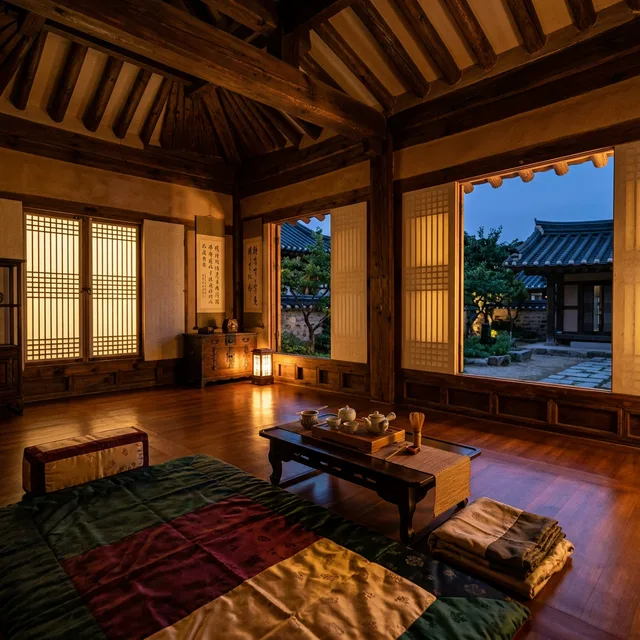
If you’re looking for the ultimate cultural immersion in South Korea, skip the glass and steel of modern hotels for at least one night. Staying in a Hanok—a traditional Korean house—is more than just choosing a place to sleep; it is an invitation to step back into a slower, more intentional way of life.
Introduction: The Soul of Korean Living
There is a specific kind of silence found in a Hanok that you won’t find anywhere else. It’s the sound of wind whispering through Hanji (traditional mulberry paper) windows, the gentle creak of polished pine beams, and the absolute stillness of an enclosed courtyard.
For centuries, Hanoks were the standard for Korean living, designed with a deep philosophy of harmony between the environment and the inhabitants. Today, while most Koreans live in modern high-rise apartments, the Hanok has seen a massive resurgence as a "stay experience." Whether you are a solo traveler seeking peace or a couple looking for romance, a Hanok guesthouse stay is the cornerstone of an authentic South Korean itinerary.
In this guide, we’ll delve into the architecture that makes these homes special, the best villages across the country to book your stay, and the practical "real talk" you need to know before you lie down on that traditional floor mattress.
1. What Exactly is a Hanok? (Architecture & Philosophy)
A Hanok is not just a building; it is a manifestation of the Korean spirit. The traditional architecture is governed by the principle of Baesanimsu (배산임수), which literally translates to "mountain in the back and water in front." Ideally, a house should be positioned to face the south to maximize sunlight while being protected from harsh winter winds by a mountain.
The Magic of Ondol and Maru
The most unique feature of a Hanok is its dual-nature climate control:
- Ondol (온돌): This is the traditional underfloor heating system. Historically, the smoke from the kitchen fire was channeled through flues beneath the stone floors. Today, it’s mostly electric or water-based, but the sensation remains the same—a deep, radiating warmth that makes sleeping on the floor surprisingly cozy, especially in winter.
- Daecheong-maru (대청마루): This is the wide wooden floor area usually found in the center of the house. It is designed to allow air to circulate freely, providing a cool sanctuary during Korea’s humid summers.
Natural Materials
Hanoks are built primarily from earth, wood, and stone. No nails were traditionally used; instead, the wooden pillars and beams were fitted together like a complex puzzle. The walls are made of a mixture of clay and straw, which acts as a natural dehumidifier.
The Science of "Breathing Walls"
Unlike modern concrete buildings that seal off the interior, a Hanok is designed to breathe. The walls are a multi-layered composite of fermented clay, straw, and water, applied over a lattice of woven bamboo.
- Natural Filter: This clay mixture acts as a natural air filter and humidity regulator. When the air is too humid, the clay absorbs moisture; when it’s dry, it releases it back into the room.
- Hanji Paper: The windows and doors are covered in Hanji, a durable paper made from the bark of mulberry trees. Hanji is surprisingly strong and insulating, but its microscopic pores allow air to pass through while keeping the warmth from the Ondol inside. It creates a soft, diffused lighting environment that has been scientifically shown to lower stress levels.
The crowning glory is the Giwa (tiled roof). The graceful, upward curve of the giwa is intended to mimic the surrounding mountains, ensuring the house never feels like an imposition on the landscape.
2. Best Hanok Villages to Stay In
Seoul: Tradition in the Heart of the Metropolis
You don’t have to leave the capital to experience a Hanok. Seoul has several distinct areas, each with a different vibe.
Bukchon Hanok Village
Located between Gyeongbokgung and Changdeokgung palaces, Bukchon was historically the neighborhood of aristocrats and high-ranking officials. The Hanoks here are grand, well-maintained, and offer some of the most iconic views of the city.
- The Stay: Expect higher price points but impeccable service. Many guesthouses here, like the famous Rakkojae Seoul, offer "museum-quality" stays with traditional tea ceremonies and premium silk bedding.
- Pro Tip: Bukchon is a residential area. Please be mindful of noise, especially in the early morning and late evening.
Bukchon Walking Route for Guests
If you are staying in Bukchon, we recommend an early morning walk (around 7:30 AM) before the crowds arrive. Start from Bukchon 4th view to see the sea of tiled roofs, then wind your way down to the hidden tea houses of Samcheong-dong.
- The Craft Workshops: Many Hanok stays in Bukchon are connected to traditional artisan studios. You can try your hand at Knot Making (Maedeup), Natural Dyeing, or Traditional Painting (Minhwa).
Ikseon-dong
If Bukchon is the "Aristocrat," Ikseon-dong is the "Cool Cousin." This is one of the oldest neighborhoods in Seoul, where the narrow alleys are packed with tiny Hanoks that have been converted into trendy cafes, craft breweries, and boutique shops.
- The Stay: You won't find many large guesthouses here, but there are amazing boutique Airbnbs. It’s perfect if you want to be steps away from the best nightlife and "Instagrammable" spots in Seoul.
Seochon: The Scholar's Choice
Just west of Gyeongbokgung palace lies Seochon. While Bukchon was for the high-ranking officials, Seochon was home to the middle class—artists, poets, and clerks. The Hanoks here are smaller and feel more intimate.
- The Vibe: It’s less "museum-like" and more "lived-in." You’ll find modern bookstores and jazz bars tucked inside 100-year-old structures.
Eunpyeong Hanok Village
Located at the base of Bukhansan Mountain in northern Seoul, this is a newer, planned Hanok village. The houses here are larger (often two stories) and the streets are wider.
- The Stay: It feels much more tranquil than Bukchon. It’s a great choice if you want to combine a Hanok stay with a hiking trip up Bukhansan.
Jeonju: The Cultural & Foodie Capital
If you ask a Korean where to go for the "ultimate" Hanok experience, they will likely say Jeonju. The Jeonju Hanok Village is home to over 800 houses and remains the spiritual home of traditional culture in Korea.
- The Spirit: Jeonju is much more vibrant and "alive" than the Seoul villages. You’ll see thousands of visitors (both local and foreign) walking the streets in rented Hanbok (traditional clothing).
- The Food: Jeonju is the birthplace of Bibimbap. Staying in a Hanok here means you are minutes away from some of the best traditional markets and "Kongnamul Gukbap" (soybean sprout soup) joints in the country.
The Jeonju Morning Ritual
When staying in Jeonju, the day usually begins with the sound of the nearby temple bells.
- The Tea Ceremony: Most Jeonju guesthouses offer a complimentary morning tea session. You will learn the meditative process of warming the cups, "washing" the tea leaves, and savoring the first pour.
- Hanbok Experience: Many guesthouses provide discounts on Hanbok rentals. Walking through the 800-house village in traditional dress isn't just for tourists—it's a beloved way for Koreans to reconnect with their roots.
Gyeongju: The "Museum Without Walls"
Gyeongju was the capital of the Silla Kingdom for nearly a thousand years. The Hanoks here often feature views of ancient burial mounds (Tumuli) and historic temples.
- Yangdong Folk Village: A UNESCO World Heritage site. This is a "real" village where people still live and work. Staying here is as close as you can get to time travel.
- Central Gyeongju: Many modern Hanoks have been built in the Hwangnam-dong area (Hwangridan-gil), which has become a major hub for youth culture and trendy dining.
Gyochon Traditional Village
In the heart of Gyeongju lies the Gyochon Village, centered around the historic Choi clan. The Choi family was famous for their "noblesse oblige," and their massive estate serves as the blueprint for aristocratic Hanoks in the region.
- The Experience: Look for stays that offer a view of the Woljeonggyo Bridge—it is one of the most beautiful sights in Korea when illuminated at night.
The Big Comparison: Hotel vs. Hanok Guesthouse
| Feature | Modern Luxury Hotel | Traditional Hanok Guesthouse |
|---|---|---|
| Bedding | Western Mattress | Traditional Floor Mat (Ibul) |
| Privacy | High (Soundproofed walls) | Moderate (Thin paper/wood walls) |
| HVAC | Central Air/Heat | Ondol (Floor) & Natural Breeze |
| Bathroom | Ensuite Luxury | Varies (Private ensuite or shared) |
| Breakfast | International Buffet | Traditional Korean Home-style |
| Primary Vibe | Global / Standardized | Cultural / Immersive |
Traditional Cultural Workshops: Enhance Your Stay
Many travelers make the mistake of just "sleeping" in a Hanok. To get the full value out of your stay, look for guesthouses that offer these specific workshops:
- Darye (Korean Tea Ceremony): A deep dive into the philosophy of tea and mindfulness.
- Gayageum Lessons: Learn to play the 12-stringed traditional zither.
- Calligraphy (Seoye): Practice writing your name or a favorite poem using traditional brushes and ink.
- Traditional Liquor Tasting: Some Hanoks in Jeonju specialize in making "Makgeolli" or "Soju" using ancient family recipes.
3. The Real Talk: Challenges & Tips for Your Stay
A Hanok stay is beautiful, but it is not without its challenges. Here is the unvarnished truth to help you prepare.
Sleeping on the Floor (The "Ondol" Experience)
Most traditional Hanoks do not have Western-style beds. Instead, you will sleep on Ibul—a set of thick mats and quilts laid directly on the heated floor.
- The Comfort Factor: For some, it’s the best sleep of their lives (the heated floor is great for muscle relaxation). For others, it can feel too hard.
- The Solution: If you are worried about your back, look for "Modern Hanoks" which often offer "Hybrid" rooms with low-profile beds. If you’re at a traditional guesthouse, don’t be afraid to ask for an extra mat (Yo) to add more cushioning.
Noise and Privacy
Because Hanoks are made of wood and paper, the walls can be thin.
- The Etiquette: Voices carry. Most guesthouses have a "Quiet Hours" policy starting at 10:00 PM. This is part of the charm—respecting the communal peace.
- Privacy: While most rooms have locks, the windows are often covered only by paper. It provides a beautiful soft light, but it means you shouldn't expect 100% soundproofing.
Bathrooms: Traditional vs. Modern
In the past, Hanoks had communal outhouses. Thankfully, almost all modern Hanok guesthouses have been retrofitted.
- Private Bathrooms: Many upscale Hanoks have succeeded in building tiny, modern bathrooms into the room.
- Shared Bathrooms: Some of the more authentic (and budget-friendly) stays still use shared facilities in the courtyard. Always check the listing carefully if a private ensuite is a dealbreaker for you.
4. Booking & Practical Information
Price Ranges
- Budget (₩100,000 - ₩150,000): Clean, simple rooms, often with shared bathrooms. Great for student travelers or those on a budget.
- Mid-Range (₩150,000 - ₩250,000): Private bathrooms, often includes a traditional Korean breakfast (Juk or rice and side dishes).
- Luxury (₩300,000 - ₩500,000+): Properties like Rakkojae or Gyeongwonjae Ambassador Incheon. These offer high-end amenities, spa services, and stunning gardens.
Best Seasons for a Stay
- Autumn (October - November): The absolute best time. The Gingko trees turn gold against the black giwa roofs.
- Winter (December - February): The best time to experience the Ondol. There’s nothing like watching snow fall into a courtyard while your toes are toasty on a heated floor.
- Spring (April - May): Cherry blossoms and garden blooms make the courtyards look like paintings.
A Tale of Two Roofs: Giwa-jip vs. Choga-jip
When you book a Hanok stay today, you are most likely staying in a Giwa-jip (tiled-roof house). But historically, there were two main types of Hanoks allowed based on your social class:
- Giwa-jip (기와집): These were the homes of the Yangban (aristocrats). The heavy black clay tiles were expensive and a sign of status. These are the beautiful structures you see in Bukchon and Jeonju today.
- Choga-jip (초가집): These were the homes of the commoners, featuring roofs made of tightly thatched rice straw. While less grand, Choga-jip are incredibly well-insulated and offer a rustic, "earthy" experience. If you want to stay in a Choga-jip, look for guesthouses in rural villages like Andong Hahoe Village.
The Modern Hanok Movement: The "Breathing House" Returns
In the 1970s and 80s, many Hanoks were demolished to make way for modern apartments. However, a new generation of architects (like Hwang Doo-jin) is leading a "Neo-Hanok" movement. These modern Hanoks incorporate glass, steel, and multi-story designs while maintaining the central courtyard and Ondol core. Staying in a newly built Hanok often gives you the best of both worlds: the cultural soul of tradition with the insulation and plumbing of the 21st century.
Logistics: Preparing for Your Journey
Because Hanok villages are historic areas, they aren't always "suitcase-friendly."
- Luggage Management: The alleys of Bukchon and Jeonju can be steep and paved with uneven stone. Most Hanoks have high thresholds (to keep heat in and spirits out!). If you have very heavy luggage, we recommend using a delivery service from the airport or storing your main bags at the train station and bringing only a "Hanok-overnight" bag.
- Laundry: Very few traditional Hanoks have guest laundry facilities. Plan to have your laundry done before or after your Hanok leg of the trip.
- WiFi and Tech: Don't worry—almost all Hanok guesthouses offer blazing-fast Korean 5G WiFi and plenty of power outlets. Even a 200-year-old house can keep your phone charged!
Photography Etiquette: Respecting the "Living" History
Photography is one of the main reasons people visit Hanok villages, but it's important to remember that these are often residential neighborhoods.
- The "Silent" Village: In Seoul's Bukchon, you will see "Silence" signs everywhere. Stick to the designated "Photo Zones" and never point your camera into a residential window.
- Permission First: If you want to take photos inside your guesthouse courtyard, it’s always polite to ask the host first, especially if other guests are staying there.
- The "Golden Hour": The best time to photograph Hanoks is during the "Blue Hour" just after sunset. The warm yellow light from the paper windows contrasts beautifully with the deep blue sky and the black roofs.
Hanok Stays for Every Traveler Type
For Solo Travelers: Safety and Solitude
Hanok guesthouses are generally very safe. The hosts often treat guests like family, offering advice on local hidden gems. If you are traveling solo, look for "Single Hanok Studios" in Ikseon-dong for a trendy, safe base.
For Families: A Living Classroom
Children usually love Hanoks because they can run around (barefoot!) in the enclosed courtyards. It’s a great way to teach them about Korean history and etiquette. Look for "Full House Rental" options if you have a larger family to ensure you don't disturb other guests.
Conclusion: Why You Should Do It
In our fast-paced, digital world, the Hanok represents a different rhythm. It encourages you to slow down, to drink tea, and to appreciate the texture of wood and the play of light on paper. Even if you only do it for one night in Seoul or Jeonju, the memory of waking up to a quiet courtyard and the warmth of an Ondol floor is often the highlight of a trip to Korea.
So, take off your shoes, step onto those warm wooden floors, and let the history of Korea welcome you home.
A Hanok stay is just one piece of the accommodation puzzle; to understand your other options across the capital, refer to our breakdown of the Best Areas to Stay in Seoul: A Neighborhood-by-Neighborhood Guide for Travelers. If you are specifically interested in traveling south for a traditional stay, you must read Eat, Pray, Sleep: A Foodie's Guide to Jeonju Hanok Village. Another uniquely Korean overnight experience that offers budget-friendly cultural immersion is a Jjimjilbang Stay: Can You Really Sleep at a Korean Sauna?. You can effortlessly fit both of these overnight experiences into The Ultimate 10-Day South Korea Itinerary for First-Timers.