Best Areas to Stay in Seoul: A Neighborhood-by-Neighborhood Guide for Travelers
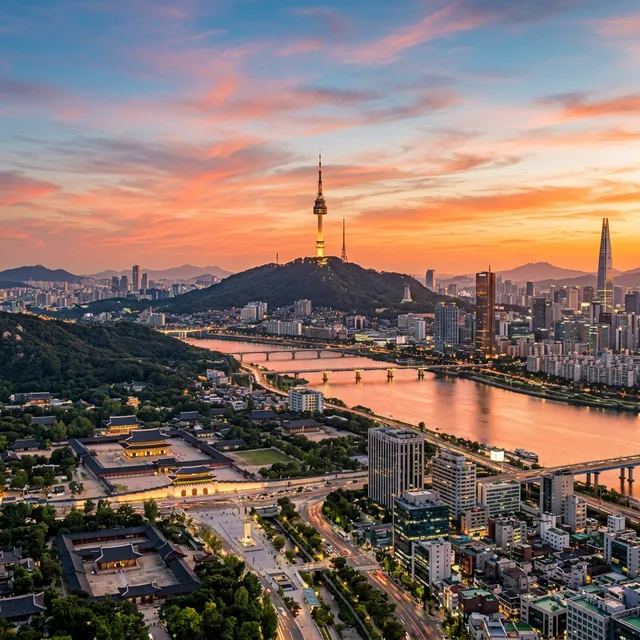
Seoul is a massive, sprawling metropolis of over 10 million people, divided by the mighty Han River and surrounded by jagged mountains. For a first-time visitor, looking at a map of Seoul can be dizzying. With 25 distinct districts (Gu) and hundreds of neighborhoods (Dong), where you choose to stay will fundamentally color your perception of the city.
Choosing your base in Seoul isn't just about finding a nice hotel; it's about choosing which "version" of Seoul you want to wake up to every morning. Do you want the traditional soul of the north, the glitzy high-rises of the south, or the youthful energy of the university districts in the west?
Introduction: The "North vs. South" Logic
To understand Seoul, you first need to understand the divide created by the Han River.
- Gangbuk (North of the River): This is "Old Seoul." It’s where you’ll find the historic palaces, the traditional Hanok villages, and the oldest markets. The streets are narrower, the history is deeper, and it’s generally where most leisure travelers spend 70% of their time.
- Gangnam (South of the River): This is "New Seoul." Developed rapidly after the 1970s, it is a grid-like urban jungle of glass skyscrapers, wide boulevards, luxury shopping malls, and corporate headquarters.
In this guide, we will break down the top neighborhoods in both sections of the city, categorized by the type of traveler they suit best.
1. Best for First-Timers: Myeongdong & Insadong
If this is your first time in Korea and you want everything to be as easy as possible, these two central hubs are the most convenient choices.
Myeongdong: The Beating Heart of Tourism
Myeongdong is synonymous with Seoul tourism. It is a massive pedestrian-friendly zone famous for its street food and K-beauty shops.
- The Vibe: Loud, bright, and crowded—but in a fun, high-energy way. Every night, the central streets fill with food carts serving everything from grilled lobster to "tornado potatoes."
- Why Stay Here?: Convenience is king. Myeongdong is the central intersection for the city’s major subway and bus lines. You can reach the palaces in the north or the shopping malls in the south with ease.
- Key Properties: Lotte Hotel Seoul, Aloft Seoul Myeongdong, and many high-value business hotels like Nine Tree Hotel.
Insadong: The Cultural Soul
Just a short walk from Myeongdong is Insadong. This area was historically where artists and scholars lived, and it remains the best place to find traditional tea houses, calligraphy shops, and antique galleries.
- The Vibe: Artistic and significantly calmer than Myeongdong. The main street is lined with beautiful wooden buildings and hidden courtyard gardens.
- Why Stay Here?: You are within walking distance of Gyeongbokgung (the main palace) and Bukchon Hanok Village. It’s perfect for those who want to feel the "Old Korea."
- Key Properties: Sunbee Hotel or a traditional Hanok stay. (Read our Hanok Guesthouse Experience guide for more on this).
2. Best for Youth & Budget: Hongdae & Sinchon
If you want to be where the energy is at its highest and the prices are at their lowest, head west to the university district.
Hongdae (Hongik University Area)
Hongdae is the center of Seoul’s youth culture. Home to the country’s top art university, the streets are a living stage for buskers, street performers, and independent fashion designers.
- The Vibe: Vibrant, creative, and slightly chaotic. Hongdae never truly sleeps. By day, it’s a cafe and shopping paradise. By night, it becomes the clubbing and live music capital of Korea.
- Why Stay Here?: It’s incredibly affordable. It’s also the first stop on the AREX (Airport Railroad Express) from Incheon Airport, making arrivals and departures a breeze.
- Key Properties: L7 Hongdae and a plethora of high-quality hostels and guesthouses.
Sinchon & Edae
Nearby are Sinchon (Yonsei University) and Edae (Ewha Womans University). These areas offer a similar university vibe but are slightly quieter and even more focused on budget-friendly shopping and dining.
3. Best for Luxury & Modernity: Gangnam & Yeouido
For those who want to see the sleek, "Silicon Valley" side of Seoul, these southern hubs are the places to be.
Gangnam (Sinsa, Apgujeong, Cheongdam)
"Gangnam Style" isn't just a song; it’s a reality here. This is the wealthiest part of Korea.
- The Vibe: High-end luxury. You’ll see more Supercars per block here than anywhere else in Asia. It’s home to the "K-Star Road," luxury flagship stores, and the country’s top plastic surgery clinics.
- Why Stay Here?: If you love wide streets, high-end department stores (like Galleria), and elite dining, this is the place. It’s also home to the COEX Mall and Bongeunsa Temple.
- Key Properties: Park Hyatt Seoul, InterContinental Seoul COEX, and the legendary Andaz Seoul Gangnam.
Yeouido: The "Manhattan" of Seoul
Yeouido is an island in the Han River that serves as the city’s financial and political center.
- The Vibe: Sophisticated and professional. It’s home to the National Assembly and the massive The Hyundai Seoul—Korea's most modern and aesthetic department store.
- Why Stay Here?: It’s much quieter than the other hubs on weekends. It also offers the best access to the Han River Park, where you can rent bikes or enjoy a riverside picnic.
- Key Properties: Conrad Seoul and Fairmont Ambassador Seoul.
4. The 2025 "Cool Pick": Seongsu-dong
If you’ve already been to Seoul or want to stay where the "locals in the know" hang out, Seongsu-dong is the clear winner for 2024 and 2025.
The "Brooklyn of Seoul"
Seongsu-dong was once a district of shoe factories and auto-repair shops. Over the last few years, these industrial spaces have been transformed into cavernous cafes, art galleries, and pop-up stores for brands like Chanel and Dior.
- The Vibe: Industrial-chic and hyper-trendy. Every weekend, thousands of young Koreans flock here to see the latest fashion pop-ups.
- Why Stay Here?: It feels authentic and evolving. You are also right next to Seoul Forest, a massive park even better than Namsan for a morning jog.
- Key Properties: Boutique hotels like Hotel Poco or stylish Airbnb conversions.
5. The "Seoul Transit Logic": Choosing by Subway Line
In Seoul, your "life" is defined by which subway line you stay on. When booking your hotel, look at the subway map!
- Line 2 (Green / The Circle Line): This is the most important line for travelers. It circles the city and connects Hongdae, Sinchon, Gangnam, Seolleung, and Seongsu. If you stay on Line 2, you can reach almost any "cool" part of the city without changing trains.
- Line 3 (Orange): This is the "Culture Line." It connects the palaces, Insadong, and Gangnam (Apgujeong).
- Line 4 (Blue): This is the "Tourism Line." It goes straight through Myeongdong, Seoul Station, and Dongdaemun.
- AREX (Airport Rail): Connects Incheon/Gimpo airports directly to Hongdae and Seoul Station.
Survival Tip: Google Maps does not work well for walking or driving directions in Korea due to security regulations. You must download Naver Map or KakaoMap before you arrive.
Myeongdong's Street Food Survival Guide
To truly stay in Myeongdong, you have to master the night market. Every evening around 4:00 PM, a fleet of yellow carts descends upon the main pedestrian thoroughfare.
- Must-Try Items: Look for the Myeongdong Egg Bread (Gyeran-ppang), Grilled Cheese Lobster, and the famous 32cm Ice Cream cones.
- K-Beauty Strategy: If you stay in this neighborhood, use the mornings (10 AM - 12 PM) to shop for skincare. The stores are empty, and the staff are much more generous with free samples.
Hongdae’s Secret Alleys: Beyond the Main Stage
While the main "Walking Street" is great for busking, the real charm of staying in Hongdae is found in the side streets.
- Mural Street (Wall Painting Street): Located near the entrance of Hongik University, this alley is a constantly changing gallery of graffiti and professional murals.
- Themed Cafes: From raccoon cafes to high-end vinyl listening bars, Hongdae’s accommodation puts you within steps of the world's most unique "Third Spaces."
Sinsa-dong & Garosu-gil: The Fashionista's Gangnam
If the main Gangnam station area feels too corporate, stay in Sinsa-dong. The famous Garosu-gil (Tree-lined Street) is the "SoHo of Seoul."
- The Demographic: This is where models, photographers, and influencers stay. It has a high concentration of upscale brunch spots and "select shops" that curate independent Korean designers.
- Medical Tourism Hub: Sinsa and Apgujeong are the global centers for dermatology and plastic surgery. Many hotels in this area (like Ido Hotel) are specifically designed for guests recovering from minor cosmetic procedures.
Dongdaemun: The City That Never Sleeps (Literally)
Dongdaemun is Seoul's fashion and design district. If you are a night owl or a fashion professional, this is your base.
- 24-Hour Shopping: Massive malls like Doota and Migliore are open until 5:00 AM.
- Dongdaemun Design Plaza (DDP): Designed by Zaha Hadid, this "Silver Spaceship" is the architectural heart of the city. Staying nearby gives you the chance to see it beautifully illuminated at night without the daytime crowds.
6. Practical Logistics: Navigating Like a Local
Choosing the right neighborhood is step one. Step two is learning how to move between them without losing your mind.
The T-Money Card: Your Key to the City
As soon as you arrive at Incheon Airport, buy a T-Money card. This is a rechargeable smart card used for all subways, buses, and even many taxis and convenience stores.
- Reloading: You can reload it with cold, hard cash at any subway station or convenience store (CU, GS25, 7-Eleven).
- Transfer Discounts: One of the best parts of Seoul's transit is that transfers between subway lines and buses are free (if done within 30 minutes).
Baggage Logistics: The "Free Hands" Service
If you arrive early and your guesthouse in the hilly Bukchon village isn't ready, use ZimFree or SAFEX. These services will take your luggage from the airport or train station and deliver it directly to your accommodation, or store it in lockers at major subway stations.
Subway Etiquette: The Golden Rules
- The Pink Seats: Even if the train is packed, never sit in the pink-labeled seats. These are strictly reserved for pregnant women.
- Escalator Standard: Stand on the right, walk on the left.
- Volume Control: Talking loudly on the phone or with friends is considered quite rude. Most Koreans wear noise-canceling headphones and keep to themselves.
7. Beyond the Map: Sub-Neighborhood Deep Dives
Sometimes, a "district" name isn't enough. Here are the specific street neighborhoods that are currently the most popular for 2025:
Itaewon's "Three Faces"
Many travelers avoid Itaewon because they think it's just a rowdy nightlife strip. But Itaewon has three very different personalities depending on where you stay:
- The Main Strip: Near the station. Busy, loud, and full of international bars.
- Haebangchon (HBC): Located on a steep hill with incredible views of the city. It has a community-driven, hipster vibe with great craft breweries and vegan cafes.
- Gyeongnidan-gil: A winding street filled with boutique furniture shops, boutique dessert cafes, and embassies. This is the "high-end" side of Itaewon.
The Seongsu-dong Walking Course
If you choose to stay in Seongsu, here are the flagship brands you must visit to see why this area is so trendy:
- Ader Error Seongsu Space: A concept store that feels like a futuristic art museum.
- LCDC Seoul: A refurbished industrial building housing dozens of tiny independent designers.
- Musinsa Standard: The "Uniqlo of Korea," showcasing the latest in K-fashion trends.
8. Accommodation Types Explained: What's the Difference?
When booking, you'll see several types of stays. Here is what they actually mean in a Korean context:
- Business Hotels (Nine Tree, Toyoko Inn, Shilla Stay): These are the "safe picks." They are standardized, incredibly clean, and usually located right next to major subway exits. They prioritize efficiency over personality.
- Boutique Hotels (L7, Hotel RYSE, Gladstone): These are designed for the younger or design-conscious traveler. They often feature rooftop bars, art in the lobby, and curated local guides.
- Pensions: Usually found on the outskirts or in places like Jeju, but some exist in the northern hills of Seoul. They are more like self-catering vacation rentals with a "homey" feel.
- Motels (Gostays): In Korea, "Motels" are often high-tech, affordable options. While many are used for "couples' stays," modern motels in areas like Shinchon or Yeongdeungpo are perfectly safe and very high-value options for budget travelers.
- Short-Term Rentals (Airbnb): Particularly popular in Seongsu-dong and Hongdae, where many stylish studio apartments are available. However, Korea's rental regulations are strict—always look for the government registration number before booking. Our complete guide to Airbnbs and short-term rentals in Korea explains the legal requirements and how to avoid the common "Officetel trap."
9. The Digital Nomad & Traveler’s App Toolkit
Staying in the right neighborhood is useless if you can't navigate the local digital ecosystem. Crucially, download these four apps as soon as you land:
- Kakao T: The Korean Uber. You don't need to speak Korean; just set your destination in the app. You can pay with your pre-registered card or pay the driver directly in cash/T-Money.
- Catch Table (Global Version): The essential app for restaurant reservations. Seoul's best dining spots in Seongsu and Gangnam often require a booking weeks in advance.
- Naver Map: As mentioned, Google Maps is unreliable. Naver provides real-time bus arrival data and even shows you which subway car is the least crowded.
- Papago: Far superior to Google Translate for Korean context. It has a "real-time image translation" mode that is a life-saver for menus in traditional Insadong tea houses.
10. Summary Comparison Table
| Neighborhood | Best For... | Budget | Key Attraction | Transit Ease |
|---|---|---|---|---|
| Myeongdong | First-timers | Mid-range | Street Food & K-Beauty | 10/10 |
| Hongdae | Youth / Solo | Budget | Busking & Nightlife | 10/10 |
| Gangnam | Luxury / Shopping | High | High-end Dept Stores | 8/10 |
| Insadong | Culture / Peace | Mid-range | Palaces & Tea Houses | 9/10 |
| Itaewon | Diversity / Food | Mid-range | International Dining | 7/10 |
| Seongsu-dong | Trends / Hipsters | Mid-range | Industrial Cafes | 8/10 |
| Yeouido | Riverside / Biz | High | The Hyundai Seoul | 8/10 |
Conclusion: Which Version of Seoul is Yours?
To summarize:
- Stay in Myeongdong if you want to be in the center of the action and close to everything.
- Stay in Hongdae if you love nightlife and want to keep your accommodation costs low.
- Stay in Gangnam if you’re here for shopping, professional networking, or a high-end luxury feel.
- Stay in Seongsu-dong if you want to see exactly where the "cool" Seoulites are spending their weekends in 2025.
Seoul is a city that reveals itself in layers. No matter where you stay, you’ll find that the efficient public transit makes exploring other neighborhoods easy. But waking up in your perfect neighborhood makes the experience that much more magical.
If you're still debating where to anchor your trip, The Ultimate Seoul Travel Guide: Where to Stay & What to See provides a broader city overview. Travelers prioritizing cultural immersion over modern convenience should also read our comprehensive guide on the Hanok Guesthouse Experience: Staying in a Traditional Korean Home. Conversely, if saving money is your primary goal, explore the Best Budget Hostels in Seoul: Affordable Stays Without Sacrificing Location. Finally, once you've picked your neighborhood, you can begin plotting out your daily adventures with The Ultimate 10-Day South Korea Itinerary for First-Timers.