Tokyo Neighborhoods Guide: From Shinjuku to Shimokitazawa

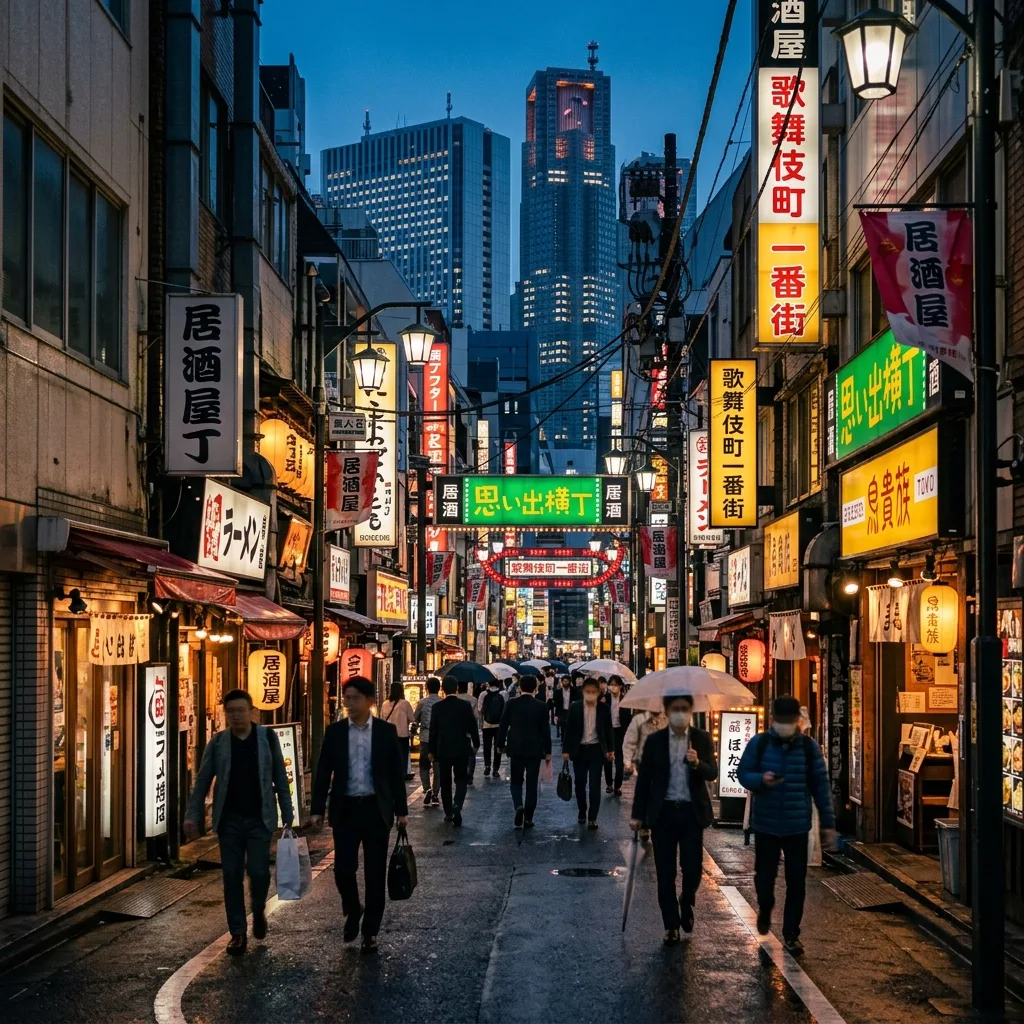
Tokyo doesn't reveal itself to people who stay in one place. Most first-time visitors pick a hotel near Shinjuku or Shibuya, absorb the neon overload, and fly home thinking they've seen the city — when in reality they've seen about 5% of it. The neighborhoods of Tokyo are worlds unto themselves, each with a distinct personality, rhythm, and price point. Whether you want the electric chaos of Kabukicho or the unhurried vinyl-shopping lanes of Shimokitazawa, knowing which neighborhood to visit — and when — is the difference between a great Tokyo trip and an exhausting, overpriced one.
This guide breaks down Tokyo's most rewarding neighborhoods for travelers: what makes each unique, how to get there, what to budget, and the local habits that most tourist guides skip. We cover Shinjuku, Shimokitazawa, Harajuku, Asakusa, Shibuya, Yanaka, and Akihabara — plus practical transit strategy for moving between them without losing half your day on the subway.
If you're starting from scratch on Japan trip planning, the Ultimate Tokyo Travel Guide 2026: Everything First-Timers Need to Know covers logistics like JR Pass, IC cards, and airport access before you dive into specific areas.
How to Think About Tokyo's Neighborhoods
Tokyo is not one city — it's a federation of sub-cities, each built around a major train station. Unlike Paris or London, where neighborhoods bleed into each other geographically, Tokyo neighborhoods are anchor-and-orbit systems: each station is the center of gravity for its surrounding blocks, and the character can shift dramatically in a two-stop train ride.
This structure is your friend as a traveler. It means you can be in the punk-vintage chaos of Shimokitazawa at noon and standing in the serene bamboo lanes of Yanaka by 2 p.m., with nothing but a ¥200 train ride separating them. The key is to stop thinking in walking distances and start thinking in train stops.
Before exploring neighborhoods, load an IC card (Suica or Pasmo) at any station. Every neighborhood in this guide is accessible by the Tokyo Metro, JR Yamanote Line, or Keio/Odakyu private lines. A single-ride trip between adjacent neighborhoods typically costs ¥140–¥220. Budget ¥1,000–¥2,000 per day for transit if you're neighborhood-hopping aggressively.
Shinjuku: The Impossible Everything District
Shinjuku is the neighborhood that Tokyo built to prove it could do everything at once — and it succeeded. Shinjuku Station processes over 3.5 million passengers daily, making it the busiest train hub in the world, connecting the Yamanote Line, Chuo Line, Keio and Odakyu private railways, and multiple Tokyo Metro lines. The station itself has over 200 exits, and getting lost inside it at least once is practically a rite of passage.
What Shinjuku actually is: two completely different cities sharing a train station. West Shinjuku (Nishi-Shinjuku) is corporate Tokyo — a cluster of skyscrapers housing the Tokyo Metropolitan Government Building, luxury hotels, and corporate headquarters. East Shinjuku (Higashi-Shinjuku) is where the chaos lives: the neon pachinko parlors of Kabukicho, the labyrinthine Omoide Yokocho (Memory Lane) crammed with yakitori stalls, and Golden Gai, a network of back alleys packed with bars so small some seat only six people.
Shinjuku Gyoen National Garden
The most underrated asset in Shinjuku is its enormous national garden. Shinjuku Gyoen blends traditional Japanese, French formal, and English landscape garden styles across 58 hectares — a surreal island of calm surrounded by skyscrapers. Admission is ¥500 for adults (IC card tap accepted at the gate), and children in junior high school or younger enter free. The garden opens at 9:00 a.m. and closes at 4:30 p.m. (last entry 4:00 p.m.). During cherry blossom season (late March to early April), advance online reservations are required for peak weekend slots, so book ahead if your visit falls in that window.
Kabukicho and Golden Gai
Kabukicho is the entertainment and nightlife district immediately north of the station's east exit. The Godzilla head mounted on the Toho Cinema building is the landmark to orient by. The area is safe to walk — Tokyo's crime rate makes most red-light districts elsewhere look alarming by comparison — but be aware that touts outside hostess clubs and "girl bars" will approach you. A polite wave-off is usually sufficient.
Golden Gai is a 10-minute walk from Kabukicho: six alleys, roughly 200 bars, most open nightly from around 8 p.m. Many bars have a cover charge of ¥500–¥1,000 for first-time visitors (this is disclosed upfront, not a scam). Go alone or in a pair — groups larger than three won't fit in most venues. The culture is intimate and conversation-forward, often with English-speaking regulars who've made Golden Gai their local.
Omoide Yokocho
Directly adjacent to Shinjuku Station's west exit, Omoide Yokocho ("Memory Lane") is a narrow alley of open-air yakitori stalls that date back to the post-war black market. Expect char-grilled skewers, smoky air, and communal tables squeezed between strangers. Stall prices are fixed — no negotiation — and a filling dinner of skewers and beer runs ¥1,500–¥2,500 per person. Most stalls open around 5 p.m. and close by midnight.
Getting to Shinjuku: Any train on the JR Yamanote Line stops here. From Tokyo Station, it's about 15 minutes. From Shibuya, it's 5 minutes.
Shimokitazawa: Tokyo's Indie Soul
If Shinjuku is Tokyo's face — energetic, commercial, relentlessly on-brand — Shimokitazawa is its spirit. This compact neighborhood southwest of Shibuya is the city's most concentrated zone of vintage clothing shops, live music venues, independent theaters, and cheap izakayas. It has resisted the big-brand developments that absorbed most of inner Tokyo's rough edges, and that resistance is exactly what makes it worth a half-day.
The neighborhood's layout is pleasantly confusing: no grid, no wide boulevards, just narrow lanes radiating from the station that reward wandering. The Keio Inokashira Line runs directly to Shibuya (3 minutes on the express) and the Odakyu Line connects to Shinjuku (7 minutes). Both are private lines, so your JR Pass doesn't cover them — expect to pay around ¥140–¥160 each way.
Vintage Shopping
Shimokitazawa has more vintage and second-hand clothing stores per block than anywhere else in Tokyo, possibly in Japan. The concentration of quality stock is the result of decades of local culture: the live music and theater scenes that cluster here attract people who actually care about what they wear. Key clusters are along Ichibangai and the streets immediately north and south of the station.
Notable shops to know: Ragtime carries meticulously curated Americana from the 1940s–70s; Miami is known for oversized flannels and workwear at genuinely affordable prices (¥500–¥3,000 for most items); and Flamingo offers a broader selection spanning Japanese and Western vintage with multiple locations in the neighborhood. Opening hours vary, but most shops open around 11:00 a.m. and close by 8:00 p.m.
Live Music
Shimokitazawa has more live music venues per square kilometer than any other Tokyo neighborhood. The Shelter, Club Que, and Daisy Bar are the stalwart small venues; Flowers Loft opened more recently as a mid-capacity space. Tickets for most shows range from ¥1,500–¥3,500 and are sold at venue doors or via PIA/Lawson ticket kiosks. The live music circuit here is genuinely local — expect Japanese indie, experimental folk, and punk, not tourist-oriented performances.
Eating in Shimokitazawa
Shimokitazawa's food scene rewards walking rather than planning. Curry is the neighborhood's unofficial signature — several long-running curry houses have cultivated cult followings. Spice Cafe and Sama Sama are consistently mentioned, with plates running ¥900–¥1,400. For izakaya dining, the alleys around the south exit of the station cluster affordable options with menus in Japanese (point-and-order works fine). Budget ¥2,000–¥3,000 for a full evening of small plates and drinks.
Harajuku: Fashion, Takeshita-dori, and Meiji Shrine
Harajuku holds two completely different attractions in close proximity, which makes it efficient for a morning visit. Meiji Shrine, set in a forested area of 170 acres just north of the station, is one of Tokyo's most serene experiences — a wide gravel path through towering cryptomeria trees leads to a Shinto shrine complex that draws worshippers daily. Entry is free; the inner garden (Meiji Jingu Gyoen) charges ¥500. The shrine grounds are open from sunrise to sunset.
A five-minute walk south puts you on Takeshita-dori, which operates at the opposite frequency from Meiji's calm. This 350-meter pedestrian street is the epicenter of Japan's youth fashion subcultures — the same block might display pastel Decora outfits, Gothic Lolita, and streetwear at the same moment. It's almost always crowded, especially on weekends. The crepe stands along the street (¥500–¥800 per crepe) are a Harajuku institution; Fruits Parlor Goto is the most photographed option.
Parallel to Takeshita is Omotesando, Harajuku's upscale counterpart — a tree-lined boulevard of flagship designer stores and architecture worth appreciating even if you're not shopping. Omotesando Hills, designed by Tadao Ando, uses split-level spiraling ramps as its interior structure and is worth walking through.
Getting to Harajuku: JR Yamanote Line to Harajuku Station. The Meiji Shrine entrance is immediately adjacent to the station's Omote-sando exit.
Asakusa: Old Tokyo Preserved
Asakusa is where Tokyo keeps its oldest public face. The neighborhood developed as a merchant and entertainment district during the Edo period, and the density of traditional craft shops, rickshaws, and the area's central landmark — Senso-ji Temple — make it feel categorically different from the rest of modern Tokyo. That difference is partly staged for tourism, but Asakusa's backstreets (especially north of Senso-ji) retain genuine old-town character where locals live and shop independently of tourist traffic.
Senso-ji Temple
Senso-ji is Tokyo's oldest temple and one of the most-visited sites in Japan. Access is free. The famous Kaminarimon (Thunder Gate) at the entrance to Nakamise shopping street marks the approach to the main hall. Visit before 8:00 a.m. to experience the grounds without crowds — the temple is technically open 24 hours for the outer areas, and early morning light through the incense smoke makes for genuinely atmospheric photography. The 5-story pagoda adjacent to the main hall is best viewed from the garden of the Asakusa Culture Tourist Information Center directly across the street (free entry, great elevated view from the top floor).
Nakamise-dori and Craft Shopping
The 250-meter Nakamise shopping street between Kaminarimon and Senso-ji is lined with shops selling traditional snacks and souvenirs: ningyo-yaki (small sponge cakes filled with red bean), senbei (rice crackers), and yukata fabric goods. Most shops open around 10:00 a.m. Quality varies; the more expensive-looking shops on the outer ends of the street tend to stock better-made items than the identical-souvenirs in the middle.
For serious traditional craft and kitchenware shopping, walk west from Senso-ji to Kappabashi-dori — a wholesale street of professional kitchen equipment, ceramic tableware, and the iconic plastic food display models. It's a 10-minute walk and one of the most unusual shopping streets in Japan.
Getting to Asakusa: Tokyo Metro Ginza Line to Asakusa Station (direct from Shibuya, ~30 minutes). Alternatively, the Tobu Skytree Line connects Asakusa to Tokyo Skytree — both visible from each other.
Yanaka: The Village That Survived
Yanaka is a neighborhood that escaped both the 1923 Great Kanto Earthquake and WWII firebombing largely intact, preserving a streetscape of pre-war wooden buildings, small temples, and family-run shops that no longer exist in most of inner Tokyo. It's not a tourist destination in any engineered sense — there are no major landmarks, no ticketed attractions. It's just what Tokyo looked like 70 years ago, still functioning as a living neighborhood.
The main artery is Yanaka Ginza, a covered shotengai (shopping street) of fruit sellers, tofu makers, and snack stalls. A walk through takes 15 minutes, but allow an hour if you stop. The surrounding cemetery (Yanaka Cemetery) is one of the largest and oldest in Tokyo and is a legitimate place to walk — lined with enormous cherry trees that turn it into one of the city's best low-crowd hanami spots in late March.
Getting here requires a bit of planning: take the JR Yamanote Line to Nippori Station and walk west. It's a 5-minute walk from the station exit to Yanaka Ginza.
Akihabara: Electronics, Anime, and Maid Cafés
Akihabara ("Electric Town") grew from a post-war black market for radio parts into the global center of consumer electronics retail, then evolved again into the home base of anime, manga, and gaming subcultures. All three layers exist simultaneously. Multi-story electronics retailers like Yodobashi Camera stock cameras, audio equipment, and gadgets at prices competitive with duty-free rates elsewhere, though the weak yen in 2026 makes purchases particularly favorable for foreign visitors paying in stronger currencies.
The maid café scene is entirely real and not particularly scandalous: themed cafés where staff in French maid costumes serve overpriced coffee while playing games with customers. @Home Cafe is the most well-known chain, with multiple Akihabara locations. Expect to pay ¥500–¥700 entry plus minimum order (coffee or food at ¥700–¥1,500). It's a specific experience that's worth doing once if curious.
For anime and manga, Mandarake Complex (8 floors of second-hand anime merchandise, doujinshi, and figures) is the essential stop. No photography inside; cash preferred.
Getting to Akihabara: JR Yamanote Line or Chuo-Sobu Line to Akihabara Station. Electric Town exit (east side) puts you directly into the main retail zone.
Practical Guide: Moving Between Neighborhoods
Suggested Day Routes
Day 1 — West and South Tokyo: Shinjuku Gyoen (morning) → Omoide Yokocho (lunch) → Shimokitazawa (afternoon vintage shopping) → Shimokitazawa live music (evening). Transit: Yamanote Line from Shinjuku to Shimokitazawa via Odakyu Line. Total transit time: ~15 minutes.
Day 2 — Cultural Circuit: Meiji Shrine, Harajuku (morning) → Omotesando lunch → Asakusa (afternoon, Senso-ji + Nakamise) → Yanaka Ginza (late afternoon walk). Transit: Yamanote Line Harajuku → Shibuya → Ginza Line to Asakusa, then JR Nippori for Yanaka. Total transit time: ~45 minutes.
Day 3 — East and Subculture: Akihabara electronics (morning) → Ueno Museum district (afternoon) → Golden Gai, Shinjuku (evening). Transit: Yamanote Line throughout. Total transit time: ~30 minutes.
IC Card vs. Single Tickets
Always use an IC card (Suica or Pasmo). Single-ride tickets require knowing your destination fare before you travel — on a multi-neighborhood day, calculating fares mid-journey is slow and stressful. IC cards deduct exact fares automatically and work on every transit network in Tokyo including private lines. Load ¥3,000–¥5,000 for a 3-day stay with active neighborhood-hopping.
Hours and Timing
| Neighborhood | Best Time | Avoid |
|---|---|---|
| Shinjuku (Golden Gai) | Weekday evenings | Sunday afternoon (very crowded) |
| Shimokitazawa | Weekend afternoons | Monday (many shops closed) |
| Harajuku / Takeshita | Weekday morning | Sunday afternoon (shoulder-to-shoulder crowds) |
| Asakusa (Senso-ji) | Before 8:00 a.m. | Weekend 10 a.m.–3 p.m. |
| Yanaka | Any day, afternoon | No major concerns |
| Akihabara | Weekday afternoon | Weekend evening (crowded) |
Tips and Common Mistakes
Don't base yourself in Shinjuku and only explore Shinjuku. It's the most convenient neighborhood for a hotel — and it becomes a gravity well that many visitors never escape. Pick two neighborhoods per day that aren't adjacent to your hotel. The transit system makes it easy.
Shimokitazawa shops don't take cards. Bring yen. Most vintage shops, smaller izakayas, and live music venues in Shimokitazawa operate cash-only. ¥10,000 in cash is a reasonable budget for a half-day there including shopping, food, and one live show.
Asakusa's best angles are the side streets, not Nakamise. The tourist shopping street is worth walking once for the experience, but the real character of the neighborhood is in the cross streets between Senso-ji and Kappabashi — small workshops, lacquerware shops, and craft studios that see almost no foreign visitors.
Golden Gai cover charges are normal, not a ripoff. The ¥500–¥1,000 "charge" at most bars offsets the fact that they can only seat 4–6 people and need to manage turnover. Think of it as a reservation fee. Drinks themselves are reasonably priced (¥600–¥900).
Don't skip Yanaka because it has no obvious landmark. The point of Yanaka is exactly that: it's Tokyo without performance. An afternoon here recalibrates your sense of what daily life in the city actually looks like, which makes every other neighborhood more interesting by comparison.
FAQ
Which Tokyo neighborhood is best for first-time visitors? Shinjuku covers the most ground for a first-timer — food, nightlife, transit hub access, and Shinjuku Gyoen all in one area. Pair it with a half-day in Asakusa for cultural contrast. If you have more time, Shimokitazawa adds a completely different (and less tourist-saturated) dimension.
How far is Shimokitazawa from Shinjuku? 7 minutes on the Odakyu Line express from Shinjuku Station. It's one of the easiest neighborhood transitions in the city.
Is Golden Gai safe for solo travelers? Yes, including solo women. Tokyo has extremely low crime rates. The bars are intimate and conversation-focused — going alone is actually the norm in many Golden Gai establishments. The touts in Kabukicho nearby can be persistent, but they're not threatening.
What's the best way to get between Tokyo neighborhoods without getting lost on the subway? Download Google Maps or the Tokyo Metro app before arrival and enable offline maps. Both show exact platform numbers and transfer instructions. Alternatively, IC card tap-in/tap-out at gates handles all fare calculations automatically — you don't need to know the price before you travel.
Are any Tokyo neighborhoods too far to visit in one day? If you're staying in central Tokyo (Shinjuku, Shibuya, or similar), all neighborhoods in this guide are within 30–45 minutes by train. The exception is if you add Odaiba (waterfront, artificial island) or Kawagoe ("Little Edo") to your list — those are 45–60 minutes from central Tokyo and work better as dedicated half-day trips.
Conclusion
Tokyo's neighborhoods don't compete with each other — they complete each other. Shinjuku's scale and energy make sense once you've spent a quiet afternoon in Yanaka. Shimokitazawa's low-key vinyl-and-curry culture is more legible after you've processed the commercial maximalism of Akihabara. The city is designed to be sampled across neighborhoods, not consumed in one area.
The transit system makes multi-neighborhood days completely practical. A ¥2,000 IC card budget covers most day's worth of subway and train rides. The discipline required is not logistical — it's just the willingness to get on the train and keep moving.
Start with Shinjuku. End in Shimokitazawa. Fill the days in between with everything else on this list. That's the structure of a Tokyo trip that actually shows you the city.
For a complete framework before you arrive — covering airports, JR Pass, neighborhoods to stay in, and day-by-day logistics — see the Ultimate Tokyo Travel Guide 2026: Everything First-Timers Need to Know.
If you want a tighter neighborhood loop, pair this with the Japan travel planning guide and the conveyor belt sushi guide. That keeps the route moving through transit, food, and neighborhood choice in one flow.