Ultimate Tokyo Travel Guide 2026: Everything First-Timers Need to Know

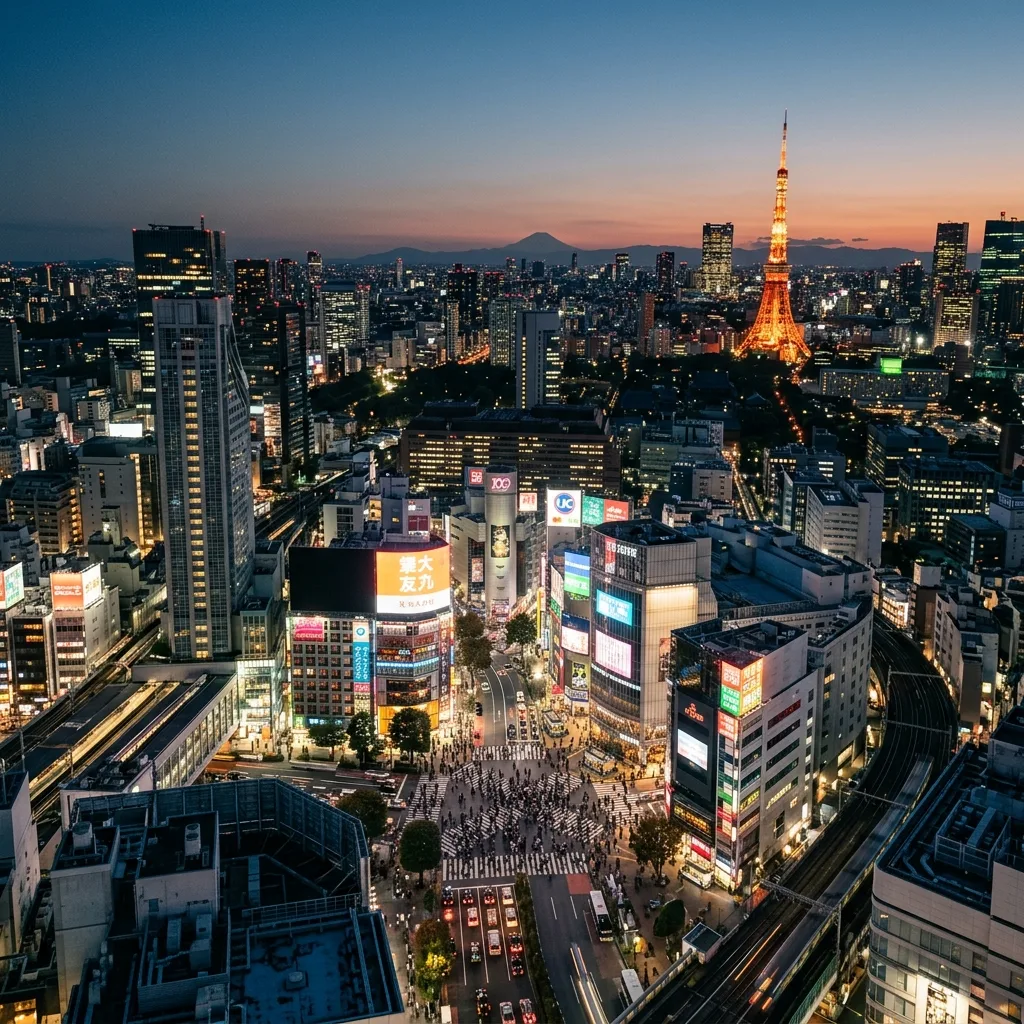
Tokyo is one of those cities where you land, step out of the station, and immediately feel like you've been given 10,000 decisions to make before breakfast. Forty-plus subway lines, dozens of distinct neighborhoods, eight Michelin-starred ramen shops within walking distance of each other, and a convenience store on every corner selling things that will make you question why you ever bought airport food. If you've been paralyzed by the scale of planning a first trip to Tokyo, this guide is the antidote — a single, practical resource covering everything you need to know in 2026, including what changed this year.
Getting to Tokyo: Entry Requirements, Airports, and Your First Hours
For most first-time visitors, entering Japan in 2026 is straightforward: no visa, no online registration, and a fast immigration process. Citizens of the US, Canada, Australia, the UK, and most EU member states enter visa-free for up to 90 days. Fill out an arrival card on the plane — or complete it digitally before departure using the Visit Japan Web portal — and you're through immigration in under 30 minutes.
Tokyo is served by two international airports. Narita International Airport (NRT) handles most long-haul international routes and sits about 60 km east of the city center. Haneda International Airport (HND) is only 15 km from central Tokyo — if your airline offers a choice, book Haneda. The difference in transit time and fatigue on arrival is significant.
2026 entry changes you need to know:
First, Japan's International Tourist Tax doubles starting July 2026 — from ¥1,000 to ¥3,000 (approximately $20 USD) per person per departure. This is collected as a departure tax embedded in your outbound airfare, not on arrival. Children under two and transit passengers are exempt. If you fly out of Japan after July 2026, budget this in.
Second, Japan's tax-free shopping system changed in 2026. Previously, travelers could buy tax-free at the point of sale by showing a passport. Now, you pay full price at the register and claim the consumption tax refund at a dedicated desk in the airport before departure. This matters practically: keep all receipts organized, and build extra time into your departure day if you plan to shop heavily.
Third, for travelers whose countries are not on the visa-exemption list, Japan introduced a digital short-term eVisa in late 2025. Visa fees also increased in 2026 — single-entry tourist visa fees are now ¥15,000 (around $100 USD), up sharply from the previous ¥3,000. Check your current exemption status at Japan's Ministry of Foreign Affairs site before booking.
What you need at the border (for visa-exempt travelers):
- Valid passport covering your full stay
- Proof of onward or return travel
- General accommodation address for the arrival card
- Biometric data collected at the immigration desk (60 seconds, mandatory for all visitors)
Narita to Tokyo
- Narita Express (N'EX): ~60 minutes to Shinjuku, Shibuya, or Tokyo Station. About ¥3,070 one-way; a round-trip tourist pass costs ¥5,000 and is available at JR Ticket Offices inside the airport. Most convenient for first-timers.
- Keisei Skyliner: 41 minutes to Ueno and Nippori. About ¥2,570. Best if you're staying in east Tokyo or Asakusa.
- Limousine Bus: Direct to major hotels. Slower (90–120 minutes with traffic) but useful for large luggage. Around ¥3,200.
Haneda to Tokyo
- Keikyu Line: 12 minutes to Shinagawa Station (Yamanote Line connection). About ¥300–¥410.
- Tokyo Monorail: 18 minutes to Hamamatsucho Station on the Yamanote Line.
- Taxi: Expensive from Narita; reasonable from Haneda with a group. Expect ¥3,000–¥5,000 to central Tokyo.
The Suica Card: Your Most Important Tool in Tokyo
Before you find your hotel, before you eat, before you take a single photo — get a Suica card. It is the single most useful object you will carry in Japan.
Suica is an IC (integrated circuit) prepaid card that works on virtually every train, subway, bus, and monorail in the Tokyo metro area and extends to most of Japan's major cities. Beyond transit, it works as contactless payment at convenience stores, vending machines, coin lockers, and many restaurants. Fumbling for exact change at a Tokyo ticket machine is an easily avoidable misery.
The right product for tourists is the Welcome Suica:
- No refundable deposit (a regular Suica requires a ¥500 deposit you must reclaim before leaving)
- Valid 28 days from first use; any remaining balance cannot be refunded, so don't over-load it
- Buy with ¥1,000 base fee; then load ¥2,000–¥5,000 of transit credit on top
- iPhone users: the Welcome Suica Mobile app version has 180-day validity instead of 28
Where to buy:
- Welcome Suica vending machines at Narita Airport arrivals and Haneda Terminal 3
- JR East Travel Service Centers at Narita, Haneda, Tokyo, Ueno, Ikebukuro, Shibuya, and Shinagawa stations
- You must show your passport to purchase
One practical note: IC card stock has been intermittently limited due to chip shortages in 2025–2026. If the airport vending machines are empty, proceed to a JR East Travel Service Center inside the station — stock is usually available there.
Where to Stay in Tokyo: Best Neighborhoods for First-Timers
Tokyo's neighborhoods feel like separate cities. Staying in the right one reduces transit time and shapes your entire experience.
Shinjuku is the pragmatic choice. Shinjuku Station is the world's busiest railway station, connecting you to every corner of the city. Excellent restaurants at every price point, department stores, and the Kabukicho entertainment district. Hotels range from ¥3,500 capsule options to full luxury. Trade-off: it's loud and relentlessly busy.
Shibuya is slightly trendier and puts you within walking distance of Harajuku, Omotesando, and Daikanyama. Transit is excellent. Hotel prices run higher here than Shinjuku for equivalent quality.
Asakusa is old Tokyo surviving into the present — traditional craft shops, rickshaws, Senso-ji Temple as your local landmark, and genuinely better hotel value than Shinjuku or Shibuya for equivalent comfort. The right neighborhood if you want to feel like you're in Japan rather than a generic global megacity.
Ueno sits next to Asakusa and adds access to the museum cluster in Ueno Park and the dense market at Ameyoko. Good mid-range value.
Budget reference (per night, 2026):
- Capsule hotel: ¥3,000–¥6,000
- Mid-range business hotel: ¥12,000–¥25,000
- Boutique or upscale: ¥30,000–¥60,000+
Hotel prices spike sharply during Golden Week (late April to early May), cherry blossom season (late March to mid-April), Obon (mid-August), and autumn foliage (November). Book 6–8 weeks ahead for those windows.
Top Attractions in Tokyo: 2026 Prices and Practical Notes
Senso-ji Temple — Free
Japan's most visited temple. The five-story pagoda, the Kaminarimon gate with its 700-kg red lantern, and the Nakamise shopping street leading to the main hall are all free to walk. Thirty million visitors per year means the crowd is real — arrive before 8:00 a.m. to experience anything close to serenity, or in the evening when the lanterns are lit and most tour groups have left.
Shibuya Crossing and Shibuya Sky
The crossing itself is free — walk it once with the flood of pedestrians, then step back and watch it from above. The best views are from a window seat at the Mag's Park food court on the fourth floor of Scramble Square, or from Shibuya Sky on the 47th floor. Shibuya Sky is an outdoor rooftop observation deck offering 360-degree city views; on a clear day, Mount Fuji is visible to the southwest.
- Shibuya Sky: ¥2,500 adults / ¥2,000 high school / ¥1,200 under-12. Hours approximately 10:00 a.m.–10:30 p.m. (last entry 10:00 p.m.). Book online — it sells out on weekends.
teamLab Planets Tokyo (Toyosu)
The barefoot, large-scale digital art installation remains one of the most memorable experiences in Tokyo. You wade through water with koi projections rippling beneath your feet, pass through mirrored infinity rooms, and move through spaces that respond to your presence. It's not a gimmick — the spatial experience is genuinely unlike anything else.
- Tickets (2026): ¥3,200 adults (13+), ¥800 children (4–12). Reserve 2–3 weeks ahead — it sells out. Tickets via the official teamLab website or Klook.
- teamLab Borderless relocated to Azabudai Hills in 2024 and costs ¥3,800 adults — a different, larger-scale experience.
Tsukiji Outer Market — Free Entry
The inner wholesale market moved to Toyosu in 2018, but the outer market still runs: dozens of vendors selling fresh sashimi, tamagoyaki, grilled scallops, pickles, and kitchen goods. Arrive between 8:00 and 10:00 a.m. for peak freshness. Budget ¥1,500–¥3,000 for a proper seafood breakfast.
Meiji Shrine and Harajuku
Meiji Shrine sits inside roughly 700,000 square meters of woodland in central Tokyo — free to enter, and one of the most effective decompression zones in the city. Visit on a Sunday morning and you may see a traditional Shinto wedding ceremony. Five minutes south: Takeshita Street (loud, colorful, crepe shops), then Omotesando (quiet, leafy, flagship architecture stores). The contrast in 10 minutes of walking is a small Tokyo miracle.
Tokyo Skytree (Oshiage)
At 634 meters, Japan's tallest structure. Tembo Deck at 350m costs ¥2,100; the additional Tembo Galleria at 450m adds ¥1,300. Reserve tickets at tokyo-skytree.jp to skip the queue. Best on a clear morning for Fuji views.
What to Eat in Tokyo
Tokyo has more Michelin-starred restaurants than any city on earth — and some of its best meals cost ¥800 at a standing counter. You don't need to optimize for expensive.
Ramen: Tokyo-style shoyu (soy sauce) ramen features a clear, intensely savory broth with thin noodles and chashu pork. Ichiran offers solo-booth dining and consistent tonkotsu ramen citywide. Fuunji in Shinjuku is the place for tsukemen (dipping ramen). Expect 20–40 minute queues at peak hours; they move fast.
Sushi: Kaitenzushi (conveyor-belt) chains like Sushiro and Kura Sushi offer genuinely fresh fish at ¥110–¥220 per plate. A proper counter omakase experience runs ¥8,000–¥20,000 per person and requires reservations days or weeks in advance.
Izakaya: Japanese gastropubs serving small plates alongside cold drinks. Order yakitori, edamame, karaage, and grilled fish in rounds. A neighborhood izakaya dinner is one of the most authentic cultural experiences Tokyo offers for ¥2,000–¥4,000 per person including drinks.
Convenience stores (konbini): Lawson, FamilyMart, and 7-Eleven in Japan are not the convenience stores you know. The onigiri (¥130–¥180), sandwiches, hot buns, and egg salad are genuinely good. A Lawson egg salad sandwich at 7:00 a.m. is one of life's underrated pleasures. Budget ¥600–¥1,200 for a full konbini meal.
Depachika (department store basements): The basement food halls of Isetan Shinjuku, Matsuya Ginza, or Takashimaya Shinjuku are an extraordinary concentration of prepared foods, fresh pastries, and Japanese confectionery. Go hungry.
Budgeting for Tokyo in 2026
Tokyo is expensive relative to other Asian cities. The favorable yen exchange rate of 2025–2026 (approximately ¥150–¥155 per USD) makes it notably more affordable for Western visitors than it was a decade ago, but costs are still real.
| Category | Budget | Mid-Range | Splurge |
|---|---|---|---|
| Accommodation | ¥3,000–¥6,000 (capsule) | ¥12,000–¥25,000 (business hotel) | ¥30,000+ |
| Food | ¥1,500–¥2,500 (konbini + ramen) | ¥3,500–¥6,000 (sit-down) | ¥10,000+ |
| Transport | ¥800–¥1,500 | ¥1,500–¥2,000 | ¥2,000+ |
| Attractions | ¥0–¥1,000 (temples, parks) | ¥2,000–¥4,000 | ¥5,000+ |
| Daily Total | ~¥6,000–¥11,000 | ~¥19,000–¥35,000 | ¥47,000+ |
Mid-range visitors spending ¥19,000–¥35,000/day ($125–$230 USD) can eat well at sit-down restaurants, use the subway freely, and visit major paid attractions. Tokyo is significantly more expensive than Seoul for a comparable travel style — if you're comparing the two cities as a first destination and budget matters, our How to Travel South Korea on a Budget: $35/Day Survival Guide shows how dramatically costs differ across the Korea Strait.
Cash note: Japan remains more cash-reliant than other developed Asian cities. Many small restaurants, ryokan, and market vendors are cash-only. Carry ¥5,000–¥10,000 in notes at all times. 7-Eleven ATMs accept foreign cards 24/7.
Tax-free reminder for 2026: You now pay full price at the point of sale and claim the consumption tax refund (8–10%) at the airport. Keep all receipts and allow extra time before departure.
Staying Connected
eSIM is the most convenient option in 2026. Services like Airalo, Ubigi, or IIJmio offer data-only eSIMs you activate before landing — no physical card, no airport counter. Plans of 5–10GB cost $10–$25 USD. Recommended for solo travelers.
Physical SIM card is available at airport counters (IIJmio, NTT Docomo) for ¥2,000–¥4,000. Unlimited data for 7–15 days. Pick up after clearing immigration.
Pocket WiFi — a portable router that shares with multiple devices — rents from ¥350/day. Useful for groups; return at the airport or mail back before departure. Not worth the hassle for a solo traveler who can use eSIM.
The SIM vs. pocket WiFi trade-off is essentially the same decision travelers face in Korea. Our SIM Card vs. Pocket WiFi guide covers the logic in detail — the framework applies equally to Japan.
Day Trips from Tokyo
Tokyo's rail network makes it exceptional for day trips.
Nikko (2 hours, ~¥2,600 one-way): The ornate Tosho-gu shrine complex is among the most elaborately decorated examples of Japanese religious architecture in existence — carved animals, gilded gates, and a forested mountain backdrop. Best as a full day.
Hakone (1.5 hours from Shinjuku, ~¥1,450 via Romancecar): Classic Mount Fuji views, volcanic ropeway over Owakudani, and hot spring (onsen) towns. Worth extending to an overnight if you can fit it.
Kamakura (1 hour, ~¥940 from Shinjuku): The 13-meter Great Buddha of Kotoku-in. Coastal temple-and-shrine hiking trails, and excellent seafood at beachside restaurants. A half-day is enough; a full day lets you hike between the shrines.
Practical Tips: What Most First-Timers Get Wrong
Over-scheduling. A realistic Tokyo day covers 2–3 neighborhoods with depth. Most first-timers build 7-neighborhood days and spend 40% of their time on trains between disconnected attractions. Group geographically: Asakusa + Ueno + Akihabara on one day; Shibuya + Harajuku + Omotesando on another.
Ignoring jet lag. Tokyo is 13–16 hours ahead of the US East Coast and 8–9 hours ahead of Europe. Don't schedule anything demanding for your first day. Arrive, eat something, walk the block around your hotel, sleep.
Not booking in advance. teamLab Planets, Shibuya Sky, popular omakase restaurants, and Hakone accommodations sell out. The three bookings that matter most should happen before you leave home.
Underestimating the subway at rush hour. Tokyo's rush hour (7:30–9:30 a.m. and 5:30–8:00 p.m.) on central Yamanote and Chuo lines is genuinely packed. Plan around it — breakfast before 7:30 or after 9:30 applies directly to your itinerary.
Skipping the "boring" neighborhoods. Yanaka (old shitamachi vibes, cats, rice crackers, zero tourist crowds), Shimokitazawa (vintage shops, indie live houses), and Koenji (counterculture, jazz bars) offer experiences that tourist highlight lists miss entirely.
Tipping. Not done in Japan. It can cause confusion. Simply don't.
Talking loudly on trains. Phone calls and raised voices on transit are considered genuinely rude. Keep phones silent, volume low, and headphones in. This is universally observed, which is why Tokyo's trains feel oddly peaceful for 14 million people sharing them.
Frequently Asked Questions
How many days do I need in Tokyo? Four to five days covers the main neighborhoods and highlights without rushing. Seven days lets you add a day trip or two and eat your way through the city at a reasonable pace. Ten days is ideal if you want to explore multiple neighborhoods and see both teamLab venues.
Is Tokyo expensive? Relative to Southeast Asia, yes. Relative to London, New York, or Sydney, comparable — and with better food density per dollar at every price point. The current yen exchange rate makes Tokyo meaningfully more affordable for Western visitors than it was in 2019.
When is the best time to visit? Cherry blossom season (late March to mid-April) and autumn foliage (October to mid-November) are peak beauty, peak crowds, and peak prices. Best balance of good weather and thinner crowds: late October, early November, or the first two weeks of April after blossoms peak. Summer is hot, humid, and typhoon-prone but lively with festivals.
Do I need to speak Japanese? No. Major stations, tourist attractions, and most restaurants have English signage. Google Translate's camera mode handles menus in real time. Learning three phrases — arigatou gozaimasu (thank you), sumimasen (excuse me), and pointing at your selection — covers most situations.
Is Tokyo safe? Tokyo is consistently one of the safest large cities on earth. Petty crime is rare; violent crime toward tourists is extremely rare. Standard city precautions apply, nothing more.
What should I do about the new tax-free shopping rules? Pay full price at the register. Save every receipt. At the airport before departure, go to the tax refund desk (prominent, well-signed in international terminals) with your receipts and passport. Claim the consumption tax back. Allow 30 extra minutes on departure day if you shopped heavily.
Planning Your Broader Asia Trip
Tokyo pairs exceptionally well with Seoul for a Northeast Asia itinerary — the two cities share a density of food culture, pop culture, and transit efficiency unmatched anywhere else, yet feel completely different in character. Our ultimate Seoul travel guide covers Korea's capital in the same practical depth. If you're building a three-week itinerary with both cities, the 10-day South Korea itinerary for first-timers fits naturally alongside a 7-day Tokyo segment.
Conclusion
Tokyo rewards preparation, but not over-preparation. The logistics that matter — Welcome Suica, one or two pre-booked attractions, a neighborhood-based day structure — take 30 minutes of advance planning and eliminate most of the friction. The city handles the rest. The best moments in Tokyo are never the ticketed ones: they're the ramen you found by smell, the shrine you ducked into during a rain shower, the 11-person izakaya where the cook handed you something you couldn't name and it was the best thing you ate all week.
Get to Narita or Haneda. Buy the Suica. Eat the egg salad from 7-Eleven. The rest follows.