Gwangjang Market Food Guide: Seoul's Oldest Traditional Market

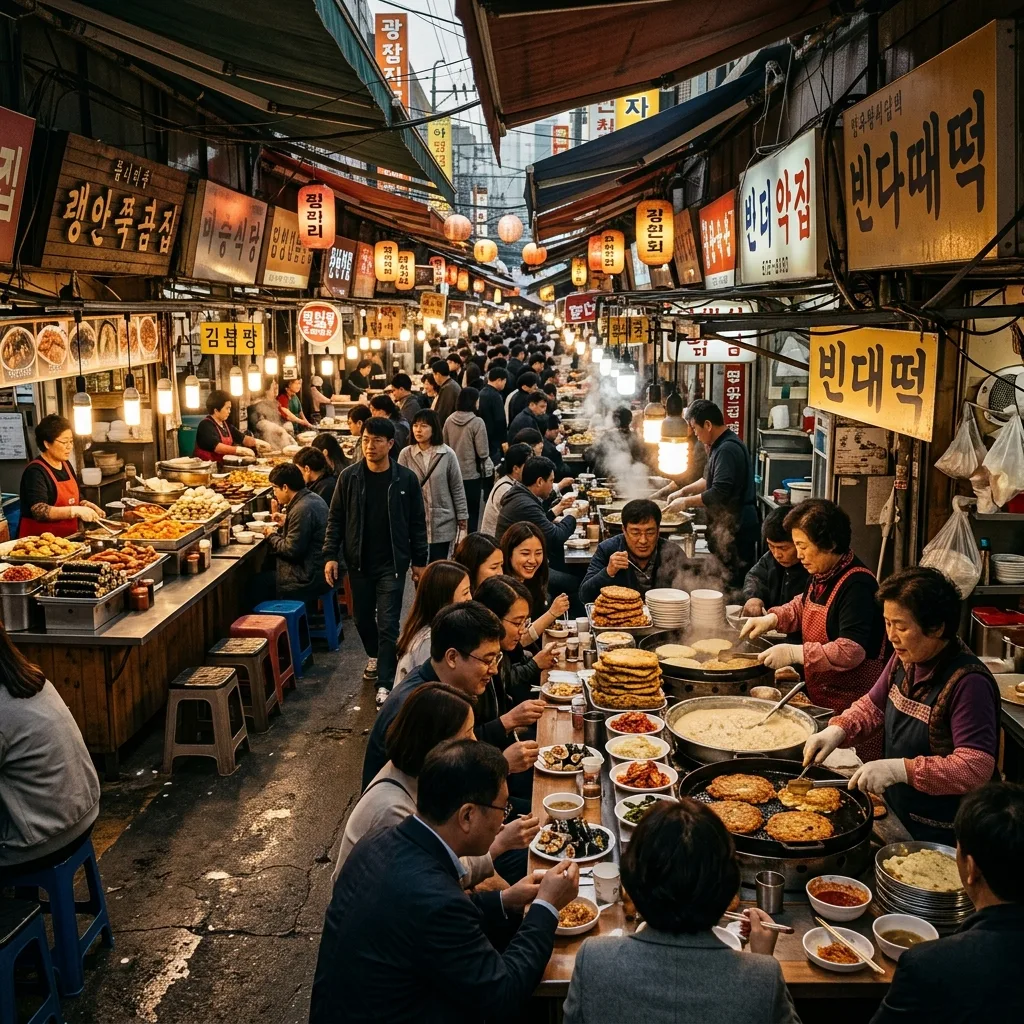
You are standing under a vast arched roof, surrounded by the hiss of oil hitting cast iron, the sweet char of sesame, and the low murmur of aunties arguing over scallion ratios. Gwangjang Market has been feeding Seoul since 1905, and on a busy afternoon it feels like the entire city has come here to eat. If you only have time for one market in Korea, make it this one — but come hungry and come with a plan, because the options are overwhelming and the stalls don't wait for the undecided.
What Is Gwangjang Market? Seoul's Enduring Culinary and Cultural Icon
Gwangjang Market (광장시장) holds a special place in South Korea's history and culinary landscape. Established in 1905 during the twilight of the Joseon Dynasty, it proudly stands as the oldest continuously operating traditional market in the nation. Originally conceived as Dongdaemun Market, its very inception was a patriotic act, aimed at reclaiming Korean commercial sovereignty during the period of Japanese occupation and fostering a self-sufficient economy.
Located in the heart of Jongno-gu in central Seoul, Gwangjang Market is a sprawling, multi-faceted complex. It operates across two primary, yet distinct, sections that showcase its enduring legacy:
- The Textile and Fabric Bazaar: The ground floor remains a vibrant hub for textiles, a tradition it has upheld for over a century. This dense maze of stalls supplies Korean tailors with everything from traditional hanbok cloth to custom bedding, silk, and a vast array of raw materials, reflecting its original mercantile purpose.
- The Inner Food Alley: This is arguably what Gwangjang is best known for today. It's a dense, bustling alley that attracts both eager tourists and loyal locals with some of the most iconic and authentic street food in the country.
Far from being a sanitized, tourist-polished food hall, Gwangjang retains its raw, authentic charm. It is a working market, powered by generations of permanent stall operators, many of whom are family businesses that have occupied the same coveted spots for decades. Here, you'll find yourself eating at communal tables, often shoulder-to-shoulder with strangers, under the glow of fluorescent lights, amidst the lively din of vendors passionately shouting over each other. This vibrant, unapologetic chaos is precisely its appeal – it's an immersive dive into genuine Korean market culture.
For first-time visitors, the sheer density and energy can be both exhilarating and a little disorienting. Dozens of ajummas (older women), in their distinctive matching aprons, will compete for your attention the moment you step into the food alley, often playfully grabbing your sleeve and gesturing you toward their plastic stools. The seasoned traveler's best approach: take a deep breath, and first walk the entire length of the alley. Observe, identify the dishes that call to you, and then confidently choose your stall. Remember, once you commit to a seat at a stall, you are generally expected to order from that vendor.
If your goal is to truly understand Seoul's vibrant food culture at its most authentic and energetic, a visit to Gwangjang Market is absolutely essential. For those looking to explore more of Seoul's diverse culinary offerings, our comprehensive guide, A Foodie's Guide to Seoul: Top 15 Must-Try Street Foods, is an excellent resource to consult before your market adventure.
The Essential Foods at Gwangjang Market
Bindaetteok (Mung Bean Pancakes)
Bindaetteok is unequivocally the signature dish of Gwangjang Market and arguably the best version you will eat anywhere in Korea. These thick, crispy savory pancakes are made from freshly ground mung beans mixed with kimchi, often pork, and various vegetables, then generously ladled onto a sizzling flat griddle with a pour of oil. The result is a pancake with a shatteringly crunchy exterior and a dense, satisfyingly chewy interior.
You will smell the distinctive aroma of bindaetteok before you even see it. The griddles are always on, and the inviting oil-and-sesame smoke hangs deliciously in the air across the entire food alley. A single pancake typically costs around ₩5,000–₩6,000 in 2026. Many visitors find themselves ordering two – they are not overly large, and leaving with just one is a decision you're likely to regret.
The most renowned stalls, often with the longest queues, are clustered in the heart of the market's main food alley. Look for vendors actively grinding their own mung beans fresh on-site rather than using pre-mixed batter; this ensures the most authentic and complex, slightly nutty flavor. Soonheene Bindaetteok (순희네빈대떡) is perhaps the most famous, identifiable by its constant queue and the rhythmic sound of mung beans being ground. Don't be deterred by the line; it moves quickly and is part of the authentic Gwangjang experience.
Mayak Kimbap (Addictive Rice Rolls)
The name translates roughly as "narcotic rice rolls" and the nickname is earned. Mayak kimbap are thumbnail-sized rolls of rice, sesame seeds, and a thin strip of pickled radish or carrot, wrapped in seaweed. On their own they are pleasant but unremarkable. The transformation happens when you dip them in the accompanying mustard-soy sauce — a sharp, tangy hit that makes each bite compulsive.
Gwangjang is where mayak kimbap became famous, and the original stall still operates in the market. A portion of around 15–20 small rolls costs ₩3,000–₩4,000. It is common to see visitors order two or three portions before they can stop themselves.
This is the dish that ends up on every travel blog, and for once the hype is accurate. Do not skip it.
Soondae (Korean Blood Sausage)
Soondae (순대) is not for the faint-hearted, but it is one of the most distinctly Korean things you can eat at Gwangjang. The sausage is made from pig intestine stuffed with a mixture of glass noodles, pork blood, vegetables, and barley. It is served sliced, usually alongside steamed pork organs (liver, lung, heart), with a dipping sauce of salt and ground shrimp paste.
The texture is dense and slightly sticky. The flavor is earthy and rich, with none of the iron-heavy sharpness you might expect from blood-based foods. Gwangjang's soondae stalls are among the most well-known in the city. A plate runs ₩8,000–₩10,000.
If you are new to offal-based food, start with the noodle-forward versions — less organ-heavy, but still deeply flavorful and unmistakably Korean.
Yukhoe (Raw Beef Tartare)
Gwangjang Market is one of the best places in Seoul to eat yukhoe (육회), Korean raw beef tartare. The beef is sliced into thin matchsticks, dressed with sesame oil, garlic, soy sauce, and sugar, then topped with a raw egg yolk and a pile of Asian pear for sweetness and contrast.
Yukhoe at Gwangjang is fresh — vendors receive daily deliveries and the turnover is fast. A serving costs ₩12,000–₩15,000, which makes it the most expensive single item in the food alley, but it is worth it. The combination of silky beef, rich egg yolk, and crisp pear is unlike anything you would get at a restaurant charging five times the price.
Order it early in your visit, before the stalls run out.
Bibimbap and Hand-Cut Noodles: Hearty Comfort Foods
While Gwangjang is famous for its portable street snacks, not every stall is a standing counter. The market's inner ring hosts numerous sit-down, pojangmacha-style restaurants that serve more substantial full meals.
- Bibimbap: The bibimbap here – a vibrant stone bowl (or regular bowl) filled with rice, an assortment of julienned fresh and seasoned vegetables, spicy gochujang (chili paste), and typically topped with a fried egg – is often considered a benchmark version of this iconic Korean dish. A regular bowl costs around ₩6,000–₩7,000, with the dolsot (hot stone) version, which crisps the rice at the bottom, priced slightly higher at ₩8,000.
- Kalguksu (Hand-Cut Noodles): Another beloved staple, kalguksu features thick, chewy wheat noodles served in a clean, savory anchovy broth, accompanied by fresh kimchi and pickled vegetables. This hearty and warming dish is the perfect comfort food, especially after indulging in heavier fried snacks. A bowl typically costs around ₩8,000–₩10,000. The market gained international fame for its kalguksu stalls after Gohyang Kalguksu (고향칼국수), run by the charismatic Cho Yonsoon (often seen in a pink apron), was prominently featured on Netflix’s Street Food: Asia. Her stall, and others like it, offer an authentic and memorable dining experience.
Unique Atmosphere & Visitor Experience: A Sensory Journey
Gwangjang Market is more than just a place to eat and shop; it's an immersive cultural experience that engages all your senses. The atmosphere here is a constant, vibrant sensory overload, a joyful chaos that is uniquely Korean. Imagine the rhythmic thwack of knives preparing noodles, the mesmerizing sizzle of oil hitting cast iron for bindaetteok, and the aromatic steam rising from giant pots of simmering stews. These sounds and smells blend with the lively chatter of vendors and patrons, creating an unforgettable soundtrack to your visit.
The market truly has a "dual personality" that shifts with the hours:
- Daytime: During the day, particularly mid-morning to early afternoon, the market is a bustling hive of activity. Tourists mingle with local office workers, all navigating the dense alleys for a quick, delicious meal. The energy is high, but the crowds can be significant.
- Nighttime: As the textile stalls begin to close around 6:00 PM and the evening crowd arrives, the food alley transforms. The atmosphere becomes slightly more intimate and relaxed, yet still vibrant. It's an ideal time for locals to gather with friends, linger over a glass of makgeolli (Korean rice wine) and leftover bindaetteok, and enjoy the quintessential Korean pojangmacha (street tent) vibe under neon lights. Visiting at night offers a different, perhaps more authentic, glimpse into the market's social life.
Beyond Food: The Textile Market
Most travel content about Gwangjang focuses entirely on the food alley, but the market's original purpose was textiles — and that section is still thriving. The main floor of the building is a dense maze of stalls selling Korean traditional fabric (hanbok cloth), custom bedding, silk, and raw materials for tailoring. This is where Seoul's garment industry has sourced fabric for over a century.
As a visitor, the textile section is worth a slow walk even if you are not buying. The stalls are visually striking — bolts of jewel-toned silk and hand-dyed cotton stacked floor-to-ceiling — and the scale of the operation is genuinely impressive. Haggling is expected and accepted here more than in the food section.
The upper floors of the market building have further stalls selling secondhand clothing, vintage items, and workwear. This part of Gwangjang is quieter and less visited, but if you are looking for affordable Korean vintage pieces, it is one of the better spots in central Seoul.
Hidden Gems of Gwangjang: Beyond the Mainstream
While the food alley and main textile areas draw most of the crowds, Gwangjang Market is full of hidden gems waiting to be discovered by the curious traveler:
- The Vintage Market (Second Floor): Escape the bustling ground-floor food and textile areas by heading upstairs. The second floor of the market building transforms into a labyrinth of stalls selling high-quality vintage clothing, rare finds, and reworked fashion pieces. It's a treasure trove for fashion enthusiasts looking for unique, affordable Korean vintage items, offering a quieter and less-visited experience.
- Specialized Hanbok & Textile Shops: Beyond the general fabric stalls, you'll find highly specialized shops catering to traditional Korean hanbok needs. Here, you can find bespoke tailoring, intricate embroidery, and luxurious silks for creating or repairing hanbok. Even if you're not purchasing, observing the craftsmanship is a cultural experience in itself.
- The "Outer Ring" Food Stalls: While the central food alley is iconic, some of the best culinary experiences can be found by venturing to the "outer ring" of the food section. These stalls often have physical shops behind them, tend to prioritize hygiene, and are known for more generous portions, catering more to local regulars than the main tourist-heavy intersection. Don't be afraid to explore a few aisles away from the very center.
Gwangjang is just one part of a larger traditional market landscape in Seoul. The article on Traditional Market Shopping: Finding Gems in Gwangjang and Namdaemun covers the comparison in more detail.
2026 Pro-Tips for Your Gwangjang Market Visit
To truly master your Gwangjang Market experience in 2026, keep these insider tips and considerations in mind:
- Always Price Check (A 2026 Necessity): Following some recent "overcharging incidents" in 2025, most reputable stalls in Gwangjang Market now feature clear, English-translated menus with fixed prices. However, it's always wise to always confirm the price before ordering, especially if you're venturing to less-trafficked stalls. This ensures transparency and avoids any misunderstandings.
- Cash is Still King (Mostly): While modern payment options have expanded, Gwangjang Market, particularly its smaller, more traditional food stalls, still operates heavily on cash. Many elderly ajummas (stall owners) prefer cash for quick transactions, and some may not even have card readers. Keep a good supply of Korean Won (₩1,000 and ₩5,000 notes are ideal) on hand. ATMs are conveniently located near the market entrances.
- Optimal Timing: Weekdays, 4:00 PM – 6:00 PM: To avoid the most intense crowds and experience the market at a vibrant yet manageable pace, aim to visit between 4:00 PM and 6:00 PM on weekdays. This window allows you to catch the transition from a bustling daytime food hub to a lively evening social spot. Weekends, especially lunchtime, can be overwhelmingly crowded.
- Embrace Seating Etiquette: Gwangjang Market operates on a communal seating principle. If you spot an empty stool, it's generally accepted to take it. Be prepared to "shuffle down" and make room for others as the market fills up. It's part of the friendly, communal dining experience.
- Navigate Like a Local: Use Naver Maps or KakaoMap: While Google Maps is generally reliable, for hyper-local navigation within Seoul, Naver Maps or KakaoMap are significantly more accurate and detailed, especially for finding specific stalls or exact entrances within the sprawling market. Google Maps is notoriously less precise for detailed, pedestrian-level navigation in Korea. Download one of these apps before your visit.
- Don't Over-Order at One Stall: The temptation is real – the first delicious-looking dish might make you want to order a full spread. However, Gwangjang's charm lies in sampling a variety of dishes from different vendors. Order half-portions where possible and plan a "food crawl" of four or five stops rather than filling up completely at one place.
- Consider a Return for Dinner: If your schedule allows, a second visit during dinner hours (after 6:00 PM) offers a completely different vibe. As the textile stalls close, the food alley becomes a more atmospheric and locally focused spot, perfect for lingering over makgeolli and enjoying the evening bustle.
Practical Guide
Hours
- Market (textiles, general stalls): 8:30 AM – 6:00 PM
- Food alley restaurants: Open until approximately 11:00 PM
- Days closed: Most stalls are closed on either Sunday or Monday — coverage is limited on these days, particularly for the food alley. If you are planning your trip around Gwangjang specifically, aim for Tuesday through Saturday.
There is no admission fee. Entry is free.
Current Prices (2026)
| Item | Price |
|---|---|
| Bindaetteok (mung bean pancake) | ₩4,000–₩5,000 each |
| Mayak kimbap (one portion) | ₩3,000–₩4,000 |
| Soondae (one plate) | ₩8,000–₩10,000 |
| Yukhoe (raw beef tartare) | ₩12,000–₩15,000 |
| Bibimbap (regular) | ₩6,000 |
| Dolsot bibimbap (stone bowl) | ₩7,000 |
| Kalguksu (hand-cut noodles) | ₩8,000–₩9,000 |
A budget of ₩20,000–₩30,000 (roughly $15–$22 USD) is enough to eat well across multiple stalls. Bring cash — the majority of stalls do not accept credit cards, and even those that do will prefer cash.
How to Get There
By Subway (recommended): Line 1 (Blue) or Line 5 (Purple) to Jongno 5-ga Station — exit 8. The market entrance is about a 2-minute walk. Alternatively, Jongno 3-ga Station on Lines 1, 3, or 5 places you at the western entrance of the market.
Gwangjang is well-served by Seoul's subway network, which makes it accessible from virtually any neighborhood. For a complete breakdown of the subway system, see Mastering Seoul's Transport System: Bus Colors, Transfer Discounts, and The Pink Seat.
By Bus: Numerous city buses stop along Jongno, the main road running parallel to the market. Buses 109, 151, and 162 all stop within walking distance.
Address: 88 Changgyeonggung-ro, Jongno-gu, Seoul (서울 종로구 창경궁로 88)
Booking
No booking is required or possible for Gwangjang Market. It is a public market — you simply show up and eat. No apps, no reservations, no queuing system. Walk in, find a stall, sit down.
Tips and Common Mistakes
Walk the full alley before sitting. The first stall you see will not necessarily be the best one. The food alley is long and the quality varies. Give yourself ten minutes to walk end-to-end before committing to a seat.
Bring cash. This cannot be stressed enough. Gwangjang is not a tourist-modernized food market. Many stall operators are elderly women who have run the same spot for thirty years and have zero interest in installing payment terminals. ATMs are available near the market entrances.
Go on a weekday. Weekend crowds are significant, and some of the best stalls sell out of key items — yukhoe and fresh bindaetteok especially — by early afternoon. Weekday visits before 1:00 PM give you first pick.
Eat small portions across multiple stalls. The temptation is to order a full portion at the first stall that looks good, then realize you are too full to try anything else. Order half-portions where possible and build a circuit of four or five stops rather than one large meal.
Avoid the stalls with laminated tourist menus in English. Not a hard rule, but the stalls most aggressively marketed to foreign visitors sometimes charge higher prices and offer slightly less interesting food than the stalls where you have to point at what you want. Use your phone camera to translate the Korean menu boards instead.
Come back for dinner. The market has two modes. During the day it is busy and chaotic. After 6:00 PM, as the textile stalls close and the evening crowd arrives, the food alley takes on a different character — quieter, more local, better for lingering over makgeolli (rice wine) and leftover bindaetteok. If you have the time, both visits are worth it.
Do not come on Sunday or Monday. As noted in the hours section, coverage is minimal. Some stalls will be open, but the energy and variety that makes Gwangjang worth visiting is largely absent. Plan accordingly.
FAQ
Is Gwangjang Market good for vegetarians? It is challenging but not impossible. The bindaetteok, mayak kimbap, and bibimbap can sometimes be prepared vegetarian-style on request, though cross-contamination with meat is common given the shared cooking surfaces. The textile and general market sections are fully accessible. If you are strictly vegetarian, Gwangjang is not the strongest choice for a food-focused visit.
Is it tourist-friendly even without Korean? Yes. The market has been a major tourist destination since at least 2010, and many vendors are accustomed to foreign visitors. Pointing, holding up fingers for quantities, and using translation apps all work fine. You do not need to speak Korean to eat well here.
What is the best time of day to visit? For food: mid-morning to early afternoon (10:00 AM – 1:00 PM) on weekdays. The stalls are fully stocked, the vendors are energized, and the crowd is manageable. Avoid lunchtime on weekends unless you enjoy standing in line.
Can I buy packaged food to take home? Yes. Several stalls sell vacuum-packed mayak kimbap and pickled goods suitable for travel. The textile vendors also package smaller fabric items for convenient transport. Always check airline and customs regulations for food items before packing.
How long should I budget for a visit? A focused food visit takes about 90 minutes to two hours. If you plan to explore the textile market and the upper floors as well, budget three hours. It is not a rush-through destination — the best visits are unhurried ones.
Conclusion
Gwangjang Market is one of the few places in Seoul where the experience lives up to the reputation. The food is genuinely excellent, the prices are low, the setting is chaotic in exactly the right way, and the history underneath it all — over 120 years of continuous operation — gives it a weight that the city's newer food destinations cannot match.
Come with cash, come hungry, walk the full alley before you sit, and leave enough room for yukhoe. Everything else will sort itself out.
For more on planning a Seoul trip around food, markets, and the neighborhoods that connect them, the The Ultimate Seoul Travel Guide: Where to Stay & What to See is the right place to start.