Japan Onsen Guide: Best Hot Springs, Ryokan Stays & Etiquette Rules
Japan's onsen (hot springs) offer a profound connection to the country's ancient traditions and natural beauty. For first-time visitors, the idea of communal bathing can be daunting, and understanding the intricate etiquette and booking nuances for a traditional ryokan stay might seem overwhelming. This comprehensive guide will demystify the experience, covering everything from the unwritten rules of the bath to finding and reserving the perfect hot spring retreat, ensuring your 2026 trip is filled with serene moments and cultural immersion.
Understanding Onsen Culture: More Than Just a Bath
Onsen are more than just places to bathe; they are integral to Japanese culture, revered for their therapeutic properties and their role in promoting relaxation and well-being. From ancient times, Japanese people have sought out these geothermal marvels, believing in their healing powers for both body and spirit. Today, onsen continue to be cherished havens, offering a unique blend of nature, tradition, and tranquility.
For travelers seeking an authentic Japanese experience, immersing oneself in an onsen is a must. It's an opportunity to shed the stresses of daily life, connect with nature, and partake in a ritual that has been perfected over centuries. This guide will help you navigate the world of Japanese hot springs, ensuring you feel confident and comfortable as you embrace this beautiful tradition.
The History and Significance of Onsen
The history of onsen in Japan stretches back millennia. Volcanic activity has blessed the archipelago with thousands of hot springs, and early inhabitants quickly discovered their warmth and restorative qualities. Over time, these natural baths evolved from simple outdoor pools into sophisticated bathing complexes, often attached to ryokan (traditional Japanese inns), becoming centers of healing, community, and spiritual rejuvenation. Samurai warriors would cleanse their wounds, poets would seek inspiration, and weary travelers would find solace in their mineral-rich waters. The communal aspect fostered a sense of equality, as everyone, regardless of social status, would bathe together.
Types of Onsen: Finding Your Perfect Soak
Japan offers a remarkable diversity of onsen, each with its own charm and characteristics:
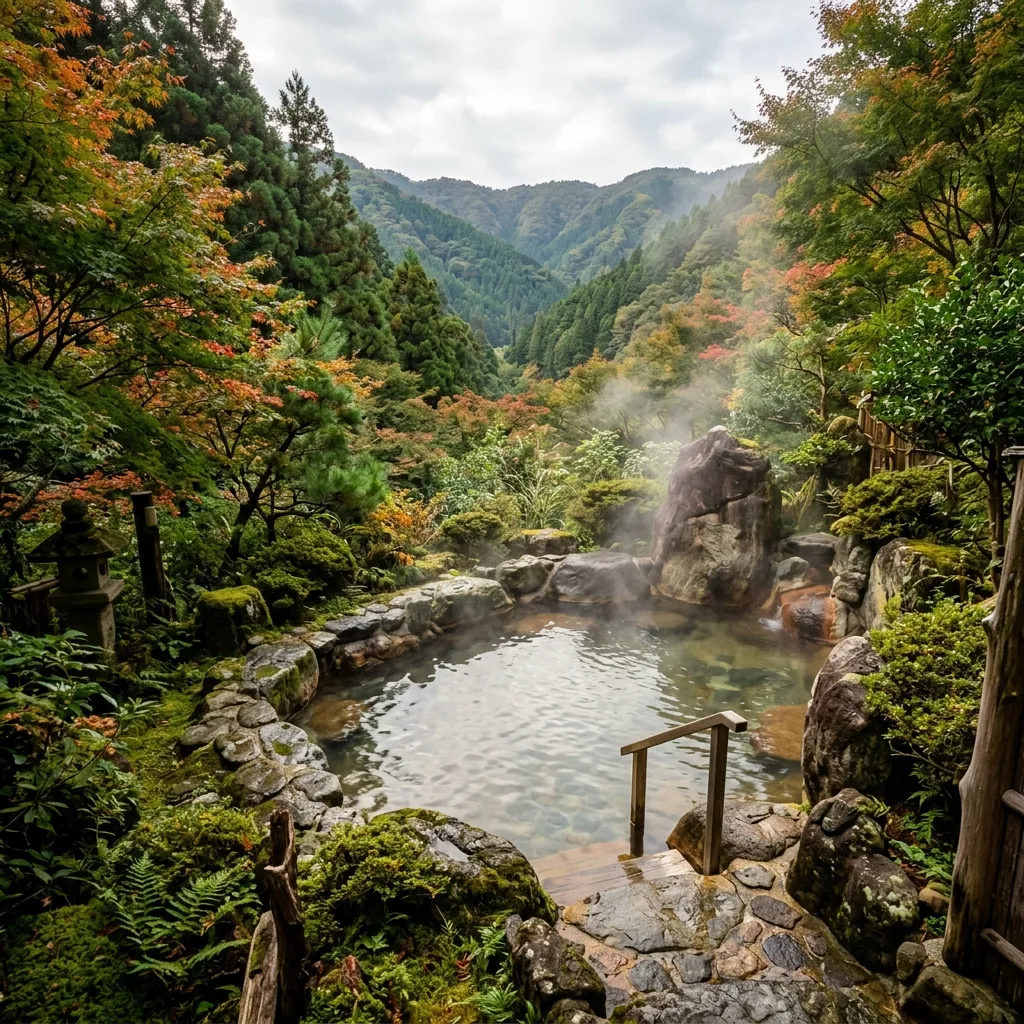
- Rotenburo (露天風呂): These are outdoor baths, often considered the most picturesque. Imagine soaking in warm, mineral-rich water while surrounded by stunning natural landscapes – snow-capped mountains, vibrant autumn leaves, or the gentle sounds of a flowing river. Rotenburo offer an unparalleled connection to nature and are a highlight of many onsen experiences.
- Uchiyu (内湯): Indoor baths are typically found within the ryokan or onsen facility. While lacking the direct outdoor scenery, many uchiyu feature large windows overlooking gardens or offer a cozy, intimate atmosphere. They provide a comfortable alternative, especially during colder months or inclement weather.
- Kashikiri (貸切風呂) or Kazokuburo (家族風呂): These are private baths that can be reserved for individuals, couples, or families. They are an excellent option for those who may be shy about communal bathing, have tattoos, or simply desire a more intimate and personal experience. Many ryokan offer both indoor and outdoor kashikiri options.
- Ashiyu (足湯): Foot baths are typically found in onsen towns and are often free to use. They allow visitors to enjoy the benefits of the hot spring water without fully undressing, providing a relaxing break during sightseeing.
- Sento (銭湯): While often confused with onsen, sento are public bathhouses that use heated tap water, rather than naturally occurring hot spring water. They offer a similar communal bathing experience but without the specific mineral benefits of an onsen.
The Therapeutic Benefits: Healing Body and Soul
The mineral composition of onsen water varies greatly depending on the spring's source, and these minerals are believed to offer a range of health benefits. For example, sulfur springs are thought to be good for skin conditions, while iron springs are believed to help with anemia. Beyond the specific minerals, the warm water itself promotes blood circulation, eases muscle tension, and relieves joint pain. The serene environment and the act of soaking also have profound psychological benefits, reducing stress and promoting mental clarity. Many visitors report feeling deeply refreshed and rejuvenated after an onsen experience, attributing it to the combination of physical relaxation and mental peace.
Mastering Onsen Etiquette: A Step-by-Step Guide
Proper onsen etiquette is crucial for respecting Japanese customs and ensuring a pleasant experience for everyone. While it might seem like a long list of rules, they are mostly logical and easy to follow.
The Pre-Wash Ritual: Cleanliness is Paramount
Before entering any onsen bath, you must thoroughly wash your body. This is arguably the most important rule and is non-negotiable.
- Find a Washing Station: These are typically rows of low stools with taps, showerheads, and small basins. You'll usually find soap, shampoo, and conditioner provided.
- Sit Down: Always sit on the stool while washing to avoid splashing fellow bathers.
- Wash and Rinse Thoroughly: Lather up with soap and shampoo, ensuring every part of your body is clean. Rinse completely until all soap suds are gone. It's a common mistake for newcomers to only do a quick rinse; the goal is to be spotless before entering the shared water.
Nudity is the Norm: Embrace the Experience
In traditional Japanese onsen, nudity is mandatory and expected. Swimsuits are strictly prohibited in communal baths to maintain hygiene and uphold tradition.
- Embrace It: While initially uncomfortable for some, most visitors quickly find the experience liberating and natural. Everyone is there for the same purpose – to relax and enjoy the healing waters.
- Options for the Shy: If you are truly uncomfortable with communal nudity, look for a ryokan that offers a kashikiri (private reservable bath) or a room with its own rotenburo (outdoor bath). These options allow you to enjoy the onsen experience in complete privacy.
The Modesty Towel: Your Discreet Companion
You will be provided with a small hand towel. This towel has a specific purpose:
- Walking to the Bath: Use it to discreetly cover yourself while walking between the changing room and the bath.
- During the Bath: Never let this towel touch the onsen water. It is considered unhygienic. Most people will either fold it and place it on their head, set it on a rock beside the bath, or leave it in the washing area.
- Drying Off: After your bath, you can use this small towel for a quick pat-down before returning to the changing room to use a larger bath towel.
Hair Etiquette: Keep it Contained
If you have long hair, tie it up before entering the bath. It's also important to avoid submerging your head in the onsen water. This is another hygiene measure to keep the shared water clean for everyone.
Respectful Behavior: Maintain Tranquility
Onsen are places of relaxation and peace. Keep noise to a minimum. Avoid splashing, running, or any boisterous behavior. Photography is strictly forbidden in changing rooms and bathing areas to protect privacy.
Booking Your Onsen Ryokan & Navigating the Modern Rules
Planning your onsen ryokan stay requires a bit of foresight, especially for popular destinations and during peak seasons. Understanding booking trends and modern rules, including the evolving tattoo policy, will ensure a smooth and enjoyable trip.
Booking Trends for 2026: Plan Ahead
The demand for authentic Japanese experiences has led to increased popularity for onsen ryokan. For your 2026 trip, especially if targeting renowned locations or specific seasons, early booking is key:
- The "6-Month Rule" for Peak Seasons: If you plan to visit during Cherry Blossom season (late March to April) or Autumn Foliage (November), particularly in high-demand areas like Kansai Region Travel Guide: Osaka, Kyoto & Nara in One Trip, Hakone, or popular onsen towns, be prepared to book 4-6 months in advance. The best ryokan, offering the most coveted rooms or private onsen, will be reserved quickly.
- Avoid the "Big Three" Holidays: Japanese national holidays see a surge in domestic tourism, leading to fully booked accommodations and significantly higher prices. These include:
- Golden Week (late April to early May): A series of national holidays.
- Obon (mid-August): A Buddhist festival honoring ancestors.
- New Year's (late December to early January): A major family holiday. If your travel dates coincide with these periods, expect limited availability and inflated rates across the board.
Direct vs. OTA Booking: Where to Find the Best Deals
While Online Travel Agencies (OTAs) like Booking.com, Agoda, and Expedia offer convenience, booking directly with the ryokan, especially high-end establishments, can often yield better results:
- Official Websites: Many ryokan offer exclusive packages, special rates, or unique "meal plans" (such as seasonal kaiseki featuring local delicacies like fresh crab or premium wagyu beef) that are only available through their official websites. These direct bookings can sometimes bypass OTA commissions, leading to slight savings or added perks.
- Language Barrier: While more ryokan websites now offer English versions, some smaller, more traditional inns might still primarily operate in Japanese. In such cases, OTAs or a reputable travel agent specializing in Japan can be invaluable.
Understanding Ryokan Rates: Per Person, Not Per Room
A common misconception for first-time visitors is that ryokan rates are per room, similar to Western hotels. In Japan, especially for traditional ryokan with kaiseki dinner and breakfast included, rates are typically quoted per person, per night.
- Meal Plans are Standard: The price often includes a multi-course dinner (kaiseki) and a traditional Japanese breakfast. It's important to confirm what's included when booking, as finding dining options in rural onsen towns after 6:00 PM can be challenging once local restaurants close.
The Evolving Tattoo Policy: A 2026 Update
Historically, tattoos in Japan have been associated with organized crime (Yakuza), leading to strict prohibitions in many public places, including onsen. However, with the surge in international tourism, this policy is rapidly evolving.
- A Significant Shift: As of 2026, roughly half of all Japanese onsen now have some form of tattoo accommodation. This is a considerable change from just a few years ago.
- Cover-Up Patches: For guests with small tattoos, many facilities permit entry if the tattoos are covered with waterproof, skin-colored patches. These are often available for purchase at local pharmacies or directly at the onsen front desk.
- Tattoo-Friendly Towns: Some onsen towns have become known for their more lenient policies. Beppu in Kyushu and Kinosaki Onsen near Osaka are notable for being "tattoo-positive," welcoming inked guests in most of their public baths. Researching specific onsen in these areas can be beneficial.
- The Private Solution: If you have extensive tattoos (e.g., full sleeves or back pieces) or prefer absolute privacy, booking a ryokan with a private in-room onsen or a kashikiri (private reservable bath) remains the most stress-free option. This guarantees you can enjoy the hot spring experience without any concerns.
Recommended Onsen Destinations for Every Traveler
Japan boasts a wealth of incredible onsen, each offering a unique atmosphere. Here are a few top recommendations for 2026:
- For First-Timers & Easy Access:
- Hakone: Easily accessible from Ultimate Tokyo Travel Guide 2026: Everything First-Timers Need to Know by train, Hakone is famous for its stunning views of Mount Fuji (on clear days), diverse onsen options, and numerous art museums. It's a perfect choice for a day trip or a relaxing overnight stay.
- Arima Onsen: Located near Kobe and easily reachable from Kansai Region Travel Guide: Osaka, Kyoto & Nara in One Trip, Arima Onsen is one of Japan's oldest hot spring resorts, known for its "gold" and "silver" waters, each with distinct mineral properties.
- For Traditionalists & Secluded Charm:
- Kurokawa Onsen: Nestled in the mountains of Kyushu, Kurokawa offers a wonderfully rustic and secluded atmosphere. Its charming village feel, traditional ryokan, and "onsen-hopping" pass make it a favorite for those seeking an authentic, off-the-beaten-path experience.
- For Luxury & Indulgence:
- Zaborin (Hokkaido): An exquisite ryokan offering unparalleled luxury, each room boasts its own private indoor and outdoor onsen, alongside gourmet kaiseki dining featuring Hokkaido's seasonal produce.
- Gora Kadan (Hakone): A former imperial villa, Gora Kadan combines traditional Japanese aesthetics with modern comfort, offering private onsen in many of its rooms and exceptional service.
Ryokan Life: Beyond the Bath
A stay at an onsen ryokan is an immersive cultural experience that extends beyond the hot springs.
- Embrace the Yukata: Upon arrival, you'll typically be provided with a yukata (a casual cotton kimono) and geta (wooden sandals). You are encouraged to wear this comfortable attire throughout the ryokan, to the dining room, and even when strolling around the onsen town.
- Crucial Yukata Manner: Always fold the left side over the right. Folding the right side over the left is traditionally reserved for dressing the deceased for funerals, so it's an important cultural nuance to remember.
- The Futon Magic: Don't be surprised when you return to your room after dinner to find that staff have discreetly entered to lay out your futon (traditional Japanese bedding) on the tatami mat floor. This is a standard part of the ryokan service.
- Punctuality for Meals: Ryokan dining operates on a strict schedule. Dinner, often a lavish kaiseki meal, is served at a set time (e.g., 6:00 PM or 6:30 PM). Arriving late is considered disrespectful to the chef and can disrupt the carefully timed service.
Tips & Common Mistakes: Insider Advice for a Seamless Onsen Experience
To truly maximize your onsen experience and avoid common pitfalls, keep these insider tips in mind.
Hydration is Key
The hot spring water can be very warm, and you will sweat, even while relaxing. It's essential to stay hydrated throughout your onsen visit. Drink plenty of water before and after your bath. Many onsen facilities provide complimentary water or have vending machines nearby.
Don't Rush the Experience
An onsen visit is not about quickly getting in and out. It's a ritual of relaxation and rejuvenation. Take your time with the pre-wash, slowly enter the bath, and allow yourself to soak and unwind. Many people enjoy multiple short soaks with breaks in between, allowing their body to cool down and warm up again.
Understand Different Water Minerals
While you don't need to be a mineral expert, being aware that different onsen have different mineral compositions can enhance your appreciation. Some waters might be milky, others clear, some might have a distinct smell (like sulfur), and each is believed to offer unique therapeutic benefits. If you're visiting an onsen town with multiple springs, try experiencing different ones!
Packing Light for the Bathhouse
You don't need much for the onsen itself. A small bag for your modesty towel, perhaps a hair tie, and any personal toiletries you prefer (though most onsen provide them) is sufficient. Leave valuables in your ryokan room or a locker.
What to Do After Your Onsen
After a relaxing soak, you'll likely feel deeply warm and refreshed.
- Cool Down Slowly: Avoid immediately rushing into cold air. Allow your body to cool down gradually.
- Rehydrate: Drink more water or a refreshing beverage.
- Relax: Many ryokan have relaxation lounges (kyukei-dokoro) where you can enjoy tea, read, or simply sit in quiet contemplation.
- Enjoy Your Meal: If staying at a ryokan, this is the perfect time to savor your kaiseki dinner.
FAQ: Your First-Time Onsen Questions Answered
Can I go to an onsen with tattoos?
As of 2026, the policy on tattoos in Japanese onsen is much more flexible than in previous years. Roughly half of all onsen now accommodate tattooed guests. If you have small tattoos, you can often cover them with waterproof, skin-colored patches, which are available at pharmacies or the onsen front desk. For larger tattoos, consider visiting tattoo-friendly onsen towns like Beppu or Kinosaki Onsen, or opt for a ryokan that offers private reservable baths (kashikiri) or rooms with private onsen (rotenburo) to ensure a worry-free experience.
What should I bring to an onsen?
Generally, you don't need to bring much. Most onsen provide soap, shampoo, and conditioner at the washing stations, along with a small modesty towel and a larger bath towel in the changing room. You might want to bring:
- A hair tie (if you have long hair).
- Any personal skincare products you prefer for after the bath.
- A change of comfortable clothes for after your soak (like your yukata if staying at a ryokan).
- Water to stay hydrated.
Is onsen suitable for families with children?
Yes, many onsen are family-friendly. Children are generally welcome, and the same etiquette rules apply to them (pre-wash, no splashing, quiet behavior). Some ryokan even have specific family baths or private onsen. However, very young children or infants might find the water too hot, so always test the temperature. It's a wonderful cultural experience for families to share.
How long should I stay in an onsen?
There's no strict time limit, but it's generally recommended to take multiple short dips rather than one long soak. Aim for 5-10 minutes per soak, then take a break to cool down before re-entering. Listen to your body; if you start to feel lightheaded or too hot, it's time to get out. The overall experience, including washing and relaxing, can last anywhere from 30 minutes to an hour or more.
What's the difference between an onsen and a sento?
The primary difference lies in the water source. An onsen uses naturally heated, geothermally sourced hot spring water, which contains various minerals believed to have therapeutic properties. A sento, on the other hand, is a public bathhouse that uses heated tap water. While both offer a communal bathing experience with similar etiquette, only onsen provide the unique mineral benefits of natural hot springs. Onsen are often found in scenic, rural areas, while sento are more common in urban settings.
Conclusion
Embarking on an onsen journey is an unforgettable part of any trip to Japan. By understanding and respecting the traditions, from the meticulous pre-wash to the quiet contemplation of the bath, you unlock a profound connection to Japanese culture and nature. With evolving tattoo policies and comprehensive booking options, the serenity of Japan's hot springs is more accessible than ever in 2026. So, take a deep breath, embrace the warmth, and allow the ancient waters to rejuvenate your body and soul. Plan your perfect onsen adventure today, and prepare to discover a tranquility unlike any other.