Chengdu Hotpot Street Guide: Authentic Malatang vs Hotpot Explained

Chengdu, Chengdu Travel Guide: Giant Pandas, Hotpot & the Best of Sichuan the gastronomic capital of Sichuan, is a city that pulses with the rhythm of spicy, numbing flavors. For many, the first thought when it comes to Chengdu cuisine is invariably hotpot. But walk down any bustling street, and you’ll inevitably encounter another enticing, aromatic option: Malatang. While both promise a fiery, customizable experience, they are distinct culinary adventures. This guide will cut through the confusion, explaining the nuanced differences between authentic Chengdu hotpot and malatang, revealing 2026 prices, pinpointing the best hotpot streets, and offering insider tips to ensure your visit is a flavor-packed success. Are you ready to dive spoon-first into the heart of Sichuan's beloved staples?
Understanding the Fiery Divide: Hotpot vs. Malatang
Chengdu's Chinese Regional Food Guide: Dim Sum, Sichuan Spice & Beijing Duck culture revolves around the potent "Mala" (麻辣) flavor profile—a captivating blend of numbing Sichuan peppercorns (ma) and fiery chilies (la). Both hotpot and malatang epitomize this iconic taste, yet they cater to entirely different dining experiences and social contexts. By 2026, the lines have become clearer, distinguishing hotpot as a communal feast and malatang as its faster, more personal counterpart.
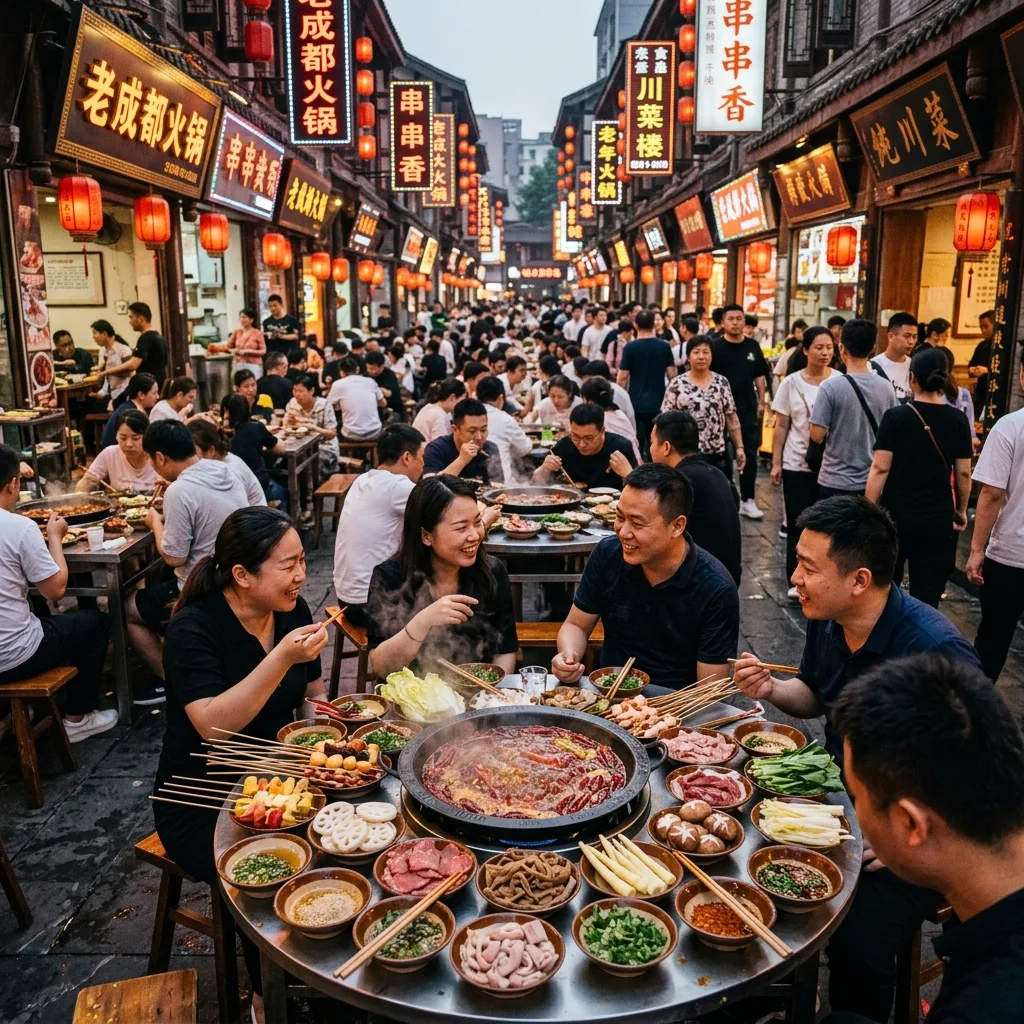
Hotpot, or huoguo (火锅), is arguably the king of Sichuan Hotpot Guide: Heat Levels, Ingredients & Best Chains, deeply embedded in the region’s social fabric. It’s not just a meal; it’s an event, a slow-paced ritual that often stretches over several hours. Picture a group of friends or family gathered around a bubbling cauldron of rich, aromatic broth, cooking an array of raw ingredients from thinly sliced meats to fresh vegetables and tofu. The essence of hotpot lies in its shared nature, encouraging conversation and camaraderie as diners collectively manage the cooking process. The broth itself is a marvel, traditionally a robust beef tallow base infused with countless chilies, Sichuan peppercorns, and spices, designed to season the ingredients as they cook, not to be drunk on its own.
Malatang, translating literally to "spicy numbing hot" (麻辣烫), presents a stark contrast in its dining philosophy. It has evolved into what many locals affectionately call "hotpot lite" for individuals. It’s fast, casual, and tailored for solo diners or those seeking a quick, satisfying meal. Unlike hotpot, where you cook your own food, malatang typically involves selecting your desired ingredients from a vibrant display, often by weight or skewer count. These chosen items are then whisked away to the kitchen, where a chef expertly boils them in a rich, flavorful broth and serves them ready-to-eat in a single, generously sized bowl or on a tray. The broth, while still embodying the mala spirit, is often lighter than hotpot broth, sometimes enriched with sesame paste or even milk to create a creamier texture, and it's meant to be enjoyed as part of the meal.
The primary distinction can be summarized as social vs. solo, and self-cooked vs. kitchen-cooked. Hotpot is the go-to for celebrations, leisurely dinners, and group gatherings, often lasting 90-150 minutes. Malatang, on the other hand, is perfect for a quick, flavorful lunch or dinner, usually completed within 15-30 minutes, offering the intense Sichuan flavors without the extended commitment.
| Feature | Sichuan Hotpot (火锅, Huoguo) | Chengdu Malatang (麻辣烫 / 冒菜) |
|---|---|---|
| Dining Style | Communal feast around a boiling table pot | Individual bowl/tray, cooked by kitchen |
| Dining Duration | 90 to 150 minutes (leisurely group event) | 15 to 30 minutes (fast, casual meal) |
| Broth Nature | Heavy beef tallow base (for cooking, not drinking) | Lighter spicy broth or dry sauce (often drinkable) |
| Ordering System | Order raw plates off menu to table | Self-serve pick-and-weigh or skewer counting |
| Average Cost | 100 - 200 RMB per person | 25 - 50 RMB per person |
| Best For | Celebrations, dinners with friends/family | Solo travelers, fast lunch, street food crawl |
The Evolution of Malatang: Panpan, Mao Cai, and Chuan Chuan Xiang
By 2026, the Malatang category in Chengdu has diversified, giving rise to several popular sub-styles that often bewilder first-time visitors but offer unique takes on the city's spicy tradition. Understanding these variations is key to navigating Chengdu's street food scene like a local.
Panpan Malatang (盘盘麻辣烫): The Trendy Tray Experience
Panpan Malatang is one of the biggest and most visually striking trends of 2026, especially popular among younger generations and those keen on "Instagrammable" food experiences. Instead of the typical soupy bowl, ingredients are served on a large, often retro-styled enamel tray (a "panpan"). What truly sets it apart is the rich, dry-style spicy sauce that liberally coats the cooked ingredients, often featuring a heavy hand of garlic, chili oil, and other aromatic seasonings. This style focuses less on the broth and more on the intense flavor of the dressing, making it a textural and taste sensation. You’ll find Panpan Malatang buzzing in trendy districts like Chunxi Road, where its unique presentation and bold flavors make it a must-try.
Mao Cai (冒菜): The "Real" Chengdu Malatang
For many locals, what tourists often refer to as malatang is, in its most authentic Chengdu form, Mao Cai (冒菜). This is essentially "hotpot for one" in its truest sense. You select your raw ingredients, and they are quickly cooked in a flavorful, spicy broth by the kitchen, then served in a single bowl. The key difference from hotpot is the individual portion and the fact that the cooking is done for you. Mao Cai often comes topped with fresh cilantro, scallions, and a drizzle of chili oil, creating a perfectly balanced and deeply satisfying meal. It embodies the essence of a quick, personal hotpot experience without the communal pot or the "do-it-yourself" cooking.
Chuan Chuan Xiang (串串香): Skewered Delights
Chuan Chuan Xiang (串串香), literally "fragrant skewers," offers another fascinating branch of the hotpot family tree. As the name suggests, all ingredients are served on skewers. The experience can vary:
- Hotpot Chuan Chuan: Here, you pick skewers of raw ingredients and cook them yourself in a shared bubbling hotpot at your table, much like traditional hotpot. It's a fun, interactive, and often more casual version of hotpot, particularly popular for its affordability and the sheer variety of items available on sticks.
- Cold Pot Chuan Chuan (冷锅串串): Don't let the name deceive you; the skewers are cooked and served warm, soaked in a rich, spicy oil bath. The "cold" refers to the fact that the pot itself isn't actively boiling at your table. The kitchen cooks your selected skewers, then bathes them in a numbing-spicy sauce, often served with a generous sprinkle of peanuts and cilantro. This is similar to Mao Cai in its preparation but distinct in its skewer presentation and the characteristic oil bath.
Each of these variations — Panpan Malatang, Mao Cai, and Chuan Chuan Xiang — offers a unique pathway into Chengdu's mala-infused culinary landscape, providing diverse options for different preferences and dining scenarios.
Navigating Chengdu's Hotpot & Malatang Scene: Practical Guide for 2026
Chengdu's hotpot and malatang establishments range from humble street-side stalls to opulent restaurants. Knowing where to go and what to expect is crucial for an authentic and enjoyable experience.
Popular Hotpot Streets & Areas
Chengdu is brimming with hotpot havens, each offering a distinct ambiance and selection of eateries. By 2026, some areas have solidified their reputation as must-visit destinations for hotpot enthusiasts:
-
Chunxi Road & Taikoo Li (The Hotpot Heart): This central, modern, and bustling district is the epicenter of Chengdu's trendiest dining. You'll find a massive concentration of famous hotpot chains and innovative concepts here.
- Yu Shao Xia (Panda Courtyard): A 2026 standout, renowned for its playful panda-themed decor and even panda-shaped butter in the broth. Highly sought after for its unique visual appeal and delicious flavors.
- Ba Shu Da Jiang: A cultural icon, celebrated for its traditional Sichuan opera performances (especially the face-changing acts) that accompany your meal, making it an immersive cultural and culinary experience. It boasts UNESCO-recognized heritage elements.
- No. 8 Hot Pot (Grand Hyatt): For those seeking a premium experience, this Michelin-starred, all-you-can-eat option offers high-quality ingredients like Australian Wagyu in a sophisticated setting. Perfect for a splurge.
- Xiaolong Kan (小龙坎): A perennial favorite, famous for its consistently fiery, traditional Sichuan spice. You can't go wrong with this classic staple.
-
Yulin District (The Local Soul): Head south to Yulin for a truly authentic "old Chengdu" vibe. This district is where locals go for late-night feasts and traditional flavors, far from the tourist crowds.
- Piaoxiang Hot Pot (Yulin West Road): Known for its deeply authentic, robust flavor profile that has remained unchanged for decades. It's a taste of Chengdu's hotpot history.
- Lao Ma Tou: A legendary spot that draws a diverse crowd of chefs, artists, and night owls, often staying lively until the early hours. Expect a vibrant atmosphere.
- Jincheng Impression (Fangcao Street): A more refined local choice, offering a balanced broth that's flavorful without being overwhelmingly spicy, making it a great option for those new to Sichuan spice.
-
Kuanzhai Alley & Qintai Road (The Cultural Experience): These areas combine exquisite hotpot with stunning traditional architecture and cultural performances, offering a feast for both the palate and the eyes.
- Damiao Hotpot (Kuanzhai Alley): Situated within the historic Narrow Alley, it provides a premium dining experience complete with excellent service and captivating face-changing shows.
- Huangcheng Laoma (Qintai Road): Located on a beautifully reconstructed street resembling ancient architecture. Huangcheng Laoma is ideal for first-timers or those sensitive to extreme heat, as it offers a milder, more refined spice level. It's a perfect introduction to Sichuan hotpot.
- Kan Jian Lao Hotpot: A popular choice near the alleys, known for its rich, thick butter broth and charming, lantern-lit outdoor seating, creating a magical dining ambiance.
-
Kehua North Road & Jianshe Road (The Foodie Hubs): Near Sichuan University and the famous Jianshe Road night market, these areas offer great value, variety, and a youthful, experimental vibe.
- Dian Tai Xiang (Kehua North Road): A retro 1990s-themed spot, famous for its bold, numbing spice and delicious
Ciba(Fried Rice Cake), a perfect accompaniment to the hotpot. - Jianshe Road Market: While renowned for its street snacks, the surrounding streets are packed with
Chuan Chuan Xiangshops, providing a lighter, more casual, and highly customizable alternative to traditional hotpot.
- Dian Tai Xiang (Kehua North Road): A retro 1990s-themed spot, famous for its bold, numbing spice and delicious
-
High-Tech Zone (The Modern Frontier): For a contemporary twist, venture to the southern High-Tech Zone, particularly the Zhonghe area, where modern fusion hotpot concepts are thriving.
- Youmingtang Fresh Fish Hotpot: Stands out with its unique green Sichuan pepper broth and fresh fish, offering a distinct "numbing" experience that's lighter and more refreshing than the heavy beef tallow broths found elsewhere.
2026 Prices & Dining Tips
Understanding the cost and local customs will enhance your dining experience in Chengdu.
Average Prices (Per Person, 2026):
- Budget / Local "Fly" Restaurants: ¥30 – ¥70 RMB ($4 – $10 USD) for hotpot. These are usually small, family-run establishments, offering authentic flavors without the frills.
- Mid-Range / Popular Chains: ¥80 – ¥120 RMB ($11 – $17 USD) for hotpot. This is the sweet spot for a high-quality hotpot experience at popular chains like Xiao Long Kan and Da Long Yi.
- High-End / Tourist-Focused: ¥150 – ¥250+ RMB ($21 – $35+ USD) for hotpot. These include venues with cultural performances, premium ingredients, and luxurious settings.
- Malatang: ¥20 – ¥50 RMB ($3 – $7 USD) per person. A very affordable and quick option for a delicious meal.
Key 2026 Dining Tips:
- Digital Payments Only: By 2026, cash and physical menus are virtually obsolete in Chengdu’s dining scene. You absolutely must have Alipay or WeChat Pay set up on your phone. Most restaurants use QR codes for both ordering and payment, often with integrated AI translation for international visitors. Make sure your apps are linked to an international card before your trip.
- The "Yin-Yang" Pot (鸳鸯锅): If you're not accustomed to extreme spice, always opt for a split pot, known as a
Yuan Yang Guo. One side will typically feature the fiery red beef tallow broth, while the other will be a milder, equally flavorful option like mushroom, tomato, or bone broth. This allows you to control your spice level and provides a delicious respite from the heat. - Dipping Sauce is Essential: The local standard dipping sauce is a simple yet crucial concoction of pure sesame oil with a generous amount of crushed garlic and fresh cilantro. This not only adds incredible flavor but also coats your food, helping to protect your stomach from the intensity of the spice and heat. Many places will have a DIY sauce bar where you can customize your own.
- Peak Hours & Booking: Popular hotpot spots, especially chains like Xiao Long Kan or Ba Shu Da Jiang, can have wait times of 1-2 hours during dinner peak hours (around 6:00 PM – 8:00 PM). It's advisable to use local apps like "Dianping" to queue remotely or ask your hotel concierge to make a reservation, particularly on weekends.
- Souvenirs: For a taste of Chengdu to take home, you can buy vacuum-sealed hotpot base (
huoguo diliào, 火锅底料) at most major supermarkets or specialty food stores. They typically cost around ¥40 – ¥60 RMB per pound and make for excellent gifts.
Tips & Common Mistakes for Chengdu Hotpot & Malatang
Navigating the bustling hotpot and malatang scene can be exhilarating, but a few insider tips can elevate your experience and help you avoid common pitfalls.
What Most Guides Miss (Insider Advice):
- Don't Drink the Spicy Broth: For traditional Chengdu hotpot, the rich, oily, spicy broth is meant for cooking, not for drinking. Its high oil content and intense spice are designed to flavor your ingredients. While malatang broth is often lighter and can be sipped, always exercise caution with the full hotpot broth.
- Embrace the "Dry" Malatang: Beyond the soupy versions, seek out the
Gan Ban Malatang(干拌麻辣烫), or "dry mixed malatang." Here, your cooked ingredients are tossed in a vibrant, complex mixture of chili oil, Sichuan peppercorn oil, soy sauce, vinegar, and other seasonings, offering a different textural and flavor experience from its soupy cousin. - Order the "Ice Powder" (Bing Fen): This is your essential palate cleanser and cooling dessert.
Bing Fen(冰粉) is a clear, jelly-like dessert typically served with brown sugar syrup, crushed peanuts, raisins, and sometimes fermented glutinous rice. It’s incredibly refreshing and a must-have after a spicy meal. - Don't Overcook: With hotpot, be mindful of cooking times. Thinly sliced meats like beef or lamb only need a few seconds in the boiling broth. Vegetables should be cooked until tender-crisp. Overcooked ingredients lose their flavor and texture.
- Be Mindful of Spice Levels: Even if you love spicy food, Chengdu's "mala" is on another level. Start with a milder broth if available, or load up on the sesame oil dipping sauce. You can always ask for more spice, but it’s harder to take it away.
- Look for Freshness: In malatang and
Chuan Chuan Xiangshops, the freshness of ingredients is paramount. Choose places with high turnover and clearly displayed, vibrant ingredients. - The Power of the AI Translator: While many places are now tourist-friendly, a good AI translation app (like the one integrated into WeChat or Alipay, or Google Translate's camera function) will be invaluable for deciphering menus and communicating with staff, especially in local "fly" restaurants.
Common Mistakes to Avoid:
- Ignoring the Dipping Sauce: Some first-timers neglect the sesame oil and garlic dipping sauce, missing out on both flavor enhancement and the protective barrier it provides against the spice.
- Not Setting Up Digital Payments: Arriving in Chengdu without working Alipay or WeChat Pay linked to an international card will severely limit your dining options and lead to frustration. This is the single biggest technological hurdle for visitors.
- Underestimating the Numbing Sensation: The Sichuan peppercorn creates a unique, buzzing, tingling (ma) sensation. It's not just heat; it's a distinct oral paresthesia that can be surprising if you're not expecting it. Embrace it as part of the authentic experience.
- Only Sticking to Tourist Traps: While popular areas like Chunxi Road offer great options, venturing into districts like Yulin will reward you with more authentic flavors and local vibes at potentially better prices.
- Forgetting to Stay Hydrated: Spicy food can be dehydrating. Drink plenty of water or local beverages like
Wang Laoji(王老吉) herbal tea or chilled soy milk, which are excellent for cooling your palate. - Not Utilizing Queueing Apps: For popular restaurants, especially during peak hours, knowing how to use local queueing apps (often integrated into Dianping or WeChat) can save you hours of waiting. Ask a local or your hotel staff for help if needed.
Frequently Asked Questions (FAQ)
Here are answers to common questions travelers have about Chengdu hotpot and malatang.
Q1: Is Chengdu hotpot really that spicy? A1: Yes, traditional Chengdu hotpot is notoriously spicy and numbing due to the generous use of chilies and Sichuan peppercorns. However, most restaurants offer a "Yin-Yang" pot with a milder broth option, and the sesame oil dipping sauce helps to mitigate the heat. Don't be afraid to try it, but start cautiously!
Q2: Can I drink the broth from the hotpot? A2: Generally, no. Traditional Chengdu hotpot broth, especially the spicy red oil side, is very rich, oily, and intensely flavored, designed for cooking ingredients rather than drinking. Malatang broth is usually lighter and more suitable for sipping, but always confirm the style.
Q3: How much does hotpot or malatang cost in Chengdu? A3: By 2026, hotpot typically ranges from ¥80 – ¥120 RMB ($11 – $17 USD) per person at mid-range chains, with budget options as low as ¥30 RMB and high-end experiences exceeding ¥250 RMB. Malatang is more affordable, usually costing ¥20 – ¥50 RMB ($3 – $7 USD) per person.
Q4: Do I need to make reservations for hotpot restaurants? A4: For popular hotpot restaurants, especially in areas like Chunxi Road or during peak dinner hours (6 PM – 8 PM), reservations or remote queuing via apps like Dianping are highly recommended to avoid long wait times. Smaller malatang spots usually don't require reservations.
Q5: What are the best drinks to pair with hotpot?
A5: To balance the heat, locals often drink chilled beverages like Wang Laoji herbal tea, soy milk, plum juice (Suan Mei Tang), or local beers. Avoid sugary sodas that can intensify the burning sensation.
Q6: What's the difference between Mao Cai and Malatang?
A6: In Chengdu, Mao Cai is often considered the traditional "hotpot for one" style where ingredients are selected and cooked in broth by the kitchen, then served in a single bowl. "Malatang" has become a broader term that includes this, as well as the tray-style (Panpan Malatang) and other variations where ingredients might be prepared differently after cooking. Essentially, Mao Cai is a specific, popular form of what visitors might generally call Malatang.
Conclusion
Chengdu's hotpot and malatang scene offers an unparalleled culinary journey into the heart of Sichuan flavors. While both share the exhilarating "mala" sensation, understanding their distinct dining styles – hotpot as a communal, leisurely event and malatang as a quick, personalized feast – is crucial for an authentic experience. From the bustling energy of Chunxi Road to the local charm of Yulin, each hotpot street tells a story, brimming with unique flavors and unforgettable moments.
As you plan your gastronomic adventure in 2026, remember to embrace digital payments, master the art of the Yin-Yang pot, and always have that essential garlic-sesame oil dipping sauce at the ready. Don't shy away from exploring the intriguing variations like Panpan Malatang or the comforting simplicity of Mao Cai.
Armed with this guide, you’re not just eating; you’re immersing yourself in a vibrant culinary tradition. So, grab your chopsticks, choose your broth, and prepare for a truly sensational and spicy journey through Chengdu's iconic hotpot streets. Your taste buds will thank you!