Insadong Teahouses and Traditional Korean Tea Culture

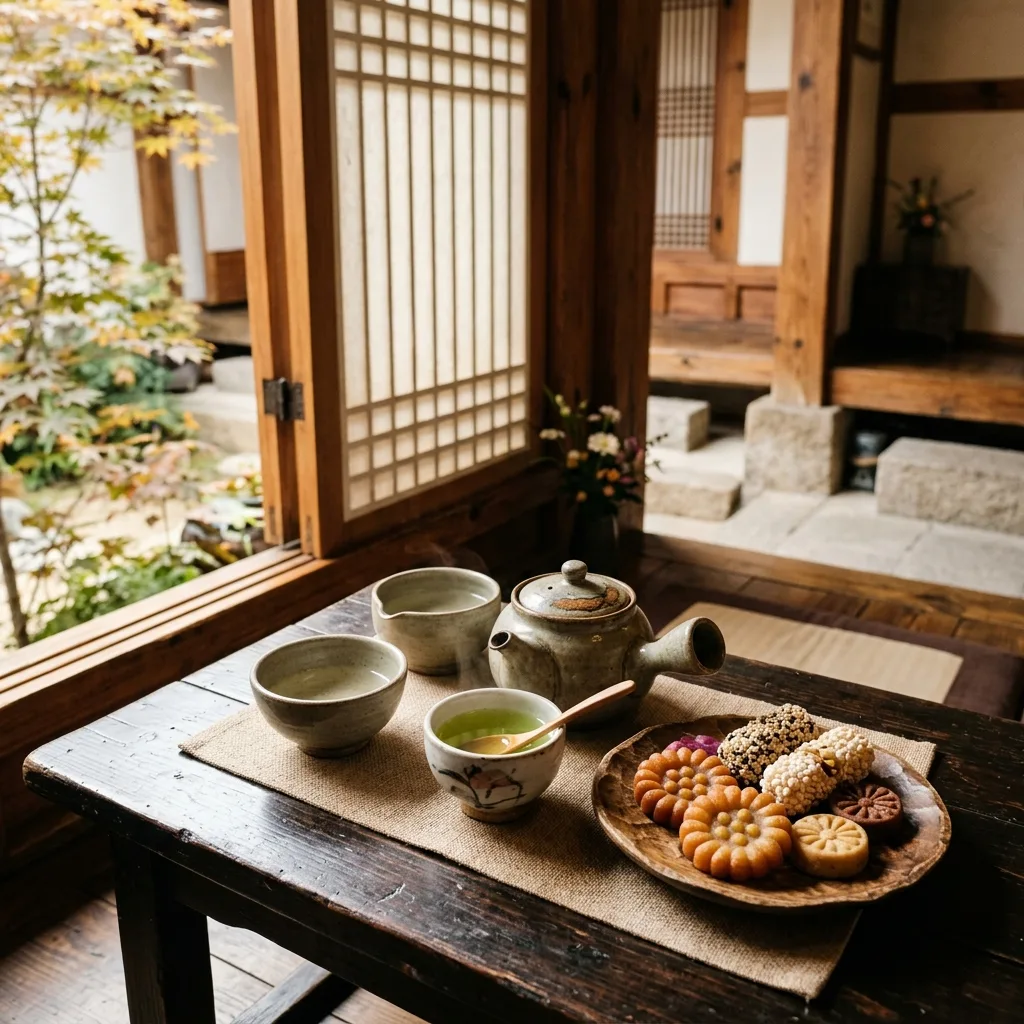
Stepping into Insadong, Seoul, is like stepping back in time, where the modern skyscrapers give way to traditional hanok buildings and narrow alleys. Amidst the bustling souvenir shops and art galleries, a serene world awaits: the traditional Korean teahouses. These establishments are more than just places to drink tea; they are havens of tranquility, offering a glimpse into a centuries-old culture that values mindfulness, artistry, and connection. For the traveler seeking an authentic and calming experience away from the city's relentless pace, exploring Insadong's teahouses is an absolute must. This guide will help you navigate this enchanting district, discover its best tea houses, understand the intricacies of Korean tea culture, and ensure your visit is as enriching as possible. We’ll delve deep into the philosophy of Dado, highlight specific teahouses each with its unique ambiance and offerings, provide practical advice for first-time visitors, and answer common questions to prepare you for a truly immersive journey.
The Heart of Korean Tea Culture in Insadong
Insadong stands as a living testament to Korea's rich cultural heritage, particularly its deep-rooted tea traditions. While many aspects of modern Korean life have embraced global trends, Insadong preserves the essence of a bygone era, making it the perfect locale to experience traditional tea culture firsthand. Here, tea is not just a beverage; it's an art form, a meditative practice, and a symbol of hospitality. Korean tea culture, or Dado (다도), emphasizes harmony, respect, purity, and tranquility. It's a holistic experience that engages all senses, from the delicate aroma of the tea leaves to the aesthetics of the teaware and the peaceful ambiance of the setting. The philosophy behind Dado encourages a connection with nature, an appreciation for simplicity, and a moment of pause in an otherwise busy world. This tradition dates back centuries, with historical records indicating tea consumption in Korea from as early as the Three Kingdoms period. It flourished during the Goryeo Dynasty, deeply intertwined with Buddhism, before experiencing a decline and subsequent revival in modern times.
Insadong's traditional teahouses offer a tranquil escape to experience Dado, the Korean way of tea, emphasizing harmony, respect, purity, and tranquility through meticulously prepared teas and traditional snacks in historic settings, connecting visitors with centuries of cultural heritage.
Historically, tea played a significant role in Korean aristocratic and monastic life, used in various rituals and as a means of cultivating spiritual well-being. Over time, it evolved, becoming a cherished part of everyday life. Insadong, with its concentration of antique shops, art galleries, and traditional craft stores, naturally became a focal point for this cultural practice. Many of its teahouses are housed in beautifully preserved hanok (traditional Korean houses), offering an immersive environment that enhances the tea-drinking experience. The atmosphere in these teahouses is typically hushed and respectful, encouraging visitors to slow down, savor the moment, and appreciate the nuances of traditional Korean teas. Expect to find a wide variety of teas, each cultivated and prepared with care. Green teas (nokcha) are perhaps the most common, ranging from delicate first flush varieties to more robust, earthy notes. Fermented teas (balhyocha), often similar to oolong or black tea, offer deeper, more complex flavors. Herbal infusions, such as Ssanghwa-cha (a warming and medicinal blend) or Omija-cha (a refreshing five-flavor berry tea), are also staples, catering to different tastes and health benefits. Floral teas like Gukhwa-cha (chrysanthemum tea) provide a delicate aroma and subtle sweetness. Most tea sets, which typically include a pot of tea and a small traditional snack, average around ₩9,000 – ₩10,000, with prices ranging from ₩7,000 – ₩15,000 per person. Teahouses generally operate from 10:00 AM or 11:00 AM until 9:00 PM or 11:00 PM, providing ample opportunity to indulge in this timeless tradition.
A Guide to Insadong's Renowned Teahouses
Insadong boasts a collection of exquisite teahouses, each with its distinct charm, history, and specialization. Exploring these individual establishments is part of the adventure, allowing you to find the perfect setting for your tea journey.
Chatteul (차뜰)
Widely regarded as one of Insadong's best overall experiences, Chatteul captivates visitors with its stunning courtyard and serene traditional floor seating. Housed in a beautifully restored hanok, this teahouse offers an unparalleled sense of tranquility, often described as an oasis of calm amidst the bustling streets. The interior features minimalist decor with natural wood and paper screens, enhancing the peaceful atmosphere. The emphasis here is on premium leaf teas, sourced from various regions of Korea, served with meticulous care in small, elegant ceramic teapots. Their green tea selection is particularly noteworthy, offering subtle nuances that seasoned tea drinkers will appreciate. Beyond the tea, the quiet atmosphere and picturesque surroundings, especially the inner courtyard visible from the seating areas, make it an ideal spot for reflection and relaxation. It's a place where conversations are hushed and the clinking of teacups provides the only soundtrack. Prices typically range from ₩7,000 to ₩15,000 for a tea set, reflecting the quality of the tea and the immersive environment. Chatteul usually operates from 11:00 AM to 10:00 PM, providing a long window to enjoy its peaceful setting.
Shin Old Tea House (신옛찻집)
Tucked away in a quiet, almost secret alley that feels miles from the main thoroughfare, the Shin Old Tea House is a true "time machine" experience. This 130-year-old hanok exudes a rustic charm, with its weathered wooden beams, traditional paper windows, and antique furnishings, transporting guests to a bygone era. It's particularly famous for its longevity and the palpable sense of history that permeates every corner. The ambiance is cozy and intimate, with patrons often seated on cushions on the ondol floor. Teas here typically start around ₩8,500 – ₩9,000. While their nokcha is excellent, visitors often praise their herbal teas, which are carefully brewed to traditional recipes. A delightful tradition at Shin Old Tea House is the complimentary serving of freshly made yugwa (puffed rice snacks) and chewy tteok (rice cakes) with every tea order, adding to the authentic Korean experience. These snacks are perfectly paired to cleanse the palate and complement the tea's flavors. Operating hours are usually 11:00 AM – 9:00 PM from Tuesday to Sunday, often extending until 10:00 PM on weekends, with a slightly earlier closing on Mondays from 10:00 AM – 7:00 PM. Finding this hidden gem might require a bit of navigation and a willingness to explore the smaller side streets, but the reward is an unforgettable journey into Korea's past and a truly unique tea experience.
Moon Bird Only Thinks of the Moon (달새는달만생각한다)
For those seeking a teahouse with character and a touch of whimsy, "Moon Bird Only Thinks of the Moon" (a poetic name that translates to "The Moon Bird Only Thinks of the Moon") is an enchanting choice. This quirky, artistic spot is filled with vintage decor, handwritten notes from past travelers adorning the walls, and a wonderfully eclectic atmosphere that encourages curiosity. It's a place where time seems to stand still, inviting visitors to linger and soak in the unique surroundings, perhaps even adding their own note to the collection. The interior is a delightful jumble of antique furniture, traditional art, and charming trinkets, making every corner a visual discovery. Prices for teas typically fall between ₩6,500 and ₩10,000. This teahouse is renowned for its thick, medicinal Ssanghwa-cha, a traditional herbal tea known for its warming properties and deep, earthy flavor, often served with a raw egg yolk (optional, but a traditional way to consume it for maximum benefit). Their homemade injeolmi rice cakes, which are soft, chewy, and coated in roasted soybean powder, are also a must-try sweet delight. It's open daily from 10:00 AM to 11:00 PM, making it a versatile option for either a daytime respite or a late-evening cultural immersion, perfect for those who appreciate a more bohemian and artistic environment.
Dawon (Kyung-in Museum of Fine Art)
For a blend of art, nature, and tea, Dawon, located within the sprawling and serene Kyung-in Museum of Fine Art complex, offers a distinct experience. The absolute highlight here is the beautiful garden view, which can be enjoyed from inside the traditional hanok seating area or, even better, from the charming outdoor veranda. This setting provides a refreshing escape, especially during spring when cherry blossoms bloom or in autumn when the foliage bursts into vibrant colors. The sound of gentle water features and the sight of meticulously maintained greenery create a deeply relaxing atmosphere. The average price for tea at Dawon is around ₩9,000. It operates from 10:30 AM to 8:00 PM. Dawon is particularly recommended for trying Omija-cha, a refreshing five-flavor berry tea that perfectly complements the natural surroundings with its complex sweet, sour, salty, bitter, and pungent notes. Its location within a museum also offers the added benefit of combining a cultural outing with a relaxing tea break, allowing you to explore Korean art before or after your tea session. This teahouse provides a more refined and visually appealing tea experience, ideal for those seeking a peaceful retreat with aesthetic beauty.
Practical Guide to Experiencing Insadong's Teahouses
To fully appreciate the traditional teahouse experience in Insadong, a little preparation goes a long way. The area is easily accessible, but navigating its charmingly intricate alleys requires some local knowledge to ensure a seamless and enjoyable visit.
Getting There
Insadong is centrally located in Seoul and well-served by public transportation, making it easy to integrate into any itinerary. The most convenient way to reach it is by subway:
- Anguk Station (Seoul Subway Line 3): Take Exit 6. Upon exiting, walk straight for about 100 meters, and you'll find yourself on the main Insadong-gil street, immediately immersed in the vibrant atmosphere. This exit is particularly convenient for reaching the northern end of Insadong.
- Jonggak Station (Seoul Subway Line 1): Take Exit 3-1. Walk straight for approximately 300 meters along the bustling streets, then make a left turn onto Insadong's main street. This approach brings you into the southern part of Insadong.
While Google Maps is a ubiquitous tool for travelers worldwide, it's worth noting that its accuracy can sometimes be less precise in the narrow, winding alleys and hidden corners of Insadong, especially when trying to pinpoint the exact location of some of the more secluded teahouses. For the most accurate walking directions, real-time public transportation information, and a smoother navigation experience within Seoul, it is highly recommended to use local Korean mapping applications such as Naver Map or KakaoMap. These apps are optimized for the local infrastructure, constantly updated, and will save you considerable time and frustration, guiding you directly to those charming, tucked-away teahouses that Google might miss.
What to Expect: Seating, Snacks, and Serenity
The traditional teahouse experience in Insadong often involves immersing yourself in authentic Korean customs. Many establishments embrace traditional seating arrangements, which typically require you to remove your shoes at the entrance and sit on cushions directly on heated ondol floors. The ondol system, a traditional Korean underfloor heating method, provides a uniquely cozy and comforting warmth, especially during colder months. This seating style is a fundamental part of the traditional experience, fostering a sense of intimacy and encouraging a relaxed pace. If you have mobility concerns or simply prefer sitting on conventional chairs, rest assured that some teahouses, such as Dawon or the more contemporary Osulloc Tea House (which offers a modern take on Korean tea and is less traditional in its overall style), do provide table and chair seating. Don't hesitate to observe other patrons or ask the staff about seating options.
A truly delightful and often unexpected aspect of Korean teahouses is the tradition of serving complimentary traditional snacks, known as hangwa (various confectioneries) or various types of tteok (rice cakes), alongside your tea order. These small, artfully presented treats, often subtly sweet or savory, are carefully chosen to complement the distinct flavors of the tea and enhance the overall tasting experience. They are an integral part of the hospitality. Many first-time visitors, unaware of this tradition, might prematurely order additional desserts. Therefore, it's a wise insider tip: wait to see what pleasant surprises arrive with your tea before deciding on any extra orders! This practice not only adds exceptional value but also provides an authentic taste of Korean hospitality and culinary tradition. The ambiance in these spaces is universally serene, designed to foster a sense of peace and quiet contemplation. Soft traditional music, the gentle murmur of conversation, and the aroma of brewing tea create a perfect environment for unwinding.
Best Time to Visit
To truly soak in the tranquil atmosphere of Insadong's teahouses and enjoy them at their most peaceful, timing your visit can make a significant difference. Weekday afternoons, particularly between 2:00 PM and 4:00 PM, are generally the quietest and most idyllic. During these hours, you can expect fewer crowds, allowing for a more reflective and personal experience. This is the ideal time to fully appreciate the quiet elegance, engage in calm conversation, or simply enjoy a book. Weekends, especially Saturday and Sunday afternoons, can be considerably busier, with both locals and tourists flocking to the area, resulting in longer wait times and a more vibrant, albeit less serene, atmosphere. While the energetic buzz of a weekend visit has its own unique appeal, if your primary goal is tranquility and a deeper cultural immersion, a weekday visit is highly recommended. The charming, hidden alleys, in particular, can become quite congested on weekends, making the discovery of those tucked-away gems a bit more challenging. Consider visiting right when they open for a uniquely peaceful start to your day.
Tips & Common Mistakes for First-Time Visitors
Navigating a new cultural experience, especially one as nuanced as traditional tea culture, can sometimes come with minor pitfalls. Here are some insider tips and common mistakes to avoid to ensure your visit to Insadong's teahouses is as enriching, respectful, and flawless as possible.
- Reliance on Google Maps for Navigation: This is a crucial point for first-time visitors to Seoul. While Google Maps is indispensable globally, its functionality and accuracy within South Korea are often limited, especially for walking directions in intricate areas like Insadong. As mentioned earlier, download and familiarize yourself with local Korean mapping applications such as Naver Map or KakaoMap before your visit. These apps provide superior accuracy, real-time public transport information, and detailed walking paths that will significantly enhance your navigation and lead you directly to those charming, sometimes obscure, teahouses.
- Underestimating the Complimentary Snacks: Remember the generous and delightful tradition of complimentary hangwa or tteok served with your tea order. These are often substantial enough to serve as a light snack. Many first-time visitors, unaware of this custom, prematurely order additional, often large, desserts only to find they already have a delightful array of traditional treats accompanying their beverage. A wise strategy is to wait and see what complimentary items arrive with your tea before making any further food selections, preventing unnecessary waste and cost.
- Rushing the Experience: Traditional Korean tea culture, or Dado, is fundamentally about slowing down, mindfulness, and being present in the moment. It is not analogous to a quick coffee grab. Avoid the temptation to rush through your tea. Instead, savor each delicate sip, appreciate the artistry of the teaware (which is often handcrafted and beautiful), and allow yourself to fully immerse in the peaceful, meditative ambiance. This unhurried approach is key to truly absorbing the cultural immersion that these teahouses offer.
- Ignoring Subtle Etiquette Cues: While the atmosphere in Insadong teahouses is generally welcoming and not overly strict, a few courtesies can significantly enhance your experience and demonstrate respect for the local culture. If you are seated on the floor (on ondol cushions), ensure your feet are not pointing directly at other patrons, the entrance, or any religious symbols or prominent artwork. Maintain a hushed tone of voice to preserve the tranquil atmosphere that others are also seeking. Observe the staff and other patrons, and try to mimic their gentle demeanor.
- Missing the "Hidden" Teahouses: Some of the most authentic, historic, and atmospheric teahouses in Insadong are not prominently located on the bustling main Insadong-gil street. Instead, they are often nestled within the quieter, winding side alleys. Don't be afraid to venture off the main path and explore these smaller lanes. Look for subtle, traditional signage, or simply follow your intuition – sometimes the scent of brewing tea or the faint sound of traditional music will guide you to a charming discovery. These hidden gems often offer the most profound and memorable experiences.
- Sticking Only to Green Tea: While nokcha (green tea) is a fundamental and delicious part of Korean tea culture, the offerings extend far beyond it. Be adventurous and open to trying different varieties. Explore robust fermented teas (balhyocha), delicate floral infusions like Gukhwa-cha (chrysanthemum tea), or invigorating herbal concoctions such as Ssanghwa-cha or Omija-cha. Each tea type offers a unique flavor profile, history, and often associated health benefits, providing a broader insight into Korean tastes and traditions.
- Forgetting to Remove Shoes: At teahouses with traditional ondol floor seating, it is customary and expected to remove your shoes before stepping onto the raised wooden floor or into the seating area. Look for designated shoe racks near the entrance. This practice is about cleanliness and respect for the traditional space.
FAQ: Your Questions About Insadong Teahouses Answered
What kind of tea should I try in Insadong for a truly authentic experience?
For a classic and quintessential Korean experience, Nokcha (green tea) is an excellent choice, served either hot or cold depending on your preference and the season. Many teahouses offer different grades of nokcha, from delicate first flushes to more full-bodied varieties. If you're seeking something uniquely Korean and robust, Ssanghwa-cha (a complex herbal tea made with various medicinal ingredients like dried jujubes, ginger, and cinnamon) is highly recommended, especially for its warming properties in cooler weather. For a refreshing and visually appealing option, Omija-cha (five-flavor berry tea) is a delightful choice, offering a balanced blend of sweet, sour, salty, bitter, and pungent notes. Don't hesitate to ask the staff for their recommendations, as they are often passionate about their teas and can guide you based on your personal taste preferences or mood.
Is visiting Insadong teahouses expensive, and is it worth the cost for budget travelers?
Compared to a typical modern coffee shop or a grab-and-go beverage, traditional teahouses might appear slightly pricier at first glance. However, the cost of a tea set (tea plus accompanying traditional snacks) generally ranging from ₩7,000 to ₩15,000 per person, encompasses much more than just a drink. It pays for the unique ambiance, the quality of traditionally prepared teas, the complimentary hangwa or tteok, the serene environment, and the immersive cultural experience itself. For budget travelers, it represents an affordable and profoundly enriching cultural activity, offering a peaceful respite that can last for an hour or more, making it a worthwhile investment in your travel experience rather than just a transaction for a drink. It's an opportunity to slow down and truly connect with a significant aspect of Korean heritage without breaking the bank.
Do I need reservations to visit teahouses in Insadong, especially during peak season?
Generally, no, reservations are not typically required for most traditional teahouses in Insadong. The majority operate on a welcoming walk-in basis, accommodating visitors as they arrive. However, during periods of peak tourist season (such as spring or autumn foliage seasons) or on particularly busy weekend afternoons, you might encounter a short wait at the most popular and well-known establishments. If you are traveling with a very large group, have a strict schedule, or have your heart set on a specific, exceptionally famous teahouse, it might be prudent to check their individual website or call ahead to inquire about their specific policies, though this is rarely necessary for solo travelers or small groups. For a guaranteed tranquil experience, consider visiting during weekday mornings or early afternoons.
Can I buy traditional Korean tea and teaware to take home as souvenirs from Insadong?
Absolutely! Insadong is one of the best places in Seoul, if not all of South Korea, to purchase high-quality traditional Korean teas and exquisite teaware. Many of the teahouses themselves, especially the larger or more established ones, have small shops or sections dedicated to selling their own blends of loose-leaf teas, carefully packaged tea bags, and beautiful, handcrafted ceramic teaware. Beyond the teahouses, Insadong's main street and its surrounding alleys are dotted with numerous independent tea shops and artisan craft stores specializing in all things tea-related. You can find everything from delicate celadon teacups and sturdy earthenware pots to a vast selection of Korean green teas, fermented teas, and herbal infusions. This offers an excellent opportunity to extend your cultural experience beyond your visit and bring a piece of Korean tradition and craftsmanship home with you, either for your own enjoyment or as thoughtful gifts.
Conclusion
Insadong's teahouses offer a gateway to the soul of traditional Korean culture, providing a much-needed respite from the vibrant energy of Seoul. More than just a place to enjoy a beverage, they are sanctuaries where time slows down, allowing for quiet contemplation and a deeper connection to Korean heritage. By embracing the nuances of Dado, exploring the diverse offerings of its renowned teahouses, and following a few practical tips, you can transform a simple tea break into an unforgettable cultural journey. So, step away from the bustling streets, find a hidden hanok teahouse, and immerse yourself in the elegant world of Korean tea. This authentic experience is sure to be a highlight of your The Ultimate 14-Day South Korea Grand Tour (Seoul to Jeju). For further exploration, consider how this serene tea experience can complement a visit to the nearby Gyeongbokgung Palace, just a short walk away, or how the craftsmanship of Insadong's teaware mirrors the artistic traditions celebrated in the Bukchon vs Jeonju: Which Hanok Village Should You Visit?.
This experience beautifully complements a wider exploration of Seoul's cultural landmarks. For instance, after a peaceful tea session, consider visiting nearby ancient palaces or exploring the traditional crafts available throughout Insadong. And don't forget to integrate some of these cultural insights into your The Ultimate 10-Day South Korea Itinerary for First-Timers for a truly immersive trip.