Best Makgeolli Bars in Seoul: Where Locals Drink Traditional Rice Wine

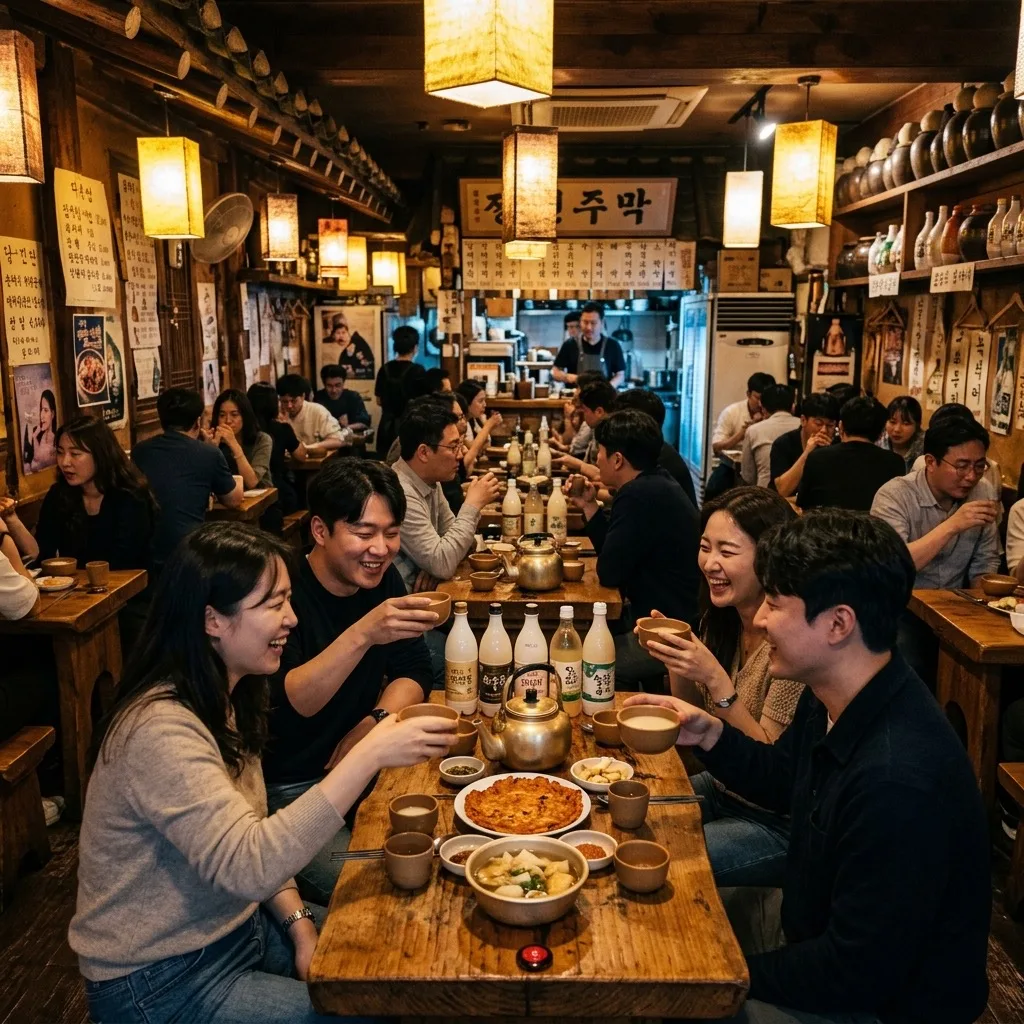
Imagine stepping into a warmly lit, bustling Seoul alleyway, the air filled with the quiet murmur of conversation and the clinking of ceramic bowls. You’re not looking for soju or craft beer tonight; your quest is for makgeolli, Korea's oldest alcoholic beverage. This cloudy, effervescent rice wine offers a taste of tradition, history, and communal joy that's deeply woven into the fabric of Korean social life. But with countless options, how do you find those hidden gems where locals truly savor their makgeolli, paired with the perfect savory pancakes or spicy stir-fries? This guide cuts through the noise, leading you directly to the authentic, beloved makgeolli bars in Seoul where you can experience this delightful drink like a true insider.
Unveiling Makgeolli: Korea's Timeless Rice Wine Tradition
Makgeolli, often called "Korean rice wine," is a milky, lightly carbonated alcoholic beverage brewed from rice, water, and nuruk (a fermentation starter). With roots tracing back over a thousand years, it's not just a drink; it's a cultural institution. Historically, makgeolli was the drink of farmers and common folk, appreciated for its affordability, nutritional value, and ability to quench thirst after a long day of labor. Today, it has undergone a remarkable renaissance, captivating both young and old, locals and tourists alike, with artisanal varieties and modern interpretations appearing across the country. Its unique tangy, sweet, and sometimes slightly bitter flavor profile, coupled with a refreshing effervescence, makes it incredibly versatile and a perfect companion to a wide array of Korean dishes. From traditional eateries that have served makgeolli for generations to trendy, modern bars that push the boundaries of flavor, Seoul offers an unparalleled journey into the world of this beloved rice wine. Understanding the essence of makgeolli enhances the entire experience of seeking out and enjoying it in its native environment.
The Art of Makgeolli: From Farmhouse Brew to Artisanal Craft
The charm of makgeolli lies in its rustic simplicity and the surprising complexity that can emerge from just three ingredients: rice, water, and nuruk. Nuruk, a traditional Korean fermentation starter made from grains, houses a diverse ecosystem of microorganisms that break down starches into sugars and then into alcohol. This process gives makgeolli its distinctive cloudy appearance and its characteristic blend of sweet, sour, and sometimes slightly bitter notes. Traditional makgeolli is unfiltered, leaving beneficial yeast and lactobacilli that contribute to its slight effervescence and a unique probiotic quality, often hailed for its health benefits.
Over the centuries, makgeolli production evolved from simple home brews to sophisticated regional specialties. Each region in Korea boasts its own unique makgeolli, often reflecting local rice varieties or specific nuruk strains. In recent years, a new generation of brewers has revitalized the makgeolli scene, experimenting with different grains (like wheat, corn, or even sweet potatoes), fruit infusions (grapefruit, yuja, strawberry), and varying fermentation periods to create a stunning array of flavors and textures. This artisanal movement has elevated makgeolli from a mere peasant drink to a gourmet beverage, appealing to a broader palate and cementing its place in Korea's rich culinary landscape. When you visit a makgeolli bar in Seoul, you're not just ordering a drink; you're often exploring a curated selection of these diverse and expertly crafted rice wines.
Navigating Seoul's Makgeolli Alleys: Finding Your Perfect Pour
Seoul’s makgeolli bars range from no-frills, decades-old establishments to chic, contemporary spaces. The best way to experience makgeolli is to embrace the local approach: share a large ceramic bowl (or "jujeonja") with friends, paired with an assortment of "anju" (drinking snacks). When choosing a bar, consider the ambiance you're after. Are you looking for a lively, boisterous atmosphere perfect for a Friday night, or a quiet, traditional spot for a more intimate gathering? Many older establishments, particularly in areas like Jongno or Euljiro, exude a nostalgic charm, often featuring low tables, wooden interiors, and a menu that hasn't changed in decades. These are the places where makgeolli feels most authentic, served alongside classic pairings like pajeon (savory pancakes), dubu kimchi (tofu with stir-fried kimchi), or bossam (boiled pork wraps).
On the other hand, areas like Hongdae, Gangnam, or Garosu-gil are home to modern makgeolli bars that offer a more refined experience. Here, you might find a broader selection of artisanal makgeolli, often presented in stylish bottles and paired with fusion anju that complements the wine's nuanced flavors. These bars are popular among younger Koreans and those looking for a more contemporary setting. Regardless of your preference, don't be afraid to ask for recommendations from the staff; they are often passionate about makgeolli and can guide you through the extensive menus.
Top Neighborhoods for Makgeolli Hunting
Seoul is a sprawling metropolis, and certain neighborhoods have become hotspots for makgeolli enthusiasts. Knowing where to look can save you time and lead you to some of the city's finest establishments.
- Jongno & Insadong: These areas are steeped in history and tradition, making them ideal for experiencing makgeolli in an old-school setting. You'll find numerous "hanok" (traditional Korean house) style bars offering classic makgeolli alongside hearty anju. Many establishments here have been family-run for generations, preserving authentic flavors and atmospheres.
- Euljiro: Known for its retro charm and hidden alleyways, Euljiro has recently emerged as a trendy spot for unique bars, including several excellent makgeolli joints. These often blend traditional elements with a modern, industrial aesthetic, attracting a younger, artsy crowd.
- Hongdae & Sinchon: Popular university districts, these areas boast a youthful and energetic vibe. Makgeolli bars here often feature creative menus, innovative anju pairings, and a wider selection of flavored makgeolli, catering to students and those looking for a lively night out.
- Gangnam & Sinsa-dong (Garosu-gil): For a more upscale or chic makgeolli experience, these areas offer sophisticated bars with carefully curated selections of premium artisanal makgeolli. The anju here often leans towards modern Korean cuisine, presented with an aesthetic flair.
- Gyeongnidan-gil & Haebangchon: Located near Itaewon, these neighborhoods offer a more diverse and international vibe. While not exclusively makgeolli-focused, you can find unique bars that incorporate makgeolli into their drink offerings, sometimes even with creative cocktails.
Exploring these neighborhoods not only introduces you to different makgeolli experiences but also provides a glimpse into the diverse social fabric of Seoul. Don't limit yourself to just one area; each offers a distinct flavor of makgeolli culture.
Practical Guide to Enjoying Makgeolli in Seoul
To fully appreciate Seoul's makgeolli scene, a little preparation goes a long way. Prices for makgeolli and anju can vary significantly depending on the establishment, from budget-friendly options in traditional markets to more premium experiences in upscale bars. Generally, a large "jujeonja" (kettle) of makgeolli can range from ₩6,000 to ₩15,000, while anju dishes typically fall between ₩15,000 and ₩30,000. It's always a good idea to check online reviews or menus (if available) before you go. Many traditional makgeolli bars don't take reservations and operate on a first-come, first-served basis, especially during peak hours. Some popular spots might have a waiting list, so arriving early is often recommended.
How to Order and What to Expect
Ordering makgeolli is straightforward. Most menus will have a "Makgeolli" section, often categorized by region, rice type, or flavor. If you're unsure, start with a basic "Saeng Makgeolli" (생막걸리 - fresh makgeolli), which is unpasteurized and offers a more vibrant, complex flavor. Many bars also offer "Ttaksul" (탁주), a slightly more refined and often stronger version of makgeolli. Don't forget to order some anju! The combination of makgeolli and anju is sacrosanct. Classic pairings include Haemul Pajeon (seafood pancake), Kimchi Jeon (kimchi pancake), Dubu Kimchi (tofu with stir-fried kimchi), or Jokbal (pig's trotters).
When your makgeolli arrives, it will often be in a kettle or a large bottle, accompanied by smaller ceramic or metal bowls. Stir the makgeolli gently with a ladle before pouring to ensure the sediment at the bottom is mixed in, as this sediment contributes significantly to the flavor and texture. Pour for your companions first, then for yourself – it's good etiquette! The atmosphere in makgeolli bars is usually convivial and relaxed, encouraging conversation and shared laughter.
Navigating Opening Hours and Accessibility (2026 Update)
Most makgeolli bars in Seoul typically open in the late afternoon or early evening (around 4 PM - 6 PM) and stay open until late at night, often past midnight. Some, especially those in bustling nightlife areas, might even operate until the early hours of the morning. It's less common to find makgeolli bars open for lunch, though some traditional eateries that serve makgeolli might have broader hours.
Regarding accessibility, traditional makgeolli bars, particularly those housed in older buildings or hanoks, might have steps or narrow doorways that could pose challenges for wheelchair users or those with mobility issues. Newer establishments, especially in modern districts, are generally more accessible, though it's always wise to check with the venue beforehand if you have specific accessibility needs. For public transport, Seoul's subway system is highly efficient and covers most areas where popular makgeolli bars are located. Using apps like Naver Maps or KakaoMap can help you navigate routes and provide estimated travel times.
Note: Specific prices, opening hours, and booking policies for individual establishments can change. It is highly recommended to check the latest information for any particular bar you plan to visit, especially for 2026 updates regarding visa or entry requirements for tourists, which may impact your travel plans to Korea.
Tips for a Memorable Makgeolli Experience & Common Mistakes to Avoid
To truly immerse yourself in Seoul's makgeolli culture, keep these tips in mind and steer clear of common pitfalls that might hinder your experience.
Insider Tips:
- Embrace the Sediment: Makgeolli's cloudy appearance comes from rice sediment at the bottom. Always stir it gently before pouring to mix the sediment evenly. This ensures you get the full flavor and nutritional benefits.
- Pair with Anju: Never drink makgeolli on an empty stomach! The anju (drinking snacks) are just as important as the makgeolli itself. Classic pairings like pajeon (savory pancake), dubu kimchi (tofu with stir-fried kimchi), or gyeran mari (rolled omelet) perfectly complement makgeolli's flavor profile and help absorb the alcohol.
- Try Different Kinds: Don't stick to just one type. Many bars offer a variety of makgeolli, from fresh (saeng) to aged, and even fruit-flavored options. Ask the staff for recommendations or try a flight if available.
- Drink from Bowls: Makgeolli is traditionally served in small ceramic or metal bowls, not glasses. This enhances the traditional experience and is part of the ritual.
- Go Local: Seek out bars that are popular with locals, even if they seem less flashy. These establishments often offer the most authentic experience and the highest quality makgeolli. Don't be afraid to venture into smaller alleys or less touristy areas.
- Learn Basic Phrases: Knowing a few Korean phrases like "Makgeolli juseyo" (막걸리 주세요 - "Makgeolli, please") or "Igeot juseyo" (이것 주세요 - "This one, please" when pointing) can enhance your interaction and show respect for local culture.
Common Mistakes to Avoid:
- Not Stirring: Forgetting to stir the makgeolli is a common mistake that leads to a watery first pour and a thick, sediment-heavy last pour.
- Ignoring Anju: Drinking makgeolli without anju is not only culturally uncommon but can also lead to getting intoxicated faster due to the relatively low alcohol content making it seem less potent than it is.
- Expecting a Quiet Bar: While some bars are quieter, many traditional makgeolli places are lively and boisterous, especially on weekends. Embrace the noise as part of the authentic atmosphere.
- Over-ordering: Makgeolli can be surprisingly filling due to its rice content. Start with one kettle and one or two anju dishes, and order more if needed.
- Only Sticking to Well-Known Brands: While popular brands are fine, the true magic lies in exploring regional and artisanal makgeolli that smaller bars often specialize in.
- Not Checking Operating Hours: Especially for smaller, family-run establishments, hours can be variable. A quick check online or a phone call (if you can manage) can save a wasted trip.
By following these tips and avoiding common missteps, your makgeolli adventure in Seoul is sure to be both delicious and memorable.
Frequently Asked Questions About Makgeolli in Seoul
Here are some common questions travelers have about experiencing makgeolli in Korea's capital.
Q: What is makgeolli and how is it different from soju or other Korean alcohols? A: Makgeolli is a traditional Korean rice wine, typically cloudy, milky, and slightly effervescent. It's brewed from rice, water, and nuruk (a fermentation starter). Unlike soju, which is a clear, distilled spirit with a higher alcohol content (around 15-25%), makgeolli is fermented and unfiltered, retaining its natural sediment and having a lower alcohol content (6-8%). It's also distinct from cheongju, another rice wine, which is filtered and clear.
Q: Is makgeolli an acquired taste? A: For some, yes, but many find its unique blend of sweet, tangy, and slightly carbonated flavors immediately appealing. The taste can vary widely between brands and types, from sweeter, milder versions to drier, more complex ones. If you're new to it, start with a "saeng makgeolli" (fresh makgeolli) or a fruit-infused variety.
Q: What are the best foods to eat with makgeolli? A: Makgeolli pairs wonderfully with "anju" (drinking snacks). Classic pairings include various "jeon" (Korean pancakes) like pajeon (scallion and seafood pancake) or kimchi jeon, as well as dubu kimchi (tofu with stir-fried kimchi), bossam (boiled pork wraps), and spicy stir-fries. The rich, savory flavors of these dishes cut through makgeolli's sweetness and tanginess beautifully.
Q: Can I find makgeolli outside of dedicated bars? A: Yes, you can find bottled makgeolli in most convenience stores (like GS25, CU, 7-Eleven), supermarkets, and even some traditional markets. However, the selection in bars is often much broader, including fresh, unpasteurized, and artisanal varieties that are not typically available in stores. Drinking makgeolli in a bar also provides the full cultural experience with appropriate anju pairings.
Q: What's the typical cost of makgeolli and anju in Seoul? A: Prices can vary. A large kettle (jujeonja) of makgeolli typically costs between ₩6,000 to ₩15,000. Anju dishes usually range from ₩15,000 to ₩30,000, depending on the ingredients and the establishment's style. Budget-friendly options can be found in traditional markets, while upscale bars might have higher prices.
Conclusion: Your Journey into Seoul's Makgeolli Culture Awaits
Seoul's makgeolli bars offer more than just a drink; they provide a sensory journey into Korea's rich traditions, vibrant social scene, and evolving culinary landscape. From the rustic charm of old-school establishments in Jongno to the trendy, artisanal havens in Hongdae, each bar tells a story through its unique brews and carefully curated anju. Embracing the milky, effervescent delight of makgeolli, especially when shared in ceramic bowls with good company and delicious food, is an essential part of any visit to the Korean capital. So, arm yourself with this guide, venture into the bustling streets and hidden alleys, and discover your own favorite spot where locals gather to toast with Korea's timeless rice wine. Your authentic Seoul makgeolli experience is just waiting to be savored.
Explore beyond the familiar and discover the nuanced flavors of regional makgeolli varieties, perhaps even finding a new favorite. Remember to always seek out the local spots for the most authentic experience. For those looking to delve deeper into Korean beverages, consider also exploring the vibrant craft beer scene in Seoul.
For more insights on navigating the city, you might find our guide on Essential Apps for Traveling in South Korea in 2024 useful. If you're planning your culinary adventures, don't miss our comprehensive resource on A Foodie's Guide to South Korea: Must-Try Dishes and Markets. And for those looking to travel between cities, our article on How to Travel from Seoul to Busan: KTX, Bus, and Flight Comparison will provide valuable information. These resources will help you further enhance your Korean adventure.