Korean Traditional Medicine (Hanbang) for Tourists: Acupuncture & Herbal Therapy

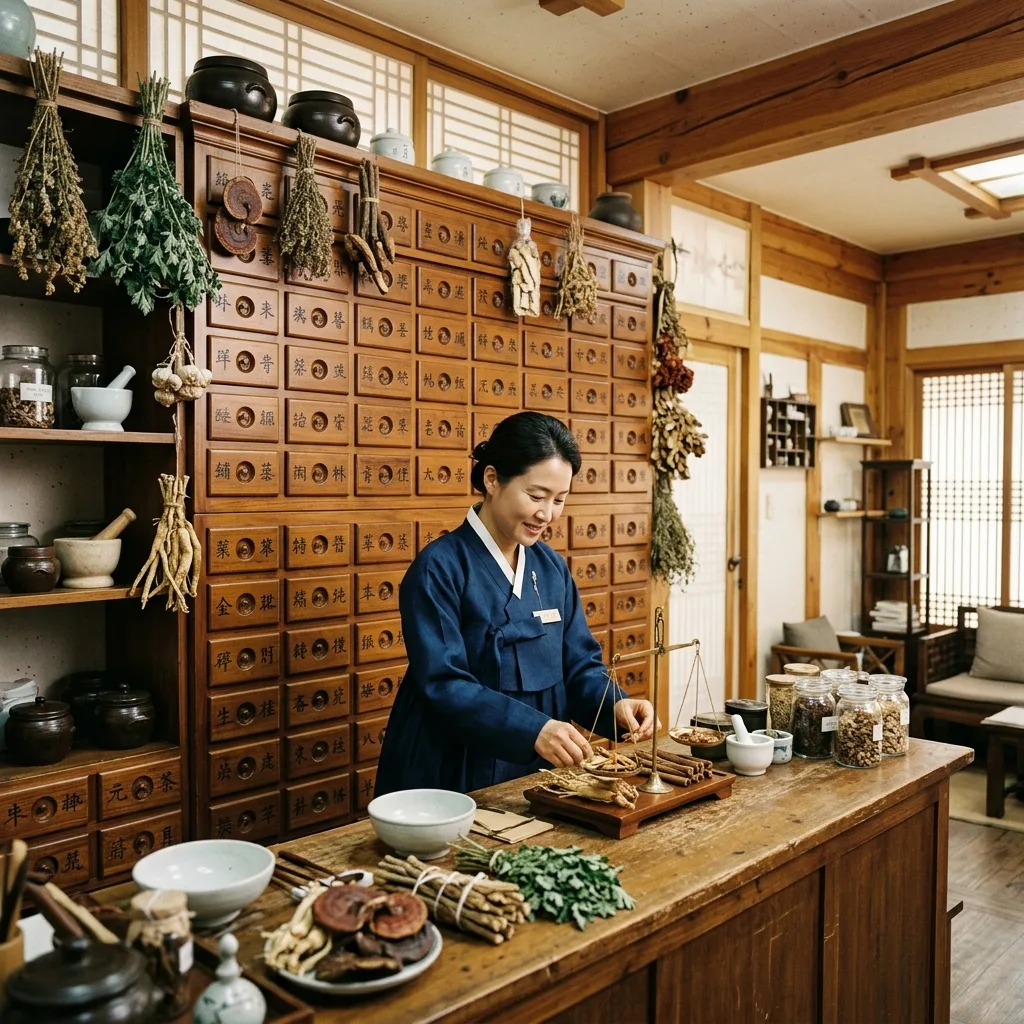
If you spend enough time in Korea, sooner or later your body starts asking for a slower kind of travel. Maybe it is the stiff shoulders from a long-haul flight, the jet lag that refuses to disappear, or the simple curiosity of wanting to try something that feels deeply Korean rather than internationally standardized. That is where hanbang comes in. Korean traditional medicine is not a theme-park version of wellness; it is a real medical system with clinics, diagnoses, prescriptions, and treatment styles that many travelers never think to explore. For the right visitor, it can be one of the most memorable and practical parts of a trip.
Introduction
Hanbang is the Korean name for traditional medicine, and for tourists it sits at the intersection of health, culture, and travel planning. It can mean a quick acupuncture session for sore legs after a day of sightseeing, a herbal consultation for fatigue or digestion, or simply a visit to a historic herbal medicine district so you can understand how deeply the tradition still shapes everyday life in Korea. If you are already interested in temple stays, jjimjilbangs, or other healing-focused experiences, hanbang gives you another layer of context for why wellness is such a visible part of Korean travel culture.
The key thing to understand is that hanbang is not presented in Korea as exotic or fringe. It is part of the healthcare landscape, and many clinics serve both locals and international visitors. Some specialize in pain relief, some focus on skin or hair, some on stress, and some on constitution-based herbal formulas. That variety matters because tourists often assume there is only one kind of “traditional medicine visit,” when in reality there are many formats, levels of intensity, and price points. Knowing the difference can help you choose a place that matches your comfort level and your schedule.
For travelers, the appeal is practical as much as cultural. A good hanbang appointment can fit into a city day without requiring a full day off, and the experience is often easier to book than people expect. If you are building a broader treatment trip rather than a pure wellness day, pair this with the hub at Medical Tourism in Korea: Clinics, Costs & What Foreigners Need to Know, the hospital interpreter services guide, or the health checkup packages guide depending on how clinical you want the trip to be.
Primary Topic Section
For tourists, hanbang is best understood as a spectrum: acupuncture for targeted relief, herbal medicine for longer-term balance, and related treatments such as cupping, moxibustion, or herbal tea for people who want to ease into the tradition without committing to a full treatment plan.
What Hanbang Actually Is
Hanbang literally refers to Korean traditional medicine, but the word carries a broader cultural weight than “alternative medicine” does in English. It is rooted in the idea that health depends on balance: temperature, sleep, digestion, circulation, stress, and the body’s overall constitution all matter. That is why hanbang consultations often start with questions that feel more holistic than a typical quick clinic visit. A practitioner may ask about your sleep, appetite, bowel habits, energy levels, menstrual cycle, or stress patterns before recommending anything.
This can surprise first-time visitors who expect a procedure-first approach. In hanbang, the diagnosis often matters as much as the treatment. Two travelers with the same lower back pain may be offered different formulas or different acupuncture points depending on whether one feels “cold and depleted” and the other feels “tense and overheated.” That individualized approach is one reason hanbang still has strong public credibility in Korea. It also explains why you should not walk in expecting a one-size-fits-all spa service.
Another point that travelers sometimes miss is that hanbang is not only about illness. In everyday Korean life, it is commonly used for prevention, recovery, and constitution management. People may seek treatment after a sports injury, during a stressful work period, after childbirth, or when they feel chronically tired. Visitors often come in for a much narrower reason: a stiff neck from long flights, a sore ankle, a stomach that has not adjusted to travel food, or a desire to try something genuinely local. That is a perfectly normal reason to book, and clinics in tourist-heavy areas are used to it.
Acupuncture for Travelers
Acupuncture is the most familiar entry point for international visitors because it is relatively quick, widely available, and easy to understand. In Korea, acupuncture is used for many of the same reasons it is used elsewhere: pain relief, muscle tension, circulation, and recovery support. A tourist might try it after days of walking in Seoul, a long bus ride to the provinces, or a hiking-heavy itinerary in places like Gangwon or Jeju.
VISITKOREA notes that an ordinary acupuncture session is roughly 5,000 to 10,000 won when covered by national health insurance and about 20,000 won without insurance. For most tourists, the uninsured price is the more relevant figure, but the bigger point is that acupuncture in Korea is usually not prohibitively expensive. That affordability helps explain why some travelers treat it as a practical add-on rather than a rare splurge. It is often cheaper than many airport massages, and unlike a massage, it is usually tied to a real assessment by a practitioner rather than a generic relaxation menu.
If acupuncture makes you nervous, remember that tourist-friendly clinics are accustomed to anxious first-timers. Needles are much finer than most people imagine, and treatments are usually brief. The conversation beforehand is often more important than the actual insertion. Tell the practitioner if you are needle-shy, prone to dizziness, pregnant, recovering from surgery, or taking blood thinners. Those details are not awkward; they are the information that makes the session safer and more useful.
Herbal Therapy and Hanyak
Herbal therapy in Korea is usually called hanyak, and it is the part of hanbang that most tourists misunderstand. This is not simply “drink a tea, feel better.” A real herbal formula is typically customized after consultation and may be taken as powders, pills, decoctions, or teas depending on the clinic and the purpose. The goal is often to support digestion, sleep, fatigue, immunity, circulation, skin health, or recovery from a specific condition.
That customization is why pricing is harder to pin down than acupuncture. Herbal medicine is not one single product with one fixed fee. The formula depends on the ingredients, the intended duration, and the complexity of the case. For tourists, the best approach is to treat herbal therapy like a consultative service: ask the clinic in advance what the initial visit includes, whether the practitioner speaks English, and whether the prescription can be packaged for travel. If the clinic cannot explain the estimate clearly, keep looking.
Visitors who do not want a full herbal prescription can still experience hanbang through herbal tea culture. In Seoul, a place like Tongin Hanyakguk in Seochon gives you a low-pressure way to step into the herbal world without making a medical commitment. VISITKOREA lists medicinal herb tea at 5,000 won there, with operating hours of 10:00 to 19:00 and Sunday closures. That is not the same thing as treatment, but it is a helpful bridge for curious travelers who want the atmosphere, the ingredients, and the vocabulary before booking a clinic visit.
How a First Visit Usually Works
A first hanbang visit usually starts with a consultation, not a treatment table. Expect basic questions about what brought you in, how long the problem has lasted, and what your daily routine looks like. Some clinics may check your pulse or examine your tongue, while others focus on posture, range of motion, and physical symptoms. If you are there for a travel-related issue like jet lag or shoulder tension, describe it plainly. “I slept badly after my flight” is often more useful than trying to sound medical.
After the consultation, the practitioner may suggest acupuncture, herbal medicine, cupping, moxibustion, or a combination. This is where tourists sometimes feel tempted to say yes to everything. Resist that urge. Start with the least intimidating treatment that actually addresses your problem. If you are unsure, ask what the immediate goal is. Is the plan to reduce pain today, support recovery over the next two weeks, or improve a longer-term condition? The answer tells you whether the visit is best treated as a one-off souvenir experience or as part of a sequence.
When Hanbang Makes the Most Sense
Hanbang is especially appealing for travelers with mild to moderate complaints that do not require emergency care: muscle tension, travel fatigue, neck and shoulder stiffness, digestive discomfort, or post-hike soreness. It can also be useful for visitors who want a more personal health conversation than they would get from an over-the-counter medicine aisle. If you already have a known medical condition, you should still tell the practitioner exactly what it is and what medication you take, because hanbang works best when the practitioner has the full picture.
It also makes sense as a cultural experience when combined with other traditional travel activities. A morning in a hanbang clinic, a quiet lunch, and an afternoon in a hanok district creates a very different rhythm from a shopping-heavy city day. That slower pacing fits especially well if you are building a restorative trip around Korean Spa Etiquette: Do’s and Don’ts for International Visitors and other body-centered Korean experiences.
Secondary Topic Section
The most useful way to think about hanbang as a traveler is as part of a larger wellness map. In Korea, healing is not confined to hospitals. It appears in tea houses, bathhouses, temple grounds, herbal streets, and neighborhood clinics. Once you notice that pattern, the city becomes easier to read.
Hanbang Districts and the Culture Around Them
If you want to see hanbang as culture rather than just treatment, walk through areas that still retain clusters of herbal shops and clinics. Dongdaemun and Jejudo-style herbal tea shops are obvious stops, but the most interesting places are often the older neighborhood clusters where the scent of medicinal roots still hangs in the air. Seoul’s historic herbal medicine districts are worth a slow walk even if you never book an appointment. You will see dried roots, bark, ginseng, jars, and signage that makes it clear hanbang is not a tourist novelty here.
One useful mental model is to compare hanbang with other Korean wellness experiences. A temple stay is spiritual and communal, a jjimjilbang is social and restorative, and hanbang is clinical but personalized. That means hanbang works best for people who want a practical intervention rather than a passive soak. If you are the kind of traveler who enjoys learning the system behind the experience, you will probably appreciate how hanbang sits alongside Healthcare in Korea for Foreigners: How to Use National Health Insurance and other local systems that make Korea surprisingly navigable for visitors.
Herbal Medicine in Everyday Life
Herbal medicine in Korea is not only for serious treatment. It appears in soups, drinks, and seasonal routines. Travelers often first encounter hanbang through samgyetang with medicinal herbs, ginger-heavy teas, or ginseng products sold in market districts. That everyday visibility matters because it removes some of the mystery from the clinic setting. Once you have smelled hanbang ingredients in a market or tasted them in a tea house, the clinic feels less intimidating.
There is also a strong seasonal logic to Korean herbal culture. Winter is associated with warming ingredients and stamina, summer with cooling and recovery, and the in-between seasons with balancing the body after weather changes. Travelers who visit in spring or autumn may notice more herbal tonics and teas being sold at a time when their own bodies are also adjusting to rapid shifts in temperature and humidity. This is one reason hanbang can feel surprisingly relevant to tourists rather than purely ceremonial.
Who Will Get the Most Out of It
Hanbang is a good fit for travelers who are curious, open to consultations, and willing to slow down for half an hour. It is especially worthwhile if you have:
- muscle tightness from flights, train rides, or luggage
- stress or poor sleep after a packed itinerary
- digestive issues from changing food routines
- interest in Korean wellness culture beyond skincare and spas
- a long enough trip that one quiet health appointment will not disrupt your schedule
It is less ideal if you want instant gratification or if you are looking for a luxury treatment that feels identical to one in your home country. Hanbang is usually more grounded than glamorous. That is part of its appeal, but it also means the experience is better when you approach it with curiosity rather than consumer expectations.
Practical Guide
Hours, Admission, Prices, and Booking
The most practical question tourists ask is simple: how much time and money should I budget? For ordinary acupuncture, VISITKOREA’s medical tourism content says a session typically costs about 20,000 won without insurance, or 5,000 to 10,000 won when covered by national health insurance. That gives you a realistic baseline for a basic visit. Herbal consultations and custom formulas are less standardized, so always ask for an estimate before you commit.
If you want a tourist-friendly starting point in Seoul, these are useful examples:
- Yuil Oriental Medicine Clinic in Dongdaemun has a Visit Seoul listing with hours of 09:30 to 17:00, Monday through Friday, plus a lunch break from 13:00 to 14:00. The clinic is closed on weekends and is a short walk from Dongdaemun Station Exit 10. The Visit Seoul page also includes the phone number and website.
- Boneline Hanuiwon in Euljiro lists weekday hours of 10:00 to 20:00 on the Seoul Medical Tourism site, and it advertises English, Chinese, Japanese, Russian, and Mongolian language support. It is well placed if you are staying near Jongno, Euljiro, or Myeongdong.
- Myeongdong Siwon Clinic lists Monday to Friday hours of 10:00 to 20:00 and Saturday hours of 10:00 to 15:00, which makes it convenient for travelers who need an appointment after a day of sightseeing.
For low-commitment herbal culture, Tongin Hanyakguk in Seochon is useful because it operates like a neighborhood herbal medicine shop rather than a flashy medical attraction. VISITKOREA lists its hours as 10:00 to 19:00, closed Sundays, with medicinal herb tea at 5,000 won. It is a good place to browse the atmosphere before deciding whether to book a treatment elsewhere.
Booking is usually straightforward. Many clinics list a phone number, email address, or website contact form. Some tourist-oriented clinics are happy to arrange an appointment after a short message in English. If you are nervous about the process, choose a clinic that publicly states language support or appears in Seoul’s medical tourism directory. That reduces the odds of awkward back-and-forth and helps you confirm the treatment style before arriving.
Useful booking and reference links:
- Visit Seoul medical listing for Yuil Oriental Medicine Clinic
- Seoul Medical Tourism page for Boneline Hanuiwon
- Seoul Medical Tourism page for Myeongdong Siwon Clinic
- VISITKOREA guide to ordinary acupuncture costs
How to Get There
Most tourist-friendly hanbang clinics in Seoul are placed near major subway nodes so that international visitors can reach them without navigating the city on foot for too long. That is a practical advantage if you are already staying in central Seoul. If your base is near Jongno, Myeongdong, or Dongdaemun, you can usually fold a clinic visit into a broader walking day. If you are farther out, plan the visit as a focused half-day rather than trying to squeeze it between multiple distant attractions.
If you are already mapping your trip through neighborhoods, the logic is similar to booking museums or food stops. Pick a district, cluster your activities, and avoid backtracking across the city. A visit to a clinic near Dongdaemun can pair well with shopping or architecture. A clinic in Myeongdong can combine with dinner and nighttime wandering. A clinic in Jongno can slot neatly into a heritage-heavy day that already includes hanok streets, palaces, or tea houses. For an efficient routing mindset, revisit The Ultimate Seoul Travel Guide: Where to Stay & What to See.
What to Bring
You do not need much, but a few small things improve the experience. Bring your passport or a photo ID if the clinic asks for it, your medication list if you take anything regularly, and a note describing your symptoms in plain language. If English is limited at the clinic, a short written description can save time. For example: “tight neck and shoulders after long flight,” “stomach discomfort after changing meals,” or “want to try one consultation and acupuncture session.”
Wear comfortable clothing that makes it easy to roll up sleeves or pant legs. If the clinic offers a full body check or asks you to lie down, you will be glad you chose something loose rather than formal clothes. If you are planning to continue sightseeing afterward, allow time for a slower pace. Even if the treatment is not physically taxing, your body may feel more relaxed than usual. That is not the day to schedule a sprint across five neighborhoods.
How Hanbang Fits a One-Day Seoul Itinerary
A smart tourist itinerary keeps the appointment light and nearby. For example, breakfast near your hotel, a late-morning consultation in Jongno or Dongdaemun, lunch in a calm neighborhood, and then a gentle afternoon of shopping, tea, or a museum. Avoid stacking hanbang immediately before a packed evening of drinking or late-night clubbing, because the point of the treatment is usually to reset, not to create another kind of stress.
If you want the day to feel coherent, build it around recovery. Visit a herbal shop, book acupuncture, sit for tea, and then choose one nearby activity. That could be a heritage walk, a palace, a small gallery, or a quiet dinner. The ideal hanbang day is not overplanned. It should leave room for the body to actually respond.
Tips & Common Mistakes
Tip 1: Do Not Pretend to Be More Familiar Than You Are
Travelers sometimes think they need to sound knowledgeable to be taken seriously. They do not. It is better to say, “I’m new to hanbang and I want to understand my options,” than to fake fluency in Korean medicine terms. Clinics are usually more helpful when you are honest about your experience level. If something sounds confusing, ask for the simplest possible explanation.
Tip 2: Ask Whether the Clinic Speaks English Before You Go
Do not assume every clinic will be comfortable handling an international visitor. Some are excellent with tourists, some are not. If the clinic is listed in Seoul’s medical tourism directory or mentions language service clearly, that is a good sign. If you are booking by phone or email, ask one simple question first: “Do you have English support for a first-time visitor?” That saves time and prevents misunderstandings when you arrive.
Tip 3: Be Clear About Medication and Conditions
This is especially important if you are on blood thinners, have a bleeding disorder, are pregnant, or have had recent surgery. Acupuncture and herbal medicine can be safe and useful, but the practitioner needs accurate information to choose appropriately. Visitors sometimes worry that sharing medical details will complicate the visit. In reality, vague answers create more risk than honesty does.
Tip 4: Separate Cultural Curiosity from Medical Necessity
If you want the experience mainly as a cultural activity, say so. If you want genuine symptom relief, say that too. The mistake is mixing the two so much that you end up with a treatment plan that does neither job well. Hanbang can be both cultural and practical, but the clinic can only help if it knows what outcome you want.
Tip 5: Do Not Schedule a Marathon After Treatment
A common tourist mistake is treating acupuncture or a herbal consult as just another checkmark before a full evening itinerary. That often backfires. Give yourself at least a little room afterward. Take a walk, sit in a cafe, or return to your hotel before resuming a busy route. The more you allow the experience to settle, the more likely you are to notice the benefits.
Common Mistake 1: Assuming Herbal Therapy Is the Same as Herbal Tea
Herbal tea is pleasant and often part of hanbang culture, but it is not the same thing as a prescribed herbal formula. Tea houses can be a nice introduction, yet they are not a substitute for an actual consultation if your goal is treatment. Keep the two categories separate so your expectations stay realistic.
Common Mistake 2: Booking a Random Clinic Without Checking the Neighborhood
In Korea, location matters. The same appointment feels different depending on whether you are staying in a heritage district, a business district, or a far-flung suburb. Choose a clinic that fits the rest of your trip. If you are already based in central Seoul, prioritize clinics near your route rather than chasing a supposedly famous name across town.
Common Mistake 3: Forgetting That You Are Still in a Medical Setting
Hanbang may feel calmer and less sterile than a Western clinic, but it is still healthcare. Dress and behave accordingly. You would not make loud jokes in a consultation room at home, and the same standard applies here. If you want a more social or spa-like wellness experience, that is what Korean Spa Etiquette: Do’s and Don’ts for International Visitors is for.
FAQ
Is hanbang safe for tourists?
Generally, yes, if you choose a legitimate clinic, give accurate health information, and keep your expectations realistic. Safety depends on the practitioner, the setting, and whether you disclose relevant conditions or medication. If you are unsure, start with a straightforward consultation and a conservative treatment plan rather than a complex multi-step package.
Do I need to speak Korean?
Not necessarily. Many tourist-oriented clinics and medical tourism listings offer English or other language support. That said, do not assume language assistance everywhere. It is better to verify before booking. A clinic that publicly mentions foreign-language service is usually a stronger choice for a first visit.
How long does a first appointment take?
Plan for about 30 to 60 minutes for a first visit, depending on how detailed the consultation is and whether you add treatment. A simple acupuncture session may be shorter, while a consultation plus herbal discussion can take longer. If you are fitting the appointment into a sightseeing day, leave breathing room on both sides.
Can I get herbal medicine to take home?
Sometimes, yes, but the details depend on the clinic and the form of the prescription. Some formulas are packaged for travel, while others are meant to be taken over time at home. Ask in advance whether the medicine can be prepared in a portable format and whether there are any storage or customs considerations.
Is acupuncture painful?
Most visitors describe it as less intense than expected. You may feel a light pinch, pressure, warmth, or nothing much at all. If you are needle-sensitive, say so before the session begins. The practitioner can usually adapt the approach or walk you through the process more carefully.
What is the best place for a tourist to start?
If you want the easiest entry point, choose a centrally located clinic with clear foreign-language support and public hours. If you want a softer introduction to herbal culture first, visit a place like Tongin Hanyakguk or browse a hanbang district before booking treatment. If you want to combine the visit with a broader Seoul itinerary, keep the appointment near your hotel or main sightseeing area.
Conclusion
Hanbang is one of the most rewarding “quiet” travel experiences in Korea because it connects movement, food, stress, sleep, and daily life in a way that feels genuinely local. For tourists, that means you can use it in two ways: as practical care for a sore neck, jet-lagged body, or stubborn digestion problem, and as a cultural window into how Koreans think about wellness beyond the spa or the hospital.
If you are new to it, keep the first visit simple. Choose a clinic with clear hours and language support, ask for a plain explanation of the plan, and budget realistically for acupuncture or herbal medicine. Use the appointment as part of a slower day rather than a rushed detour. And if you want to understand how hanbang fits into the broader travel rhythm of Korea, pair it with other restorative experiences like temple stays, neighborhood tea houses, or a careful walk through central Seoul.
For a first-timer, the real value of hanbang is not novelty. It is the chance to experience Korea through a tradition that still treats the body as something to be read, balanced, and cared for with attention. That makes it useful, yes, but also memorable. And for many travelers, that combination is exactly what turns a good trip into one that stays with you after you get home.