Shoes Off Culture in Japan: When, Where and the Unwritten Rules

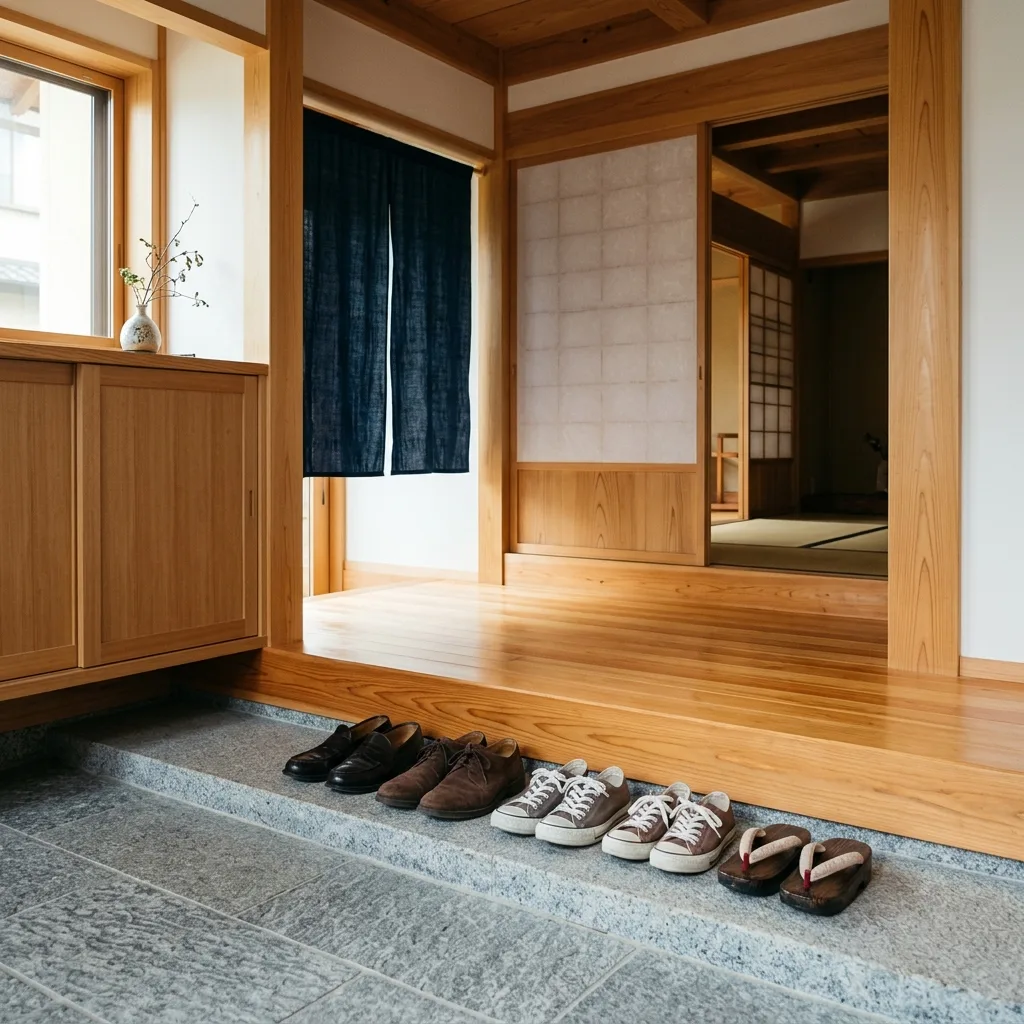
Japan's shoe-off culture is one of those travel rules that sounds simple until you are standing in a genkan with your backpack on, a line of people behind you, and no idea whether to leave your shoes at the door, switch to slippers, or walk straight in. The good news is that the logic behind the rule is consistent. Once you understand why the custom exists, the rest becomes easy to recognize.
Introduction
Shoes-off culture in Japan is less about formality for its own sake and more about keeping indoor spaces clean, comfortable, and respectful. For travelers, that can mean anything from taking off boots at a private home to switching into slippers at a ryokan, temple lodging, or even a traditional restaurant. The rule is not always written down, but the clues are usually visible if you know what to look for.
This guide explains when to remove your shoes in Japan, where the rule applies most strongly, and how to handle the edge cases without feeling awkward. It also covers the practical details most visitors want to know: what a genkan is, why tatami floors change the etiquette, when slippers are provided, and what to do if you are wearing socks with holes or shoes that are inconvenient to remove.
If you are building a broader understanding of local manners, it also helps to read Japanese Culture Guide: Customs, Etiquette, Do’s and Don’ts for Travelers alongside this article. For greetings, Bowing in Japan: Understanding the Rules of Japanese Greeting covers the other half of the interaction. And if your trip includes a stay in a traditional inn, Japan Accommodation Guide: Capsule Hotels, Ryokan & Budget Hostels is the best companion piece.
Why Shoes Come Off in Japan
Shoes come off in Japan because indoor and outdoor space are treated as two different categories of cleanliness. Streets, station platforms, sidewalks, and public walkways are considered the outside world, while homes and certain indoor spaces are protected as clean interiors. The separation is practical as much as cultural. It reduces dirt, protects floors, and preserves tatami, wood, and fabric surfaces that are meant to be walked on barefoot or in indoor footwear.
At a deeper level, the custom reflects the Japanese habit of organizing space by purpose. A home entrance is not just a doorway; it is a transition zone. The genkan marks the point where the outside world ends and the private interior begins. That is why many houses, traditional inns, temples, and schools ask you to remove your shoes before stepping up onto the raised floor.
For travelers, this can feel like a lot of attention for one small action. But the rule becomes intuitive once you notice how many spaces are designed around it. You will often see a lowered entry area for shoes, a raised interior floor, a shoe rack, slippers, and sometimes special slippers for bathrooms. In other words, the environment itself is telling you what to do.
The most useful thing to remember is that the rule is not usually about moral judgment. It is about respect, hygiene, and preserving the condition of the space. If you are polite, observant, and willing to pause at the threshold, you will almost always get it right.
What the Genkan Signals
The genkan is the entryway where shoes are removed before entering an indoor space. It is usually lower than the main floor, so the physical change in height acts as a cue. When you step into a genkan, you are not expected to continue walking inside in your outdoor shoes. Instead, you take them off, turn them toward the exit if appropriate, and step up onto the raised floor in socks or indoor slippers.
That height change matters because it creates a visual boundary. Travelers often miss the cue when they are rushing or distracted, especially in busy group settings. If you remember only one word from this article, make it genkan. It is the clearest signal that you have reached the shoe-off zone.
Why Tatami Changes the Rules
Tatami mats are one of the strongest reasons shoes come off in Japan. They are soft, woven floor coverings that are damaged or dirtied easily by outdoor shoes. They are also part of the room's identity, not just its decoration. A tatami room is often used for sleeping, sitting, tea service, or quiet rest, so stepping on it with outdoor footwear would be both messy and disrespectful.
Even in places where slippers are allowed on wooden or tile floors, shoes are never acceptable on tatami. In some settings, even the wrong kind of slipper can be a problem. The safest habit is simple: if you are stepping onto tatami, remove everything except socks, unless the host tells you otherwise.
Cleanliness Is Social, Not Just Physical
One reason visitors overthink the custom is that they assume it is about germs alone. It is not. Cleanliness in Japan is partly symbolic. Removing shoes shows that you are mindful of the boundary between public and private space. It signals care for the host's home or the venue you are visiting.
That is why the custom extends beyond obvious places like private homes. It appears in settings where clean flooring matters, where guests are expected to be especially considerate, and where the experience itself is meant to feel calm and ordered. Shoes-off behavior is a small act, but it reinforces the whole atmosphere of the room.
Where the Rule Actually Applies
The easiest way to handle shoes off culture in Japan is to think in categories rather than memorizing a thousand individual venues. Some places are almost always shoes-off. Some are context dependent. A few are basically shoes-on unless signage or staff says otherwise. Once you learn the pattern, the decision becomes much faster.
Private Homes
Japanese homes are the most straightforward case. You remove your shoes at the genkan, leave them neatly facing out, and step into the home in socks or house slippers if offered. If the host gives you slippers, use them unless you are heading onto tatami. If there is a bathroom slipper set, switch only when entering the bathroom and switch back afterward.
At a private home, the right behavior is to follow the host's lead rather than improvising. If other guests remove shoes, do the same. If the host says it is fine to keep them on for a moment while carrying luggage or unpacking, obey that instruction and then remove them as soon as appropriate.
Ryokan and Traditional Inns
Ryokan are one of the clearest places where shoes-off etiquette matters. These inns are built around tatami, sliding doors, and a calm, traditional atmosphere. Shoes are usually left at the entrance, and guests move through the building in socks and slippers. The room itself may require socks only, especially if the floor is tatami.
This is one reason ryokan are such a useful cultural experience for first-time travelers. The etiquette is built into the stay, so you learn the rule naturally through the space. If you are booking an inn as part of a larger trip, it is worth comparing the options in Japan Accommodation Guide: Capsule Hotels, Ryokan & Budget Hostels because ryokan behavior is very different from staying in a modern hotel.
Temples and Shrines With Indoor Areas
Many temples, temple lodgings, meditation halls, and associated museums or reception buildings require shoes to be removed before entering certain areas. The rule often applies only to indoor rooms, exhibition spaces, or tatami halls rather than the entire temple complex. That means you might walk around the grounds in outdoor shoes, then remove them before entering a hall or pavilion.
The key is to watch the entryway. If you see signs, a shoe rack, or a staff member indicating where to leave shoes, that is your cue. Temple spaces are especially likely to have a quiet, orderly shoe-off process because the entire environment is designed around reverence and cleanliness.
Schools, Dojos, and Community Spaces
Schools and martial arts spaces often use indoor-only footwear policies. If you are visiting a school, attending a class, or entering a training hall, assume that outdoor shoes are not appropriate unless told otherwise. The same logic can apply to community centers, cultural halls, and some local activity spaces.
The reason is practical. These places are used heavily, they have shared floors, and people are often moving between different rooms. Leaving outdoor dirt at the entrance helps keep the environment functional and clean for everyone.
Traditional Restaurants and Private Dining Rooms
Some restaurants in Japan are modern and casual, with no shoe-off expectation at all. Others, especially those with tatami seating, private rooms, or a more traditional style, will ask you to remove your shoes. If the seating area involves sitting on the floor or stepping onto a raised platform, that is a strong clue.
This is where travelers often hesitate because the venue looks half modern and half traditional. When in doubt, slow down at the entrance and look for shoe racks, slippers, or a host directing guests. If you are still unsure, ask a staff member in a simple way and let them point you in the right direction.
Medical and Wellness Settings
Clinics, small treatment rooms, yoga studios, and some wellness spaces may also have shoe-off rules, depending on the design of the building. The goal is to keep the area hygienic and comfortable. This is especially common in smaller, more traditional facilities than in large modern hospitals.
If you are visiting a place for the first time, do not assume the same rules will apply everywhere. Use the entryway as your guide. A shoe rack, indoor slippers, or a lowered floor area usually means you should stop and check before walking farther.
Where Shoes Usually Stay On
It is just as important to know where not to overthink the rule. Not every Japanese indoor space is shoe-off, and over-removing your shoes can be just as awkward as forgetting to remove them.
Modern Hotels and Business Buildings
Most modern hotels, office buildings, and commercial lobbies do not require shoe removal in the public areas. You enter normally, and only room-specific or traditional sections might have different expectations. A standard hotel room is not the same as a ryokan room, so do not assume that a general hotel stay requires special footwear etiquette.
If your accommodation is a normal hotel, the safest move is to keep your shoes on in common areas until the hotel or your room setup tells you otherwise. If you are staying in a place that blends traditional and modern design, look carefully for cues at the threshold.
Convenience Stores, Malls, and Most Cafes
You can usually keep your shoes on in convenience stores, shopping malls, department stores, and most casual cafes. These are public retail spaces designed for high turnover and everyday traffic. The shoe-off custom is not part of the experience.
Travelers sometimes get confused because Japan can feel highly orderly everywhere. But order does not automatically mean shoe-off. In a normal retail environment, the default is shoes on.
Train Stations and Airports
Transportation hubs are also shoes-on spaces. You are walking through public infrastructure, not entering a private or tatami-based environment. If you are connecting between stations, moving through airport security, or waiting on a platform, keep your shoes on and focus on moving efficiently.
This matters when you are planning a tight transit day. If your trip includes a complex arrival or departure, reading Tokyo in 3 Days: The Perfect First-Time Itinerary can help you understand how much movement happens between neighborhoods and how to plan your footwear for a full day of walking.
The Practical Guide
The practical reality of shoes-off culture in Japan is that the rule is easy when you are prepared and awkward when you are not. The best way to avoid friction is to think like a host. Ask yourself what would make the space easier to keep clean, easier to enjoy, and easier for the next guest to use.
Hours, Admission, and Prices
Shoes-off etiquette itself does not have a price tag or opening hour. It is a behavior rule, not an attraction. But the places where it matters often do have hours, admission rules, and booking policies. Temples, museums, ryokan, and cultural experiences can all operate on very different schedules, so check the official site for any specific venue before you go.
For travelers, the important practical point is this: the rule usually happens at the entrance, so you need to be ready before you step inside. That means easy-to-remove shoes, clean socks, and a little extra time if you are carrying luggage, a stroller, or shopping bags.
What to Wear on Your Feet
Slip-on shoes are the easiest option for Japan if you plan to enter homes, ryokan, or traditional venues. Laces are not a dealbreaker, but they slow you down and make the whole process more annoying. Sneakers with quick-release laces, loafers, or other easy-on, easy-off shoes are ideal.
Socks matter more than many travelers expect. Clean, intact socks are important because you may be barefoot in some indoor spaces, but socks with holes or obvious wear can feel sloppy in a setting that values neatness. If you are visiting in summer and wearing sandals, consider the possibility that you may be asked to remove them often and that your feet will be visible.
How to Handle the Entryway
The cleanest routine is simple. Stop at the threshold, notice whether the floor changes height, and look for shoe racks or slippers. Remove your shoes before stepping onto the raised floor. If there is a basket or shelf, place the shoes neatly. If there is a host, let them guide you.
When you take shoes off, orient them neatly, usually with the toes pointing toward the exit so they are easy to slip back on later. Do not spread them across the entrance or block the path. It is a small detail, but it signals that you understand the shared space.
Slippers, Bathroom Slippers, and Tatami
Many visitors get tripped up by slippers because they are helpful in one room and wrong in another. If house slippers are offered, wear them on hard floors. If the floor changes to tatami, remove them before stepping onto the mats. If the bathroom has separate slippers, use those only in the bathroom and leave them there.
This is one of the most specific unwritten rules in Japan: bathroom slippers should not wander. If you wear bathroom slippers out into the hallway, you are crossing a very obvious boundary in a way that locals will immediately notice. The easiest way to avoid that mistake is to pause and look for the pair waiting at the bathroom door.
What If You Are Wearing Boots or Complicated Shoes
Winter travelers, fashion travelers, and anyone wearing tall boots know this is where the custom gets annoying. The answer is not to ignore the rule; it is to plan around it. If your itinerary includes ryokan, traditional restaurants, or house visits, wear shoes that come off quickly. If you must wear boots, expect to remove them often and give yourself extra time.
It is also worth carrying a small shoe bag if you are concerned about keeping your footwear clean or if you are dealing with wet weather. In rainy season or snow, shoes may be damp and inconvenient to handle. A bag keeps things tidy and makes it easier to move through a house or inn without drips.
What to Do If You Are Unsure
If you are not sure whether to remove your shoes, stop before entering and watch the environment for a few seconds. Shoe racks, raised floors, slippers, and a host indicating the path are all strong clues. If the room looks like a normal modern interior with no obvious threshold, shoes probably stay on.
When uncertainty remains, ask a short, polite question or gesture. In practice, staff will almost always help you. Travelers often worry about offending someone by asking. In reality, asking is much better than guessing wrong and walking into the wrong space with outdoor shoes on.
Tips and Common Mistakes
Even travelers who understand the rule still make small errors because the habit is so different from what many of us are used to. The good news is that most mistakes are easy to avoid once you know the pattern.
Mistake 1: Forgetting That the Entryway Is Part of the Space
The most common mistake is walking too far before taking shoes off. In Japan, the threshold matters. If you reach a genkan, stop there. Do not step onto the main floor while still deciding what to do. That split-second hesitation is usually enough to make the host or staff notice.
Mistake 2: Wearing Worn or Smelly Socks
Your feet are the focus more often than many travelers expect. Clean socks are not a luxury in shoes-off settings; they are part of basic presentation. If you are packing light, add an extra pair or two for days when you expect repeated shoe removal.
Mistake 3: Mixing Up Slippers and Tatami
This is the mistake that makes visitors look visibly unsure. Slippers are useful, but not universal. If you are stepping onto tatami, remove the slippers. If you are entering a bathroom with its own slippers, switch back afterward. Do not carry one pair of indoor slippers everywhere and assume they are always correct.
Mistake 4: Ignoring the Host's Lead
In a home or smaller venue, the host's behavior is the best signal. If they are removing shoes, do the same. If they say shoes are fine for a brief moment, follow their instruction. You do not need to prove that you understand the etiquette perfectly. You need to match the situation.
Mistake 5: Overcompensating in Modern Spaces
Some travelers become so focused on etiquette that they start removing shoes in places where it is unnecessary. That creates its own awkwardness, especially in contemporary restaurants, malls, or hotel lobbies. The goal is not to strip shoes off everywhere. The goal is to recognize the spaces that are clearly designed for it.
Packing Advice That Actually Helps
If you want to make the rule easy, pack as if you expect frequent transitions. Choose socks you would not mind being seen in. Bring shoes that come off quickly. If you are traveling during wet weather, consider a small towel or shoe bag. These tiny preparations save you from fumbling in a doorway.
The same logic applies if your trip includes multiple kinds of lodging. A capsule hotel, business hotel, and ryokan can all have different footwear habits, which is why Japan Accommodation Guide: Capsule Hotels, Ryokan & Budget Hostels is worth pairing with this post before you book.
FAQ
Do I always remove my shoes in Japan?
No. Shoes-off culture applies strongly in homes, ryokan, tatami rooms, some temples, some restaurants, schools, and certain traditional spaces. In many modern public places, you keep your shoes on. The key is to watch the threshold and follow the environment.
What is the fastest way to know if I should take my shoes off?
Look for a genkan, a raised floor, shoe racks, slippers, or a staff member signaling where to enter. If the space seems designed around a clean transition from outside to inside, shoes probably come off there.
Are socks enough, or do I need slippers?
Socks are often enough, especially on tatami or in private homes where the host has not offered slippers. In some places, slippers are provided for hard floors, but those slippers usually do not go onto tatami. If slippers are given, use them only where appropriate.
What should I do with my shoes once I take them off?
Place them neatly near the entrance, usually facing outward so they are easy to put back on. Do not leave them blocking the doorway. If there is a shelf, rack, or designated area, use that instead.
Is it rude to ask about the rule?
Not at all. If anything, asking is better than guessing. A short gesture or simple question is enough. Japanese hosts and staff are used to helping visitors navigate this custom, especially in places that combine modern and traditional design.
Conclusion
Shoes-off culture in Japan is not a mysterious test of etiquette. It is a practical way of protecting indoor spaces, preserving tatami and flooring, and signaling respect for a host or venue. Once you learn to notice the genkan, the raised floor, and the difference between modern public spaces and traditional interiors, the rule becomes second nature.
For most travelers, the best approach is simple: wear easy-to-remove shoes, keep your socks clean, follow the host's lead, and pause at thresholds instead of rushing through them. If you do that, you will handle almost every shoes-off situation correctly without overthinking it.
If you are planning a broader trip to Japan, use this guide alongside a cultural primer and a lodging guide so the etiquette feels connected to the rest of your itinerary. A little preparation makes the experience smoother, more respectful, and much less stressful the moment you arrive at the door.