Soju Cocktails Beyond the Basics: Creative Mixes You Should Try

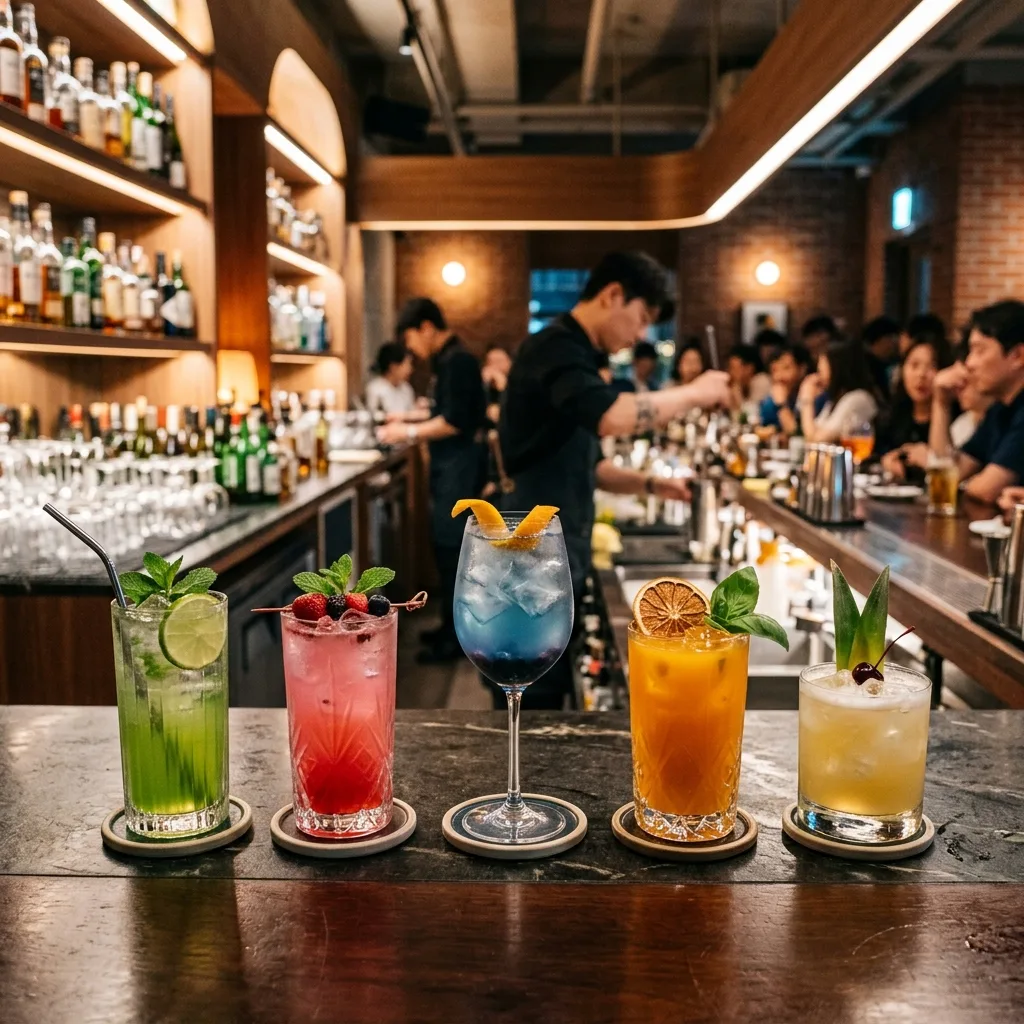
South Korea's national drink, soju, is often enjoyed neat or in its simplest form – the "soju bomb." While there's a certain charm to these traditional methods, the versatile spirit offers a world of untapped potential for creative mixes. If you're looking to elevate your drinking experience beyond the basics and impress your friends with inventive concoctions, you've come to the right place. This guide will take you on a journey through imaginative soju cocktail recipes that are both easy to make and delightful to drink, perfect for any traveler seeking a unique taste of Korean nightlife.
Introduction
For many visitors to South Korea, their first encounter with soju, the clear, potent rice spirit, is often in its purest form or as part of a lively soju bomb. While these methods are undeniably popular and deeply embedded in Korean drinking culture, they only scratch the surface of what soju can truly offer. This article aims to transform your perception of soju, moving beyond the familiar green bottle to explore a vibrant world of cocktails that showcase its adaptability. You'll learn how to craft refreshing and innovative soju-based drinks that blend traditional Korean flavors with modern mixology, offering a sophisticated twist to your culinary adventures in Korea.
Beyond the Soju Bomb: Understanding Soju's Versatility
Soju, with its relatively neutral flavor profile and lower alcohol content compared to many Western spirits, makes an excellent base for a wide array of cocktails. Its subtle sweetness and clean finish allow it to complement various fruits, mixers, and even savory elements without overpowering them. Understanding this versatility is the first step to unlocking its full potential as a cocktail ingredient. Forget the burning aftertaste; with the right combinations, soju can be transformed into a refreshing, elegant, or even exotic drink.
The Science of Soju Pairing: What Works Best?
When crafting soju cocktails, consider its inherent characteristics. Lighter, fruitier sojus (like those flavored with grapefruit or peach) lend themselves well to bright, citrusy, and bubbly mixes. Original soju, with its more pronounced alcoholic kick, can stand up to stronger flavors like ginger, mint, or even spicy elements. The key is balance – allowing the soju to shine while enhancing it with complementary notes. Popular pairings often include:
- Citrus: Lemon, lime, grapefruit, orange (for a zesty kick)
- Berries: Strawberry, raspberry, blueberry (for sweetness and color)
- Tropical Fruits: Pineapple, mango, passion fruit (for an exotic flair)
- Herbs: Mint, basil, rosemary (for aromatic complexity)
- Carbonation: Seltzer, tonic water, soda (to lighten and add fizz)
- Sweeteners: Honey, simple syrup, agave nectar (to balance tartness)
Creative Soju Cocktail Recipes: Mixes You Should Try
1. The Korean Paloma (Soju + Grapefruit)
A refreshing twist on the classic Mexican Paloma, this cocktail highlights soju's affinity for grapefruit. The original Paloma, often made with tequila, grapefruit soda, and lime, is a beloved drink for its crisp and invigorating qualities. When soju steps in, its lighter body and subtle sweetness create an even smoother, less assertive profile, allowing the bright notes of grapefruit and lime to truly sing. It's a remarkably balanced drink, offering a delightful blend of tart, sweet, and effervescent sensations, making it an ideal choice for a hot summer evening or as a lively aperitif.
Ingredients:
- 2 oz (60ml) Original Soju
- 4 oz (120ml) Fresh Grapefruit Soda (or grapefruit juice + seltzer)
- 0.5 oz (15ml) Fresh Lime Juice
- Pinch of Salt (optional, for rimming)
- Grapefruit slice and a sprig of rosemary for garnish
Instructions:
- If desired, rim a highball glass with salt. This classic touch enhances the overall flavor profile by adding a savory counterpoint to the tartness of the grapefruit.
- Fill the glass with ice. Use large, clear ice cubes if possible to minimize dilution.
- Add soju and lime juice. Ensure the measurements are precise for the best balance.
- Top with grapefruit soda. For a less sweet version, use fresh grapefruit juice and top with plain seltzer, adjusting sweetness with a splash of simple syrup if needed.
- Stir gently to combine. Over-stirring can reduce carbonation.
- Garnish with a grapefruit slice and rosemary. The rosemary adds an aromatic complexity that beautifully complements the citrus.
Pro Tip: For an extra layer of flavor, infuse your soju with grapefruit peel for a few hours or overnight. This intensifies the citrus notes without adding bitterness.
2. Soju Mojito Fusion (Soju + Mint + Lime)
This vibrant cocktail marries the crispness of a traditional Mojito with the smooth kick of soju. The classic Cuban Mojito is renowned for its invigorating combination of fresh mint, lime, sugar, and rum. By substituting rum with soju, we create a lighter, more refreshing version that retains all the aromatic charm of the original but with a distinctly Korean touch. Soju’s cleaner profile allows the mint and lime to truly pop, making this an incredibly refreshing and fantastic way to enjoy soju in a familiar, yet exciting, format. It's perfect for warm weather or as a palate cleanser before a meal.
Ingredients:
- 2 oz (60ml) Original Soju
- 8-10 Fresh Mint Leaves
- 0.75 oz (22ml) Fresh Lime Juice
- 0.5 oz (15ml) Simple Syrup (or to taste)
- Soda Water
- Lime wedges and mint sprig for garnish
Instructions:
- In a sturdy glass, gently muddle the mint leaves with lime juice and simple syrup. Be careful not to over-muddle; you just want to release the oils from the mint without bruising them, which can lead to a bitter taste.
- Add soju and fill the glass with ice. Ensure the glass is packed with ice to keep the drink cold and reduce dilution.
- Top with soda water. The amount can be adjusted based on your preference for fizziness.
- Stir briefly. A gentle stir is enough to combine the ingredients without losing too much carbonation.
- Garnish with lime wedges and a fresh mint sprig. A gentle slap of the mint sprig against your palm before garnishing can release more aroma.
Pro Tip: For a slightly sweeter and more complex flavor, try using a flavored soju like peach or green grape in place of original soju. You can also experiment with different types of mint, such as spearmint or peppermint, for subtle variations in aroma and taste.
3. Tropical Soju Sunrise (Soju + Pineapple + Grenadine)
Bring a touch of the tropics to your soju experience with this colorful and sweet cocktail, a vibrant homage to the classic Tequila Sunrise. The original cocktail is famous for its layered appearance, mimicking a sunrise, and its sweet, fruity profile. When soju is used as the base, it contributes a lighter, more refreshing quality that perfectly complements the tropical fruit juices. The layers of vibrant fruit flavors make it an instant crowd-pleaser, visually stunning and deliciously sweet, ideal for a festive gathering or a personal escape to paradise.
Ingredients:
- 2 oz (60ml) Flavored Soju (Pineapple or Peach work well, but original can also be used)
- 4 oz (120ml) Pineapple Juice
- 1 oz (30ml) Orange Juice
- 0.5 oz (15ml) Grenadine
- Orange slice and a cherry for garnish
Instructions:
- Fill a highball glass with ice. The more ice, the better the layering effect.
- Add soju, pineapple juice, and orange juice. Stir these ingredients gently to combine.
- Gently pour grenadine down the side of the glass. The grenadine is denser than the juices and soju, so it will sink to the bottom, creating the beautiful "sunrise" effect as it gradually diffuses upwards.
- Do not stir after adding grenadine if you want to maintain the distinct layers.
- Garnish with an orange slice and a cherry. A small paper umbrella can further enhance the tropical vibe.
Pro Tip: For a slightly tart counterpoint and to cut through the sweetness, add a splash of fresh lime juice to the soju and fruit juice mixture before adding the grenadine. You can also experiment with other fruit-flavored sojus like mango or lychee for different tropical profiles.
4. Soju Melon Delight (Soju + Melon Milk + Seltzer)
Inspired by the ubiquitous and beloved Korean melon milk (like Binggrae Melona Milk), this cocktail is a creamy, subtly sweet, and wonderfully unique dessert drink that's surprisingly light. The original melon milk is a nostalgic flavor for many Koreans, and combining it with soju creates a playful, adult version that taps into that comforting sweetness. Soju's clean profile prevents the drink from becoming overly cloying, allowing the distinctive, refreshing taste of melon to take center stage. It's a perfect choice for those who enjoy sweeter, creamier cocktails or are looking for something truly different.
Ingredients:
- 2 oz (60ml) Original Soju
- 3 oz (90ml) Korean Melon Milk (e.g., Binggrae Melona Milk)
- 1 oz (30ml) Seltzer or Sparkling Water
- Melon ball or small mint sprig for garnish
Instructions:
- Fill a glass with ice. A chilled glass enhances the creamy texture.
- Add soju and melon milk. Stir well to ensure the soju is thoroughly mixed with the milk.
- Top with seltzer or sparkling water. This adds a delightful effervescence that cuts through the creaminess and makes the drink feel lighter.
- Stir gently.
- Garnish with a melon ball or a small mint sprig. The mint adds a contrasting fresh aroma.
Pro Tip: For an even richer, milkshake-like texture, blend the soju and melon milk with a scoop of vanilla ice cream before adding the seltzer. You can also experiment with a splash of coconut milk for an additional layer of tropical creaminess.
5. Soju Berry Bliss (Soju + Mixed Berries + Sparkling Wine)
An elegant and effervescent cocktail, perfect for celebrations, this "Soju Berry Bliss" offers a sophisticated way to enjoy soju. It draws inspiration from classic sparkling wine cocktails like the Kir Royale or Bellini, but with a vibrant, berry-infused soju twist. The fresh berries provide a natural sweetness, beautiful color, and a subtle tartness that perfectly complements the soju and the dry sparkle of the wine. It's a fantastic option for brunches, parties, or any occasion that calls for something a little fancy and incredibly refreshing.
Ingredients:
- 1.5 oz (45ml) Original or Berry-Flavored Soju
- 0.5 cup Mixed Berries (strawberries, raspberries, blueberries), muddled
- 0.5 oz (15ml) Fresh Lemon Juice
- Sparkling Wine or Prosecco (dry or brut recommended)
- Fresh berries for garnish
Instructions:
- In a shaker, gently muddle the mixed berries. You want to extract their juices and flavors without completely pulverizing them.
- Add soju, fresh lemon juice, and ice to the shaker.
- Shake well until thoroughly chilled, typically for about 15-20 seconds.
- Double strain the mixture into a chilled champagne flute or coupe glass. Double straining ensures a smooth, seed-free consistency.
- Top with sparkling wine or Prosecco. Pour slowly to maintain the effervescence.
- Garnish with fresh berries. A single raspberry or a small skewer of mixed berries makes for an elegant presentation.
Pro Tip: To create a beautiful frozen slushy version, blend the muddled berries, soju, and lemon juice with a cup of ice until smooth, then pour into glasses and top with sparkling wine for a frosty treat. For a non-alcoholic variation, substitute soju with sparkling water or a berry-flavored syrup.
6. Soju & Makgeolli Spritzer (Soju + Makgeolli + Cider)
For those who enjoy traditional Korean beverages and are looking for a deeper dive into authentic flavors, this spritzer offers a harmonious blend of sweet, tangy, and subtly alcoholic notes. It ingeniously combines soju with makgeolli, the milky, slightly effervescent Korean rice wine, and adds a touch of sparkling cider for an extra layer of fizz and fruitiness. Makgeolli itself has seen a resurgence in popularity, appreciated for its unique cloudy appearance, creamy texture, and probiotic benefits. When paired with soju and cider, it creates a fascinating and delightful drink that is truly unique to Korean mixology, perfect for savoring alongside traditional Korean meals or as a refreshing standalone.
Ingredients:
- 1.5 oz (45ml) Original Soju
- 2 oz (60ml) Makgeolli (chilled)
- 3 oz (90ml) Sparkling Apple Cider (or plain apple cider + seltzer)
- Apple slice for garnish
Instructions:
- Fill a short glass with ice. The drink is best served very cold.
- Add soju and makgeolli. Stir gently to combine the two Korean spirits.
- Top with sparkling apple cider. This introduces a bright, crisp apple flavor and the necessary carbonation.
- Stir gently. Do not over-stir, as makgeolli can lose its natural carbonation easily.
- Garnish with an apple slice. A thinly sliced fanned apple makes for an attractive and relevant garnish.
Pro Tip: Experiment with different brands of makgeolli, as their sweetness and tartness can vary significantly. Some makgeolli has a more pronounced tartness that pairs wonderfully with sweeter ciders, while sweeter makgeolli might benefit from a drier, less sweet cider or even plain seltzer to balance it out. A splash of ginger ale instead of cider can also add a spicy kick.
Practical Guide: Sourcing Ingredients and Making Your Own
Making these soju cocktails is surprisingly easy, even for novice mixologists. The ingredients are readily available in most Korean grocery stores or Asian markets worldwide.
Where to Find Soju and Korean Mixers
Sourcing the right ingredients is key to making delicious soju cocktails. Fortunately, soju and many Korean mixers are becoming increasingly accessible globally.
- Soju: This staple is widely available. In South Korea, you'll find it in virtually every convenience store, supermarket, and liquor shop. Outside of Korea, look for soju in dedicated liquor stores, large international supermarkets, or specialized Asian grocery stores. Popular brands to look for include Chamisul, Chum Churum, and Good Day. Don't hesitate to explore the wide range of flavored sojus (grapefruit, peach, green grape, plum, etc.), as these can be fantastic shortcuts to adding fruit flavor to your cocktails.
- Korean Melon Milk: Brands like Binggrae Melona Milk are iconic and can be found in the refrigerated dairy section of most Korean or larger Asian supermarkets. If you can't find it, a combination of regular milk and melon syrup or a small amount of blended fresh melon can be a makeshift alternative, though the authentic flavor will be hard to replicate.
- Makgeolli: This cloudy, sweet, and tangy rice wine is typically found in the refrigerated section of Korean grocery stores, due to its live cultures. Kooksoondang is a very popular and widely available brand. If unavailable, while not a direct substitute, a very mild, slightly sweet sake could offer a vague textural resemblance, but the flavor profile will be distinctly different.
- Fresh Produce: Your local standard grocery store will be the best source for fresh fruits like lemons, limes, oranges, grapefruits, various berries, pineapples, and herbs such as mint and rosemary. Always prioritize fresh over frozen or pre-packaged juices for the best flavor.
Essential Bar Tools (Optional but Recommended)
While many of these soju cocktails can be made with basic kitchen utensils, investing in a few essential bar tools can significantly elevate your home mixology experience. They ensure precision, proper chilling, and professional presentation.
- Shaker: A fundamental tool for cocktails that need to be thoroughly chilled and combined. Both Cobbler shakers (three-piece with a built-in strainer) and Boston shakers (two-piece, requiring a separate strainer) work well. Alternative: If you don't have a shaker, a Mason jar with a tight-fitting lid can work in a pinch.
- Muddler: Used for gently crushing fresh fruits and herbs to release their juices and aromatic oils. Avoid over-muddling, which can extract bitterness. Alternative: The back of a wooden spoon or a sturdy rolling pin can serve as a makeshift muddler.
- Jigger/Measuring Spoons: Precision is key in mixology. Jiggers are dual-sided measuring cups, typically measuring 0.5 oz and 1 oz, or 1 oz and 2 oz. Alternative: Standard kitchen measuring spoons are perfectly adequate for smaller measurements.
- Strainer: Essential for removing muddled solids, ice shards, and pulp from your cocktail before serving. A Hawthorne strainer (with a spring) is ideal for shakers, while a julep strainer fits well over mixing glasses. Alternative: A small kitchen sieve or even a slotted spoon can work, though less efficiently.
- Long Spoon: Ideal for stirring cocktails in tall glasses, particularly for layered drinks or those that don't need shaking. Alternative: Any long spoon can work, but a bar spoon's twisted handle also aids in layering ingredients.
- Citrus Juicer: For fresh citrus juice, a hand-held citrus juicer or reamer is indispensable. Alternative: Squeeze citrus by hand, being careful to catch any seeds.
- Ice Mold: While not strictly essential, large ice cubes or spheres melt slower, diluting your drink less. Alternative: Regular ice cubes from your freezer are perfectly fine.
Tips & Common Mistakes: Mastering Your Soju Mixology
Embarking on your soju cocktail journey can be incredibly rewarding, but a few pointers can help you avoid common pitfalls and enhance your creations.
Don't Overpower the Soju
Soju has a delicate flavor profile, often characterized by its subtle sweetness and clean, smooth finish. This makes it less assertive than many Western spirits like vodka, gin, or whiskey, which boast more pronounced botanical, juniper, or smoky notes. The biggest mistake beginners make when crafting soju cocktails is to overwhelm this subtle base with overly strong or abundant mixers. Instead of masking the soju, aim to complement it. Think of soju as a canvas that you are painting with flavors, rather than a flavor you need to hide. Balance is paramount; the soju should always have a discernible presence, acting as a harmonious bridge between your chosen ingredients. This often means using slightly less of potent additions or opting for milder flavor combinations.
Use Fresh Ingredients
This cannot be stressed enough: the quality of your ingredients directly translates to the quality of your cocktail. Freshly squeezed juices from ripe fruits and vibrant, healthy herbs make a world of difference in the taste, aroma, and overall enjoyment of your soju cocktails. Avoid artificial fruit juices, concentrated syrups, or wilting mint leaves. While convenience might be tempting, pre-bottled juices often contain added sugars, preservatives, and lack the bright, nuanced flavors of fresh produce. Taking a few extra minutes to squeeze a lemon or lime, or to gently muddle fresh berries, will elevate your drinks from mediocre to memorable. The subtle nuances of soju are best paired with equally fresh and natural flavors.
Experiment with Flavored Soju
While original, unflavored soju provides a versatile blank canvas for mixology, don't shy away from the vibrant world of flavored sojus. These pre-infused spirits can be a fantastic shortcut to building complex and delicious cocktails, often reducing the need for additional syrups, fruit purees, or extensive muddling. Brands like Chamisul and Chum Churum offer a wide array of fruit-flavored sojus, including grape, peach, green grape, plum, and strawberry. Each flavor brings its own unique character to a cocktail. For instance, a green grape soju can form the base of a refreshing spritzer with just a splash of soda water and a lime wedge, or a peach soju can elevate a simple iced tea into a delightful adult beverage. When experimenting, consider the existing flavor profile of the soju and how it might harmonize or contrast with your chosen mixers. This approach can simplify the cocktail creation process while yielding surprisingly sophisticated results.
Adjust Sweetness to Your Liking
Korean beverages, including many sojus, can lean towards the sweeter side, which is a key characteristic of much of Korean cuisine. This natural sweetness can be a blessing or a challenge when crafting cocktails. Always taste as you go, especially when working with new recipes or ingredients. The sweetness of fruits, juices, and even the soju itself can vary. To control sweetness, consider using simple syrup (a 1:1 mixture of sugar and water) rather than granulated sugar, as it dissolves more easily. You can also experiment with alternative sweeteners like agave nectar or honey, which offer different flavor nuances. For drinks that are too sweet, a splash of fresh lemon or lime juice can often cut through the sugar and restore balance. Conversely, if a drink is too tart, a small addition of simple syrup or a sweeter fruit juice can round it out. Remember, your palate is the ultimate guide.
Chill Your Ingredients and Glasses
The temperature of your cocktail significantly impacts its taste and enjoyment. A well-chilled cocktail is a delicious cocktail. Conversely, a lukewarm drink can taste diluted and less vibrant. Pre-chilling your soju, mixers, and especially your glasses before mixing is a simple yet crucial step that ensures a refreshing experience from the first sip to the last. Cold ingredients require less ice to chill down, minimizing dilution and preserving the integrity of your flavors. Storing your soju and common mixers in the refrigerator, and placing your serving glasses in the freezer for 10-15 minutes before use, can make a noticeable difference in the quality of your finished drink. For drinks built directly in the glass, consider adding ice and letting it sit for a minute or two, then pouring out any melted water before adding your ingredients.
Beyond the Bar: Soju Cocktail Culture in Korea
While this guide focuses on crafting creative soju cocktails at home, it's worth understanding the broader context of soju consumption in Korea and how its cocktail culture is evolving. Traditionally, soju has been a drink of communal bonding, often consumed neat in shots alongside meals or during lively gatherings. The "soju bomb" (soju dropped into beer) remains a popular party starter, symbolizing a shared experience.
However, in recent years, there's been a noticeable shift in Korean drinking habits, particularly among younger generations and in trendier urban centers like Seoul. Mixology, once dominated by Western spirits, has embraced soju as a legitimate and exciting base. Upscale bars and speakeasies are now featuring sophisticated soju-based concoctions on their menus, incorporating traditional Korean ingredients like omija (magnolia berry), yuzu (citrus fruit), or even gochujang (fermented chili paste) to create truly unique flavors. This trend reflects a growing appreciation for soju's versatility and a desire to elevate its status beyond a mere companion to food. It's a testament to Korea's dynamic culinary and beverage scene, where tradition is constantly being reinterpreted through a modern lens. Experiencing these innovative soju cocktails in Korea can be an adventure in itself, offering a delicious insight into the country's evolving nightlife.
FAQ: Your Soju Cocktail Questions Answered
Q1: Is soju very strong?
A1: Soju typically ranges from 15% to 25% ABV (alcohol by volume), making it significantly less potent than most vodkas, gins, or whiskeys (which are usually around 40% ABV). However, it is stronger than most beers (typically 4-6% ABV) and wines (typically 10-14% ABV). The cultural context is important here: because it's often consumed neat and quickly, especially in social settings, its relatively smooth taste can sometimes mask its alcohol content, leading people to underestimate its effects. It's often referred to as a "friendly" drink due to its lower ABV compared to hard liquor, but responsible consumption is still key. The good news for cocktail enthusiasts is that this moderate alcohol content makes soju an excellent base for lighter, more refreshing mixed drinks where you want to enjoy multiple servings without excessive intoxication.
Q2: Can I substitute other spirits for soju in these recipes?
A2: While you certainly can substitute other spirits, it's important to understand that the unique mildness, subtle sweetness, and slightly lower alcohol content of soju contribute significantly to the overall character and balance of these specific cocktails. If you use a different spirit, the drink will taste different. Vodka would be the closest substitute in terms of a neutral spirit base, but it typically has a higher ABV (around 40%), which will result in a drier, more alcoholic taste and a cocktail with a stronger kick. Gin would introduce juniper and botanical notes, completely changing the flavor profile. Rum or tequila would bring their own distinct characteristics, pushing the cocktail far from its intended soju-centric design. If soju is unavailable, and you must substitute, choose a spirit with a relatively neutral flavor. However, for the authentic experience, seeking out soju is highly recommended. Alternatively, you can adapt many classic cocktail recipes to incorporate soju by reducing the amount of stronger spirits and adjusting mixers to suit soju's lighter touch.
Q3: What's the difference between soju and shochu?
A3: Soju and shochu are indeed often confused due to their similar names, transparent appearance, and the fact that both are distilled spirits popular in East Asia. However, they originate from different countries and have distinct characteristics. Soju is the national spirit of Korea. Traditionally, it was made from rice, but in the mid-20th century, due to rice shortages, many producers switched to other starches like wheat, barley, sweet potatoes, or tapioca. Modern soju typically has an ABV ranging from 15% to 25%, making it milder than most Western hard liquors. It's often characterized by a clean, slightly sweet, and relatively neutral taste, though traditional, higher-proof soju (like Andong Soju) can be more complex. Soju is deeply ingrained in Korean social culture, enjoyed neat, as a shot, or mixed into beer (soju bomb).
Shochu, on the other hand, is a Japanese distilled spirit. It boasts a much wider variety in its production, as it can be made from a diverse range of primary ingredients including sweet potato (imo shochu), barley (mugi shochu), rice (kome shochu), buckwheat (soba shochu), and even sugar cane. This variety in base ingredients leads to a much broader spectrum of flavors and aromas for shochu, from earthy and robust to floral and delicate. Shochu also generally has a higher ABV than soju, typically ranging from 25% to 45%. It can be enjoyed neat, on the rocks, mixed with water (hot or cold), or in cocktails. While both are clear spirits, their nuances in production, flavor profile, and cultural consumption set them apart.
Q4: Are there non-alcoholic soju cocktails?
A4: Absolutely! The beauty of many of these soju cocktail recipes lies in their vibrant, fresh, and often fruity flavor profiles, which can be enjoyed even without the alcohol. You can easily create delicious virgin versions (mocktails) by simply omitting the soju from the recipes. The key is to focus on maximizing the flavor from your other ingredients. For instance, in a "Soju Mojito" mocktail, you can increase the amount of muddled mint and lime, and perhaps add a splash of non-alcoholic lime cordial for extra depth. For the "Tropical Soju Sunrise," simply combine the pineapple and orange juices with grenadine. For the "Soju Melon Delight," the melon milk itself is the star. These mocktails are perfect for designated drivers, those who prefer not to drink alcohol, or anyone looking for a refreshing and flavorful beverage. You can also experiment with non-alcoholic spirits or botanical extracts to mimic some of the complexity that alcohol provides.
Q5: How long do homemade soju cocktails last?
A5: For optimal taste, freshness, and effervescence, it's always best to consume freshly made cocktails immediately. The delicate flavors of fresh juices and herbs can degrade quickly, and carbonated mixers will lose their fizz over time. However, if you're planning a gathering and wish to prepare ahead, you can pre-batch certain components of your cocktail. For instance, mix the soju, non-carbonated juices, and syrups together and store this mixture in a tightly sealed container in the refrigerator for up to 1-2 days. Crucially, do not add ice or carbonated mixers (like seltzer, soda, or sparkling wine) until just before serving. Adding ice prematurely will lead to excessive dilution as it melts, and carbonation will simply dissipate, leaving your drink flat. Always add fresh ice and carbonated elements just as you're about to serve for the best possible experience. The shelf life can also depend on the ingredients; cocktails with fresh dairy or muddled fruits will have a shorter lifespan than those with just spirits and juices.
Conclusion
Moving beyond the basic soju bomb opens up a world of exciting and delicious possibilities for enjoying South Korea's beloved national drink. From the tangy Korean Paloma to the refreshing Soju Mojito Fusion, these creative mixes demonstrate just how versatile soju can be. By understanding its pairing potential and experimenting with fresh, complementary ingredients, you can transform your soju experience from simple shots to sophisticated sips. So grab your shaker, gather your ingredients, and start crafting your next favorite drink. Cheers to exploring the vibrant and unexpected flavors of Korean mixology! For more insights into Cheers to That: The Ultimate Guide to Korean Drinking Culture, including essential etiquette tips, be sure to check out our comprehensive guide. If you're planning a trip, don't forget to explore 7 Essential Apps for Traveling in South Korea (2025 Edition) to enhance your journey. And for those eager to dive deeper into A Foodie's Guide to South Korea: 10 Dishes & Markets You Can't Miss, we have plenty of recommendations to satisfy every palate.