Cheers to That: The Ultimate Guide to Korean Drinking Culture

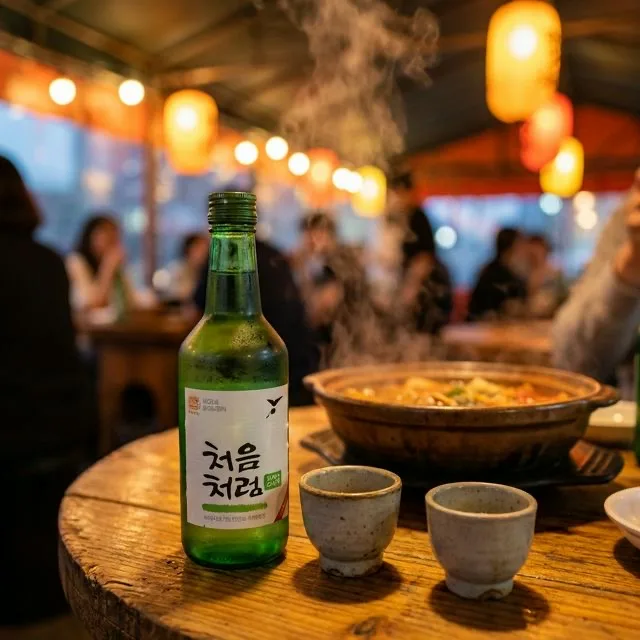
In Korea, alcohol is not just a tasty beverage consumed at the end of a long day; it is the ultimate social glue. There is a common saying that you do not truly know someone until you have shared a bottle of Soju with them.
Whether it is a lively corporate "Hoesik" (company dinner) in Gangnam or an energetic Friday night out with university students in Hongdae, drinking culture is deeply woven into the fabric of everyday life in South Korea. However, unlike grabbing a casual pint in a Western pub, drinking here comes with a complex set of unwritten rules, etiquette dictating respect and age hierarchy, and a mandatory pairing with delicious side dishes known as "Anju."
Knowing these rules of the game will save you from major cultural faux pas, prevent embarrassing moments, and, most importantly, help you survive the inevitable terrible hangover the next day. Here is your definitive survival manual to drinking in Korea.
1. The Strict Etiquette: Showing Respect
The Confucian hierarchy of age and status applies heavily to drinking in Korea. Even a one-year age difference dictates a change in how you pour, hold, and drink your glass.
Never Pour Your Own Drink
In many Western countries, topping up your own glass is polite. In Korea, it is considered incredibly bad luck—superstition says that if you pour your own drink, you will sit opposite your spouse for three years (meaning romantic misfortune). Always wait for someone else to notice your glass is empty and fill it. Conversely, you must rigorously watch the glasses of your seniors and friends. If their glass is less than halfway full (or completely empty, depending on the specific group's style), you should offer to top them up.
The "Two-Hand" Pour and Receive
When interacting with an elder or a superior (like your boss), use both hands.
- To Pour: Hold the bottle with your right hand, and lightly support your right elbow or wrist with your left hand.
- To Receive: Hold your small shot glass with your right hand and place your left hand gently under your right wrist or the bottom of the glass. Bow your head very slightly as the drink is poured.
The "Head Turn" Rule
This is the rule that catches most foreigners off guard. When drinking a shot with someone significantly older or higher in status, it is considered impolite to make direct eye contact or face them while swallowing. You should turn your head slightly away (usually to the side) and cover your mouth and the glass with your free hand while taking the sip.
The Art of Refusing
In strict traditional settings, it is considered extremely rude to flatly refuse a drink offered by an elder. However, Korea is modernizing, and forcing people to drink is increasingly frowned upon. If you cannot or do not want to drink, the polite compromise is to accept the glass, let them pour the alcohol into it, and simply touch the glass to your lips for a tiny sip before placing it back down. You do not have to finish it.
2. The Drink Menu: What Are You Ordering?
If you walk into a typical Korean BBQ restaurant or a "Pojangmacha" (street tent), the menu will have a few staple categories that you must know.
Soju (The Green Bottle)
Soju is the undisputed king of Korean alcohol. It is the best-selling liquor brand in the world by volume. Historically distilled from rice, modern commercial Soju (the cheap ones in the green bottles) is mostly made from sweet potatoes and tapioca.
- The Taste: It tastes akin to a slightly sweeter, watered-down vodka.
- The Danger: Sitting at roughly 16% ABV and costing around $4 a bottle at a restaurant (or $1.50 at a convenience store), it goes down incredibly smoothly with food but hits you incredibly fast.
- Trends: Currently, "Zero Sugar" Soju versions (like the brand Saero or Jinro Is Back Zero) are dominating the market due to a massive health and wellness trend among young Koreans.
Maekju (Korean Beer)
Domestic Korean beers (brands like Cass, Terra, and Kelly) are typically light, crisp lagers. While craft beer snobs might find them lacking in complex flavor profiles, they are entirely designed to be highly carbonated palate cleansers meant to be drunk alongside heavy, spicy, or greasy food.
Somaek (The Atomic Bomb)
If Soju is too harsh and Beer is too weak, the solution is Somaek (Soju + Maekju). This is a shot of Soju dropped into a glass of beer.
- The Golden Ratio: The standard mix is 3 parts Soju to 7 parts Beer.
- The Mix: Usually, the youngest person at the table is tasked with mixing the Somaek. They will pour the mix and vigorously stab a chopstick into the center of the glass, creating a mini tornado that froths the beer head and perfectly blends the alcohol.
Highballs
The latest obsession, particularly among Gen Z and Millennials, is the Highball. Heavy whiskey drinking is expensive, but mixing a moderate amount of whiskey (often Japanese Suntory or Jim Beam) with highly carbonated soda water, ice, and flavored syrups has taken Seoul by storm. Earl Grey Highballs are currently the most popular variation found in trendy Izakayas in Hongdae and Itaewon. If you love craft beer over cocktails, Seoul's thriving microbrewery and taproom scene is well worth exploring.
Makgeolli (Rice Wine)
This is Korea’s oldest alcohol. It is a milky, off-white, lightly sparkling rice wine with a sweet and slightly tangy flavor (around 6-8% ABV). It is traditionally served in a metal or wooden bowl and ladled out into smaller drinking bowls.
3. Anju: Food Made for Alcohol
Drinking an alcoholic beverage on an empty stomach is considered amateur hour in Korea. You almost never order drinks without ordering "Anju" (food specifically meant to be consumed with alcohol). Different alcohols demand different Anju pairings.
Samgyeopsal (Pork Belly) + Soju
The greasy, savory flavors of thick-cut grilled pork belly perfectly cut through the harsh, sharp alcoholic bite of a cold shot of Soju. This is the quintessential Korean dining experience.
Chimaek (Fried Chicken + Beer)
A legendary portmanteau of "Chicken" and "Maekju". Korean fried chicken—whether it is crispy original, drenched in sweet and spicy Yangnyeom sauce, or sprinkled with cheese powder—is always paired with icy cold draught beer and a side of pickled radishes. For the full late-night food experience, our guide to the best 24-hour restaurants and markets in Seoul has you covered.
Pajeon (Scallion Pancake) + Makgeolli
There is a fascinating cultural phenomenon in Korea where, on heavily rainy days, Makgeolli bars will be packed to the brim. The sound of rain hitting the pavement is said to mimic the sound of a crispy, savory scallion and seafood pancake sizzling in a pan. The sweet, earthy taste of the rice wine complements the greasy, savory pancake perfectly.
4. Sul-Game: The Ice Breaking Drinking Games
If the atmosphere at the table lags, especially among university students, someone will inevitably initiate a "Sul-Game" (alcohol game) with a rhythmic chant. These games are fast-paced and designed to get people drinking quickly.
- Titanic: A shot glass is carefully floated in a half-filled beer glass. Everyone takes turns pouring an infinitesimally small amount of Soju into the shot glass. The tension rises as the shot glass sinks lower. Whoever pours the drop that finally sinks the "Titanic" must drink the entire mixed glass.
- Baskin Robbins 31: Players sit in a circle and take turns saying up to three consecutive numbers, starting from 1 (e.g., Person A says "1", Person B says "2, 3", Person C says "4, 5, 6"). The objective is to avoid being the person forced to say the number "31". The loser drinks a penalty shot.
- The Bottle Cap Toss: When opening a bottle of Soju, the thin metal strip attached to the cap is twisted into a straight, stiff tail. Players take turns flicking the tail with their finger. Whoever snaps the tail off entirely makes everyone else at the table drink.
5. The Morning After: Haejang (Hangover Cures)
So, you failed to refuse a few shots, played too many rounds of Titanic, and woke up with a pounding headache. Do not worry; Korea has an entire culinary sector dedicated to bringing you back to life.
Haejang-guk (Hangover Soup)
This translates literally to "soup to chase a hangover." These are piping hot, heavily seasoned broths designed to make you sweat out the toxins.
- Pyeo Haejang-guk: A spicy pork bone soup rich with tender meat and wilted cabbage leaves.
- Kongnamul Gukbap: A clear, refreshing bean sprout soup that is significantly lighter on the stomach if you cannot handle spice in the morning.
Convenience Store Cures
If you enter a GS25 or CU convenience store, look near the cash register or in the refrigerated drinks section for small, brightly colored bottles. These are concentrated hangover cure drinks (popular brands include Condition, Dawn 808, and Morning Care) filled with Oriental raisin tree extract and vitamins. Locals usually chug one of these before the drinking starts, and sometimes another one afterwards.
Alternatively, a very common and effective cure among young Koreans is drinking a carton of sweet Chocolate Milk to soothe the stomach and spike blood sugar levels.
6. MZ Generation Trends (2025-2026): The Era of "Moderation & Value"
The younger generations (Millennials and Gen Z) in Korea have radically shifted the drinking landscape. The days of forced "one-shot" culture are fading, replaced by a focus on "Value Consumption" and "Affordable Luxury."
The "Real Ingredient" Highball Surge
While whiskey highballs have been popular for years, 2026 is the year of the "Real Ingredient Highball." These are RTD (Ready-to-Drink) or hand-mixed cocktails featuring actual slices of lemon, grapefruit, or even whole berries inside the glass.
- Instagram Factor: The visual appeal is as important as the taste. Look for "Visual Highballs" in areas like Seongsu-dong and Yeonnam-dong.
The Hybrid Drink: Maltoseon and Ujjureu
Young Koreans are master mixologists.
- Maltoseon: A mix of Malibu rum and Soju—tastes like a tropical vacation but hits like a Korean night out.
- Ujjureu: A colorful mix of "Uju" (Universe) candies dissolved in Soju and Sprite, creating a shimmering, galaxy-like drink.
7. The Traditional Liquor (Sool) Revival
There is a powerful movement to reclaim and modernize Korea’s ancient brewing traditions.
The Sool Gallery Experience
Located in Insadong, the Sool Gallery is the center of this revival. You can take guided tasting tours of premium Makgeolli, Yakju (clear rice wine), and Soju distilled using traditional methods.
- 2026 Trend: Many young people are now "Solo Drinking" (Hon-sul) at home with high-end, subscription-based traditional liquors that arrive in beautifully designed bottles.
Distilled Soju: The Hip Spirit
Forget the green bottle for a second. Brands like Won Soju and Hwayo have made distilled rice soju "hip." It’s cleaner, stronger (25-41% ABV), and meant to be sipped slowly or mixed into premium cocktails rather than taken as a rapid shot.
8. Surviving the "Hoesik" (Company Dinner) in 2026
The dreaded mandatory company drinking session has been tamed by new labor laws and shifting social norms.
The "1-1-9 Rule"
Large corporations like Samsung and LG have popularized the 1-1-9 Rule to ensure employee well-being:
- 1 kind of alcohol.
- 1 location (no more going to a 2nd or 3rd round at a karaoke bar).
- 9 PM finish time.
As a Foreigner: Your Role in the Hoesik
If you are invited to a work dinner in 2026, the strict age-based hierarchy still exists, but the pressure to over-consume has lessened. It is perfectly acceptable to order a Non-Alcoholic Beer (which every major restaurant now stocks) and still participate in the toasts.
9. Next-Gen Anju: The Premium Pairing
"Anju" (alcohol-pairing food) has moved beyond just BBQ and Fried Chicken.
- Euljiro "Nogari" Culture: The industrial alleys of Euljiro (Hip-jiro) are famous for dried pollack (Nogari) paired with cheap, ice-cold draft beer. It's the ultimate "blue-collar chic" experience.
- Gangnam Anjung-sik: Think of this as "Alcohol Omakase." A chef prepares a multi-course meal where each dish is specifically paired with a different traditional Korean liquor.
10. Advanced Hangover Tech: 2026 Edition
Korea’s hangover cure industry is arguably the most advanced in the world.
The Rise of the "Hangover Jelly"
The traditional bottles like "Condition" have been partially replaced by Hangover Sticks/Jellies. These are small, portable sachets of flavored jelly (mango, grape) filled with Curcumin and Oriental Raisin Tree extract. You eat one 30 minutes before your first drink.
The "Sober-Up IV" Clinic
In districts like Gangnam and Sinsa, specialized "Hydration & Vitamin Clinics" offer 30-minute IV drips specifically formulated to cure hangovers. It’s the "nuclear option" for those who truly overdid it.
The Convenience Store "Saviors"
- Chocolate Milk: Still a cult favorite for soothing the stomach.
- Icy Slushies: Many CUs and GS25s now have a "Hangover Slushie" machine in the summer.
Summary of 2026 Drink Pairings
| Drink | 2026 Trend Anju | Vibe |
|---|---|---|
| Distilled Soju | Beef Tartare (Yukhoe) | Sophisticated / Premium |
| Real-Lemon Highball | Spicy Rose Tteokbokki | Trendy / Social |
| Traditional Makgeolli | Cheese Potato Pancake | Cozy / Nostalgic |
| Draft Beer (Maekju) | Dried Nogari | Retro / Hip |
11. The "Zero" Trend: Non-Alcoholic Korea
For those who want to experience the atmosphere of a Korean night out without the alcohol, 2026 has seen a massive expansion in Non-Alcoholic (NA) options.
- NA Soju & Beer: All major brands like Cass and Jinro now have "0.0%" versions that are widely available in BBQ restaurants. They even come in the iconic green bottles, allowing you to participate in the "two-hand pour" ritual without the booze.
- T-Staurant Culture: In Seongsu and Hannam-dong, "T-staurants" (Tea + Restaurant) are trending. High-end traditional teas are served in wine glasses and paired with meals, offering a sophisticated alternative that focuses on flavor and aroma.
Conclusion
Understanding the complex web of Korean drinking etiquette might seem daunting at first, but locals are incredibly forgiving if a foreigner makes a mistake. The effort to pour with two hands, pair the right Anju with your drinks, and partake in the lively atmosphere is heavily appreciated. Remember to drink responsibly, respect your seniors, and enjoy the profound sense of "Jeong"—the deep feeling of affection, bonding, and connection—that comes with every clinked glass. When you're ready to plan your evening out, our guide to Seoul's nightlife districts: Hongdae vs. Itaewon vs. Gangnam will point you to the right neighborhood for your vibe. For the broader cultural context behind Korean social norms, our guide to cultural etiquette in South Korea covers everything from bowing to dining hierarchy. And if music is your motivation for a night out, check out South Korea's best music festivals from EDM to K-Pop for a full calendar of events.