Silence and Sisu: A Guide to the Korean Tea Ceremony (Darye)

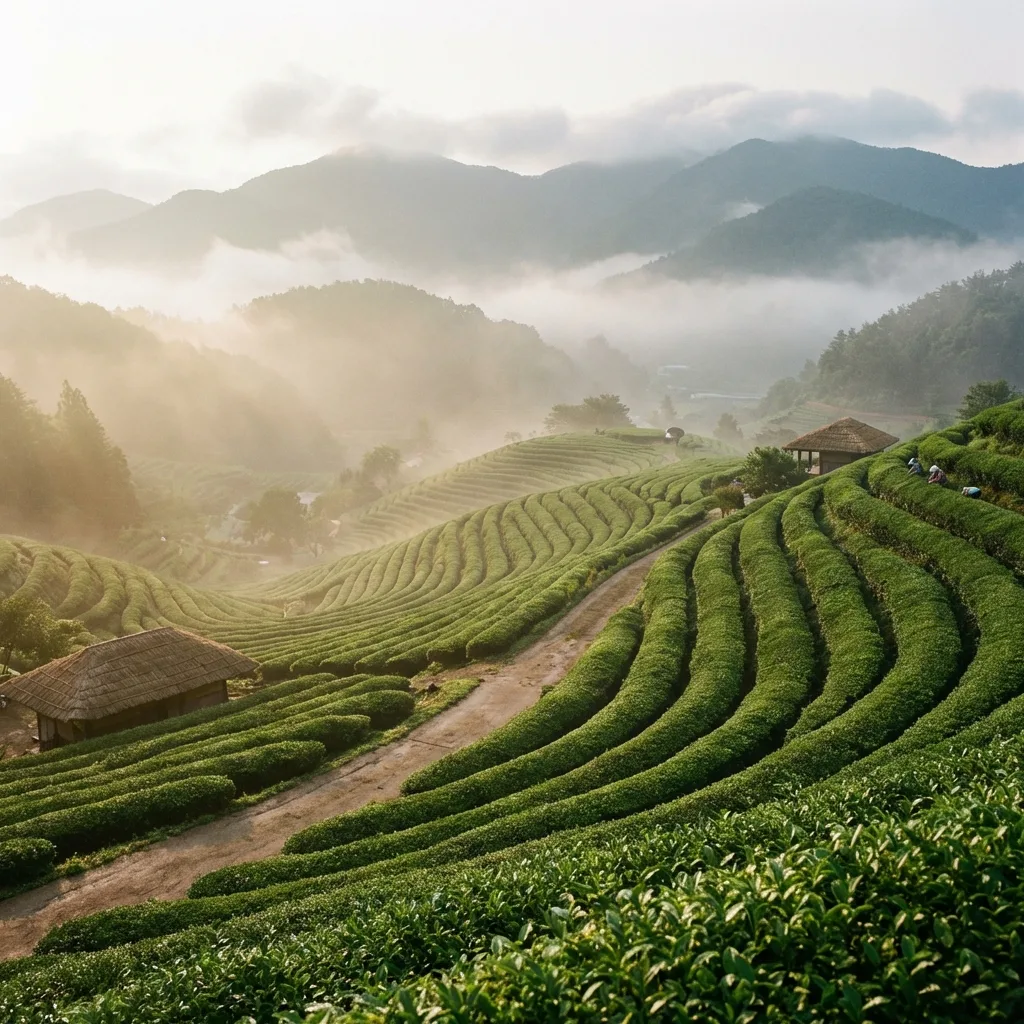
In the famously fast-paced culture of Korea — where "pali-pali" (빨리빨리, "hurry-hurry") is both a cultural reflex and a nationwide identity — the traditional tea ceremony stands as something radical. It is a structured practice of doing almost nothing at speed. The water must cool slowly. The leaves must steep without interruption. The cup must be received with both hands, held, observed, and only then tasted. Nothing about the Korean tea ceremony happens quickly, which is precisely why it remains one of the most powerful cultural experiences available to travelers seeking something beyond the kinetic energy of Seoul's streets.
Known as Darye (다례, literally "etiquette for tea"), the Korean tea ceremony is a distinct tradition that differs meaningfully from its more internationally recognized Japanese counterpart. Understanding those differences clarifies what the experience actually is — and what to expect when you attend one.
The Philosophy: Naturalness Over Perfection
The foundational aesthetic principle of Korean tea culture is Chamsarang — natural love — expressed through what the tea ceremony calls ja-yeon (자연, naturalness). Where the Japanese tea ceremony (Chado) is celebrated for its rigorous choreography, exact movements, and the achievement of a perfect, controlled performance, Korean Darye is oriented toward something closer to the philosophy of the Tao: movement that flows from natural impulse rather than imposed structure, ceramics that celebrate the imperfect and organic, and an atmosphere designed to eliminate rather than heighten self-consciousness.
The pottery used in Korean tea ceremonies reflects this aesthetic directly. Korean tea bowls (dawanso) are typically irregular — slightly asymmetrical, with glaze runs and kiln marks preserved rather than corrected, with surfaces that show the fingerprints of the maker in the clay. The most prized Korean tea bowls have a quality called buncheng (분청), a naturally mottled surface produced by ash glaze, that makes each piece genuinely unique. Japanese tea masters famously prized Korean pottery above their domestic ceramics precisely because of this quality; many of Japan's most revered tea bowls are Korean pieces from the Joseon period.
The philosophical implications extend to the ceremony itself. A guest who drops a cup or stumbles over a phrase is not creating a failure — they are adding to the naturalness of the occasion. The ceremony is not a performance to be watched but an environment to be inhabited.
The Confucian Dimension
Korean tea culture developed within the intellectual framework of Joseon dynasty Confucianism, which means it carries specific social dimensions not present in its Japanese or Chinese equivalents. Tea drinking in Joseon-era Korea was an act associated with scholarly men (munsa) — the literati class who governed the country and wrote its philosophy. The tea ceremony was not merely a sensory practice but a context for discussion, poetry recitation, calligraphy, and the cultivation of virtue.
Contemporary Korean Darye preserves echoes of this dimension. The ceremony is not silent in the Japanese sense — conversation between host and guest is not only permitted but expected. The topics are meant to be substantive: aesthetics, nature, philosophy, poetry. The tea is the medium through which a different quality of conversation becomes possible.
The Ritual: Water, Cooling, and the Pour
Korean tea ceremony uses predominantly green tea (nokcha, 녹차), and the central technical challenge of Darye is managing water temperature. Green tea leaves are highly sensitive to heat. Boiling water (100°C) scorches the leaves, releasing bitter catechins and destroying the delicate grassy sweetness that characterizes quality Korean green tea. The correct brewing temperature is 70°C to 80°C — hot enough to extract flavor, cool enough to preserve complexity.
This temperature management is not an incidental detail; it is the structural heart of the ceremony. The entire sequence of Darye is designed around slowing down to let the water cool correctly.
The Complete Sequence
Step 1 — Warming the Vessels (예온, Ye-on): The host begins by pouring hot water into the teapot, then into each cup in turn. This serves two purposes: warming the ceramic (cold vessels shock the tea, dropping its temperature prematurely) and beginning the process of cooling the water by transferring it between vessels. The warming water is discarded into a waste bowl (tosugi).
Step 2 — Sisu (식수, the Cooling Bowl): Boiling water is poured from a kettle into a large open ceramic bowl called a sukwoo (숙우). This wide, shallow vessel dramatically accelerates cooling by maximizing the water's contact with air. The host and guests wait in silence while the water cools — listening, observing, perhaps exchanging a few quiet words. This waiting is not an inconvenience; it is the ceremony's most intentional moment. The pause is the point.
Step 3 — Brewing (우림): When the water reaches the correct temperature — tested by feel if the host is experienced, or by thermometer in more contemporary practice — it is poured over the tea leaves in the teapot. The lid is placed on the pot. The leaves steep for 40 seconds to 2 minutes depending on the tea variety and the host's preference.
Step 4 — The Tripod Pour (삼각 따르기): Tea is not poured into one cup at a time. Instead, the host cycles through the cups repeatedly — pouring a small amount into each cup in sequence, then cycling back. This "tripod pouring" ensures that each cup receives the same strength, since the tea at the beginning and end of the pour has different concentrations. Guests receive tea of identical quality rather than first-pour and last-pour variability.
Step 5 — Receiving and Drinking: The guest receives the cup with two hands, right hand on the side and left hand supporting the base. The cup is held at chest height and observed before tasting — the color of the tea, the steam rising from it, the translucency against the light. Then: smell the steam before drinking. Taste in small sips, allowing the tea to rest on different parts of the tongue. The grassy, umami-rich quality of good Korean green tea reveals itself gradually rather than immediately.
Subsequent Infusions: Quality Korean green tea can be infused 3 to 5 times. Each infusion produces a different character: the first is most fragrant, the second is fuller-bodied, later infusions become lighter and more subtle. A full ceremony covers multiple infusions, with the host adjusting steep time accordingly.
Guest Etiquette
Korean tea ceremony etiquette for guests is genuinely accessible — it does not require years of study or elaborate preparation. A few key principles cover most situations:
Two hands for everything: Receiving any object — cup, snack plate, teapot — uses two hands. This is standard Korean respectful handling (also applied in everyday social contexts for giving and receiving business cards, money, and gifts). One hand symbolizes carelessness; two hands communicate attention and respect.
The sensory sequence: Do not drink immediately after receiving the cup. Take a moment to observe the tea's color, hold the cup close to your nose to inhale the steam, and then taste. This sequence is not a formality — it genuinely improves the experience and is what the ceremony is designed to facilitate.
Silence and minimal phone use: Korean tea ceremony spaces are quiet by design. Conversation is welcome but should be appropriate to the context — unhurried, thoughtful, relatively low-volume. Using a phone to photograph is generally accepted (tea ceremony settings are photogenic and host-led ceremonies expect this from visitors), but extended phone use during the ceremony itself is discouraged.
Multiple cups are appropriate: You do not need to limit yourself to one cup. Requesting a second infusion is entirely normal and expected; declining multiple infusions might even be seen as mild disinterest. The ceremony is designed to be extended.
Receiving dasik (다식, tea snacks): Traditional tea ceremonies include small pressed cookies called dasik — compressed cakes of pine pollen, sesame, bean flour, or similar ingredients, stamped with floral or geometric patterns. They are served between infusions to cleanse the palate. Eat them with your right hand, accepting the plate with two hands. They are intentionally subtle in sweetness — not dessert, but a pause for the senses.
The Five Best Places to Experience Darye
Suyeonsanbang (수연산방) — Seongbuk-dong, Seoul
This is the most celebrated tea house in Seoul, and its setting is extraordinary: the former residence of the novelist Lee Tae-jun (이태준), one of the most important writers of early 20th-century Korean literature, hidden in the residential hills of Seongbuk-dong. The building is a beautifully preserved hanok surrounded by a traditional garden, and drinking tea on the wooden maru veranda while pine trees shade the courtyard provides an atmosphere completely unlike anything in central Seoul.
The menu includes various traditional Korean teas alongside dasik and seasonal Korean sweets. Service is unhurried; the space rewards a long visit of 90 minutes or more. Getting there requires either a taxi to the Seongbuk-dong address or a 15-minute walk uphill from Hankuk University of Foreign Studies subway station (Line 6, Hanguk University of Foreign Studies station).
Dawon (다원) — Insadong, Seoul
Located within the courtyard of the Kyung-in Museum of Fine Art in Insadong, Dawon combines tea ceremony culture with art exhibition in a setting that makes it accessible to visitors who want an introduction to Darye without a formal class context. The museum's outdoor courtyard contains traditional garden architecture, and the tea house occupies a wooden hanok building with seating on the veranda in good weather.
For visitors spending time in Insadong browsing the antique shops and craft galleries, Dawon provides a natural afternoon pause. No reservation required for casual tea service; group tea ceremony experiences require advance booking through the museum.
Jingwansa Temple (진관사) — Bukhansan, Seoul
For the most immersive experience — combining the tea ceremony with Buddhist practice — Jingwansa Temple in Bukhansan National Park north of Seoul occasionally hosts monastic tea ceremonies led by resident monks. These sessions are not tourist performances but extensions of actual Buddhist meditation practice that the temple opens to qualified visitors.
Contact the temple in advance (Korean only in most communication) or join a temple stay program that includes tea ceremony as part of the structured schedule. The combination of hiking to the temple through forest, sitting with a monk over nokcha, and discussing aspects of Korean Buddhism and philosophy is the kind of experience that becomes a defining memory of a Korea trip.
Jeonju Tea Houses
Jeonju — Korea's designated UNESCO City of Gastronomy — has an active tea culture rooted in the city's Confucian scholarly heritage. Several traditional tea houses (dacheon) operate within and adjacent to the Jeonju Hanok Village, serving tea in period-appropriate hanok settings. Hakindang is among the most atmospheric, located in the heart of the hanok village with interior ondol floor seating, heated floors, and staff who can guide visitors through the Darye sequence in English upon request.
Pairing a Jeonju tea ceremony visit with the city's bibimbap lunch and an evening makgeolli tasting creates a complete cultural immersion day.
Odusan or Gyeonggi Tea Culture Centers
For visitors who want a formal educational experience rather than simply atmospheric consumption, several cultural centers in the greater Seoul area (including the National Folk Museum of Korea inside Gyeongbokgung Palace grounds) offer structured Darye classes in English with advance reservation. These 90-minute to 2-hour sessions cover the ceremony's history, the complete ritual sequence, and hands-on practice in a classroom-style setting.
10. The 2026 Digital Detox: Tea as a Tech-Free Sanctuary
In the year 2026, the Darye ceremony has taken on a new role in Korean society: the ultimate digital detox.
As augmented reality and constant connectivity have become even more pervasive in Seoul, "Tea Sanctuaries" (다실, dashil) are implementing "No-Signal Zones." Many modern teahouses in Hapjeong and Seongsu now offer "Storage Pedestals" where you place your phone before the ceremony begins.
- The Modern Silent Ceremony: A new 2026 trend is the Silent Darye, where not a single word is spoken throughout the three infusions. This is specifically designed for high-stress professionals seeking a mental reset.
- VR Integration? While some predicted VR tea ceremonies, the 2026 reality is the opposite. Koreans are flocking to tea because it is the most un-digital thing left—the heat of the water, the weight of the clay, and the smell of the leaves cannot be digitized.
11. Regional Ceramics: The Masterpieces of Icheon and Gwangju
The tea ceremony is inseparable from the vessel that holds it. If you want to truly understand the spirit of Darye, you must look at the pottery regions of Gyeonggi-do.
Icheon: The Ceramic Capital
Located about an hour from Seoul, Icheon is home to hundreds of kilns and is a UNESCO City of Crafts. The pottery here is known for its balance of traditional form and modern utility.
- The Artist Aspect: In 2026, many Icheon potters are creating "Traveler’s Tea Sets"—compact, nested sets that fit in a backpack without sacrificing the aesthetic integrity of high-fire stoneware.
Gwangju: The Royal Porcelain
Not to be confused with the southern city of the same name, Gwangju (Gyeonggi) was the site of the Bunwon—the official kilns that produced white porcelain for the Joseon royal court.
- The Look: Gwangju porcelain is milk-white, minimalist, and exceptionally smooth. Using a Gwangju tea bowl feels like a direct connection to the aesthetic purity of the 15th-century elite.
12. Seasonal Darye: Matching Tea to the Korean Soul
Koreans believe that the body’s needs change with the four distinct seasons of the peninsula.
- Spring (Sprouting): This is the season of Woojeon (우전), the very first tea harvested before the spring rain. It is rare, expensive, and tastes like the awakening of the earth.
- Summer (Cooling): As mentioned, Omija-cha is favored, but also Nokcha served over large, hand-carved ice blocks—a practice that was once reserved for the aristocracy who had access to ice houses (Seokbinggo).
- Autumn (Harvesting): The time for Chrysanthemum tea and high-mountain roasted green teas that have a nuttier, deeper profile to match the cooling air.
- Winter (Hibernating): Thick, medicinal teas like Ssanghwa-cha (made with roots and nuts) are served at a simmer to combat the harsh dry winds of the Siberian high.
13. The 2026 "Tea-Stay" Experience
Building on the success of temple stays, "Tea-Stays" are emerging in 2026. These are overnight programs in traditional hanoks where the entire itinerary is built around the tea harvest.
- Where to find them: Look for programs in the Hadong and Boseong regions. These are the southern provinces where most of Korea's tea is grown.
- What to expect: You wake at dawn to pick tea leaves, participate in the deokkeum (hand-roasting) process in a large iron cauldron, and end the day with a formal Darye ceremony using the tea you made yourself.
15. Conclusion
The tea ceremony is one of the few experiences in Korea that asks you to stop—not just for a photo, but for a genuine moment of mindfulness. In the hyper-paced environment of 2026 Seoul, these quiet havens offer a necessary recalibration. By learning the subtle language of Darye, you are not just drinking tea; you are connecting with a centuries-old tradition of hospitality and peace.
Seoul will still be there, moving fast, when you walk back out onto the street. But for the duration of a bowl of tea, the pace belongs entirely to you.
For cultural context that enriches the experience, our guide to navigating Korean social customs covers the broader etiquette framework from which Darye emerges. Visitors wanting deeper immersion can combine this with a temple stay, and those ready to bring the practice home will find the finest tea sets at the traditional markets of Korea. For a full plan across the peninsula, our Ultimate 10-Day South Korea Itinerary is your perfect companion.