Eat Your Way Across Korea: 6 Regional Dishes Worth Traveling For

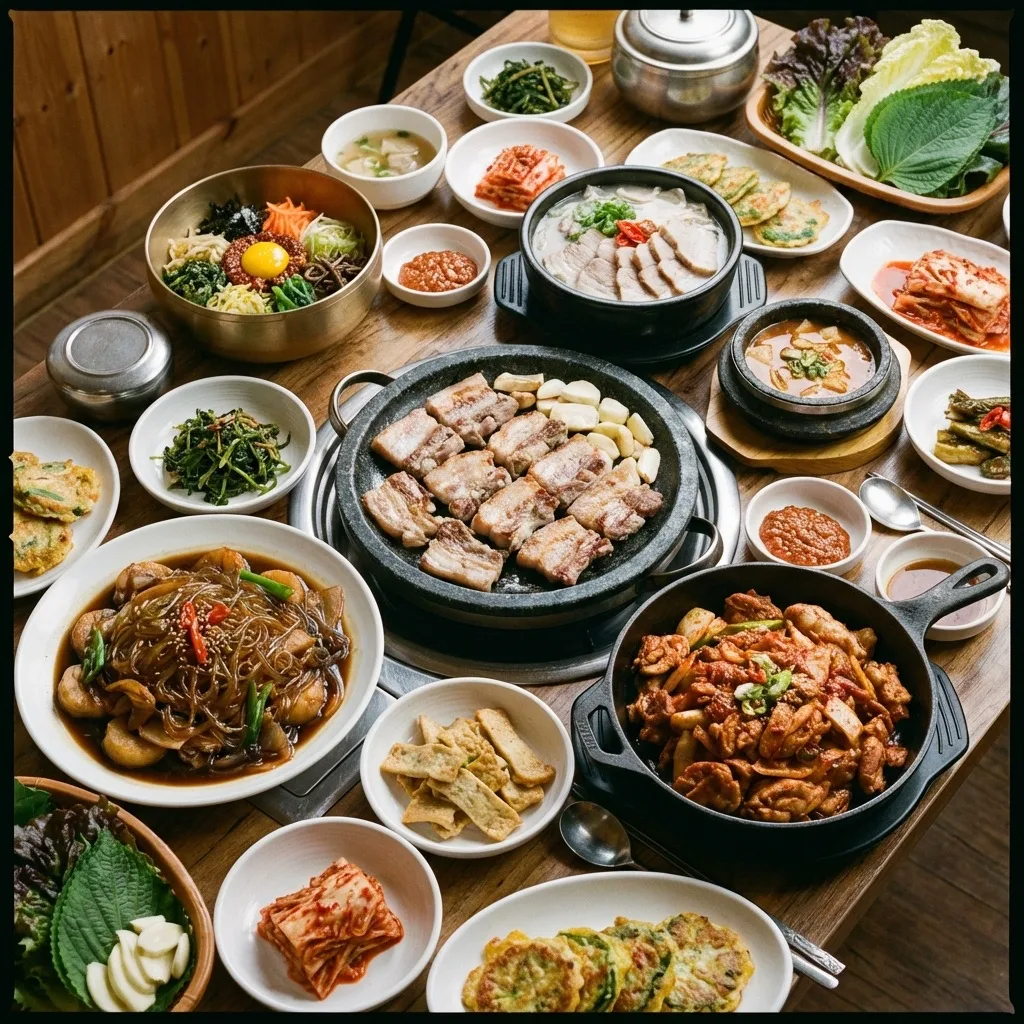
In Korea, the question "Have you eaten?" (Bap meogeosseoyo? 밥 먹었어요?) serves as a greeting, a check-in, a sign of concern, and an expression of affection all at once. Food is not supplementary to Korean culture — it is central to it. Every region of the peninsula developed its own hyangto eumsik (향토음식, local food) over centuries, shaped by climate, geography, agricultural tradition, and historical circumstance. To eat only in Seoul is to eat a version of Korean food that has been filtered, refined, and sometimes compromised by the demands of a metropolitan marketplace.
The KTX rail network has made Korea's regional food accessible in a new way. What was once a genuine journey — Jeonju bibimbap required going to Jeonju — is now a 1-hour train ride from Seoul. This guide is organized around six cities and their defining dishes, with context for what makes each food specific to its place, how to order and eat it correctly, and how to plan a food-focused itinerary that covers multiple regions efficiently.
Why Regional Food Matters
Korean food in Seoul is excellent. But Seoul's dining culture involves a particular dynamic: the best versions of regional dishes are almost always found in their home regions rather than in Seoul branches, and the atmosphere of eating Jeonju bibimbap in a Jeonju hanok restaurant versus at a Seoul branch is not comparable. The original context — the water, the locally sourced ingredients, the cultural setting, the vendors who have made the same dish for decades — produces a different experience.
There is also a historical dimension. Many of Korea's most loved dishes are foods born from specific historical circumstances: Busan's dwaeji gukbap emerged from the Korean War refugee experience, Andong's jjimdak was created in direct competition with Western fast food, and Sokcho's abai sundae carries the culinary heritage of North Korean refugees who settled the coast after the armistice. Eating these foods in their places of origin connects the meal to a specific history in a way that restaurant menus cannot fully communicate.
1. Jeonju: The UNESCO City of Gastronomy
Jeonju holds a UNESCO Creative City of Gastronomy designation — one of only a handful of cities globally and the only one in Korea. This recognition reflects not just the quality of individual dishes but the completeness of Jeonju's culinary culture: the breadth of banchan (side dishes) that accompany every meal, the local fermentation traditions, and the way food is integrated into the city's identity as Korea's cultural capital.
The Dish: Jeonju Bibimbap (전주 비빔밥)
Bibimbap — rice mixed with vegetables, protein, and gochujang — is eaten across Korea, and most Korean cities claim a version. Jeonju's version is not modesty about this claim but genuine distinction.
What makes Jeonju bibimbap different:
The rice: Often cooked in yuksu (육수), beef bone broth, instead of water, giving it a deeper base flavor before any toppings are added.
The bowl: Served in a heavy brass bowl (yugi) rather than the ceramic dolsot (stone pot) used in some other versions. The brass retains heat differently and is associated specifically with Jeonju's traditional serving culture.
The toppings: Up to 20 separate prepared ingredients arranged in the bowl in colors that represent the five cardinal directions of traditional Korean cosmology: white (bean sprouts, radish), green (watercress, cucumber), red (gochujang, red pepper), yellow (egg yolk), and black (dried seaweed or mushroom). Each ingredient is seasoned individually before assembly.
The egg: A raw egg yolk is placed in the center. Mixing it thoroughly before eating distributes a richness that integrates all the components.
The essential restaurants: The most famous Jeonju bibimbap restaurants are clustered in and around the Hanok Village. Gajok Hoegwan (가족회관) is the most celebrated, with a long history and a dining room designed for traditional communal meals — the full bibimbap experience with multiple accompaniments. Reservation recommended for lunch hours.
The banchan experience: Jeonju restaurants typically provide 10 to 20 small side dishes alongside the main bibimbap. This is not performative; each dish is considered part of the meal's balance. Allow time to explore the banchan rather than focusing only on the bibimbap.
The Supporting Dish: Kongnamul Gukbap (콩나물 국밥)
Bean sprout soup with rice — the food Jeonju residents eat for breakfast and as a hangover cure. A bowl of kongnamul gukbap at 8:00 a.m. from one of the soup restaurants near the central market is the correct way to start a Jeonju day. The soup is clean, slightly spicy from gochugaru, rich in the vegetable sweetness of the sprouts, and deeply comforting in a way that clarifies why this is a breakfast food.
Price: 7,000 to 10,000 KRW.
2. Chuncheon: A City Built Around One Dish
Chuncheon is a lake city in the mountains of Gangwon Province, surrounded by reservoirs and characterized by a slower pace than most Korean cities. Its relationship with food is singular: the city is synonymous, nationally and internationally, with a single dish.
The Dish: Chuncheon Dakgalbi (춘천 닭갈비)
Spicy stir-fried chicken — marinated chicken thighs, sweet potato, cabbage, tteok (rice cake cylinders), and green onions, cooked together in a gochujang-based sauce on a large round iron griddle built into the table.
The experience: The server brings the assembled ingredients and fires up the table griddle. The cooking happens communally, with the server or diners using tongs and spatulas to stir the ingredients as they cook. The sauce reduces and caramelizes, coating everything in a deeply flavored, moderately spicy glaze.
The mandatory finale: At the end of the meal, when the main ingredients are finished, a server adds steamed rice to the remaining sauce on the griddle and mixes it into a fried rice (bokkeumbap) that incorporates every caramelized flavor from the session. Never skip this step.
Myeongdong Dakgalbi Street (명동 닭갈비 골목): Within Chuncheon city, an entire alley in the downtown area is dedicated to dakgalbi restaurants. Most restaurants on this street have been operating for decades; the competition is intense and quality is consistently high. Walk the street before choosing — look for the restaurants with the most Korean customers.
Getting there: Chuncheon is about 80 minutes from Seoul by ITX-Cheongchun intercity train from Yongsan Station. The trip is straightforward and the Chuncheon station is walkable to the main dining district.
Price: 13,000 to 17,000 KRW per person.
3. Andong: Confucian Tradition on a Plate
Andong is Korea's most Confucian city — the headquarters of the Joseon dynasty's scholarly aristocracy (yangban), home of Hahoe Village (UNESCO World Heritage), and the place where traditional Korean culture has been preserved most consciously. Its food is a reflection of this identity: complex, historically grounded, and deeply savory.
The Dish: Andong Jjimdak (안동 찜닭)
Braised chicken in a soy-based sauce with glass noodles (dangmyeon), vegetables, and dried red peppers. The flavor profile is entirely different from Chuncheon's spicy-red dakgalbi: Jjimdak is brown, savory, slightly sweet from soy and sugar, with a depth that comes from long braising rather than high-heat stir-frying.
The origin story: Andong Jjimdak was reportedly created in the 1980s by the vendors of Andong's traditional market as a response to the invasion of Western fried chicken chains. The market vendors needed a dish that could compete with the appeal and accessibility of fast food while using local ingredients. They succeeded — jjimdak is now eaten nationwide, though Andong remains the definitive origin point.
Where to eat it: The Andong Jjimdak Street (찜닭 골목) adjacent to Andong's traditional market is the pilgrimage destination — multiple restaurants serving variations of the original recipe in a cluster. The standard jjimdak serves 2 to 4 people from a large pot; solo travelers should ask for the half-portion option.
The glass noodles: The dangmyeon (glass noodles made from sweet potato starch) absorb the braising sauce over cooking and become extraordinarily flavorful — dense, glossy, and heavily coated. They are often considered the best part of the dish.
Price: 16,000 to 22,000 KRW for a shared pot.
Getting there: Andong is approximately 2 hours from Seoul by KTX (via Dongdaegu, then ITX or taxi to Andong) or 2.5 hours by bus. The combination of Andong's jjimdak dinner with a morning visit to Hahoe Village makes an excellent day trip or one-night stay.
4. Busan: The Harbor City's Rough-Edged Cuisine
Busan's food culture reflects the city's character: unpretentious, salty, substantial, and born from the experiences of a port city that served as the last refuge during the Korean War. Two dishes dominate Busan's food identity, and both have stories rooted in that history.
The Dish: Dwaeji Gukbap (돼지국밥) — Pork Rice Soup
During the Korean War, Busan was the southernmost city that the Republic of Korea retained throughout the conflict. It filled with refugees from across the peninsula. Food was scarce, and the pork bones discarded from US military kitchens became ingredients. Korean cooks simmered these bones into a milky, rich broth — the origin of dwaeji gukbap.
How to eat it correctly: The soup arrives unseasoned in most traditional restaurants. On the table are containers of saeujeot (새우젓, salted fermented shrimp), sliced garlic, and green onions. Add saeujeot to taste — start with a small spoonful and adjust. The fermented shrimp is the defining flavor element; the soup without it is incomplete.
Supporting cast: Pork slices are arranged on top of the broth. Kkakdugi (cubed radish kimchi) arrives as a banchan. The combination of the milky broth, the saeujeot seasoning, and the kimchi sourness is a complete flavor architecture.
Milmyeon (밀면) — Busan's Own Cold Noodles
Cold noodles (naengmyeon) are eaten nationally, but Busan's version uses wheat flour instead of the traditional buckwheat. The wartime scarcity of buckwheat produced this adaptation, and the wheat noodles have a different texture — chewier and slightly yellow. Milmyeon is difficult to find outside Busan; ordering it here is experiencing a food that exists primarily in one city.
5. Jeju Island: Volcanic Flavors from an Isolated Kitchen
Jeju Island's geographical isolation — 100 kilometers from the mainland, accessible historically only by sea — produced a culinary tradition that differs from mainland Korean cooking in significant ways. The ingredients come from the surrounding sea and the volcanic soil; the preparations reflect centuries of independent development.
The Dish: Heuk-Dwaeji — Black Pork BBQ (흑돼지)
Jeju's native pig breed has black skin and dark meat. The fat marbling is different from standard Korean pork — more distributed, with a higher ratio of oleic acid (the fat in olive oil) that produces a more tender mouthfeel and a different flavor when rendered over charcoal.
How it is served: Thick slices of pork belly and neck meat grilled over charcoal, cut table-side with scissors, and eaten with mel-jeot (멜젓, salted anchovy sauce) rather than the sesame oil and salt used on the mainland. The anchovy sauce adds umami depth that sesame oil cannot approximate.
The experience: Order at least 2 portions (200g) per person for a satisfying meal. The server typically manages the grilling, flipping and cutting the meat at intervals. The fat renders and the edges char; eat pieces immediately as they are cut, while still hot from the griddle.
Where to eat in Jeju: The Seogwipo market area and the streets around Jeju City's traditional market both have concentrated clusters of heuk-dwaeji specialists. Prices run 20,000 to 35,000 KRW per 200g portion — more expensive than mainland pork BBQ but reflective of the premium ingredient.
Supporting dish: Haenyeo Seafood
Jeju's female free-divers (haenyeo) harvest abalone, sea urchin, conch, and various shellfish from the waters around the island. Dishes made with haenyeo-caught ingredients — particularly jeonbok-juk (abalone rice porridge) and fresh sea urchin served directly from the shell at Seongsan Port — are specifically Jeju experiences not replicable elsewhere.
6. Sokcho: North Korean Influence at the Border Kitchen
Sokcho sits close to the eastern end of the Korean DMZ, and its food culture reflects decades of immigration from North Korea. The Abai Village within Sokcho was established by North Korean refugees in the 1950s, and their culinary heritage has been preserved in forms that provide a genuinely unique food-history experience.
The Dish: Abai Sundae (아바이 순대)
Korean sundae (blood sausage) is a widely eaten street food nationally. Abai Sundae from Sokcho's refugee village is a specific and different preparation rooted in northern Korean tradition.
The difference: Standard factory-produced sundae uses glass noodles as the primary filling. Abai Sundae uses pork meat, blood, tofu, vegetables, and seasoning in proportions closer to traditional North Korean preparation. Many preparations use squid body as the casing instead of pork intestine, creating a different exterior texture and a subtle ocean flavor.
Where to eat it: Abai Village is reached via the gaetbae — a manual cable ferry that visitors pull hand-over-hand across a narrow channel from Sokcho proper. The process itself is an experience. Restaurants within the village serve Abai Sundae in the traditional context, sliced into thick rounds and served with a dipping sauce.
Price: 8,000 to 12,000 KRW per portion.
7. The Liquid Geography: Regional Makgeolli Variations
No regional food guide is complete without mentioning Makgeolli (traditional rice wine). In Korea, the local brew is as important as the local dish.
- Jeonju Makgeolli (The Table Experience): In Jeonju, you don't just order a bottle; you order a "Kettle." As you order more kettles, the restaurant brings increasingly complex and expensive banchan—starting with tofu and ending with soy-marinated crab or grilled fish.
- Pocheon Makgeolli: Known for using the mineral-rich water from the northern mountains, it is crisp and slightly more carbonated.
- Busan’s Geumjeongsanseong Makgeolli: This is Korea’s first "folk liquor." It is made using a traditional foot-pressed yeast (nuruk), resulting in a tart, robust flavor that is closer to sourdough bread than the sweet, commercial versions found in Seoul.
8. The Unusual Suspect: Boseong Green Tea Pork
If you find yourself in the southern province of South Jeolla, you must visit Boseong, the green tea capital.
- Nokcha-Dwaeji (녹차돼지): The pigs here are fed a diet that includes green tea leaves.
- The Result: The antioxidants in the tea reduce the "pork smell" that some find unappealing, resulting in meat that is exceptionally clean-tasting and lean. It is typically served as Samgyeopsal (grilled belly) and is a mandatory stop for any serious pork connoisseur.
9. Regional Food in 2026: AI Kiosks in Rural Korea
Traveling to rural Korea used to require significant language skills to order food. In 2026, the landscape has changed.
- English-Friendly Kiosks: Even in small towns like Andong or Sokcho, 2026 has seen the rollout of standardized digital kiosks with English, Chinese, and Japanese interfaces.
- Visual Menus: These kiosks use high-resolution photos of every dish, including the banchan, so you know exactly what the table spread will look like before you pay.
- Mobile Integration: Most regional restaurants now accept international credit cards and mobile wallets (WowPass) directly at the table-side tablet.
11. Conclusion
The culinary landscape of South Korea in 2026 is a fascinating blend of deep-rooted regional pride and modern technological accessibility. By venturing beyond the familiar streets of Seoul, you unlock a version of Korea that is defined by the geography of its mountains, the currents of its seas, and the ancient recipes of its provinces. Whether you are sipping cold green tea in a field in Boseong or sharing a steaming bowl of Dakgalbi in Chuncheon, you are participating in a living history.
Food is the quickest way to understand the soul of a place—and in Korea, that soul is diverse, vibrant, and always served with a side of extra banchan.
For understanding the broader evolution of Korean cuisine, the traditional vs. modern Korean cuisine guide provides the historical framework that makes the regional food tour more legible. When you're ready to buy ingredients or edible souvenirs, the guide to traditional Korean markets covers the best spots across the country. And before sitting down at any provincial table, brush up on the basics with our Korean dining etiquette guide. For a complete plan across the peninsula, our Ultimate 10-Day South Korea Itinerary is your perfect companion.