Craft Beer Scene in Seoul: Best Microbreweries and Taprooms

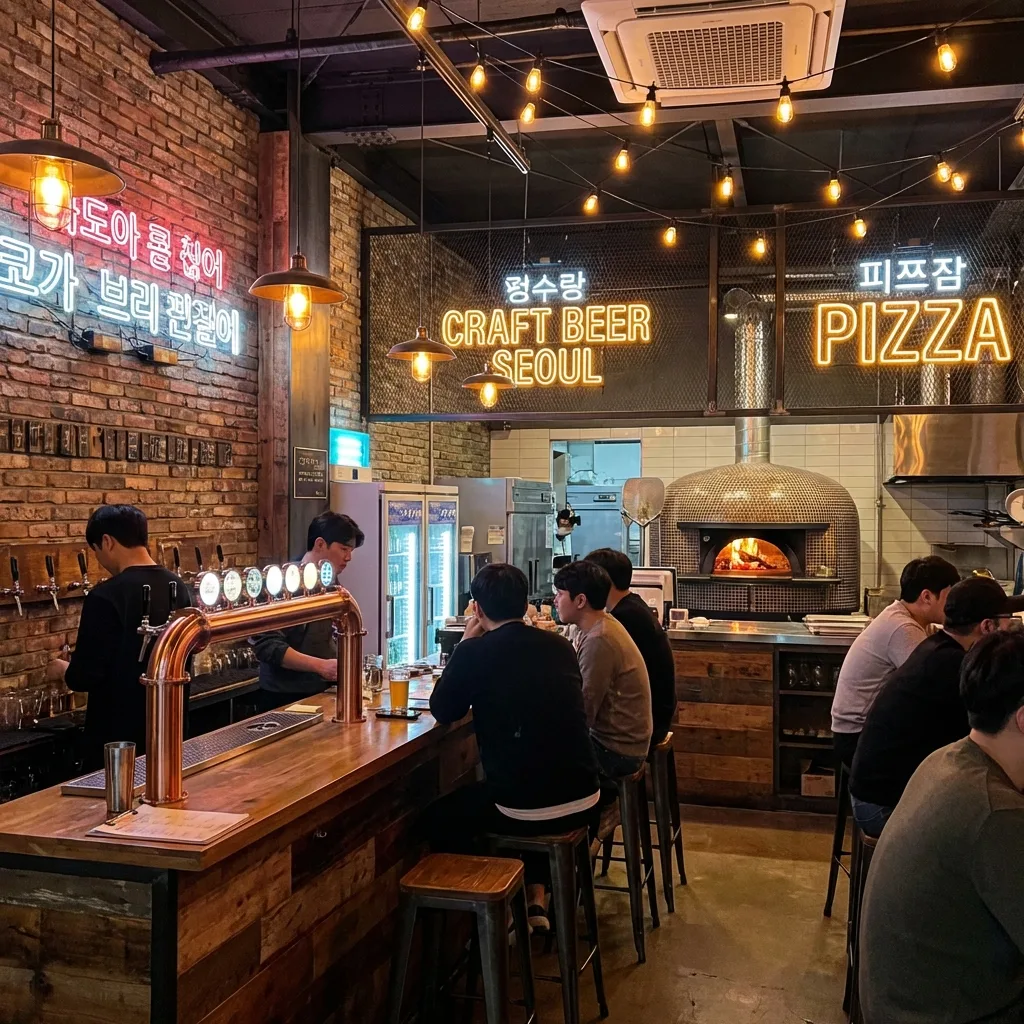
Move over, light lagers! Seoul is currently undergoing a craft beer revolution, and it's taking place in the city's coolest neighborhoods. While South Korea has long been associated with green-bottle soju and watery commercial beers, a new wave of passionate brewers and creative entrepreneurs is redefining the peninsula's drinking culture.
From industrial-chic warehouses in Seongsu-dong to beautifully restored Hanok houses in Jongno, Seoul's craft beer scene is diverse, innovative, and incredibly welcoming. Whether you're a seasoned hop-head or just looking for a trendy spot to spend a Saturday night, this guide will take you through the definitive list of Seoul's best microbreweries and taprooms.
The rise of craft beer in Korea isn't just about the alcohol; it’s a reflection of a changing social landscape. The traditional "Hoesik" (company dinner) culture, often characterized by heavy drinking and rigid hierarchies, is giving way to a more individualized and quality-focused approach to drinking. For travelers, this means a wealth of unique venues where the focus is on flavor, craftsmanship, and community.
The Pioneers: The Brands That Started the Buzz
Before we dive into the neighborhoods, it’s important to recognize the brands that paved the way for the current "Gyunggi-do" and "Seoul" brewing explosion.
1. Magpie Brewing Co.
Magpie is arguably the most influential craft beer brand in Korea. Founded in 2012 in a tiny alley in Itaewon (Gyeonglidan-gil), it has since expanded to multiple locations, including a major brewery on Jeju Island.
- The Drink: Magpie’s flagship Pale Ale is a classic, but the real star is Ghost, a seasonal Gose made with Jeju tangerine peel and coriander. It’s tangy, salty, and incredibly refreshing.
- The Experience: Visit their Euljiro location for a "Hipjiro" vibe—think rough concrete walls, indie music, and great sourdough pizza.
2. The Booth
Starting from the same Gyeonglidan-gil neighborhood, The Booth gained fame with its quirky branding and "Kukmin IPA" (National IPA). They were pioneers in bringing global craft standards to the local market, even collaborating with international heavyweights like Mikkeller.
3. Seoul Brewery
Seoul Brewery set a high bar for quality control and sophisticated branding. Their taprooms in Seongsu and Hapjeong feel more like high-end design studios than traditional pubs, reflecting the "Premium" shift in Korean consumption.
Seongsu-dong: The "Brooklyn of Seoul" Beer Route
If you only have time for one "beer neighborhood," make it Seongsu. This former industrial hub of shoe factories and warehouses has been reclaimed by artists, baristas, and brewers.
Amazing Brewing Company
As the name suggests, this is the centerpiece of the Seongsu scene. Housed in a massive, high-ceilinged warehouse, Amazing Brewing features what they call the "Bible of Beer"—a rotating menu of up to 36 fresh craft beers on tap.
- The Innovation: They use a self-pour system that charges you by the milliliter. You get a wristband, tap against the screen of the beer you want, and pour as much (or as little) as you like.
- The Pairing: Their Neapolitan pizzas are cooked in a wood-fired oven right in the middle of the room.
Seoul Brewery (Seongsu Taproom)
Just a short walk away, Seoul Brewery’s Seongsu location offers a more curated, industrial-chic experience. Their Robust Porter is a must-try for those who love dark, complex flavors.
Euljiro: "Hipjiro" and the Industrial Chic Taprooms
Euljiro is where Central Seoul’s manufacturing past meets its trendy present. Known as "Hipjiro," this area is famous for hidden bars located at the top of rickety stairs in old industrial buildings.
Artmonster
Artmonster is a visual spectacle. Their Euljiro location is famous for its retro neon signs and Hong Kong cinema-inspired aesthetics.
- The System: Like Amazing Brewing, it uses a self-pour wristband system. It's the perfect place to try 5-10 different "sip-sized" samples of everything from IPAs to German-style Porters.
- The Food: Their fried chicken is some of the best in the city, making it a prime spot for a modern "Chimeak" session.
Euljiro Brewing
Hidden in a narrow alleyway, Euljiro Brewing is a favorite among locals. Their Hipjiro Brut IPA is light, dry, and perfect for a humid Seoul night.
Traditional Meets Modern: The Hanok Beer Experience
There is something profoundly satisfying about drinking a modern West Coast IPA while sitting in a building that looks like it’s from the Joseon Dynasty.
Seoul Gypsy (Jongno)
Located near the picturesque Seosulla-gil, Seoul Gypsy is housed in a beautifully restored Hanok (traditional Korean house). They are known for their experimental brews and a fusion food menu that is as creative as their beer.
- The Vibe: Warm wood, traditional roof tiles, and a cozy atmosphere that feels worlds away from the neon lights of Gangnam.
Kiwa Taproom (Sogyeok-dong)
Situated near the Gyeongbokgung Palace area, Kiwa Taproom offers a similar Hanok aesthetic but with a focus on a wider range of local guest taps. It’s the perfect place to rest your feet after a day of palace hopping.
The Perfect Pairing: "Chimeak" and Beyond
While "Chimeak" (Chicken and Beer) is the undisputed king of Korean beer pairings, the craft scene has introduced new culinary partners.
- Wood-Fired Pizza: Now a staple in most major taprooms. The charcoal char of a good crust complements the bitterness of a hoppy IPA perfectly.
- Fusion Small Plates: Places like Seoul Gypsy offer dishes like "Thai-style ceviche" or "Lao-style sausage," reflecting the global palettes of the younger generation.
Practical Tips for Beer Lovers
1. Navigating the Language
Most craft beer bars in Seoul have English menus, as the scene is very international. If you're stuck, use the phrase "Syu-je mek-ju chu-cheon hae-ju-se-yo" (Please recommend a craft beer).
2. Use the "Pay-by-Weight" System Wisely
At self-pour places, recuerda that you are charged every time you pour. It’s tempting to try everything, but the cost can add up quickly!
3. Check for "Bottle Shops"
If a taproom is too crowded, look for a nearby "Bottle Shop." Many of these allow you to buy the same craft beers in cans and drink them on nearby benches or at the Han River.
Conclusion
Seoul's craft beer scene is a testament to the city's ability to take a global trend and give it a uniquely Korean spin. Whether it's the high-tech efficiency of a self-pour wall or the quiet dignity of a Hanok taproom, there is a pint waiting for you in every corner of the capital.
Before you head out, make sure you're familiar with the local customs by reading our Traveler's Manual to Korean Drinking Culture and Etiquette. For a broader look at where these breweries fit into the city's after-dark scene, dive into our comprehensive Seoul Nightlife Guide. And if you're planning a wider exploration of the country, don't miss incorporating a brewery stop into our Ultimate 10-Day South Korea Itinerary.
Geonbae (Cheers)!
2026 Pricing: What a Night Out Costs
Seoul's craft beer prices have settled into a fairly predictable range. Here is what to expect across venue tiers.
| Venue Type | Pint Price | Self-Pour (per 100ml) | Food Options |
|---|---|---|---|
| Coin Noraebang | N/A | N/A | N/A |
| Neighborhood taproom | ₩7,000–₩10,000 | N/A | Limited snacks |
| Established microbrewery | ₩9,000–₩14,000 | N/A | Pizza, fried food |
| Self-pour wall (Amazing, Artmonster) | N/A | ₩700–₩1,200/100ml | Full kitchen |
| Hanok taproom | ₩10,000–₩15,000 | N/A | Fusion dishes |
Typical evening budget: 3 pints + shared food platter at an established microbrewery = ₩45,000–₩65,000 per person.
Bottle shop option: Many Seoul craft beer bottle shops (보틀숍) sell cans at ₩4,000–₩8,000 each. Buying 4–6 cans and heading to the Han River costs 40–50% less than a taproom session and is a legitimately popular alternative among locals.
The Self-Pour System: Full Guide
The self-pour wall (셀프 주류 시스템) found at Amazing Brewing, Artmonster, and a growing number of Seoul venues deserves its own section — it's unlike anything most travelers have encountered.
How it works:
- At the entrance, the staff fits you with an RFID wristband linked to a tab.
- Walk up to any of the 20–40 taps on the wall. Each tap has a screen showing the beer name, style, ABV, description, and price per milliliter.
- Touch your wristband to the sensor beneath the tap you want.
- Pour your own beer — the system measures exactly how much you pour and charges accordingly.
- At the end of your visit, return the wristband to the front desk and pay the total.
Strategy tips:
- Pour "tasting samples" of 50–80ml for beers you're unsure about before committing to a full glass
- The system genuinely charges per milliliter — over-pouring waste is real; the drip tray has sensors too at some venues
- The screens show the current temperature of each keg; fresh taps marked with a "fresh" badge indicate recently changed kegs
Korean Craft Beer Styles: What to Order
Korean brewers have developed distinct takes on international styles. Here is what makes the local interpretations distinctive.
Korean IPA: Korea's hot, humid summers have made session IPAs (4–5% ABV) the dominant style. Most Korean IPAs are lighter and less bitter than American equivalents, with a focus on tropical fruit notes — mango, lychee, yuzu — that complement local cuisine.
Makgeolli-Hybrid Ales: A uniquely Korean innovation — craft brewers infusing traditional rice wine (makgeolli) fermentation characteristics into ale base styles. The result is a gently sour, slightly fizzy, opaque beer that sits between craft beer and traditional Korean alcohol. Magpie's seasonal releases often include a hybrid version.
Korean Gose: The salt-and-sour German style has been adopted enthusiastically by Korean brewers who add local citrus — Jeju tangerine, yuzu, hallabong — to create highly food-friendly drinking beers. Available year-round at Magpie and seasonally at most microbreweries.
Rice Lager (Premium Craft): Several Seoul breweries have created elevated rice lagers using heirloom Korean rice varieties (찹쌀, glutinous rice). These are cleaner and rounder than commercial rice lagers and pair extremely well with Korean BBQ.
Seoul Beer Festival and Seasonal Events
Korea Craft Beer Festival: Held annually in autumn (usually October), this 3-day outdoor event near Hangang Park or Olympic Park brings together 80+ Korean craft breweries for tasting. Entry is free; beer tokens purchased separately. The 2025 event drew over 50,000 attendees.
Magpie Jeju Open Days: Magpie's Jeju brewery occasionally hosts open taproom days and limited-release bottle sales for new seasonal beers. Follow their Instagram (@magpiebrewing) for announcements — limited-run Jeju tangerine goses have sold out in under an hour at past events.
Brewery tour options: Amazing Brewing and Seoul Brewery both offer organized brewery tours (approximately 60–90 minutes, ₩30,000–₩45,000 including tasting). Book through their websites or via Klook. Tours are conducted in Korean but are often accommodated in English with advance notice.
The Seoul Craft Beer Neighborhood Map
Seongsu (성수): Highest concentration of industrial-scale breweries. Amazing Brewing is the anchor; Seoul Brewery, Bier de Wereld, and Magpie Seongsu are within walking distance. The area is also dense with coffee roasters and design studios — a full creative afternoon-to-evening itinerary is easy to build here.
Euljiro (을지로): The "Hipjiro" corridor runs from Euljiro 3-ga to Euljiro 4-ga along the back alleys of the old printing district. The character of the venues — hidden stairwells, unlabeled doors, exposed concrete — is more "speakeasy" than "taproom." First-time visitors benefit from the Naver Map-based "Hipjiro Bar" lists that locals share.
Itaewon / Gyeongnidan-gil (이태원 / 경리단길): Magpie's original location; The Booth's flagship. The international neighborhood feel means extensive English menus and staff across the entire strip. Less "discovery" atmosphere than Euljiro but more accessible for first-time Seoul visitors.
Hongdae (홍대): Craft beer arrived later here than in Seongsu or Itaewon, but the university energy has built a strong casual taproom scene. Best for combining a craft beer session with the broader Hongdae nightlife experience.
Beyond Seoul: Notable Breweries Worth a Day Trip
Seoul's craft beer scene has expanded well beyond the city limits. These destinations are worth incorporating into a broader Korea trip.
Jeju Maemul Brewery (제주 매물 브루어리): Located near Jeju City on the island's north coast, this small-batch brewery uses Jeju's naturally filtered basalt spring water — genuinely distinctive water chemistry that produces exceptionally clean lager styles. The taproom overlooks the ocean. Open weekends only; no reservations required. 40-minute drive from Jeju International Airport.
Magpie Jeju Brewery: The Jeju outpost of Seoul's most famous craft brand is the largest and most visitor-friendly Korean microbrewery outside Seoul. Tours available on weekends (Korean-language, English summary provided). The on-site taproom serves exclusive Jeju-only beers — the Black IPA and seasonal Hallabong Wheat are unavailable in Seoul.
Craftworks Taproom Busan (크래프트웍스 부산): Located near Haeundae Beach, this Busan outpost of the Seoul-born Craftworks brand pairs beers with Busan's local seafood culture. The "Seafood Sampler + Beer Flight" pairing (₩35,000–₩45,000) is a genuine regional experience.
Essential Korean Vocabulary for Craft Beer Venues
Even in Seoul's internationally-oriented taprooms, knowing a few Korean terms dramatically improves the ordering experience and generally earns genuine appreciation from staff.
| Term | Pronunciation | Meaning |
|---|---|---|
| 수제 맥주 | Suje maekju | Craft beer |
| 생맥주 | Saengmaekju | Draft beer (fresh tap) |
| 추천해주세요 | Chucheon haejuseyo | Please recommend one |
| 어떤 게 가장 인기 있어요? | Eotteon ge gajang ingi isseoyo? | Which is the most popular? |
| 시음 가능해요? | Sium ganeunghaeyo? | Can I try a sample? |
| 한 잔 더요 | Han jan deoyo | One more, please |
| 계산해주세요 | Gyesan haejuseyo | Bill please |
Responsible Drinking: What to Know
Korea's legal drinking age is 19 (Korean age system; international visitors should carry ID if they appear young). Public drinking is legal in designated outdoor areas — including Han River parks — but not on streets or in standard public spaces. Most craft taprooms expect moderate consumption and have a right to refuse service; this is enforced more consistently at premium venues.
Designated Driver Culture (대리운전): Korea has an excellent "designated driver service" — a professional driver is dispatched to your location via apps like Kakao Driver to drive you home in your own car. Cost: approximately ₩20,000–₩35,000 depending on distance. This service is widely used and completely normalized, meaning you'll see Korean groups at taprooms freely ordering rounds without the usual transportation calculation concern.
After-Beer Snack: The Korean post-drinking ritual involves a late-night bowl of haejang-guk (해장국) — "hangover soup." The most popular version is kongnamul gukbap (bean sprout rice soup), available at 24-hour restaurants near any major taproom neighborhood. It's eaten before bed to pre-empt the next morning's discomfort. Ask any Korean where the nearest 해장국 place is and they'll know immediately.
Conclusion
The craft beer revolution in Seoul is a vibrant reflection of the city's ability to take a global trend and infuse it with local character. From the industrial heritage of Seongsu-dong to the secret alleys of Euljiro, the peninsula's microbreweries are offering far more than just a drink — they are providing a gateway to Korea's modern, creative soul. In 2026, the quality and variety of Korean craft beer have reached a tipping point, making it an essential experience for any traveler looking to go beyond the surface of Seoul's nightlife.
After you've sampled the best local brews, continue your nocturnal exploration with our guide to Seoul's night markets and late-night eats or settle in for a private singing session at a noraebang. If you're looking for a more active nighttime experience, consider night hiking for the best city views. For those who want to integrate these experiences into a longer trip, our Ultimate 10-Day South Korea Itinerary is the perfect foundation.
Cheers to the new Seoul — one hop at a time.