LASIK and Eye Surgery in Korea: Clinics, Costs & Recovery Tips

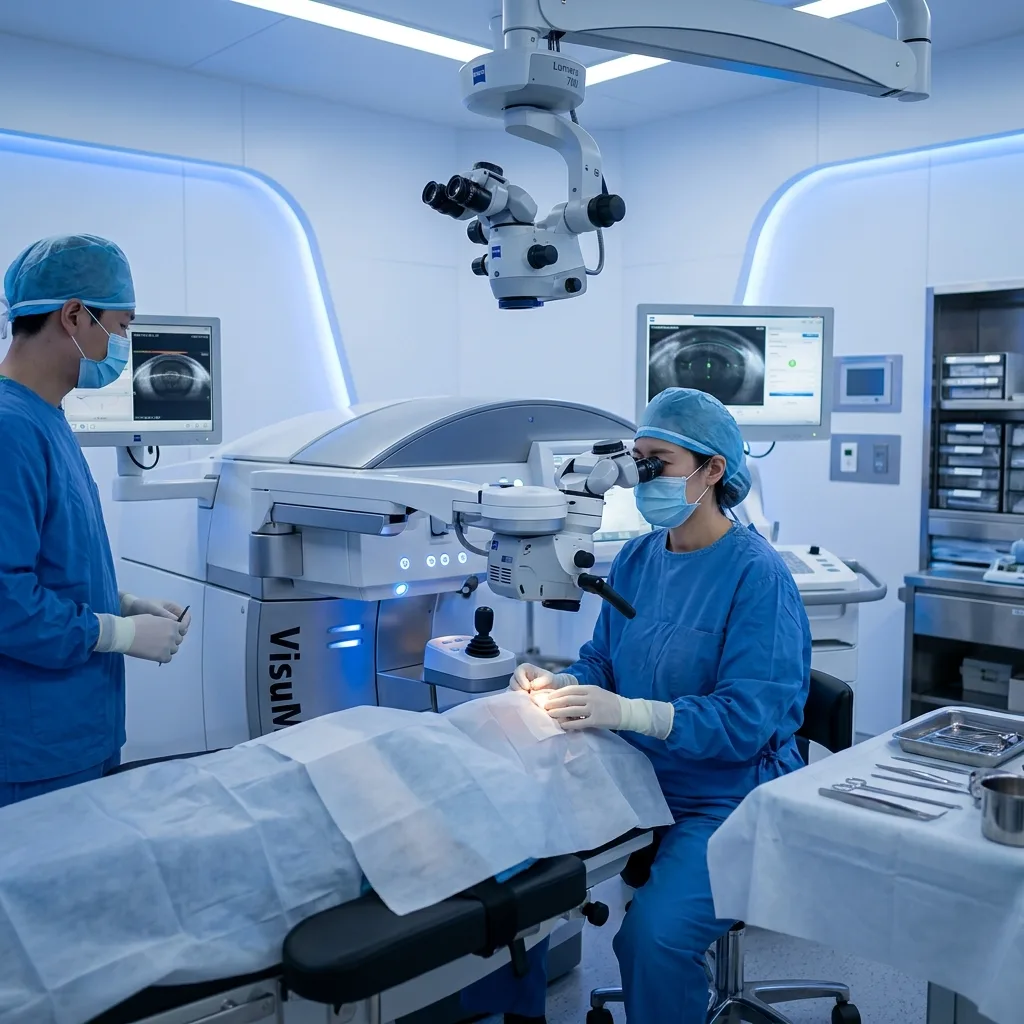
Planning LASIK or other vision correction surgery in Korea can be a smart move, but only if you treat it like a medical trip rather than a sightseeing add-on. The best outcomes come from careful clinic selection, realistic recovery planning, and enough time in Seoul or another major city to handle exams, surgery, and follow-ups without rushing.
Introduction
Korea has become one of Asia's most attractive places for refractive eye surgery because it combines high-volume clinics, advanced laser platforms, and relatively transparent pricing. For travelers, that sounds ideal on paper. In practice, the important questions are more personal: Which procedure fits your eyes? How much should you budget? How many days do you actually need in country? And what can go wrong if you try to compress recovery into a short city break?
This guide is for travelers who want a realistic, decision-first overview. It covers the main surgery types, how pricing usually works in Korea, what recovery actually feels like, and how to book without getting trapped by a quote that looks good only because it leaves out pre-op testing or follow-up care. If you are comparing medical travel options more broadly, start with the hub at Medical Tourism in Korea: Clinics, Costs & What Foreigners Need to Know, then compare the logic here with Dental Tourism in Korea: Best Clinics, Prices & What to Realistically Expect and Korean Skin Clinics for Foreigners: Botox, Fillers & Laser Treatments Guide.
If your goal is to leave Korea seeing clearly without overpaying or underpreparing, the key is simple: choose the right procedure, verify what is included in the quote, and leave enough margin in your itinerary for post-op checkups and dry-eye management.
LASIK, LASEK, SMILE, and ICL: What Travelers Should Know
If you only need the short version, here it is: LASIK is the fastest-recovery flap procedure, LASEK and PRK are surface procedures with a slower early recovery, SMILE is a newer minimally invasive option with a smaller incision, and ICL uses an implanted lens rather than reshaping the cornea. The right choice depends on your corneal thickness, prescription, dry-eye risk, and how much downtime you can afford.
The terminology matters because travelers often arrive with a price in mind before they have even figured out whether they are good candidates for that procedure. A clinic that advertises a low LASIK price may still recommend SMILE, LASEK, or ICL after diagnostic testing. That is not a bait-and-switch by itself; it is often the result of a more precise medical evaluation.
LASIK: still the quickest return to normal life
LASIK remains the best-known option because it usually delivers the fastest day-to-day recovery. A corneal flap is created, the laser reshapes the tissue underneath, and the flap is repositioned. Many patients can resume light activity quickly, but "quickly" does not mean "immediately normal." Your eyes still need rest, lubrication, and strict avoidance of rubbing.
For travelers, LASIK is appealing because it can fit into a tighter schedule than surface procedures. If you are staying in Seoul for medical care and a few days of low-key recovery, LASIK may be practical. If you plan to spend the next morning wandering around markets, taking long subway rides, or spending hours outside in spring wind or winter pollution, you are not really respecting the recovery window.
LASEK and PRK: slower start, different tradeoffs
LASEK and PRK are surface treatments that do not involve a corneal flap. They can be preferred for some thinner corneas or for people whose eye measurements make LASIK less suitable. The first few days are usually less comfortable than LASIK. That matters a lot when you are traveling, because "slower recovery" is not just a medical footnote. It changes what kind of trip you can realistically have.
If your schedule is short, surface procedures can be awkward because you may feel sensitive to light and more dependent on help with transport, meals, and orientation. They can still make sense medically, but they are not the most convenient option for an international visitor who wants to fly home promptly and resume a normal work rhythm.
SMILE: a modern middle ground
SMILE is often positioned as a more modern, minimally invasive option. In practical terms, many clinics present it as a way to reduce some of the drawbacks of flap-based surgery while still providing a relatively efficient recovery. It is especially attractive to patients who want a newer technology platform or who have been told they are better candidates for SMILE than for LASIK.
For visitors, the important thing is not the marketing label but the aftercare reality. If the clinic says SMILE is best for you, ask what the first 72 hours look like, how soon you can fly, and what symptoms are normal versus a reason to call back.
ICL: lens implantation instead of corneal reshaping
ICL, or implantable collamer lens surgery, is different from LASIK-family procedures because it places a lens inside the eye rather than changing the cornea. That makes it relevant for certain higher prescriptions or corneal profiles that are not ideal for laser correction. It is not a casual add-on. It is a separate surgical decision with its own recovery and follow-up expectations.
Travelers often overlook ICL because they arrive asking for "LASIK" generically. A good clinic will not force a one-size-fits-all answer. It should explain whether ICL gives you a better visual outcome, a more predictable recovery, or simply a safer path based on your measurements.
The first question is not price, it is eligibility
The most common mistake first-time visitors make is asking "How much is LASIK in Korea?" before asking "Am I actually a LASIK candidate?" The order matters. Corneal thickness, prescription stability, dry-eye history, contact lens use, and previous eye issues all shape the recommendation. A proper diagnostic exam is not a formality; it is the basis for deciding whether surgery is wise at all.
Why Korea Attracts Medical Travelers for Eye Surgery
Korea's reputation in vision correction comes from a mix of scale, specialization, and efficiency. Seoul and other large cities have clinics that see a high volume of international patients, so the consultation flow is often streamlined. English support is common in the areas that see medical travelers most often, especially in Gangnam and other central districts.
There is also a practical travel advantage: Korea is easy to combine with a short city stay. You can arrive, get tested, have the procedure if you qualify, and then spend a few quiet days recovering in a hotel rather than trying to navigate a complicated domestic transit network. That makes the country attractive not only to residents in Asia but also to visitors who are already planning a broader trip.
Another reason Korea works well for eye surgery is the clarity of the package model. Many clinics bundle the pre-operative diagnostic exam, the surgery itself, and at least some post-op care into a single quote. A current 2026 clinic page from Seoul Vision Clinic, for example, lists standard LASIK at roughly KRW 1,000,000 to 2,500,000 per eye, with both-eyes packages commonly around KRW 2,400,000 to 4,800,000 total. It also notes that custom or wavefront LASIK, femto-LASIK, and SMILE-style procedures are priced higher. That kind of price range is broad, but it is useful because it tells you the quote is driven by technology and case complexity, not just by the city's name.
What Korea does not give you automatically is a shortcut around medical caution. A glossy clinic website and a lower price do not replace a thorough eye exam. In fact, the more compressible the trip looks, the more important it is to slow down the decision process before you commit.
What a good clinic should explain clearly
A trustworthy clinic should be able to explain the following without making you feel rushed:
- Which procedure it recommends and why
- What parts of the quote are included
- Whether the cost covers pre-op testing, surgery, medications, and follow-up visits
- How long you should stay before flying
- What symptoms are normal during recovery
- How to reach them if something feels wrong after you leave
If that information is vague, treat it as a warning sign rather than a minor inconvenience. The same instinct applies to other forms of medical travel too: the most reliable providers are usually the ones that are upfront about what is and is not included. That is the same reason travelers should approach Korean Skin Clinics for Foreigners: Botox, Fillers & Laser Treatments Guide with skepticism toward too-good-to-be-true package pricing.
Why international patients often choose Gangnam
Gangnam is the obvious medical tourism corridor because it clusters clinics, translators, hotels, restaurants, and transport in one manageable area. If you are coming in for eye surgery, that convenience matters more than a picturesque neighborhood. A short walk from a hotel to a clinic is worth more than a cheaper room that forces you onto multiple subway transfers while your eyes are still sensitive to light.
The downside of the area is that convenience comes at a premium. Prices can sit toward the higher end of the range because the area is competitive, polished, and full of clinics targeting foreign patients. That does not make it a bad choice. It just means you should compare the package contents carefully instead of assuming that every quote includes the same things.
Practical Guide
Hours, admission, and how bookings usually work
Eye surgery clinics in Korea are not casual walk-in places. A current 2026 clinic page for Seoul Vision Clinic says all visits are by appointment only and recommends booking in advance by phone, online booking, or WhatsApp consultation. That is the right mental model for travelers: think reservation first, not spontaneous drop-in.
As for hours, clinic schedules vary, but the broader pattern is familiar to anyone planning medical travel in Seoul: weekday business hours are common, some clinics offer Saturday availability, and most are not set up for a traveler who wants to arrive unannounced. The important part is to confirm the exact appointment window before you fly, then build your hotel and arrival timing around that slot.
There is no "admission fee" in the travel sense. What you are usually paying for is the consultation and diagnostic workup, then the procedure itself if you are cleared for surgery. Some clinics fold the exam into the package, while others separate the testing and the operation. Do not assume the cheapest headline number includes everything.
Prices: what you should budget
The most useful budgeting range depends on the procedure type, not the city slogan. Based on current 2026 clinic pricing that is publicly listed, a practical planning range is:
- Standard LASIK: roughly KRW 1,000,000 to 2,500,000 per eye
- Both-eyes package pricing: commonly KRW 2,400,000 to 4,800,000 total
- Custom or wavefront LASIK: often KRW 2,000,000 to 3,500,000 per eye
- Femto-LASIK: often KRW 2,500,000 to 4,000,000 per eye
- SMILE and other modern variants: usually KRW 3,000,000+ per eye
Those figures are wide enough to remind you that the clinic, technology, surgeon experience, and diagnostic bundle all matter. If you see a quote that sits far below that range, ask what is missing. Sometimes the answer is harmless, like a promotional exam fee. Sometimes the answer is a long list of exclusions that will make the final bill much closer to the normal market rate.
How to get there without stressing your eyes
If your clinic is in Gangnam or another central Seoul district, plan the route around comfort, not novelty. A direct airport transfer, taxi, or a straightforward subway route is better than trying to transfer across town with dilating drops in your eyes and a paper map in hand.
For the first appointment, arrive early enough to handle registration, questionnaires, and any contact-lens rules the clinic has asked you to follow beforehand. Some clinics want you out of contacts for days or longer before the measurement exam. If you ignore that instruction, your measurements may be less accurate and the surgery may be delayed.
Travelers staying in Seoul should keep the recovery hotel close to the clinic, ideally on a simpler subway line or within a short taxi ride. After eye surgery, even basic tasks like checking street signs, reading menus, or finding the right station exit can feel more tedious than usual.
What a normal consultation flow looks like
Most clinics follow a similar sequence:
- Registration and basic history
- Vision tests and corneal measurements
- Doctor consultation
- Procedure recommendation
- Cost explanation
- Surgery scheduling, if appropriate
The diagnostic exam is where the real value is. You are not just "confirming" that you want LASIK. You are finding out whether your eyes are better suited to LASIK, LASEK, SMILE, ICL, or no surgery at all. That is a service worth paying for, because the wrong procedure is far more expensive than the right one.
Booking links and official contact paths
Because clinics change their own booking systems over time, the safest approach is to use the official contact channel on the clinic's site rather than relying on third-party listings. The Seoul Vision Clinic page currently provides an appointment path through its phone, online booking, and WhatsApp consultation link. That is exactly the kind of direct channel you want when you are planning surgery abroad. It reduces the chance of lost messages and gives you a place to ask about pre-op instructions in advance.
If you are comparing multiple elective treatments in the same trip, use the same habit everywhere. Ask for the official consultation route, confirm what languages are supported, and save screenshots of the price quote and the clinic's instructions. That process is not glamorous, but it is what keeps a medical trip organized.
How long you should stay in Korea
Your stay depends on the procedure and how conservative your clinic is about follow-up timing. LASIK may require less downtime than surface procedures, but you still need enough time for a post-op check before you leave, especially if the clinic wants to verify early healing. SMILE and ICL can also require follow-up visits that are difficult to compress into a one-night stay.
As a practical minimum, many travelers should think in terms of several days rather than a single overnight. If you have a flexible itinerary, two to five nights in Korea gives you a far better buffer than trying to fly out immediately after surgery. That buffer is especially useful if your eyes are dry, if the clinic wants another check, or if your original procedure date shifts.
Tips & Common Mistakes
1. Do not book your flight around the cheapest quote
The cheapest price is not always the lowest total cost. If a clinic requires extra testing, extra visits, or a longer stay, the final trip cost can rise quickly. Compare the full package, not just the surgery line item. This is the same trap travelers fall into when they compare hotel nightly rates without noticing airport transfer costs or long commute times.
2. Respect contact-lens rules before your exam
If your clinic tells you to stop wearing contacts in advance, do it. Contacts can affect corneal shape and reduce measurement accuracy. This is one of the easiest mistakes to avoid, yet it can delay the entire trip if you arrive with the wrong pre-op setup.
3. Do not plan a busy tourist schedule for the first 48 hours
The romantic version of medical travel is "surgery in the morning, palace tour in the afternoon." The real version is rest, drops, sunglasses, and keeping your eyes away from dust and wind. Even if you feel mostly fine, overdoing it too soon is not worth the risk.
4. Bring sunglasses, artificial tears, and a low-friction itinerary
These are small things, but they matter. Sunglasses help with light sensitivity. Preservative-free artificial tears can be essential if your eyes feel dry. A low-friction itinerary means short rides, quiet meals, and minimal walking through crowded streets.
5. Ask what happens if you have a problem after you fly home
This is the question many travelers forget to ask. A good clinic should tell you how to reach them, what symptoms need urgent attention, and whether they can coordinate with an eye doctor in your home country if something unusual appears later.
6. Know that recovery is not just about the eyes
Recovery also affects your schedule, your energy, and your patience. If you are traveling with a partner or family member, make sure they understand that you may need help with navigation, reading small print, and basic errands. That becomes especially important if you are already stacking the surgery trip on top of other travel plans.
7. Do not confuse "popular with foreigners" with "best for you"
Some clinics are very good at foreign patient service but may not be ideal for your specific prescription. The strongest choice is the clinic that gives you the clearest medical explanation, not the one with the flashiest English landing page. The same advice applies to other visitor-focused services, whether you are comparing medical options or choosing between dental clinics and skin treatment providers.
8. Be realistic about dry-eye risk
Dry eyes are one of the most common post-op issues travelers encounter, especially if they already work on screens all day or wear contacts heavily. Korea's climate, your hotel air conditioning, and your own travel schedule can make this worse. Plan for lubrication and downtime, not just the day of surgery.
9. Use your hotel as part of the treatment plan
A quiet room, a strong blackout curtain, and a walkable location are not luxury extras after surgery. They are part of the medical setup. If your eyes are light-sensitive, a noisy, exposed, high-traffic hotel is a bad bargain even if the rate is attractive.
FAQ
Is LASIK cheaper in Korea than in the US?
Often, yes. But the better comparison is not just "cheaper versus more expensive." Korea can be cost-competitive because clinics run efficiently and see high volumes of patients. You still need to compare the technology, surgeon experience, and follow-up care. A lower headline price is only helpful if the full package is comparable.
How do I know whether I need LASIK, LASEK, SMILE, or ICL?
You do not decide that from a flight search page. You decide it after a diagnostic eye exam. Corneal thickness, prescription strength, dry-eye history, and overall eye health determine candidacy. If a clinic gives you a recommendation before it measures your eyes, be cautious.
Can I have surgery and fly home the next day?
Sometimes travelers want to, but that does not mean they should. The safer plan is to leave enough time for a follow-up check and for your vision to settle enough that travel feels manageable. The exact timing depends on procedure type and the clinic's protocol, so ask before booking your return flight.
What should I ask the clinic before I book?
Ask four things first: what procedure they recommend, what is included in the price, how many follow-up visits are expected, and how long you should stay in Korea. If the clinic cannot answer those cleanly, keep looking.
Are English-speaking clinics common in Seoul?
Yes, especially in areas that see a lot of medical travel such as Gangnam. Still, English support varies by clinic and by staff member. If language clarity matters to you, confirm it before you arrive and keep written instructions in your phone.
Is eye surgery in Korea safe for short-term travelers?
It can be, provided you choose a reputable clinic, complete the diagnostic workup, and leave enough time for recovery. The procedure itself is only one part of the safety picture. Your follow-up compliance and travel schedule matter just as much.
Conclusion
If you are considering LASIK or another vision correction procedure in Korea, the smartest approach is to treat it as a structured medical decision, not a bargain hunt. Korea offers strong options, especially in Seoul, but the best outcome depends on choosing the right procedure, understanding the full cost, and giving your eyes time to recover properly.
For most travelers, the winning formula is straightforward: start with a proper diagnostic exam, ask exactly what the quote covers, book an appointment through the clinic's official channel, and leave enough days in Korea to handle follow-up care before you fly. If you are building a broader medical-travel itinerary, combine this with the medical tourism hub, the visa and insurance FAQ, and the Gangnam medical district guide so the rest of your planning stays just as organized.
The main takeaway is simple: the best eye-surgery trip to Korea is the one that leaves you with clear vision and a calm schedule, not one that squeezes recovery between sightseeing stops.