Onsen Etiquette: Rules You Must Know Before Entering a Japanese Hot Spring
Learning onsen etiquette in Japan is easier when you focus on the wash station first. The real challenge is usually not the bath itself, but the small rules around towels, tattoos, quiet behavior, and how long to stay in the water.
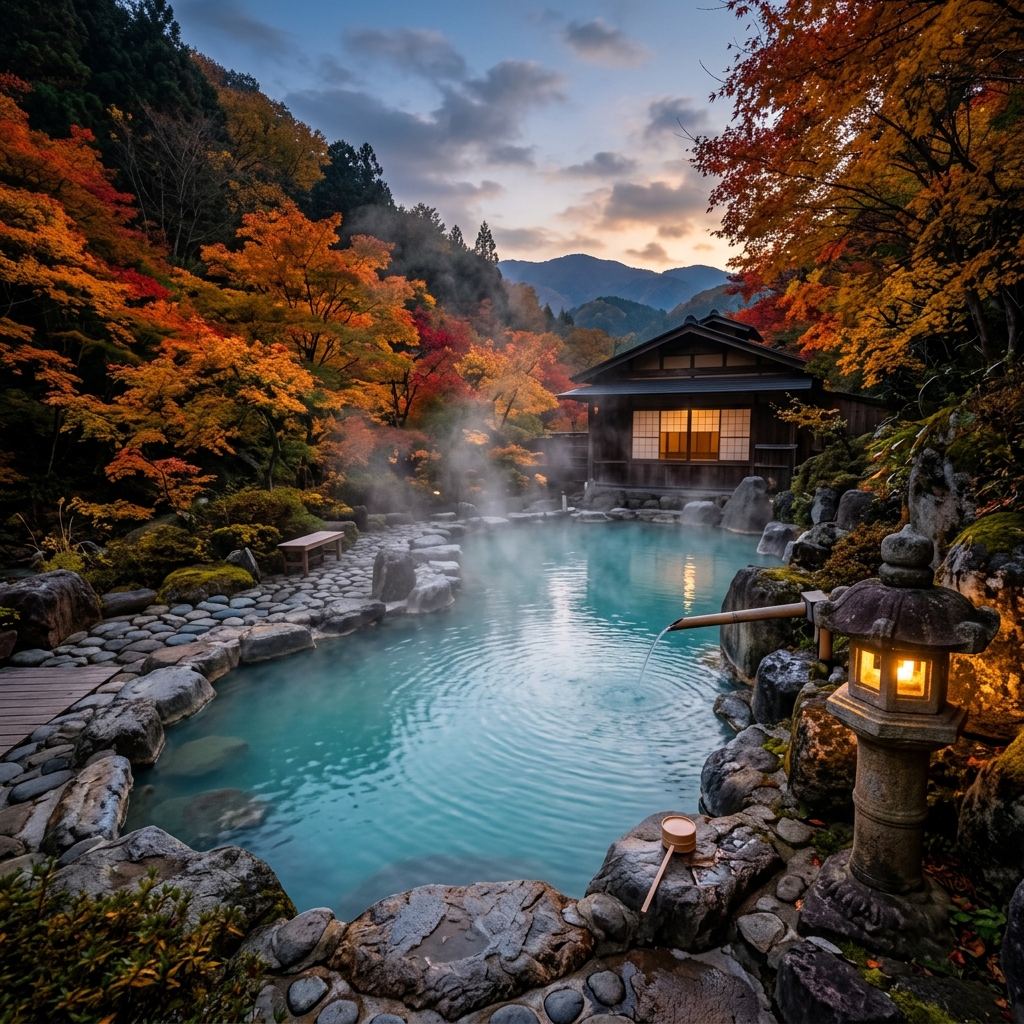
Introduction
Planning onsen etiquette in Japan is rarely difficult because of a single major obstacle. The real problem is usually a collection of smaller decisions: when to go, how to book, what the local etiquette expects, and how to keep the trip from becoming more expensive or stressful than it needs to be. That is why a practical guide helps more than a checklist of trivia.
This article keeps the focus on the choices that matter to a traveler on the ground. Along the way, I have connected it to a few useful nearby reads such as Japan Accommodation Guide: Capsule Hotels, Ryokan & Budget Hostels, Japan 7-Day Itinerary: Tokyo-Kyoto-Osaka Golden Route Planner, and Best Day Trips from Tokyo: Nikko, Kamakura, Hakone & More so you can move from one part of the trip to the next without guessing your way through the site.
Primary Topic Section
onsen etiquette starts with tone, greeting, and how directly you answer simple questions is the part of onsen etiquette that most visitors notice first, but the useful lesson is what it changes in real life. For travelers, that usually means a small adjustment in tone, timing, price expectations, or the way you ask a question.
In Japan, the same rule can look different depending on whether you are in a quiet neighborhood, a busy commercial district, a neighborhood restaurant, a station concourse, or a service counter. The safest move is to treat the rule as a local signal rather than a performance test, then match the room instead of trying to control it.
If you do that, the experience becomes much easier to manage. You spend less energy worrying about whether you are doing it perfectly and more energy noticing what actually improves the trip, what avoids friction, and what helps you leave a good impression.
Indirect refusals and gentle corrections usually save everyone from unnecessary friction is the part of onsen etiquette that most visitors notice first, but the useful lesson is what it changes in real life. For travelers, that usually means a small adjustment in tone, timing, price expectations, or the way you ask a question.
In Japan, the same rule can look different depending on whether you are in a quiet neighborhood, a busy commercial district, a neighborhood restaurant, a station concourse, or a service counter. The safest move is to treat the rule as a local signal rather than a performance test, then match the room instead of trying to control it.
If you do that, the experience becomes much easier to manage. You spend less energy worrying about whether you are doing it perfectly and more energy noticing what actually improves the trip, what avoids friction, and what helps you leave a good impression.
Dining, toasting, and splitting costs can work very differently from what many visitors expect is the part of onsen etiquette that most visitors notice first, but the useful lesson is what it changes in real life. For travelers, that usually means a small adjustment in tone, timing, price expectations, or the way you ask a question.
In Japan, the same rule can look different depending on whether you are in a quiet neighborhood, a busy commercial district, a neighborhood restaurant, a station concourse, or a service counter. The safest move is to treat the rule as a local signal rather than a performance test, then match the room instead of trying to control it.
If you do that, the experience becomes much easier to manage. You spend less energy worrying about whether you are doing it perfectly and more energy noticing what actually improves the trip, what avoids friction, and what helps you leave a good impression.
Shoes, seating, doors, and indoor boundaries matter more than most first-timers realize is the part of onsen etiquette that most visitors notice first, but the useful lesson is what it changes in real life. For travelers, that usually means a small adjustment in tone, timing, price expectations, or the way you ask a question.
In Japan, the same rule can look different depending on whether you are in a quiet neighborhood, a busy commercial district, a neighborhood restaurant, a station concourse, or a service counter. The safest move is to treat the rule as a local signal rather than a performance test, then match the room instead of trying to control it.
If you do that, the experience becomes much easier to manage. You spend less energy worrying about whether you are doing it perfectly and more energy noticing what actually improves the trip, what avoids friction, and what helps you leave a good impression.
Secondary Topic Section
Public disagreement is usually better handled privately than in front of a group is the part of onsen etiquette that most visitors notice first, but the useful lesson is what it changes in real life. For travelers, that usually means a small adjustment in tone, timing, price expectations, or the way you ask a question.
In Japan, the same rule can look different depending on whether you are in a quiet neighborhood, a busy commercial district, a neighborhood restaurant, a station concourse, or a service counter. The safest move is to treat the rule as a local signal rather than a performance test, then match the room instead of trying to control it.
If you do that, the experience becomes much easier to manage. You spend less energy worrying about whether you are doing it perfectly and more energy noticing what actually improves the trip, what avoids friction, and what helps you leave a good impression.
Messaging and translation apps work best when the wording is concise and respectful is the part of onsen etiquette that most visitors notice first, but the useful lesson is what it changes in real life. For travelers, that usually means a small adjustment in tone, timing, price expectations, or the way you ask a question.
In Japan, the same rule can look different depending on whether you are in a quiet neighborhood, a busy commercial district, a neighborhood restaurant, a station concourse, or a service counter. The safest move is to treat the rule as a local signal rather than a performance test, then match the room instead of trying to control it.
If you do that, the experience becomes much easier to manage. You spend less energy worrying about whether you are doing it perfectly and more energy noticing what actually improves the trip, what avoids friction, and what helps you leave a good impression.
Wash thoroughly before entering the bath, because the shared water is the whole point of the etiquette is the part of onsen etiquette that most visitors notice first, but the useful lesson is what it changes in real life. For travelers, that usually means a small adjustment in tone, timing, price expectations, or the way you ask a question.
In Japan, the same rule can look different depending on whether you are in a quiet neighborhood, a busy commercial district, a neighborhood restaurant, a station concourse, or a service counter. The safest move is to treat the rule as a local signal rather than a performance test, then match the room instead of trying to control it.
If you do that, the experience becomes much easier to manage. You spend less energy worrying about whether you are doing it perfectly and more energy noticing what actually improves the trip, what avoids friction, and what helps you leave a good impression.
Towels, hair, and tattoos can all have special rules, so it is worth checking the bathhouse policy before you strip down is the part of onsen etiquette that most visitors notice first, but the useful lesson is what it changes in real life. For travelers, that usually means a small adjustment in tone, timing, price expectations, or the way you ask a question.
In Japan, the same rule can look different depending on whether you are in a quiet neighborhood, a busy commercial district, a neighborhood restaurant, a station concourse, or a service counter. The safest move is to treat the rule as a local signal rather than a performance test, then match the room instead of trying to control it.
If you do that, the experience becomes much easier to manage. You spend less energy worrying about whether you are doing it perfectly and more energy noticing what actually improves the trip, what avoids friction, and what helps you leave a good impression.
Practical Guide
A good practical plan for onsen etiquette starts with the parts that affect cost, timing, and convenience. In Japan, that usually means deciding whether the experience works better as a same-day outing, a half-day visit, or a booking that is tied to a larger itinerary.
- Day-use baths often charge a modest entry fee, while private baths and ryokan stays can cost significantly more depending on the location and season.
- If you are nervous, arrive a little early, ask where to change, and confirm whether the bath allows tattoos or only offers private options.
- The most useful habit is to move slowly and intentionally: rinse, wash, rinse again, then enter the bath with clean skin and no soap residue.
- A good onsen day is not about staying in the water as long as possible. It is about using the bath in a way that leaves you relaxed rather than overheated.
The most important thing is to match the logistics to your travel rhythm. If the activity needs recovery time, follow-up, a language bridge, or a reservation window, build that into the day instead of hoping the schedule will somehow absorb it on its own.
Tips & Common Mistakes
The easiest mistakes around onsen etiquette usually come from assuming the rules are either stricter or looser than they really are. In practice, the gap is usually somewhere in between: local expectations are real, but they are often straightforward once you slow down and watch what people actually do.
- Do not carry a loud resort mindset into a quiet bathhouse; calm behavior is part of the experience.
- If a policy is unclear, ask before entering instead of assuming the obvious answer will be accepted.
If you remember that the goal is smooth participation rather than perfect insider status, you will avoid most of the awkward moments. The traveler who stays observant, asks direct but polite questions, and leaves room for local timing usually gets a much better result than the traveler who rushes to prove they already understand everything.
FAQ
Are tattoos a problem?
Sometimes, yes. Policies vary by bathhouse, so check in advance. Private baths are the easiest workaround if you do not want to rely on a tattoo-friendly public option.
What is the main beginner mistake?
Skipping the wash station. Showering properly before entering is the core rule, and it is the easiest one to forget when you are excited or nervous.
Do I need to stay overnight?
No. Many places offer day-use bathing, though ryokan stays give you the most complete experience.
How much should I budget?
Day-use options are usually modest, while private baths and ryokan rooms cost more. Budget based on whether you want a quick soak or a full overnight experience.
Conclusion
The best way to approach onsen etiquette is to treat it as a set of small decisions that all work together: timing, etiquette, booking, budget, and how much flexibility you leave in the day. If you want to keep planning, the most useful next reads are Japan Accommodation Guide: Capsule Hotels, Ryokan & Budget Hostels, Japan 7-Day Itinerary: Tokyo-Kyoto-Osaka Golden Route Planner, and Best Day Trips from Tokyo: Nikko, Kamakura, Hakone & More, because they help turn this guide into a complete itinerary instead of an isolated decision.
Private baths and ryokan stays solve many first-timer concerns and can be the easiest way to enjoy the experience calmly is the part of onsen etiquette that most visitors notice first, but the useful lesson is what it changes in real life. For travelers, that usually means a small adjustment in tone, timing, price expectations, or the way you ask a question.
In Japan, the same rule can look different depending on whether you are in a quiet neighborhood, a busy commercial district, a neighborhood restaurant, a station concourse, or a service counter. The safest move is to treat the rule as a local signal rather than a performance test, then match the room instead of trying to control it.
If you do that, the experience becomes much easier to manage. You spend less energy worrying about whether you are doing it perfectly and more energy noticing what actually improves the trip, what avoids friction, and what helps you leave a good impression.
Hydration, water temperature, and how long you stay in the bath matter more than people expect is the part of onsen etiquette that most visitors notice first, but the useful lesson is what it changes in real life. For travelers, that usually means a small adjustment in tone, timing, price expectations, or the way you ask a question.
In Japan, the same rule can look different depending on whether you are in a quiet neighborhood, a busy commercial district, a neighborhood restaurant, a station concourse, or a service counter. The safest move is to treat the rule as a local signal rather than a performance test, then match the room instead of trying to control it.
If you do that, the experience becomes much easier to manage. You spend less energy worrying about whether you are doing it perfectly and more energy noticing what actually improves the trip, what avoids friction, and what helps you leave a good impression.
Additional Notes
A useful final lens for onsen etiquette is that the experience becomes much easier once you stop treating it as a single decision and start treating it as a sequence. When you know what the next conversation, booking step, or arrival detail is supposed to do, you can move through the day with less friction and fewer surprises.
That is especially true in travel-heavy destinations where the local system is already optimized for residents who know the rhythm. Visitors do not need to become insiders overnight; they only need enough context to recognize the pace, respect the setting, and keep the day moving in the right direction.
Additional Notes
A useful final lens for onsen etiquette is that the experience becomes much easier once you stop treating it as a single decision and start treating it as a sequence. When you know what the next conversation, booking step, or arrival detail is supposed to do, you can move through the day with less friction and fewer surprises.
That is especially true in travel-heavy destinations where the local system is already optimized for residents who know the rhythm. Visitors do not need to become insiders overnight; they only need enough context to recognize the pace, respect the setting, and keep the day moving in the right direction.
Additional Notes
A useful final lens for onsen etiquette is that the experience becomes much easier once you stop treating it as a single decision and start treating it as a sequence. When you know what the next conversation, booking step, or arrival detail is supposed to do, you can move through the day with less friction and fewer surprises.
That is especially true in travel-heavy destinations where the local system is already optimized for residents who know the rhythm. Visitors do not need to become insiders overnight; they only need enough context to recognize the pace, respect the setting, and keep the day moving in the right direction.