Gift Giving in China: Colors, Numbers & Taboos to Know

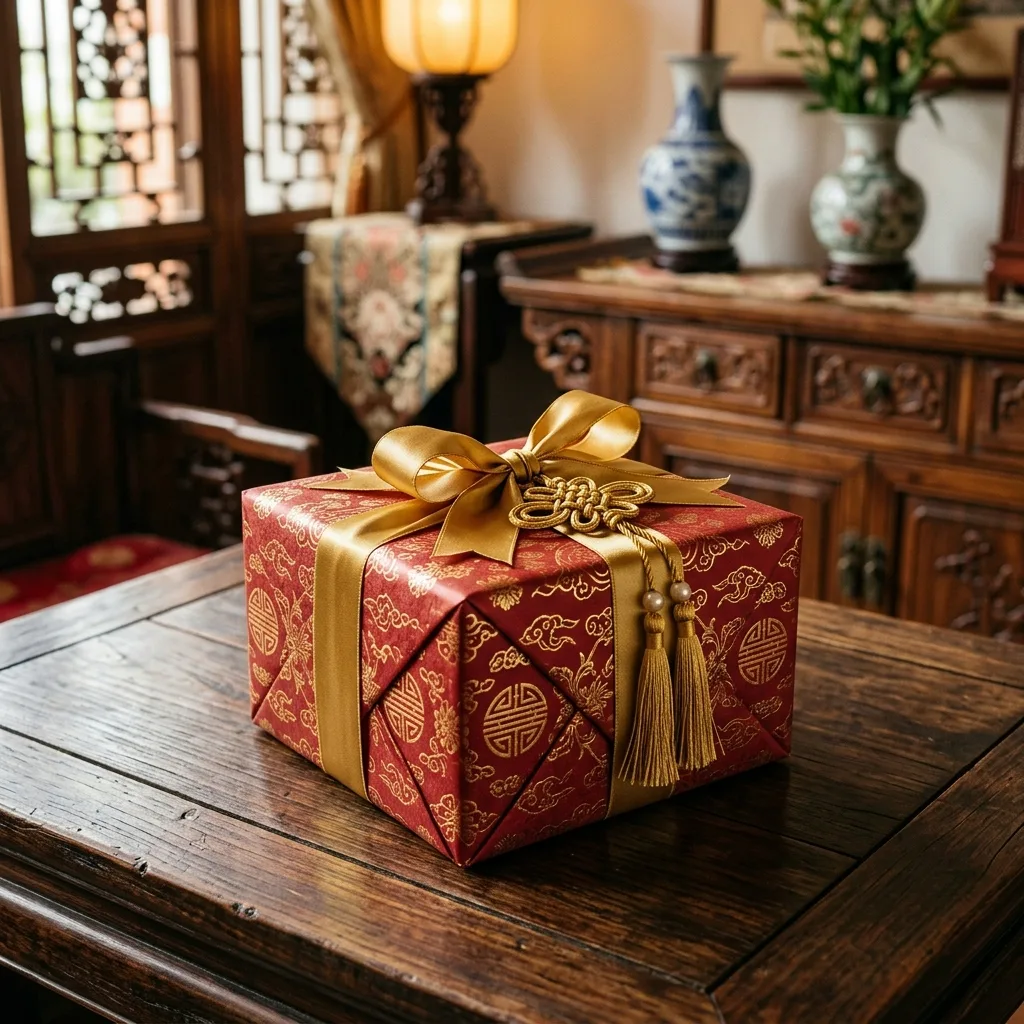
If you are traveling in China, one small gift can do a lot of social work. It can turn a first meeting into a warm relationship, show gratitude to a host, or signal that you understand local etiquette. The problem is that the wrong color, number, or object can create exactly the opposite impression. This guide explains the practical side of gift giving in China so you can choose something appropriate, avoid common taboos, and present it with confidence.
Introduction
Gift giving in China is not only about generosity. It is about relationship, timing, symbolism, and restraint. A thoughtful gift can express respect without sounding overly formal, while a careless one can feel rushed, insensitive, or even unlucky. Travelers usually do not need to memorize every regional custom, but they do need a few clear rules: understand the symbolic meaning of colors and numbers, avoid the most obvious taboo items, and pay attention to how a gift is offered.
In practice, the best gifts are usually simple, useful, and easy to share. Tea, specialty snacks, quality fruit, local products from your home country, or a modest souvenir with a story behind it tend to work better than expensive luxury items. What matters most is not spending the most money. It is showing that you paid attention to the person, the situation, and the cultural signals around you.
What this article covers
This article breaks the topic into the parts travelers actually need. First, it explains the logic behind gift giving in China and why face, reciprocity, and modesty matter so much. Then it walks through colors, numbers, and common taboo objects. Finally, it gives a practical, traveler-friendly guide to choosing, wrapping, and presenting gifts without overthinking every detail.
A quick note on context
If you are building a China trip and want the surrounding logistics to feel smooth, it helps to understand more than etiquette alone. For example, having a working data plan can make it easier to message a host or translate a label, so a practical article like China SIM Card Guide 2026: eSIM, Local Cards & Roaming Options can be useful before you arrive. Money habits matter too, which is why Currency in China: Where to Exchange, Use Cards & Avoid Scams is a good companion read.
The Meaning Behind Gift Giving in China
Gift giving in China is best understood as a social language. A gift can communicate appreciation, humility, respect, hospitality, and long-term goodwill. In many settings, the value of the gift is less important than the message behind it. Travelers who treat gifting as a ritual instead of a transaction tend to make fewer mistakes.
At a glance: gift giving in China is about relationship-building, not just exchange. Favor practical, modest gifts; avoid symbols associated with death, separation, or embarrassment; and present the gift with both hands and a few polite words. If the recipient hesitates, that is often courtesy, not refusal.
Relationship comes first
In Chinese social life, the relationship often matters more than the item itself. A gift is frequently a bridge, not a prize. It helps establish trust, acknowledges hospitality, or shows that you value the other person's time. This is especially true when visiting someone's home, meeting a client, thanking a teacher, or returning a favor.
For travelers, this means you should think about the relationship before you think about the object. A host who invited you for dinner does not necessarily want something expensive. A guide who spent extra time helping you might appreciate something thoughtful and personal. A business contact will usually value appropriateness and restraint over flashiness.
Mianzi and reciprocity
The idea of face, or mianzi, is a major reason gifts need care. A gift can help someone save face by making them feel respected. It can also cause discomfort if it is too extravagant, too personal, or too hard to reciprocate. This is why people often downplay the value of what they give and what they receive.
That same logic also explains why a recipient may initially refuse a gift once or twice. The refusal is often ceremonial, a way to show modesty and avoid appearing eager or greedy. A small insistence from the giver is normal, but you should not push aggressively. Think of the exchange as a polite dance, not a negotiation.
When gifts are expected
You do not need a gift for every interaction in China. In many casual travel situations, a sincere thank-you is enough. Gifts become more relevant when you are entering a private home, celebrating a festival, thanking someone for a favor, visiting elders, or participating in a formal business context.
Common situations where a small gift is appropriate include:
- A host inviting you to dinner or a weekend stay
- A family member or friend's parents welcoming you
- A teacher, mentor, or colleague doing you a special favor
- A holiday visit, especially around Lunar New Year or Mid-Autumn Festival
- A business meeting where gifts are part of the relationship-building process
The safest approach for travelers is to keep gifts modest unless the other side clearly sets a higher standard. If you are unsure, ask a local friend or the host's assistant, and remember that sincerity beats spectacle.
Colors, Numbers, and Taboos
Color and number symbolism in China is not a superstition on the side. It is part of the cultural grammar of gifting. Some meanings are universal enough that almost every traveler should know them. Others vary by region, age, and context, but the common patterns are consistent enough to matter.
Lucky and unlucky colors
Color symbolism in China is especially important for wrapping paper, gift bags, and sometimes the gift itself.
| Color | Common association | Travel note |
|---|---|---|
| Red | Luck, celebration, happiness | Usually the safest festive choice |
| Gold | Prosperity, success, abundance | Often paired with red for celebrations |
| White | Mourning, funerals, solemnity | Avoid for happy gifts and wrapping |
| Black | Seriousness, bad luck, formality | Best avoided for celebratory gifts |
| Green | Can be neutral, but "green hat" symbolism can be sensitive | Be careful with hats or hat-themed gifts |
| Yellow | Imperial prestige, elegance in some contexts | Usually fine, but not especially necessary |
Red is the color travelers will see most often in celebratory contexts. It is used for envelopes, wedding decorations, holiday wrapping, and festive branding. If you want a simple default, red is a strong choice. Gold also works well because it suggests prosperity and success.
White and black are the colors to watch. White is especially associated with funerals and sorrow, so it is not ideal for festive gifts or wrapping. Black can feel too somber unless the context is formal or design-driven. Green is more complicated because the phrase "green hat" carries a strong symbolic meaning in some settings, so avoid gifting a hat unless you are absolutely certain it is appropriate.
Numbers that matter
Numbers matter in gift amounts, gift sets, room numbers, and even the way items are grouped. Here are the most useful ones to know:
- 8 is lucky because it sounds like prosperity or getting rich
- 6 is often associated with smooth progress and things going well
- 9 can suggest longevity and permanence
- 2 is often favorable because good things come in pairs
- 4 is widely avoided because it sounds close to death
- 14 can be especially unlucky in some contexts because it can sound like a harsher phrase depending on dialect and pronunciation
If you are giving money, many people prefer amounts that contain 8s or 6s and avoid 4s. This does not mean you need to calculate everything like a puzzle. It does mean that a price ending in 88 or 168 can feel more auspicious than one ending in 40 or 44.
Taboo objects
The most common gift taboos are easy to remember once you see the logic behind them. Many bad gifts are linked to funerals, separation, cutting ties, or bad luck.
Avoid these unless you know the recipient specifically welcomes them:
- Clocks or watches, which can imply time running out
- Umbrellas, which can suggest separation because of the sound of the word
- Pears, especially when given individually, in some contexts associated with separation
- Sharp objects such as knives or scissors, which symbolically cut relationships
- Shoes, which can carry awkward connotations depending on the context
- White flowers, which are associated with mourning
- Sets of four items, especially if the grouping is obvious and avoidable
Not every taboo is equally severe in every region, and younger urban recipients may be more flexible than older relatives. But if you are a visitor and want the safest possible choice, it is easier to avoid these items entirely than to explain yourself afterward.
What to do if a taboo gift is already purchased
If you already bought something that is culturally awkward, do not panic. First, ask whether the issue is truly about the object or just the packaging. Some items can be made less risky through a different presentation. Second, consider pairing the item with a note that clarifies the intention, especially if it is a practical object rather than a symbolic one. Third, if you are still unsure, choose a backup gift and keep the original as a personal souvenir.
The key point is to avoid forcing a gift that might distract from your good intentions. Courtesy is easier to notice when the gift itself is not drawing attention for the wrong reasons.
Face culture and the gift itself
This is where the broader etiquette picture matters. A gift is not only about luck; it is also about how it affects dignity and social balance. Articles such as Face Culture in China: Mianzi & How It Affects Your Interactions as a Traveler help explain why people may deflect praise, refuse a gift at first, or insist that "it is nothing." That behavior is often a sign of good manners, not indecision.
Practical Guide: What to Buy, Where to Buy, and How to Give It
The practical side of gift giving in China is less about finding a perfect object and more about choosing something that fits the occasion. A host gift, a business gift, and a festival gift are not the same thing. If you know the context, you can choose something small and appropriate instead of chasing an expensive but risky solution.
Good gift categories for travelers
If you are visiting friends, a host family, or local contacts, these categories are usually safer than novelty gifts:
- Specialty tea from your home country
- High-quality chocolates or cookies, if you know the recipient likes sweets
- Small local snacks that travel well
- Coffee or specialty drinks from your country
- A tasteful regional souvenir with a story
- Quality fruit, if it is fresh and easy to share
- Children's books, stationery, or culturally interesting items for families
Try to choose items that are easy to explain. A gift that comes with a story feels more personal than a generic branded object. If the item is edible, practical, and easy to split, it often lands well. Avoid anything that seems like a joke, a leftover, or a promotional giveaway.
Where to buy gifts
You do not need a special ceremonial shop. In many Chinese cities, useful gifts can be found in department stores, tea shops, specialty food stores, airport shops, and quality supermarkets. For travelers, the practical question is not "where is the most authentic place?" but "where can I buy something clean, reliable, and easy to carry?"
If you are shopping on the move, think in terms of convenience and packaging quality:
- Airport shops are fine for last-minute gifts, but they can be expensive
- Tea shops are excellent for a premium but manageable host gift
- Supermarkets are good for snacks, fruit, and practical items
- Department stores offer wider presentation options and better wrapping
- Museum shops can provide tasteful local souvenirs if you want a cultural angle
The ideal gift is often not the most symbolic thing in the store. It is the thing you can present neatly, explain clearly, and hand over without causing a scene.
How to present a gift
Presentation matters almost as much as the object. A few simple behaviors are worth remembering:
- Offer the gift with both hands.
- Use a few polite words to frame it as a small token.
- Do not make the exchange too rushed.
- Be ready for a modest refusal or hesitation.
- Let the recipient lead the pace when they accept it.
The phrase you use can be simple. You do not need a perfect Mandarin speech. A warm sentence with respect is enough. If you can say a short thank-you in Mandarin, that is a plus, but not a requirement. The gesture matters more than flawless vocabulary.
Should the recipient open the gift immediately?
This depends on the setting. In some private, relaxed situations, the gift may be opened right away. In more formal settings, the recipient may set it aside and open it later. Do not insist on a live reaction. That kind of pressure can create the opposite of what you intended.
As a traveler, your job is to give the gift gracefully and then let the host decide how to handle it. If they open it immediately, be cheerful but not theatrical. If they set it aside, accept that calmly. Either response can be polite.
How much should you spend?
There is no universal spending rule, but there is a practical range. For casual host gifts, something modest but well chosen is usually best. For business gifting, the important thing is to avoid appearing either stingy or extravagant. A gift that is too expensive may create pressure, awkward reciprocity, or suspicion.
The safest strategy is to spend enough that the item feels thoughtful, not so much that it feels like an obligation. If you are uncertain, choose quality over size. A small, well-made item is often better than a large, generic one.
Travel planning that affects gifting
Gift giving becomes easier when the rest of the trip is organized. If you need to communicate with a host, a driver, or a local friend, a working connection helps a lot, which is why a practical read like China SIM Card Guide 2026: eSIM, Local Cards & Roaming Options can save time before you shop. Similarly, if you are paying for snacks, wrapping, or transport, the advice in Currency in China: Where to Exchange, Use Cards & Avoid Scams helps you avoid last-minute friction.
If the gift is part of a dinner invitation
When you are invited to eat at someone's home or at a private banquet, the gift often serves as a thank-you rather than a centerpiece. Tea, fruit, dessert, or a regional specialty from your own city are all reasonable options. Bring it at the beginning of the visit unless the host has told you to do something different. Then present it simply and let the host take control of the atmosphere.
If the group includes elders, be slightly more formal. If children are present, small extras for the kids can be thoughtful, but do not let the children's gifts overshadow the main host gift. In every case, the goal is to add warmth, not create an accounting problem.
What not to do in practical terms
A lot of gift mistakes are not about symbolism but about presentation errors. Do not arrive empty-handed to a situation where a small gift is expected. Do not hand over a gift with one hand if both hands are possible. Do not joke about bad luck if you have just chosen an unlucky object. And do not assume your own culture's gift norms will transfer cleanly.
If you are not sure what level of formality to use, match the host's tone. A relaxed dinner can take a relaxed gift. A formal visit to elders or business partners deserves a more careful choice.
Tips & Common Mistakes
Most gift problems happen because travelers overcomplicate the decision or miss the social cue. You do not need a giant checklist. You need a few reliable instincts and a willingness to keep things simple.
The biggest mistakes travelers make
The most common error is choosing something expensive because it feels impressive. In China, expensive is not always better. A flashy gift can create awkwardness, especially if the recipient feels pressure to reciprocate at the same level. Another common mistake is using the wrong color wrapping or choosing a set that accidentally contains a culturally sensitive number.
Other mistakes include:
- Giving a highly personal item too early in a relationship
- Treating gift giving like a transaction
- Insisting the recipient open the gift immediately
- Ignoring age or hierarchy
- Handing over the gift too casually
If your instinct is to "make it memorable," slow down. In this context, memorable should mean considerate, not dramatic.
How to stay safe when in doubt
When you are unsure, use the safest possible formula:
- Choose something practical or edible.
- Keep the gift modest.
- Wrap it in a neutral-to-auspicious way, often red or elegant packaging.
- Offer it with both hands.
- Let the recipient decide how to respond.
This formula works because it respects the main cultural values without requiring you to memorize every regional exception. It also makes your gift easy to receive, which is often the most important part.
Regional variation is real
China is too large for one rulebook to cover everything perfectly. Urban professionals may be more relaxed about certain symbolic details. Older family members may care more about traditional meanings. Some regions are more ceremonial, while others are more casual. Dialects can also change how wordplay around numbers or objects is understood.
That said, the common-sense rules are stable enough for travelers: avoid the classic taboos, lean into red and gold for celebratory occasions, do not overdo the price tag, and pay attention to the social setting. If you are visiting multiple cities, that same mindset will also help with transportation, dining, and communication. A broader trip planner such as China Travel Planning: Visa, WeChat Pay, High-Speed Rail & Practical Guide is useful because gift giving is easier when your trip logistics are already under control.
A few culturally safe gift ideas
If you want a short list you can actually use, start here:
- A good tea from your country or region
- A small box of premium sweets
- A tasteful local souvenir with no embarrassing symbolism
- Fruit or snacks in neat packaging
- A book or notebook for someone who enjoys reading or writing
These gifts work because they are easy to understand, easy to accept, and easy to share. They also let you communicate thoughtfulness without creating pressure.
Think about the whole relationship, not just the moment
In Chinese etiquette, a gift often says something about the future. Are you looking for a warm but informal relationship, a respectful first contact, or a deeper family connection? The answer should shape the gift. A small item can be perfect if it opens the right door. A bigger gift can be wrong if it creates distance instead of closeness.
That is why related customs articles can be useful in a wider Asia travel plan. For example, etiquette-rich reads like The Sound of Silence: Essential Etiquette for a Korean Temple Stay and Hanjeungmak vs. Jjimjilbang: What's the Difference and Which to Choose? show how different social settings across East Asia still reward the same basic habits: observe first, move lightly, and do not assume your own norms are universal.
FAQ
Is red always the best color for gifts in China?
Red is the safest festive color, but it is not mandatory for every situation. It is especially good for celebrations, holidays, and gifts that should feel auspicious. For more neutral or professional situations, elegant wrapping can also work. The main thing is to avoid white and black for happy occasions.
Should I avoid giving money?
Not necessarily. Money gifts can be appropriate in the right context, especially during holidays or family celebrations. The key is to use the right presentation and avoid unlucky amounts. For travelers, money is usually less personal than a thoughtful object, so it is best used only when it fits the relationship.
Why do people refuse a gift before accepting it?
That is often a form of politeness. The refusal can show modesty and prevent the giver from feeling forced into an exchange. If the relationship is appropriate, a gentle second offer is normal. Do not turn the moment into a debate.
Are four-item gift sets always bad?
Not always, but four is an unlucky number in many Chinese contexts because of how it sounds. If you can easily choose three, six, eight, or another more favorable number, that is safer. For travelers, there is usually no reason to fight the symbolism.
What is the safest gift if I know nothing about the recipient?
Tea, quality snacks, or a modest local specialty are usually safe starting points. Pick something practical, nicely packaged, and easy to share. If the recipient has dietary restrictions, choose a non-food item instead. The rule is simple: useful, modest, and considerate.
Conclusion
Gift giving in China is not difficult once you understand the logic. Good gifts are thoughtful, useful, and socially easy to receive. Red and gold are generally positive, white and black are better avoided for festive occasions, and numbers like 8 and 6 are more favorable than 4. Just as important, you should present the gift with both hands, avoid embarrassing taboos, and let modesty guide the exchange.
If you remember only one idea, make it this: a successful gift in China is less about impressing someone than about showing that you respect the relationship. Choose something simple, avoid symbolic mistakes, and keep the interaction calm. That approach will serve you well not only in gift exchanges, but across the broader travel experience too.