Andong Mask Dance Festival: A Dive into Traditional Arts
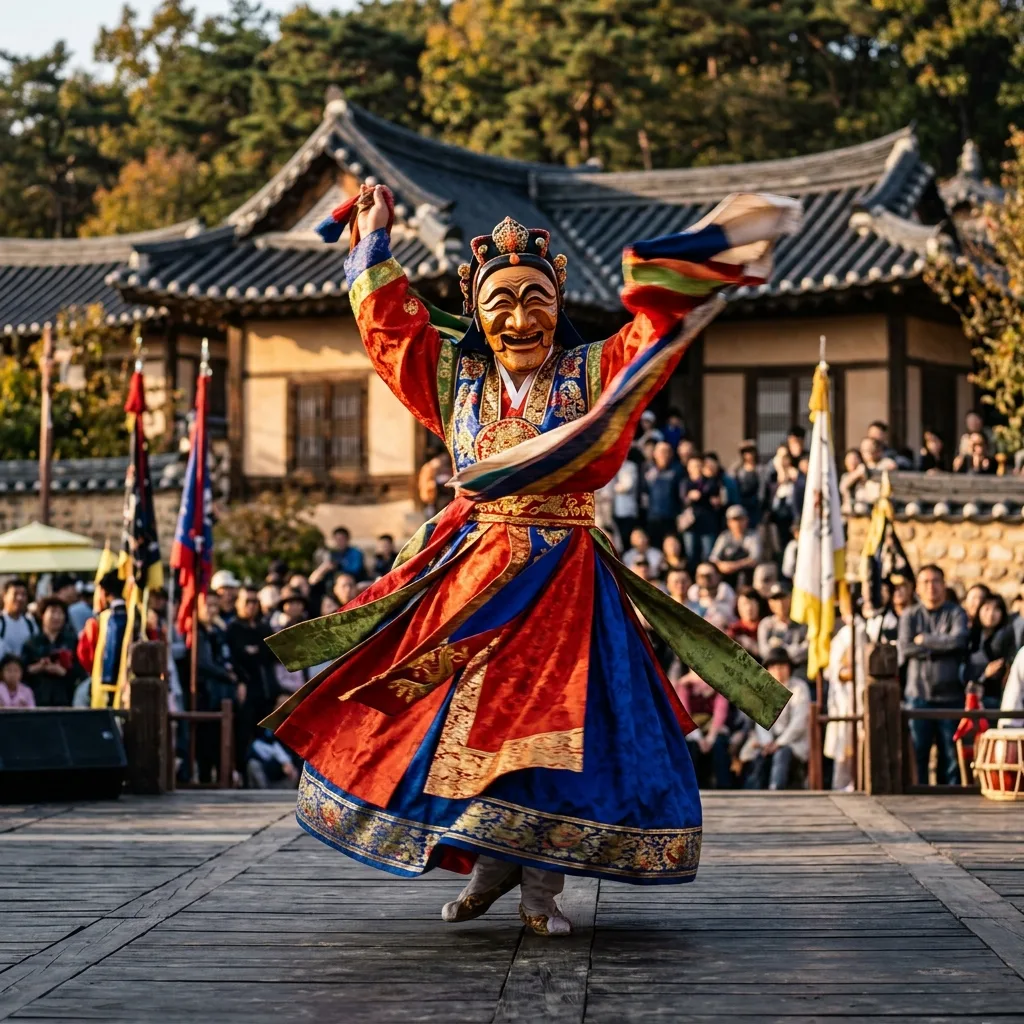
The hypnotic rhythm of the janggu drum echoes through the air, vibrating in your chest as the first performers step onto the stage. Their faces are hidden behind mysterious, frozen smiles—hand-carved wooden masks that have told stories of satire, spirituality, and struggle for over eight hundred years. This is the Andong International Mask Dance Festival, a vibrant explosion of color and culture that transforms the "Spiritual Capital of Korea" into a living stage every autumn. Whether you’re a history buff, a photography enthusiast, or simply a traveler seeking the soul of South Korea, this festival offers a profound dive into the traditions that define the nation.
1. Introduction: The Spirit of Andong
Andong is a city where time seems to slow down. Located in Gyeongsangbuk-do, it is famously known as the "Spiritual Capital of Korea" because it has preserved the Confucian traditions and aristocratic lifestyle of the Joseon Dynasty more purely than perhaps anywhere else in the country. While Seoul dazzles with its skyscrapers and K-pop energy, Andong whispers stories of scholars, ancient academies, and the enduring power of community.
The Andong International Mask Dance Festival is the crown jewel of this cultural preservation. Celebrating its 30th anniversary in 2026, the festival has grown from a local celebration into a world-renowned event recognized by UNESCO as an Intangible Cultural Heritage of Humanity. It is a time when the satirical Talchum (mask dance) dramas come to life, allowing performers and spectators alike to transcend social boundaries through the power of the mask.
In this guide, we’ll walk you through everything you need to know to experience the 2026 festival like a pro—from the secret fireworks of Hahoe Village to the best place to find the city's legendary braised chicken.
2. 2026 Festival Essentials: Dates, Locations, and Tickets
To truly enjoy the festival, you need to understand its unique geography. It’s not just one event in one place; it’s a city-wide celebration split between the modern city center and an ancient folk village.
Key Dates for 2026
The 2026 Andong International Mask Dance Festival is scheduled to take place from September 25 (Friday) to October 4 (Sunday), 2026. This ten-day window coincides with the beautiful autumn foliage beginning to peek through the mountains, making it one of the best times to visit South Korea.
The Split Venue Strategy
One of the most common mistakes first-time visitors make is assuming the entire festival happens in one spot. In reality, the festival is divided into two primary zones:
- Andong Mask Dance Park (Andong City Center): This is the "modern" side of the festival. Here you’ll find the main Mask Dance Theater, massive street parades, international performance stages, hundreds of food stalls, and interactive workshops. It’s high-energy, crowded, and vibrant.
- Hahoe Folk Village: Located about 45 minutes outside the city, this UNESCO World Heritage site is where the festival feels most authentic. The performances here take place in a natural setting, surrounded by centuries-old hanok houses and the winding Nakdong River.
Admission and Ticketing
The good news is that much of the festival is free.
- Festival Grounds: Entry to the main park in the city and the street performances is completely free of charge.
- Mask Dance Theater: To see the professional indoor performances (including the famous Hahoe mask dance and international troupes), you will need a ticket. These typically cost between 5,000 and 10,000 KRW ($4–$8 USD) per show.
- Hahoe Village Entry: While the mask dance performance in the village is free, you must pay the standard village admission fee (approx. 5,000 KRW) to enter the heritage site.
3. The Heart of the Festival: Hahoe Byeolsingut Talnori
If you only see one thing, make it the Hahoe Byeolsingut Talnori. This is the original mask dance drama that started it all. Unlike many other Korean mask dances that were performed by professional troupes, the Hahoe version was performed by the villagers themselves as a shamanic ritual to appease the local goddess and pray for a bountiful harvest and the well-being of the village.
The Power of Satire
During the Joseon Dynasty, Korea was a strictly hierarchical society. The mask dance provided a rare "safety valve" where commoners could use the anonymity of the mask to satirize the ruling Yangban (aristocrats) and corrupt Buddhist monks. The drama is filled with bawdy humor, slapstick comedy, and biting social commentary that remains surprisingly relatable today.
Deep Dive: The Iconic Characters
The masks of Hahoe are unique because they are considered sacred objects. Legend has it that a young craftsman named Heo Doryeong was tasked by the gods to carve twelve masks in absolute seclusion. He died just as he was finishing the last one, which is why the Imae mask lacks a chin.
Keep an eye out for these central figures and their backstories:
- The Yangban (Aristocrat): The most famous mask. With its broad forehead and high nose, it exudes arrogance. However, the movable chin allows the mouth to hang open in a foolish laugh, symbolizing the underlying emptiness of the upper class.
- The Butcher (Baekjeong): A menacing yet tragic figure. During his solo performance, he kills a bull and offers its testicles to the audience—a shocking act of defiance against the refined sensibilities of the elite.
- The Monk (Bune): A beautiful woman who seduces a wandering monk. This segment satirizes the hypocrisy of religious figures who preached abstinence but indulged in worldly pleasures.
- The Meddling Servant (Choraengi): The quick-witted prankster who drives much of the comedy. He moves with rapid, bird-like steps, constantly whispering truths that the aristocrats refuse to see.
- Halmi (The Old Woman): Represents the hardships of the common people. Her mask is wrinkled and weary, and her dance often involves a symbolic weaving of thread, representing the endless cycle of labor.
The masks themselves are masterpieces of craftsmanship. Carved from alder wood, they are the only Korean masks with movable jaws, allowing the performers to "speak" and express a wide range of emotions through the tilt of their heads. You can learn more about this in our traveler's guide to Korean traditional performing arts.
Performance Schedule
During the festival, the Hahoe Byeolsingut Talnori is usually performed daily at 2:00 PM at the training center near the village entrance. Arrive at least 30 minutes early to secure a seat, as it gets incredibly crowded.
4. Must-See Festival Highlights
While the mask dances are the main draw, the festival offers several other "bucket-list" experiences that you shouldn't miss.
Seonyujul Bulnori: Traditional Rope Fireworks
This is arguably the most beautiful event in all of Korea. Unlike modern gunpowder fireworks, Seonyujul Bulnori is a traditional fire ceremony that has been practiced in Hahoe Village for centuries.
Ropes are stretched across the Nakdong River from the top of the Buyongdae Cliff to the sandy banks of the village. Bags filled with charcoal powder are hung along the ropes and ignited. As the fire slowly eats through the bags, sparks rain down onto the water like a golden waterfall. Simultaneously, burning bundles of wood are tossed from the cliff, and lanterns float down the river.
The sight of the burning logs (Hwa-hyu) crashing into the river while the golden charcoal rain (Nak-hwa) falls from the sky is ethereal. It is accompanied by the rhythmic chanting of the villagers, creating a spiritual atmosphere that no modern light show can replicate.
- Pro Tip: This event usually only happens on Saturday nights during the festival. It is extremely popular, and getting a bus back to the city afterward can be difficult. Many travelers choose to stay in a hanok guesthouse within the village to avoid the logistical nightmare and enjoy the village in the early morning fog.
Daedong Nanjang: The Mass Mask Parade
If you prefer high energy over quiet beauty, head to the city center for the Daedong Nanjang. This is a massive, carnival-style parade where thousands of people—performers, locals, and tourists alike—don masks and dance through the streets to the beat of traditional percussion. It’s an infectious atmosphere that embodies the festival's theme of "transcending boundaries." It often turns into a massive outdoor dance party where EDM meets traditional samulnori rhythms.
World Mask Exhibition
Andong doesn't just celebrate Korean masks; it invites the world. Troupes from over 30 countries—ranging from Venetian masquerade performers to African tribal dancers—perform on the international stages. It’s a fascinating way to see how different cultures use masks to tell their own stories. In 2026, the festival expects a record number of international troupes to celebrate the 30th anniversary.
Interactive Workshops: Become a Maker
Don't just watch; participate! Scattered throughout the Mask Dance Park are dozens of booths where you can:
- Paint your own mask: Use traditional pigments to create a Hahoe-style mask or a modern interpretation.
- Learn the dance steps: Professional instructors teach the basic movements of the Talchum, focusing on the "heung" (joyful energy) that defines Korean dance.
- Try on Hanbok: Enhance your experience by wearing traditional dress. Many locals and tourists alike wear Hanbok to the festival, creating a beautiful sea of colorful silk. Check out our tips for Hanbok rental in Korea for more details.
5. A Foodie's Journey: Andong’s Culinary Specialties
No trip to Andong is complete without indulging in its unique culinary heritage. The city is home to several dishes that are famous throughout the peninsula.
The Baek Jong-won Influence
In recent years, the festival has collaborated with South Korea’s most famous celebrity chef, Baek Jong-won (Theborn Korea). His team helps curate the food stalls at the Mask Dance Park, ensuring that festival food is not only affordable but of exceptionally high quality. Expect a modern twist on traditional market snacks and a massive "BBQ Zone" where you can try localized versions of Korean street food.
Andong Jjimdak: The Legend of the Old Market
If you only eat one meal in Andong, make it Andong Jjimdak. This is a savory-sweet braised chicken dish cooked with large chunks of potatoes, carrots, onions, and—most importantly—thick, chewy glass noodles in a soy-based sauce with a spicy kick from dried chilies.
For the most authentic experience, head to the Andong Old Market (Jjimdak Alley). This narrow street is lined with dozens of restaurants that have been perfecting this recipe for decades.
- Hyundae Jjimdak and Andong Jjimdak Jongga are two of the most popular spots, often having lines out the door.
- Pro Tip: A single order of Jjimdak is usually meant for 2-3 people. Don't forget to order a bowl of rice at the end to mix with the remaining sauce—it's the best part!
Gan-godeungeo: Salted Mackerel with a History
Because Andong is located inland, far from the sea, people in the past had to salt their fish to preserve it during the long journey from the coast. This led to the creation of Andong Gan-godeungeo, or salted mackerel. The fish is grilled over an open flame until the skin is crispy and the flesh is tender and salty. It is a staple of Andong’s "Scholar’s Table" and goes perfectly with a bowl of white rice and the various banchan (side dishes) that characterize Korean dining etiquette.
Andong Soju: The Scholar's Spirit
Andong is also the birthplace of one of Korea's most prestigious traditional liquors. Unlike the mass-produced green-bottle soju you see in convenience stores, Andong Soju is a distilled spirit made from fermented grain. It is much stronger (often 40% ABV or higher) and has a clean, floral aroma. You can visit the Andong Soju Museum to learn about the distillation process and even try a sample. It makes for an excellent high-end souvenir.
Mammoth Bakery: The Modern Classic
For dessert, join the line at Mammoth Bakery. Famous for its legendary Cream Cheese Bread, this bakery has been a local institution for years. The bread is soft, dusted with powdered sugar, and filled with a rich, tangy cream cheese that melts in your mouth. During the festival, they often release special mask-themed pastries.
6. Logistics & Transportation Guide
Andong is more accessible than ever, but the festival crowds require some planning.
Getting to Andong from Seoul
The fastest and most comfortable way to reach the city is the KTX-Eum high-speed train.
- Departure: Seoul Cheongnyangni Station (accessible via Subway Line 1 and the Gyeongui-Jungang Line).
- Duration: Approximately 2 hours.
- Cost: Around 25,000 KRW one way.
- Arrival: Andong Station (the new station is located slightly outside the city center, but shuttle buses and taxis are plentiful).
Make sure you have mastered your T-Money card before you depart, as it will make your local travel much smoother.
Navigating the "Two Venue" Trap
Traveling between the city center (Mask Dance Park) and Hahoe Folk Village can be tricky during the festival.
- Bus No. 210: This is the primary bus connecting the city to the village. During the festival, it runs more frequently (approx. every 30-40 mins), but it also becomes incredibly crowded.
- Shuttle Buses: The city usually operates dedicated festival shuttle buses from the Old Andong Station area. Check the official website or the information booths at Andong Station for the 2026 schedule.
- Taxis: A taxi between the two locations will cost around 25,000–30,000 KRW and takes about 40 minutes. If you are a group of four, this is often the most efficient way to travel.
If you are planning a larger trip, consider how Andong fits into your overall 10-day South Korea itinerary.
7. The "Pro Strategy" for First-Timers
To avoid the stress and maximize the magic, follow this "Pro Strategy":
- Book Your Accommodation NOW: Hotels and hanok stays for the 2026 festival will begin booking up as early as January 2026. If you want to stay in Hahoe Village, you need to be even faster.
- The Morning/Evening Split: Spend your morning and early afternoon in Hahoe Folk Village. The light is better for photos, the village is quieter, and you can catch the 2:00 PM mask dance. Then, take a bus or taxi back to the city center for the evening parades, night market, and international performances.
- Bring Cash: While major restaurants and ticket booths take cards, many of the smaller food stalls and craft workshops are cash-only.
- Wear Layers: Autumn in Andong brings crisp mornings and cool nights, but the afternoon sun can still be quite warm. Check our seasonal packing checklist to ensure you're prepared.
8. Nearby Attractions to Round Out Your Trip
While the festival is the star, Andong has several other treasures worth visiting if you have an extra day or two.
- Buyongdae Cliff: For the best view of Hahoe Village, take a small wooden boat across the Nakdong River and hike 5-10 minutes up the Buyongdae Cliff. From the top, you can see the entire village laid out in its famous S-shape, mimicking the Taegeuk symbol. It's one of the most photographed spots in Korea.
- Wolyeonggyo Bridge: The longest wooden footbridge in Korea, spanning the Nakdong River. It is especially romantic at night when the bridge and the surrounding hills are illuminated. There are also "Moon Boats" you can rent to float on the river under the bridge.
- Dosan Seowon: A Confucian academy established by the legendary scholar Yi Hwang. It is a place of profound peace, with beautiful architecture that blends seamlessly with the natural landscape. It's a must-see for anyone interested in UNESCO World Heritage sites in Korea.
- Bongjeongsa Temple: Home to the oldest wooden building in South Korea (Geungnakjeon), this temple offers a more intimate and quiet experience than the larger temples in Gyeongju or Seoul. It was recently added to the UNESCO World Heritage list as part of the "Sansa" Buddhist mountain monasteries.
9. Conclusion: A Dive into the Real Korea
The Andong International Mask Dance Festival is more than just a tourist event; it is a bridge to the past. In a world that often feels like it's moving too fast, the festival reminds us of the importance of storytelling, the power of humor in the face of adversity, and the enduring beauty of traditional arts.
When you put on a mask in Andong, you aren't just hiding your face—you are joining a centuries-old tradition of expression. Whether you’re watching the golden sparks of the Seonyujul Bulnori fall over the river or sharing a massive plate of Jjimdak with new friends, you’ll find that the "Spiritual Capital of Korea" has a way of leaving a permanent mark on your heart.
Start planning your 2026 trip today, and get ready to dance with the spirits of Andong.