Best Historical Drama Sets to Visit Near Seoul: Step Into the World of Sageuks

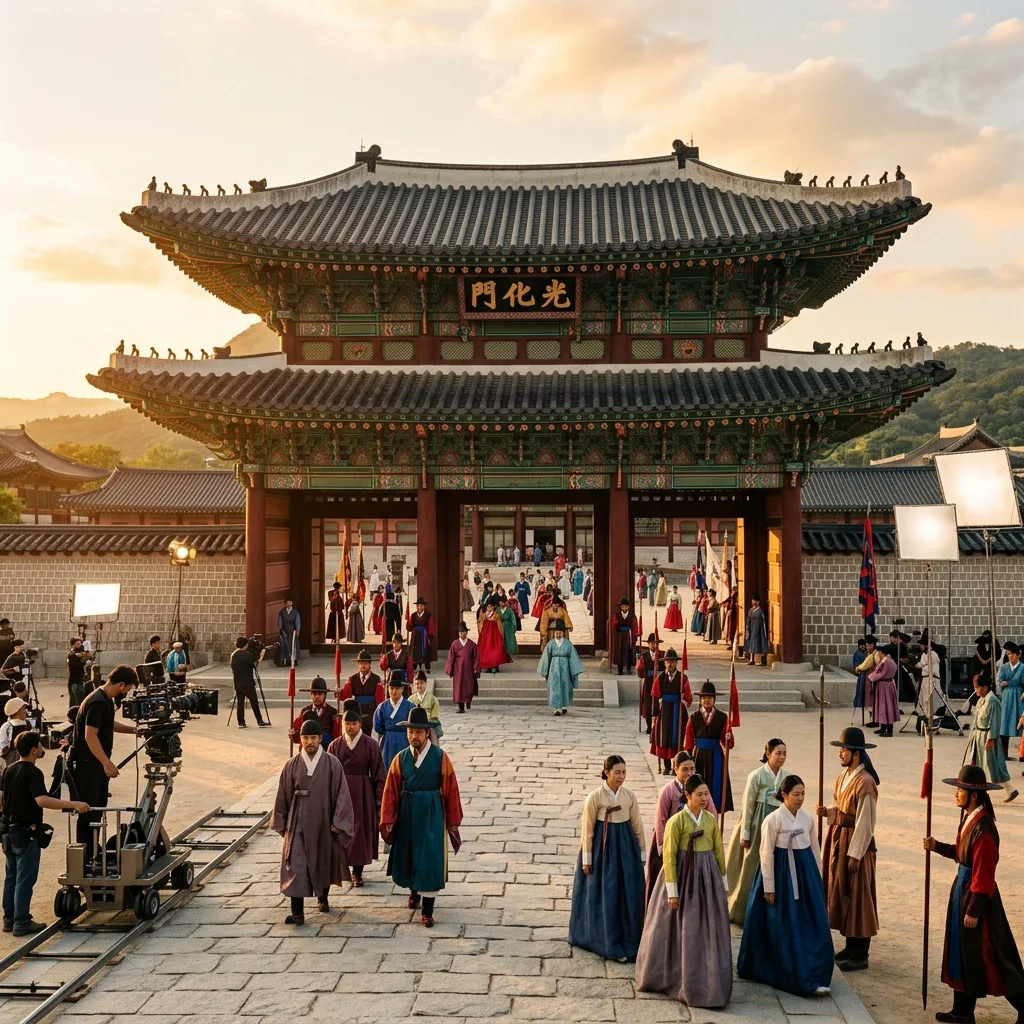
Have you ever watched a Korean historical drama (Sageuk) and felt a sudden, inexplicable urge to teleport yourself straight into that bustling Joseon-era marketplace or those majestic Goryeo palace halls? There’s a specific kind of magic that happens when the screen fades to black, but the image of a tearful confession under a traditional pavilion lingers in your mind. If you’ve found yourself Googling the "best historical drama sets to visit near Seoul," you aren't alone—and you’re in for a treat. South Korea doesn’t just build film sets; they build entire living, breathing worlds that allow you to step through a portal from the 21st century directly into the heart of history.
The South Korean film industry, particularly the historical genre known as Sageuk, is famous worldwide for its painstaking attention to detail. Whether it’s the sweeping epic of The Red Sleeve, the supernatural mystery of Kingdom, or the time-traveling romance of Lovely Runner, these stories rely on massive, permanent sets that recreate the architecture and atmosphere of the Three Kingdoms, Goryeo, and Joseon periods. For the traveler visiting Seoul in 2024 or 2025, many of these "dream worlds" are surprisingly accessible, located within a 1-to-3-hour radius of the capital.
In this guide, we’re going to dive deep into the most iconic, the most "Instagrammable," and the most culturally significant historical drama sets you can visit. We’ll cover the "Holy Grail" of sets where BTS’s Suga filmed his "Daechwita" music video, the trendy Suwon streets where Sun-jae and Im Sol fell in love, and the meticulously preserved early 20th-century aesthetic of Sunshine Studio.
Grab your The Ultimate South Korea Packing List (2026 Edition): Don't Forget the Essentials, make sure your 7 Essential Apps for Traveling in South Korea (2025 Edition) are updated, and let’s begin our journey through time.
The Evolution of the Sageuk Set: Why We Visit Them
Before we jump into the specific locations, it’s worth understanding why these sets exist in such massive scale. In the early days of Korean television (1960s–1980s), crews often used real historical palaces for filming. However, as the genre grew in popularity and the "Hallyu" wave began to peak in the early 2000s, the need for dedicated spaces became clear.
Real heritage sites like Gyeongbokgung are strictly protected, and the presence of thousands of crew members, heavy lighting, and prop construction poses a risk to these centuries-old treasures. This led to the creation of "Open Film Sets"—massive outdoor facilities owned by broadcasters like MBC, KBS, and SBS, or managed by local municipalities. These sets are built with high-fidelity materials that look like stone and ancient wood but are designed to withstand the rigors of modern production. Today, these sites are as much about tourism as they are about filming, often featuring cafes, hanbok rentals, and even themed performances.
1. Yongin Daejanggeum Park: The "Holy Grail" of Sageuk Sets
If you only have time for one dedicated film set during your trip, let it be Yongin Daejanggeum Park (formerly known as MBC Dramia). Spread over a staggering 2.5 million square meters, this isn't just a set—it’s a historical city. It is the primary filming location for MBC, one of Korea's major broadcasting networks, and has served as the backdrop for nearly every major historical epic of the last two decades.
A Walk Through Time: The Key Zones
The park is divided into several historical "zones," each representing a different era or social class:
- The Goryeo Village: Characterized by more ornate, colorful eaves and a distinct architectural style compared to the later Joseon period. You’ll recognize this from dramas like The King Loves or The Empress Ki.
- The Training Grounds: A massive open square where battle scenes and martial arts displays are filmed. Standing in the center, you can almost hear the phantom sound of swords clashing.
- The Prison (Jeonokseo): Fans of The Flower in Prison will recognize the unique circular prison layout, which is one of the most distinctive structures in the park.
- The Palace Courtyards: This is where the "King" lives. The elevated platforms, the throne room, and the long, winding corridors have appeared in The Red Sleeve, Moon Embracing the Sun, and Dong Yi.
The "Daechwita" Connection
For a younger generation of fans, this park is also the site of a modern pop-culture milestone: BTS Suga’s "Daechwita" music video. Suga (Agust D) chose this location for its authentic atmosphere, and you can visit the exact spots seen in the video:
- The Tea House: Located near the upper palace area, this is where the "King" Suga sits. You can actually enter the building and see the view he had over the courtyard.
- The Execution Square: The open area where the sword dance takes place is just a short walk away.
The 2024/2025 Experience
In 2025, the park remains a "living" set. It is not uncommon to find certain areas cordoned off because a new production is currently filming. If you’re lucky, you might even spot a famous actor in full Hanbok regalia between takes! The park has also recently upgraded its visitor facilities, including more detailed English signage and a better costume rental service where you can transform into a Joseon king or queen for your photos.
Practical Information for 2025
- Admission Fee: Adults ₩9,500 | Teenagers ₩8,000 | Children ₩7,000.
- Operating Hours:
- Summer (Mar–Oct): 09:00 – 18:00
- Winter (Nov–Feb): 09:00 – 17:00
- How to Get There: This is one of the more "difficult" locations to reach by public transport. The most efficient way is to take a bus from the Seoul Express Bus Terminal to Yongin Bus Terminal (approx. 45 mins), and then take a taxi directly to the park (approx. ₩25,000 – ₩30,000). Alternatively, you can take a direct taxi from Seoul for around ₩70,000, which is worth it if you are traveling in a group. Use Mastering the T-Money Card: Your Key to Korea's Transit (and More) for the bus portion of your journey.
2. Korean Folk Village (Yongin): Where History Lives
While Daejanggeum Park is a dedicated "set," the Korean Folk Village (한국민속촌) is an open-air museum that doubles as a frequent filming location. This is where you go to see what life was actually like during the Joseon Dynasty. It features real traditional houses moved from across the country, functional workshops where artisans make pottery and fans, and a lively atmosphere that feels far more "lived-in" than a sterile film set.
Iconic Sageuk Moments
The Korean Folk Village is the go-to location for scenes involving ordinary people, bustling markets, and rural life. You’ll recognize it from Sungkyunkwan Scandal, My Love from the Star (the Joseon flashbacks), and the Netflix hit Kingdom.
Must-Visit Spots Inside:
- The Marketplace (Jumak): This is where characters always stop for a bowl of Gukbap (rice soup) and a cup of Makgeolli. In real life, you can actually eat here! The food is surprisingly high quality and follows traditional recipes.
- The Noble House (Yangban-ga): A massive complex with multiple courtyards, used for dramas like Under the Queen’s Umbrella. It showcases the hierarchical nature of Joseon society through its architecture.
- The Workshop Row: Watch artisans create traditional ironwork, pipes, and Hanji (Korean paper). It’s an educational experience that adds depth to your drama knowledge.
The 2025 Moonlight Festival
For travelers visiting in 2025, the Moonlight Festival (Night Opening) is an absolute must. Usually held on weekends and holidays from April to November, the village stays open until 10:00 PM. The entire grounds are illuminated with traditional lanterns, creating a hauntingly beautiful atmosphere that looks exactly like a scene from a romantic sageuk. The highlight is "Yeonbun," a large-scale performance featuring traditional dance and modern LED technology. It’s the perfect time to practice your Cultural Etiquette in South Korea: 7 Rules to Avoid Awkward Moments as you interact with the performers.
How to Visit in 2025
- Admission Fee: ₩37,000 (includes all-day access and performances).
- Transportation: This is much easier to reach than Daejanggeum Park. You can take the Express Bus #4101 from Myeongdong (near Stanford Hotel) or #5001-1 from Gangnam Station. Both take about 50–60 minutes and drop you right near the entrance.
- Free Shuttle: There is also a free shuttle bus from Suwon Station (Exit 4), though the schedule can be irregular, so check the official website on the day of your visit.
3. Suwon Hwaseong: The Lovely Runner Neighborhood
If your interest in historical sets leans more toward "fusion" or "modern-meets-tradition," you cannot miss Suwon Hwaseong Fortress. While it is a real UNESCO World Heritage site, the surrounding Haenggung-dong neighborhood has become the hottest filming location of 2024 and 2025 thanks to the massive success of Lovely Runner (Seon-jae-e-e!).
Finding Im Sol and Sun-jae
Fans of Lovely Runner have been flocking to Suwon to find the specific spots where the "Sol-Sun" couple shared their most iconic moments.
- Im Sol’s House (Cafe Mong Ted): The exterior of Sol’s house is a real cafe called Mong Ted (address: 14 Hwaseomun-ro 48beon-gil). You can recognize the blue door and the rooftop where many scenes took place. Inside, they often have small drama-related decorations.
- Sun-jae’s House: Directly across the street at #13 is the house used as Sun-jae’s residence. Please remember that this is a private home, so be quiet and respectful while taking your photos! Follow the tips in Don't Be 'That' Tourist: A Guide to Korean Social Customs to ensure you remain a polite visitor.
- The Confession Bridge (Hwahongmun Gate): The northern floodgate of the fortress, Hwahongmun Gate, is where Sun-jae confessed his feelings. It’s a stunning location, especially when the water is flowing and the lights come on at night.
The Haengnidan-gil Vibe
Beyond the drama spots, the area (known as Haengnidan-gil) is filled with trendy cafes, vintage shops, and mural-covered alleys. It’s the perfect place to spend a full day. You can walk the fortress walls for a stunning view of Suwon city and then drop down into the cafes for a "Sun-jae inspired" afternoon. If you’re hungry, don’t miss out on A Foodie's Guide to Seoul: Top 15 Must-Try Street Foods, as many of these treats are also available in Suwon!
Check our Incheon Airport Survival Guide: From Landing to Seoul in 90 Minutes for the best way to get to Suwon from the airport if you want to make it your first stop!
4. Sunshine Studio (Nonsan): Step into the 1900s
While most sageuks focus on the Joseon era, Sunshine Studio in Nonsan focuses on the "Gaehang-gi" or the Enlightenment Period of the late 19th and early 20th centuries. This was the primary filming site for the critically acclaimed drama Mr. Sunshine, as well as Pachinko and Tale of the Nine Tailed 1938.
A Unique Aesthetic
Unlike the wooden structures of the Joseon period, Sunshine Studio features a unique mix of traditional Hanok and Western-style brick buildings. This era represents a time when Korea was first opening its doors to the world, resulting in a fascinating architectural blend.
Key Highlights:
- The Glory Hotel: This is the most iconic building on the set. Inside, you can visit the "Glory Cafe" and order a cup of "Gabae" (the old word for coffee). The interior is preserved to look exactly like the set where Eugene Choi and Go Ae-shin had their secret meetings.
- The Trolley: A working (though stationary) streetcar sits in the middle of the main street. It’s one of the most popular photo spots in the studio.
- Hanseong Electric Company: This red-brick building served as the office for the first electric company in Korea and appears frequently in Mr. Sunshine.
The Costume Experience
One of the best things to do here is rent a "vintage" early 1900s costume. Instead of the usual Hanbok, you can wear elegant Western-style dresses, lace gloves, and parasols, or sharp three-piece suits and newsboy caps. It’s a completely different vibe from any other film set in Korea and makes for some truly unique travel photos.
Practical Tips
- Admission Fee: Adults ₩10,000 | Teenagers ₩8,000.
- Hours: 10:00 – 18:00 (Closed every Wednesday).
- Logistics: Take the KTX from Seoul (Yongsan Station) to Nonsan Station (approx. 1.5 hours). From Nonsan Station, it is best to take a taxi (approx. 15–20 mins, ₩15,000). Use the KakaoT app to call a taxi for the return trip, as it can be hard to flag one down in this rural area.
5. Mungyeongsaejae Open Set: The Capital of "Daeho"
Located in the stunning Mungyeongsaejae Provincial Park, this open set is widely considered the most beautiful in terms of natural scenery. It is famous for its replica of Gwanghwamun Gate and its expansive palace grounds nestled right against the mountains.
For Fans of Alchemy of Souls
If you were captivated by the fictional city of Daeho in Alchemy of Souls, this is your destination. The set’s unique position surrounded by mountains made it the perfect choice for a fantasy sageuk. The "Daeho Fortress" walls and the lakeside pavilions are all here.
Must-See Areas:
- The Three Gates: Mungyeongsaejae is a historic mountain pass with three massive stone gates. While the gates themselves are real history, the drama set is located between the first and second gates.
- Buyong-dong: This area features smaller, more rustic houses and a beautiful stream. It’s often used for "hidden village" or "outcast" scenes in dramas like Kingdom.
- Gwanghwamun Gate Replica: This is one of the most accurate replicas in Korea. Many people actually prefer photographing this one over the real Gwanghwamun in Seoul because there are no modern skyscrapers in the background—just mountains and sky.
The Park Experience
The set is located deep within a provincial park, so visiting involves a bit of light hiking (or you can take a small electric cart for a few dollars). The air is incredibly fresh, and the combination of the ancient-style fortress walls and the lush forest is breathtaking, especially during the autumn foliage season.
6. Gyeonghuigung Palace: The "Filming-Friendly" Royal Site
While most tourists flock to Gyeongbokgung, drama fans should head to Gyeonghuigung Palace. Because it is a modern reconstruction (the original was destroyed during the colonial period), it is much more "filming-friendly" than the other Grand Palaces.
Kingdom and The Red Sleeve
Fans of the Netflix series Kingdom will recognize the main throne hall, Sungjeongjeon, which was used for many of the tense political meetings. It was also a primary location for The Red Sleeve. The palace is much smaller and quieter than the others, making it easier to get photos without hundreds of tourists in the background.
The "Auspicious Rock" (Seoam): Behind the main halls, there is a massive rock formation. In dramas, this is often the "secret meeting spot" for lovers or conspirators. It offers a great view over the palace grounds.
- Admission Fee: Free!
- Location: Near Seodaemun Station (Line 5). It’s right next to the Seoul Museum of History.
How to Prepare for Your Sageuk Tour
Visiting these sets is a long day's work. Here is how to prepare like a pro:
1. Hanbok Rental and Styling
Most sets (except Gyeonghuigung) have hanbok rental shops either inside or just outside the entrance. If you want the full experience, don't just put on the dress. Ask for the traditional hairstyling. In a sageuk, hair is a status symbol. Unmarried women wear a single long braid (Daenggi-meori), while married women or royalty wear the Jjok-meori (a bun with a decorative hairpin called a Binyeo). Getting your hair done properly makes a world of difference in your photos.
2. Traditional Snacks
While walking the sets, look for traditional snacks like:
- Sikhye: A sweet rice drink that is incredibly refreshing after a long walk.
- Tteok (Rice Cakes): Often sold in marketplaces within the sets.
- Yakgwa: A honey-infused cookie that has become very trendy in 2024.
For a deeper dive into these flavors, check out From Royal Court to Rosé Sauce: The Wild Evolution of Korean Food.
3. The Navigation Rule: Forget Google Maps
In South Korea, Google Maps is largely useless for walking directions or real-time bus data. You must download Naver Maps or Kakao Maps. These apps will show you exactly which bus to take, how many stops are left, and even which subway door is closest to your transfer.
4. What to Wear
As mentioned, these sets are massive. You will easily walk 10,000 to 15,000 steps in a single visit. If you plan to rent a Hanbok, most rental shops will let you store your bags and shoes, but we still recommend wearing comfortable socks and bringing a portable fan (for summer) or heat packs (for winter). Refer to our The smart packing list for Korea: What to bring vs. What to buy for more details.
Conclusion
Stepping onto a historical drama set in South Korea is more than just a "tourist activity"—it’s an emotional experience for any fan of the genre. It’s the chance to stand where your favorite characters stood, to see the intricate craftsmanship of the Hanok buildings up close, and to appreciate the sheer scale of Korean storytelling.
Whether you’re chasing the ghost of a Joseon king at Daejanggeum Park or looking for a "yellow umbrella" moment in Suwon, these sets offer a bridge between the legends of the past and the creativity of the present. These locations are the heartbeat of the Hallyu wave, preserved in wood and stone for us to enjoy.
So, which era will you visit first?
Explore More of Korea:
- The Ultimate 10-Day South Korea Itinerary for First-Timers
- The Ultimate Guide to Public Transportation in Korea (2025 Edition)
- South Korea Visa Requirements 2025: K-ETA, Exemptions & Entry Rules
- Cultural Etiquette in South Korea: 7 Rules to Avoid Awkward Moments