Tokyo Shopping Guide: From Harajuku to Akihabara & Tax-Free Tips

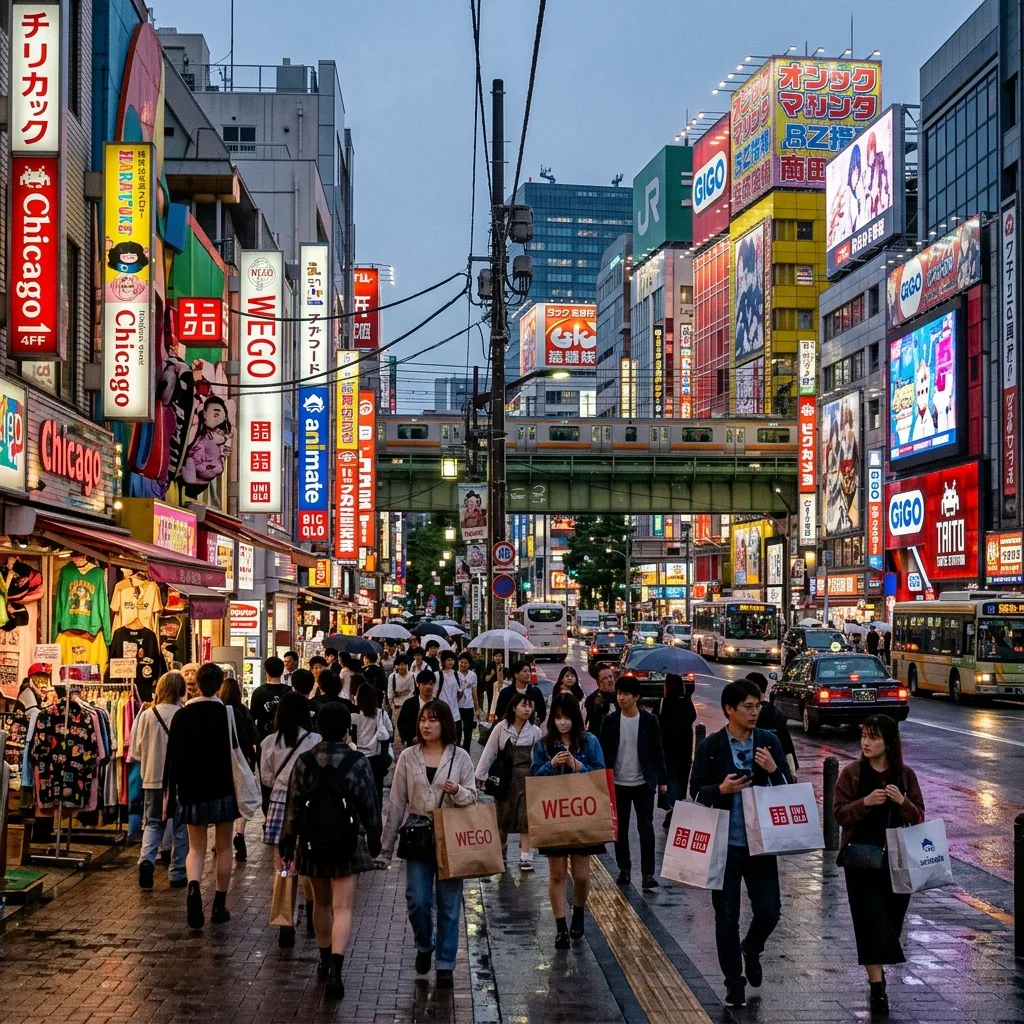
Tokyo is one of the greatest shopping cities on earth — but only if you know where to go. Department stores, underground malls, pop-culture temples, and designer boutiques all compete for your yen across dozens of distinct neighborhoods, each with its own personality and price range. Without a map, you can spend a full afternoon in the wrong district wondering where all the good stuff is. This guide covers Tokyo's top shopping areas from Harajuku to Akihabara, plus the 2026 tax-free rules that have changed significantly for foreign tourists — because getting that 10% consumption tax refund now works differently than it did last year.
Tokyo's Best Shopping Districts: An Overview
Tokyo shopping falls into several distinct zones. Each neighborhood caters to a different type of buyer, and moving between them requires planning — the city is large, and hopping between Harajuku and Akihabara means a 20-minute train ride. Understanding the layout before you arrive saves time and prevents the common mistake of trying to cover everything in one day.
Here is how the major districts break down by specialty: Harajuku for street fashion and luxury brands, Akihabara for electronics and anime, Shibuya for mainstream fashion and department stores, Shinjuku for a mix of everything including electronics and duty-free malls, and Ginza for high-end international labels. If you are short on time, Shinjuku alone can satisfy most shopping needs — but the specialist districts offer depth that department stores never can. For a broader introduction to navigating the city, the Ultimate Tokyo Travel Guide 2026 covers transportation, neighborhoods, and timing in detail.
Harajuku — Fashion, Street Culture & High-End Boutiques
Harajuku is not one street — it is two different worlds stacked side by side. Takeshita Street is loud, cheap, and teenage. Omotesando is quiet, expensive, and architectural. Most visitors want both, and you can cover them in a single half-day walk.
Takeshita Street
Takeshita Street (竹下通り) runs about 400 meters from Harajuku Station toward the back alleys of the neighborhood. It is the birthplace of Tokyo's most theatrical street fashion subcultures — Lolita, decora, fairy kei — and even if those styles are not your thing, the energy of the street is unlike anywhere else in the city.
What you actually buy here: crepe from the landmark Marion Crepes, vintage secondhand fashion from shops like KINJI (which has a Takeshita store open from around 11 AM), accessories, hair accessories, cosplay pieces, and novelty items. Prices are low — this is not a luxury street. Most clothing runs ¥1,000–¥5,000, and many accessories cost under ¥1,000.
Hours: Most shops open between 11:00 and 12:00 and close around 20:00. Arrive at 11:00 on a weekday — weekend afternoons are genuinely difficult to walk through because of the crowd density. Weekday mornings are the calmest.
Getting there: Harajuku Station on the JR Yamanote Line (east exit), or Meiji-jingumae Station on the Tokyo Metro Chiyoda and Fukutoshin lines (exit 1).
Omotesando and Cat Street
Omotesando (表参道) is Tokyo's answer to Avenue Montaigne. The main boulevard is lined with flagship stores from Louis Vuitton, Prada, Dior, Hermès, and Bottega Veneta, all housed in architecturally notable buildings designed by architects including Tadao Ando and Herzog & de Meuron. Window shopping is free and worthwhile.
Shops along Omotesando generally open at 11:00 and close at 20:00. The flagship stores are often open until 21:00, especially during peak tourist season.
Behind Omotesando runs Cat Street (キャットストリート), a more relaxed lane home to Japanese contemporary labels — A Bathing Ape (BAPE), Neighborhood, Sacai, and several concept multi-brand stores. Cat Street is less crowded than the main boulevard and better for slow browsing.
Deeper into the backstreets of Aoyama, you will find independent designers and vintage dealers that do not appear on tourist maps. If vintage Japanese denim or Showa-era accessories interest you, give yourself an extra hour to wander.
Akihabara — Electronics, Anime & Pop Culture
Akihabara (秋葉原), known as "Electric Town," is the global center of consumer electronics, retro gaming, and anime merchandise. It is dense, overwhelming on first visit, and deeply satisfying once you understand its internal logic: the large chain stores on the main street, Chuo-dori, for big purchases; the narrow side streets and multi-floor specialty buildings for niche finds.
Electronics Stores
Yodobashi Camera Akihabara is the anchor — a nine-story, 23,000-square-meter building directly in front of Akihabara Station. It stocks everything from large appliances and 8K televisions to earbuds and cables, with multilingual staff on each floor to assist with tax-free purchases. Hours: 9:30–22:00, open daily. This is the best single stop for electronics if you want breadth, competitive pricing, and reliable tax-free processing.
Bic Camera has a large presence in Akihabara as well and runs frequent campaigns for foreign tourists, including additional discount coupons that can stack on top of the tax exemption. Check their tourist discount page before visiting.
Sofmap operates multiple specialized stores in the area — one focused on computers and peripherals, another on used and refurbished electronics, and a third on gaming equipment. For second-hand cameras, gaming consoles, or older audio gear, Sofmap often beats the new-stock prices at Yodobashi.
Laox is one of the older duty-free chains in Akihabara and has strong experience handling foreign tourist purchases, with staff fluent in Chinese, English, and Korean.
Radio Kaikan (ラジオ会館) is a multi-tenant building housing more than 30 specialty shops selling components, anime figures, trading cards, and vintage electronics. It is less of a department store and more of a vertical flea market.
Anime, Manga & Retro Gaming
Chuo-dori becomes pedestrian-only on Sundays (approximately 13:00–18:00 in summer and shorter in winter), turning into an open-air browsing experience. This is when the street is most photogenic but also most crowded.
Side streets behind Chuo-dori are where the serious collectors shop. Multi-floor buildings like Gamers, Kotobukiya, and various independents stock current-season figures, model kits (gunpla), limited-edition manga, and imported goods. Prices for anime merchandise in Akihabara are typically lower than at airport shops or overseas retailers.
Retro gaming is a Akihabara specialty. Used Famicom cartridges, vintage Game Boy systems, and boxed PlayStation titles from the 1990s are available in condition-graded bins at shops like Super Potato (a Akihabara institution). Prices have risen in recent years as global demand for retro games has grown, but they remain lower than equivalent items in the US or Europe.
Shibuya, Shinjuku & Ginza — The Department Store Belt
These three neighborhoods form Tokyo's mainstream shopping backbone and cater to a broader range of tastes and budgets than the specialist districts.
Shibuya
Shibuya 109 (マルイ) is a nine-floor fashion mall targeting teens and twentysomethings, known for its vertical galleries of domestic Japanese fashion brands. It has gone through several repositioning phases in recent years and now mixes youth fashion with streetwear and some vintage. The surrounding Shibuya Scramble area has expanded significantly with the opening of Shibuya Scramble Square and Shibuya Sky — the shopping floors of Scramble Square (floors B2–14) include a wide range of mid-range Japanese and international brands.
Tokyu Hands (now Hands), a lifestyle goods store with an enormous Shibuya flagship, is worth a visit for stationery, travel accessories, household items, and kitchen tools — all popular souvenir categories that are practical rather than purely decorative.
Shinjuku
Shinjuku compresses an entire city's worth of retail into a few blocks. The east side of Shinjuku Station has Isetan (the best department store in Tokyo for fashion and food), Lumine, and Marui. The west side has Takashimaya Times Square, a department store complex with 15 floors including a Tokyu Hands, a Kinokuniya bookstore, and a Muji flagship.
Bic Camera and Yodobashi Camera both operate enormous Shinjuku locations that compete directly with Akihabara for electronics sales — and unlike Akihabara, they are walking distance from the major hotels in the Shinjuku area.
Ginza
Ginza is Tokyo's most prestigious shopping district, the equivalent of New York's Fifth Avenue. The Chuo-dori main street closes to cars on weekends and holidays from 12:00 to 17:00 (October–March) or 18:00 (April–September), turning into a pedestrian promenade. Flagship stores from every European luxury house line the street. Ginza Six, a major luxury mall opened in 2017, anchors the south end and houses over 200 brands, including Japanese labels unavailable elsewhere.
For mid-range shopping, Ginza's side streets hide some interesting independent boutiques and the Matsuya and Mitsukoshi department stores carry curated selections of Japanese crafts, ceramics, and lacquerware that make elegant souvenirs.
Tax-Free Shopping in Tokyo — 2026 Rules You Need to Know
Tax-free shopping rules for foreign tourists in Japan changed significantly in 2026, and many guides still describe the old system. Here is what is actually in place now.
The Old System vs. the New System
Until October 31, 2026, eligible tourists receive an instant tax discount at the point of sale — you pay the tax-excluded price directly at the register. Starting November 1, 2026, this system ends. Under the new rules, all tourists pay the full tax-inclusive price at checkout, then claim a refund at the airport before departure.
If you are visiting before November 2026, you still benefit from the instant in-store discount system described below. If visiting from November 2026 onward, plan for the airport refund process.
Eligibility
Foreign nationals holding Temporary Visitor status (the standard tourist visa exemption used by most nationalities) qualify. You must be staying in Japan for fewer than six months. Japanese nationals who have lived outside Japan for more than two years also qualify.
Minimum Purchase
The minimum purchase threshold is ¥5,000 (pre-tax) at a single store on the same day. There is no upper cap under the 2026 rules — the previous ¥500,000 per-day ceiling has been removed. The old distinction between "General Goods" and "Consumables" (which required separate calculations and separate packaging) has also been phased out. All items from a single store can now be combined to reach the ¥5,000 threshold.
What You Need
Bring your passport to every purchase. The store will scan your passport to register the tax exemption. In the new airport-refund system, you will also need your boarding pass at the time of the refund claim. Keep all receipts — the refund process requires them.
Refunds typically take 2–6 weeks to post to your credit card, depending on the refund platform and your card issuer.
Practical Tips for Tax-Free Shopping
- Consolidate purchases within a single store visit. Splitting a ¥5,000 purchase across two days at the same store does not qualify.
- Large chain stores are the most reliable. Yodobashi Camera, Bic Camera, Laox, Isetan, and Takashimaya all have dedicated tax-free counters with multilingual staff.
- Keep items sealed until departure. Consumable goods (food, cosmetics, pharmaceuticals) must not be opened while in Japan. Customs may ask to inspect sealed bags at departure.
- Not all small shops participate. Boutiques on Takeshita Street or in Shimokitazawa may not be registered for the tax-free program. Look for the "Tax-Free" sign in the window.
If you are also planning day trips during your Tokyo stay, note that tax-free purchases from regional stores (Kyoto, Osaka, Hakone) also qualify under the same rules — see the Best Day Trips from Tokyo: Nikko, Kamakura, Hakone & More guide for destination ideas.
Practical Shopping Guide
Getting Between Districts
The most efficient route between the main shopping districts:
- Harajuku ↔ Shibuya: 2 minutes on the JR Yamanote Line, or 12 minutes on foot.
- Shibuya ↔ Shinjuku: 5 minutes on the JR Yamanote Line.
- Shinjuku ↔ Akihabara: 18 minutes on the JR Chuo-Sobu Line (rapid).
- Akihabara ↔ Ginza: 7 minutes on the Tokyo Metro Hibiya Line from Akihabara to Ginza Station.
An IC card (Suica or Pasmo) is essential for moving between districts without fiddling with cash at ticket machines. The Getting Around Tokyo: Trains, IC Cards & Navigation Apps guide covers IC card setup in detail.
Payment
Cash remains widely accepted across Tokyo, including at smaller boutiques on Takeshita Street and in Akihabara's specialty shops. However, major department stores and chain electronics retailers accept Visa, Mastercard, and often JCB and American Express. UnionPay acceptance has expanded significantly in Akihabara.
For large electronics purchases, using a credit card for the tax-free refund can complicate the refund timeline — some tourists prefer cash purchases to receive the tax-excluded price immediately at the register (under the current system, before November 2026).
Shopping Hours at a Glance
| District | Typical Opening | Typical Closing |
|---|---|---|
| Takeshita Street | 11:00 | 20:00 |
| Omotesando boutiques | 11:00 | 20:00–21:00 |
| Yodobashi Akihabara | 9:30 | 22:00 |
| Shibuya 109 | 10:00 | 21:00 |
| Isetan Shinjuku | 10:00 | 20:00 |
| Ginza Six | 10:30 | 20:30 |
Department store food halls (depachika) typically open 30 minutes before the retail floors and close 30–60 minutes later.
Tips & Common Mistakes
Arrive at Takeshita Street by 11:00. The street is walkable in the late morning; by 15:00 on weekends it becomes gridlocked. If you are coming from a hotel in Shinjuku or Shibuya, you can be at Harajuku Station in under 10 minutes.
Weigh your luggage capacity before buying electronics. Large electronics purchases — 4K cameras, gaming laptops, full-frame mirrorless bodies — are genuinely cheaper in Tokyo than in most Western markets, but only if you can carry them home. Checked baggage fees and customs declarations at your destination can erode the savings.
Do not assume every store is tax-free. Small specialty shops on back streets may not be registered for the program. Always ask before reaching the register.
Factor in customs at home. Tax-free shopping reduces what you pay in Japan, but customs duties at your home country's border may apply to goods above a certain value threshold. US residents, for example, have an $800 duty-free allowance per person.
Know the difference between duty-free and tax-free. Tax-free (消費税免除) means Japan's 10% consumption tax is exempted. Airport duty-free shops are separate — they are for items you purchase airside after clearing security, and the rules differ.
Avoid buying yen at airport exchange desks. Exchange rates at Narita and Haneda airport counters are significantly worse than at 7-Eleven ATMs or Japan Post ATMs in the city. Withdrawing yen after arrival is cheaper. For more budget strategies, the Tokyo on a Budget: Cheap Food, Free Attractions & Affordable Stays guide covers cost-saving approaches in detail.
Shinjuku's underground mall is underrated. The network of underground passages connecting Shinjuku Station's various exits includes a significant number of shops open earlier and later than surface-level retailers, and less crowded than the department stores above.
FAQ
Can I use my IC card (Suica/Pasmo) to pay at shops?
Some convenience stores (7-Eleven, FamilyMart, Lawson) accept IC cards as payment, and a growing number of smaller retailers have added IC card readers in 2025–2026. However, IC cards are primarily transit tools. Do not count on them for department store or boutique purchases — bring a credit card or cash.
Is it worth going to Akihabara just for electronics if I am not into anime?
Yes, for specific categories. Cameras, audio equipment, and computer peripherals are well-priced, well-stocked, and serviced by multilingual staff at Yodobashi. The anime culture surrounding the district is easy to ignore if it is not your interest. The main street and Yodobashi building are entirely mainstream electronics retail.
What items are most worth buying tax-free in Tokyo?
Electronics (cameras, lenses, headphones, gaming consoles), cosmetics and skincare (Japanese domestic brands unavailable abroad), kitchen tools and knives (especially in Kappabashi or Tsukiji outer market area), fashion from domestic labels, and traditional crafts. Books and music purchased within Japan are not tax-free-eligible under most circumstances.
Can I ship purchases home from Tokyo?
Yes. Major department stores like Isetan and Takashimaya offer international shipping for large purchases, typically processed through a counter in the store. Yamato Transport and Japan Post also accept international parcels from convenience stores nationwide. Shipping costs can be significant for heavy items — factor this in against the tax saving.
Do small shops on Takeshita Street offer tax-free shopping?
Occasionally, but not reliably. Some of the larger multi-floor vintage stores participate in the tax exemption program, but the majority of individual stalls and small boutiques do not. Purchases on Takeshita Street tend to be low enough in price that the tax difference is minor — a ¥2,000 jacket saves ¥200 pre-tax, which does not clear the ¥5,000 minimum anyway.
How early should I arrive at Akihabara for the best experience?
Yodobashi Camera opens at 9:30, making it accessible before most other Tokyo shopping destinations. If you are planning a full day in Akihabara, arriving at 10:00 lets you cover the large stores before the afternoon crowds. On Sundays, Chuo-dori closes to cars from around 13:00, so arrival before noon lets you see both the pedestrian and regular street experience.
Conclusion
Tokyo shopping rewards preparation. Each district has a distinct character — Harajuku for fashion subculture and luxury, Akihabara for electronics and pop culture, Shibuya and Shinjuku for mainstream retail depth, Ginza for prestige labels. The 2026 tax-free rule changes are significant: if you visit before November 2026, take advantage of the instant in-store discount; if you visit afterward, budget time at the airport for the refund process and keep all receipts.
Start with the Tokyo Neighborhoods Guide: From Shinjuku to Shimokitazawa to understand where each shopping district sits in the broader city layout, then build your shopping days around transit efficiency rather than a single neighborhood at a time. With a Suica card, a clear priority list, and an understanding of what each district does best, you will spend less time lost and more time actually buying things you want.