Tokyo on a Budget: Cheap Food, Free Attractions & Affordable Stays

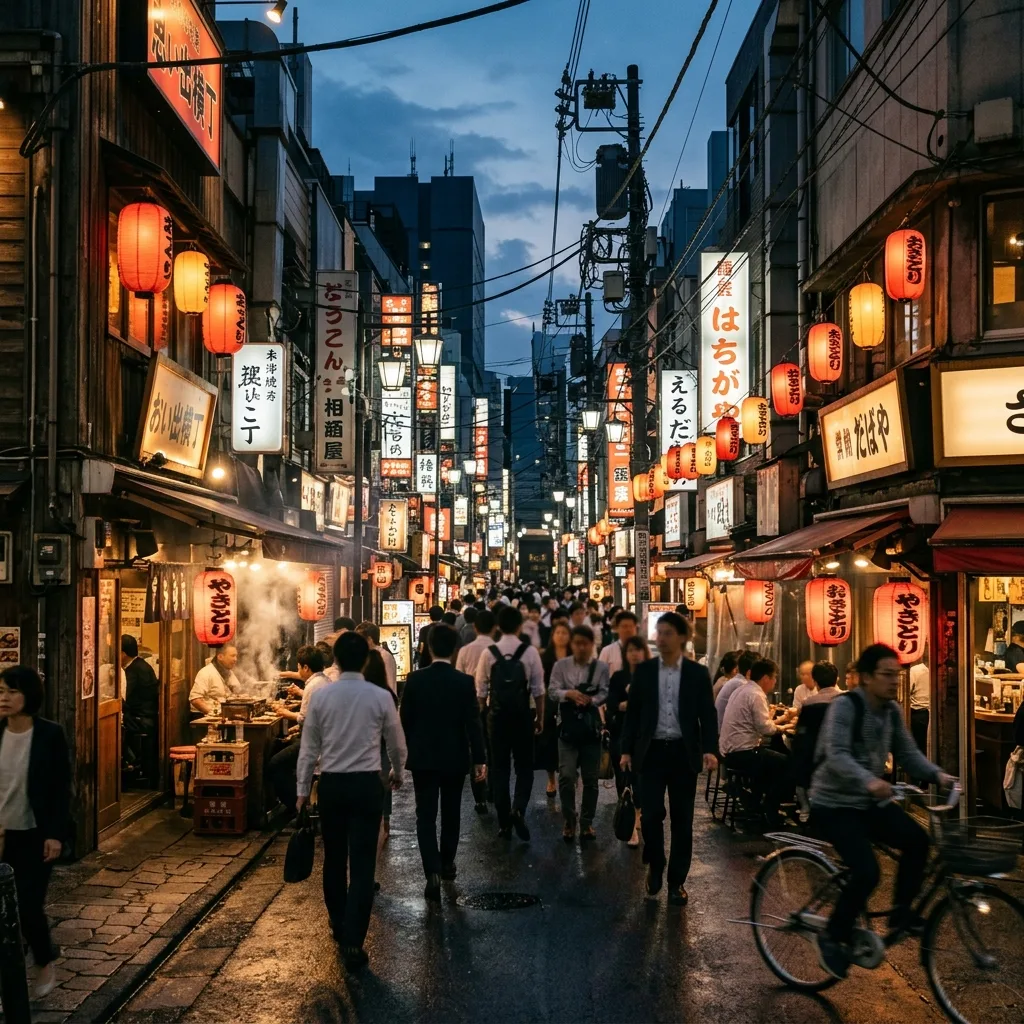
Most people assume Tokyo is expensive. They're wrong — or at least, half-wrong. Yes, accommodation costs have climbed since the pandemic, and a weak yen has made imported goods pricier. But the fundamentals that made Tokyo one of Asia's great budget destinations are still firmly intact: a convenience store culture that delivers restaurant-quality meals for ¥500, a public transit network that costs less per kilometer than almost anywhere in the world, and a stunning density of free-to-visit shrines, parks, and urban spectacles that would be ticketed attractions in any other global capital. The challenge isn't finding cheap things to do in Tokyo — it's knowing which ones are worth your time.
This guide is built for travelers who want the real Tokyo experience without a padded budget: the izakayas where locals actually eat, the parks that rival anything a museum could offer, and the neighborhoods where a full day of sightseeing costs nothing but a transit fare. Whether you're planning a solo trip, a couple's getaway, or a multi-city East Asia loop — if you want the honest breakdown of what Tokyo costs and how to keep it low, read on.
How Much Does Tokyo Actually Cost Per Day?
Here's the honest answer most guides skip: Tokyo can cost you ¥5,000 per day or ¥25,000 per day, and both versions are "doing Tokyo." The range depends almost entirely on where you sleep and what you eat. A budget-conscious solo traveler staying in a capsule hotel, eating gyudon and convenience store meals, and sticking to free attractions can comfortably manage ¥5,000–¥8,000 per day (roughly $33–$53 at current exchange rates). A mid-range traveler in a private guesthouse room who eats out at sit-down restaurants for every meal will land around ¥12,000–¥18,000 per day.
For comparison, planning a multi-destination trip alongside Japan? Our guide to How to Travel South Korea on a Budget: $35/Day Survival Guide (2025) uses the same framework and helps you stack both countries without blowing your overall travel budget.
Here's a realistic daily budget breakdown:
| Category | Budget Tier | Mid Tier |
|---|---|---|
| Accommodation | ¥2,500–¥5,000 | ¥8,000–¥15,000 |
| Food | ¥1,500–¥2,500 | ¥3,500–¥6,000 |
| Transit | ¥500–¥1,000 | ¥800–¥1,500 |
| Attractions | ¥0–¥500 | ¥1,500–¥3,000 |
| Total | ¥4,500–¥9,000 | ¥13,800–¥25,500 |
The biggest lever you have is accommodation. Nail that decision and the rest of the budget largely falls into place.
Cheap Food in Tokyo: Where and What to Eat
Tokyo's food culture is stacked in the budget traveler's favor. The city's obsession with quality extends all the way down the price ladder — a ¥600 gyudon bowl at Yoshinoya is genuinely good. A ¥180 onigiri from 7-Eleven is made fresh multiple times a day. This is a city where "cheap food" rarely means "bad food."
Gyudon Chains: The Budget Traveler's Best Friend
Gyudon (beef rice bowl) chains are the backbone of cheap eating in Tokyo. The big three — Yoshinoya, Sukiya, and Matsuya — are open 24 hours, located near every major train station, and serve a filling beef bowl for ¥450–¥600. Add a side of miso soup (¥70–¥100) and a soft drink and you have a complete meal under ¥800.
Each chain has slightly different strengths:
- Yoshinoya: The original, with a slightly sweeter sauce and the thinnest beef slices. Classic.
- Sukiya: Most locations, widest topping variety (kimchi gyudon, cheese gyudon). Slightly richer.
- Matsuya: Offers a full set meal (teishoku) with salad and soup for around ¥700–¥900. Best value for a proper sit-down feel.
Ramen: Budget Without Compromise
A bowl of ramen at a neighborhood shop costs ¥800–¥1,200 in Tokyo. Avoid the famous hyped spots (Ichiran, Fuunji) during peak hours — the queue alone kills your morning. Instead, look for small counter-seat ramen shops (ramen-ya) near train stations or in basement food halls. The quality gap between a ¥900 local shop and a ¥1,400 Michelin-listed bowl is smaller than you'd expect.
Good budget-friendly ramen styles to seek out:
- Shio (salt) ramen: Light, clear broth — often the cheapest on the menu
- Tsukemen (dipping ramen): Rich, concentrated dipping broth with cold noodles — filling and usually ¥900–¥1,100
- Jiro-style ramen: Massive portions, thick noodles, mound of vegetables — one bowl will carry you through half the day
Convenience Stores (Konbini): Japan's Underrated Restaurants
7-Eleven Japan, Lawson, and FamilyMart are not afterthoughts — they're serious food establishments. The onigiri (rice balls) alone are worth a visit: fresh-made, with precisely seasoned fillings, wrapped in a satisfying origami-like packaging designed to keep the nori crisp. A full convenience store meal can be assembled for ¥500–¥700:
- Onigiri (salmon, tuna mayo, mentaiko): ¥130–¥180 each
- Karaage (fried chicken bites): ¥150–¥250
- Chilled tofu with ponzu: ¥150
- Green tea or barley tea: ¥100–¥150
The hot food counter — oden in winter, nikuman steamed buns, fried chicken — rotates seasonally and adds variety to the rotation. Eating konbini for breakfast and lunch, then spending ¥1,200–¥1,500 on a proper dinner is a perfectly sustainable strategy.
Standing Bars and Depachika
Two more budget secrets: tachinomi (standing bars) and depachika (department store basement food halls).
Standing bars — especially the salaryman-style tachinomi-ya near Yurakucho or Shimbashi — pour draft beer for ¥300–¥500 a glass and serve yakitori skewers from ¥120 each. These are genuine local experiences, not tourist traps, and a full evening of food and drinks rarely exceeds ¥2,000 per person.
Depachika are the basement floors of department stores (Isetan, Takashimaya, Mitsukoshi) where prepared food, pastries, sushi, and bento boxes are sold throughout the day. The real move: visit 30–60 minutes before closing time (usually 7–8pm) when staff apply 20–50% discount stickers to unsold inventory. Premium-quality food at convenience store prices.
Free and Cheap Attractions in Tokyo
Tokyo's paid admission attractions are legitimately impressive — teamLab, Mori Art Museum, DisneySea. But the free tier is dense enough to fill multiple days and frequently more memorable than what you'd pay to see elsewhere.
Ueno Park: Tokyo's Cultural Hub for Free
Ueno Park (Ueno-koen) is one of the best free public spaces in any major world city. Entry to the park itself is free; the museums clustered inside it (Tokyo National Museum, National Museum of Nature and Science) charge admission, but even a walk through the grounds provides hours of wandering. The large central pond ringed with lotus flowers, the Toshogu Shrine (free to enter the outer precincts), the street vendor stalls near the main gate — it's a full afternoon without spending a yen.
During cherry blossom season (late March to early April), Ueno becomes one of Tokyo's prime hanami (blossom viewing) spots, with approximately 800 cherry trees. Bring a convenience store picnic, find a patch of grass, and you have one of the quintessential Tokyo experiences at zero cost.
Asakusa and Senso-ji Temple
Senso-ji in Asakusa is Tokyo's oldest and most visited temple — and entry is free. The approach along Nakamise-dori shopping street is lined with stalls selling ningyo-yaki (fish-shaped cakes), traditional snacks, and craft souvenirs at reasonable prices. The main hall, the five-story pagoda, and the surrounding Asakusa Shrine are all free to visit at any hour (though the inner hall closes at night).
The surrounding Asakusa neighborhood rewards wandering. The backstreets west of Nakamise-dori hold old-school shitamachi (downtown) atmosphere: sembei (rice cracker) shops, rickshaw pullers, and narrow lanes that feel removed from the modern city. Budget ¥500–¥1,000 for snacks, and that's an entire half-day.
Shinjuku Gyoen National Garden
Shinjuku Gyoen is technically not free — adult admission is ¥200, making it one of Tokyo's best bargains rather than a free attraction. The 58-hectare garden blends French formal, English landscape, and Japanese traditional garden styles into a seamless, crowd-dispersing space. It's one of the few places in central Tokyo where you can genuinely escape the urban noise. Open 9am–4:30pm, closed Mondays.
Imperial Palace East Gardens
The Imperial Palace East Gardens (Higashi-Gyoen) in Chiyoda are free and open to the public on most days (closed Mondays, Fridays, and during Imperial events). The former inner citadel of Edo Castle contains the foundations of the old castle keep, formal Japanese gardens, and immaculate landscaping. Entry via the Otemon, Hirakawamon, or Kitahanebashimon gates.
Free Observation Decks and Urban Viewing
Several of Tokyo's best skyline views are free:
- Tokyo Metropolitan Government Building (Shinjuku): Twin towers with observation decks on floors 45 — open until 10:30pm (north tower) and free admission.
- Caretta Shiodome observation deck: Free views toward Tokyo Bay and Odaiba.
- Shibuya Sky and Tokyo Skytree: Both charge admission (¥2,000–¥3,600) but are worth budgeting for if views are your priority. Alternatively, the free decks scratch the same itch.
Neighborhood Walks That Cost Nothing
Some of Tokyo's most rewarding experiences require nothing but time:
- Yanaka: Old cemetery town with preserved Edo-period streetscapes, independent shops, and a genuine local feel
- Shimokitazawa: Youth culture, vintage shops, live music venues, cheap café culture
- Nakameguro Canal: Lined with cafés and small boutiques; at cherry blossom time, one of the most photogenic walks in the city
- Akihabara: The electronics and anime district is free to browse, overwhelming to explore, and entirely absorbing
For a deeper overview of Tokyo's neighborhoods, sights, and logistics, see our full Ultimate Tokyo Travel Guide 2026: Everything First-Timers Need to Know — it covers everything from arrival airport logistics to the best neighborhoods by traveler type.
Affordable Accommodation in Tokyo
Accommodation is where Tokyo budgets live or die. The city's accommodation supply is large and competitive, which keeps prices honest in the budget tier — but you need to know what to look for.
Capsule Hotels
Capsule hotels are Tokyo's signature budget accommodation and one of the few genuinely unique lodging experiences in world travel. A standard capsule — your own enclosed sleeping pod with a mattress, privacy curtain or door, charging outlets, and individual reading light — costs ¥2,000–¥6,500 per night depending on location and quality tier.
The modern generation of capsule hotels has moved well beyond the 1980s salaryman original. Properties like Nine Hours (multiple Tokyo locations), The Millennials Shibuya, and First Cabin offer pod designs with more vertical space, better ventilation, and communal lounges that are genuinely pleasant to spend time in. Shared bathroom facilities are typically high-quality and immaculately maintained.
What to know:
- Most capsule hotels in Tokyo are single-gender floors; a few are co-ed with gender-separated sleeping areas
- Lockers for valuables are standard; you won't need to worry about security
- Best for: solo travelers comfortable with shared spaces, people arriving late or departing early (no checkout judgment)
Hostels and Guesthouses
Tokyo's hostel scene is strong. Dorm beds at reputable hostels cost ¥3,000–¥5,000 per night and typically include free Wi-Fi, a locker, and access to a communal kitchen. Private rooms in hostels and small guesthouses run ¥6,000–¥10,000.
Well-regarded budget areas for hostels:
- Asakusa: Central, accessible, strong hostel cluster
- Ueno: Near the park and major transit hub
- Shinjuku: Convenient for nightlife and transport; slightly pricier than Asakusa/Ueno
- Akihabara / Akibahara: Good transit access, lower demand than Shinjuku
Business Hotels
For a private room with an ensuite bathroom, Japanese business hotels (Toyoko Inn, Dormy Inn, Super Hotel) regularly offer weeknight rates from ¥8,000–¥12,000. These are not luxury properties, but they're clean, efficiently designed, and include amenities (onsen baths at Dormy Inn, free breakfast at some Toyoko Inn locations) that add real value.
Book directly via the hotel's own site or through Jalan/Rakuten Travel (Japanese booking platforms that frequently offer lower rates than international OTAs). Avoid booking on the OTA apps during national holidays (Golden Week in late April/early May, Obon in mid-August, Silver Week in September) — prices double or triple.
Getting Around Tokyo on a Budget
Tokyo's public transit is the best in the world by most measures — and budget-friendly if you use it correctly.
IC Card (Suica / Pasmo)
Get a Suica or Pasmo IC card at any major station or via the Suica app (iPhone Wallet). Load it with yen and tap on and off at every station. The IC card fare is always equal to or cheaper than buying individual paper tickets, and it works on every metro line, JR line, bus, and most convenience store payments.
A typical cross-city subway journey costs ¥170–¥300. Most within-central-Tokyo trips stay under ¥200. A full day of hopping between Asakusa, Ueno, Akihabara, Shibuya, and Shinjuku — covering five neighborhoods with active transit links — costs under ¥1,000 in fares.
When the JR Pass Is Not Worth It
For a Tokyo-only trip, the JR Pass (¥50,000+ for 7 days in 2026) is almost never worth it. The pass covers JR lines but not the Tokyo Metro or Toei subway lines that serve most tourist destinations. If you're doing a multi-city trip including Kyoto, Osaka, or Hiroshima, the math shifts — but don't buy the pass for Tokyo alone.
Walking Is Underrated
Tokyo neighborhoods are more walkable than their transit connectivity suggests. Shibuya to Harajuku: 15 minutes on foot. Akihabara to Ueno: 15 minutes. Asakusa to Ueno: 20 minutes. When the weather is good, defaulting to walking saves ¥200–¥500 per trip and reveals the city at street level in a way transit never does.
Tips and Common Mistakes
Skip the tourist restaurant menus. Restaurants that display multi-language menus with photos in major tourist areas (Shinjuku, Akihabara, Asakusa main street) tend to charge 20–40% more for similar food you'd find one block over. The plastic food display models outside an unmarked restaurant with a Japanese-only sign are an invitation, not a barrier.
Use vending machines for drinks, not convenience stores. Japan has one of the world's densest vending machine networks (~5 million machines). A canned coffee or tea from a vending machine costs ¥100–¥130, cheaper than the ¥150–¥200 at konbini.
Book accommodation 4–8 weeks in advance. Tokyo's budget accommodation fills quickly for weekends and holidays. Last-minute booking means paying mid-range prices for budget-tier properties.
Don't over-buy a data SIM. A 3GB eSIM for 7 days costs ¥1,000–¥1,500 on providers like IIJmio or Mobal. Most cafes, convenience stores, and transit hubs now offer free Wi-Fi; you rarely need heavy data.
Eat near train stations, not in them. Station-adjacent restaurants (ekiben, station-facing cafés) charge premiums for footfall. Walk 5 minutes from any major station and prices drop noticeably.
Day-trip to avoid Tokyo accommodation costs. Nikko, Kamakura, Yokohama, and Hakone are all day-trippable from Tokyo. Spending a few nights outside Tokyo (Kyoto, Hiroshima) before returning adds variety without requiring a full Tokyo-based accommodation budget for every night.
If you're planning a broader East Asia budget trip, our Ultimate Beijing Travel Guide: Great Wall, Forbidden City & More covers another major city where the gap between tourist-tier and local-tier spending is significant.
FAQ
Is Tokyo expensive for tourists in 2026? Less than many expect. While accommodation and some imported goods have risen in price, food, transit, and attraction costs remain competitive with other major global cities. A budget traveler can manage ¥5,000–¥8,000 per day; a mid-range traveler spends ¥12,000–¥18,000.
What is the cheapest way to eat in Tokyo? Gyudon chains (Yoshinoya, Sukiya, Matsuya) for main meals at ¥450–¥600 per bowl, convenience store onigiri and sides for breakfast and snacks, and depachika discounts in the evening. A full day's food budget of ¥1,500–¥2,000 is realistic with this approach.
Are there really free things to do in Tokyo? Yes. Ueno Park, Senso-ji Temple, the Imperial Palace East Gardens, Yoyogi Park, Meiji Shrine, the Tokyo Metropolitan Government Building observation deck, and neighborhood walks in Yanaka and Shimokitazawa are all free. You can fill multiple days without paying a single admission fee.
Is a capsule hotel safe? Yes. Capsule hotels in Japan have strong security cultures — lockers for valuables, key card access to sleeping areas, and staff presence. The main limitation is privacy for couples (most capsule hotels don't allow guests to share a pod) and limited storage for large luggage. Use a coin locker at the train station for oversized bags.
Should I get the JR Pass for a Tokyo trip? No, unless you're doing a multi-city shinkansen trip to Kyoto, Osaka, or beyond. For Tokyo-only travel, a loaded Suica IC card is more cost-effective.
What neighborhoods are cheapest to stay in? Asakusa and Ueno have the strongest concentration of budget hostels and guesthouses at lower price points than Shinjuku or Shibuya. Both are well-connected to the rest of the city.
Conclusion
Tokyo rewards travelers who do the research — and punishes those who don't. The tourist-price layer is real, but it's thin. One block off the main drag, Tokyo reverts to what it actually is: a city where a spectacular bowl of ramen costs less than a New York bodega sandwich, where free parks and temples occupy some of the most valuable real estate in the world, and where the sheer density of things to see makes a budget trip feel genuinely abundant rather than compromised.
The key decisions are made before you arrive: book your accommodation early, get a Suica card the moment you land, and orient your eating habits toward gyudon chains and convenience stores for at least two of your three daily meals. Do those three things and Tokyo's reputation as an expensive city simply doesn't apply to you.
For the full logistics picture — airport transfers, neighborhood breakdowns, day-trip options, and the best times to visit — see our complete Ultimate Tokyo Travel Guide 2026: Everything First-Timers Need to Know. Budget Tokyo is one of the best-value trips in Asia. The planning starts here.