Tokyo Food Guide: Ramen, Sushi, Yakitori & Where to Find Them

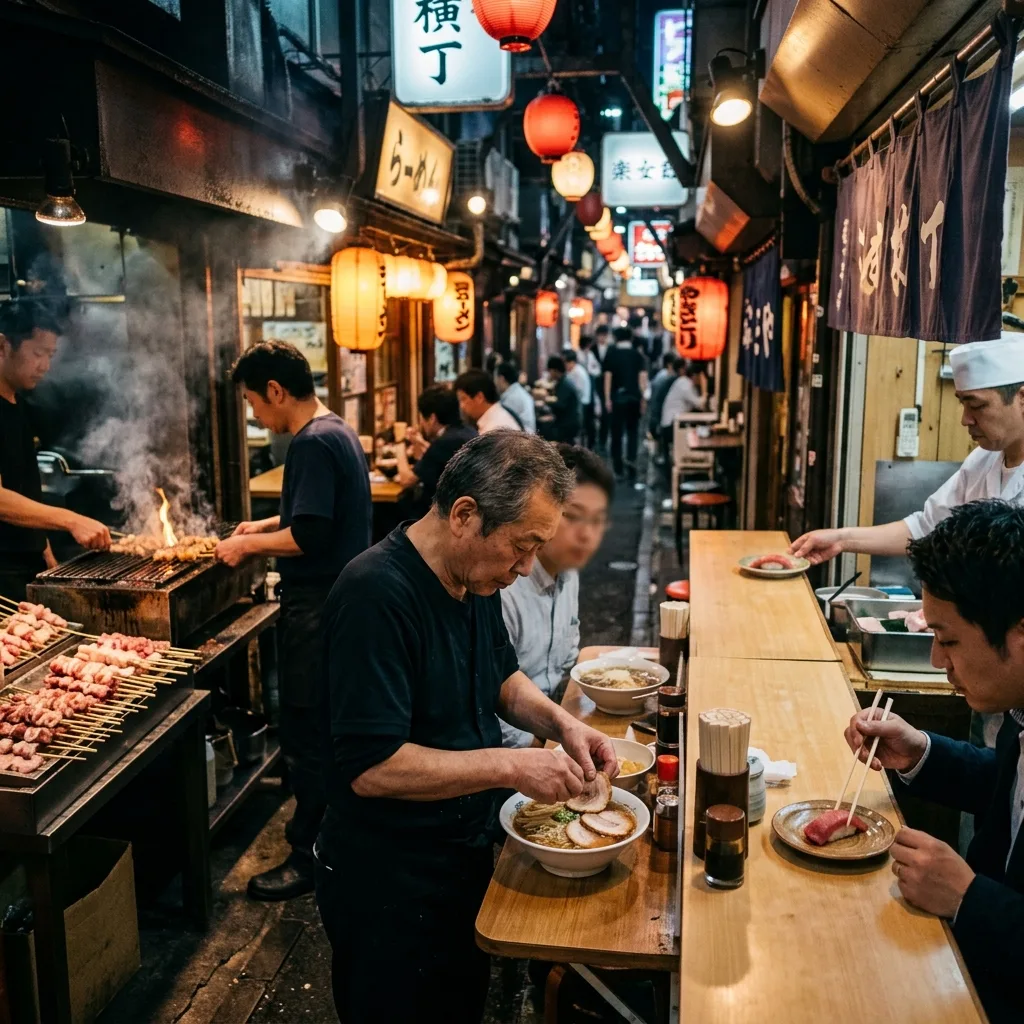
Tokyo has more Michelin-starred restaurants than any other city on earth, yet some of its most transcendent meals cost less than a cup of coffee back home. Whether you're chasing a perfectly lacquered bowl of tonkotsu ramen at a counter with eight seats, waiting in line before a neighborhood sushi bar opens, or standing elbow-to-elbow at a smoky yakitori stall under the train tracks in Yurakucho, this city rewards curiosity with food that is, frankly, hard to find anywhere else.
This guide focuses on the three dishes that define Tokyo street-level food culture — ramen, sushi, and yakitori — plus the neighborhoods where you're most likely to find the real thing. I've included price ranges, practical tips, and a few insider details that most round-up articles skip over.
The Tokyo Food Scene: What Makes It Different
Tokyo's food culture is built on specialization. A ramen-ya serves ramen. A sushi counter serves sushi. A yakitori-ya does nothing but chicken on skewers, and does it better than most places do everything. This hyper-focus on a single craft, applied over decades, is why a ¥900 bowl in a windowless basement can taste like the best thing you've ever eaten.
The city is also extraordinarily dense. Within any given neighborhood, you'll find dozens of restaurants competing for the same customer base. That competition keeps standards high and prices surprisingly reasonable — especially for lunch sets, which are often half the price of dinner at the same restaurant.
One thing to understand before you start planning: queues are real. Tokyo's best ramen shops, tuna counters, and yakitori stalls do not take reservations, do not apologize for wait times, and do not expand seating to meet demand. Build queue time into your schedule — twenty to forty minutes is normal, and it's almost always worth it.
Ramen in Tokyo: Styles, Shops, and What to Order
Ramen is not one dish. It's a family of dishes that vary dramatically by broth, noodle type, toppings, and regional tradition. Tokyo itself has a native style — shoyu (soy sauce) ramen — but the city has absorbed every regional variant and now hosts shops representing Sapporo-style miso, Hakata-style tonkotsu, Kyushu shio, and everything in between.
Shoyu ramen is the local default. The broth is clear to amber, chicken- or pork-based, seasoned with soy sauce, and clean on the palate. The noodles are typically thin and slightly wavy. Toppings are restrained: chashu pork, ajitsuke tamago (soy-marinated soft-boiled egg), nori, and menma (bamboo shoots). It tastes like the platonic version of the thing you were picturing when you thought of ramen.
Tonkotsu is the other dominant style. Pork bones are boiled at high heat for many hours until the broth turns opaque and milky white. The result is rich, fatty, and intensely savory. Good tonkotsu should coat your spoon and leave your lips slightly sticky. Ichiran, Ippudo, and Fuunji are the most accessible chains, but neighborhood shops often outperform them.
Tsukemen (dipping ramen) deserves its own mention. The noodles arrive separately from the broth — you dip, eat, dip again. The broth for tsukemen is much more concentrated than regular ramen broth because it's not meant to be drunk by the bowl. The style was invented in Tokyo by Kazuo Yamagishi at Taishoken in Higashi-Ikebukuro, and the original shop still draws pilgrimage crowds.
Tantanmen (Dan Dan noodles) is the sesame-and-chili variant, popular at the soup-less abura soba shops that have proliferated across the city. It's rich, nutty, and quite different from anything you'd recognize as Chinese dan dan mian.
Where to Eat Ramen in Tokyo
- Fuunji (Shinjuku) — Lines form before opening for the tsukemen, which is served in a rich chicken-and-dashi concentrate. Gets through queues fast; expect 20–30 minutes on a weekday.
- Taishoken (Higashi-Ikebukuro) — The house that invented tsukemen. Heavy, old-school, and worth the trek to eastern Ikebukuro.
- Afuri (multiple locations) — Yuzu shio ramen with a citrusy broth that's lighter than most. The original shop is in Ebisu; branches in Omotesando and Harajuku are more accessible.
- Ivan Ramen (Shibuya / Togoshi-Ginza) — Run by American chef Ivan Orkin, who moved to Tokyo, mastered the craft, and now runs one of the city's most respected shops. The shio ramen is delicate and exceptional.
- Ichiran (many locations) — The chain famous for solo booths and a customization form. Not the best ramen in Tokyo, but excellent for first-timers who want a controlled, pressure-free introduction.
Price range: ¥900–¥1,500 per bowl. Most shops are cash only — bring coins.
Sushi in Tokyo: From Standing Bars to Omakase Counters
Tokyo's relationship with sushi is unlike anywhere else. The city sits close to Tsukiji (and now Toyosu), one of the world's great fish markets, and has a culture of obsessive freshness that means even mid-range sushi bars serve fish that European or American sushi restaurants simply can't replicate.
The key distinction for visitors is between kaiten-zushi (conveyor belt sushi), standing sushi bars (tachinomi/tachigui), and omakase counters.
Kaiten-zushi is fast, affordable, and completely legitimate. Chains like Sushiro, Kura Sushi, and Kappa Sushi serve individual plates for ¥100–¥300 per two pieces. The fish is fresh, the variety is wide, and there's no language barrier — you point, you eat. Sushiro in particular has a reputation for sourcing quality that far exceeds its price point.
Standing sushi bars are the hidden gem that most visitors miss. These are counter-only shops (no seats) where nigiri is made to order and served on small plates. You stand, eat, and move on. The experience is unpretentious and the fish quality is usually excellent because turnover is high. Look for them in market neighborhoods like Tsukiji Outer Market, Tsukiji (Ginza area), and near Toyosu.
Omakase counters are the full experience: a set menu of 15–20 courses, entirely at the chef's discretion, with each piece placed in front of you and meant to be eaten immediately. This is the version of sushi that redefines the benchmark. Budget ¥20,000–¥80,000 per person for reputable counters; some of the most celebrated chefs charge significantly more. Reservations are essential and often require weeks of advance notice through services like Tableall or a hotel concierge.
Sushi Neighborhoods
Tsukiji Outer Market (near Higashi-Ginza station) remains the most accessible hub for mid-morning sushi after the inner market relocated to Toyosu. The outer market's stalls and small restaurants serve fresh nigiri from early morning. Expect queues at the most popular spots, especially on weekends.
Ginza is home to some of the city's most storied omakase counters. The neighborhood commands premium prices but also delivers the highest ceiling for sushi quality.
Hamacho and Nihonbashi are quieter alternatives with excellent neighborhood sushi shops at more reasonable prices than Ginza.
What to Order
If you're at an omakase counter, you don't order — you trust the chef. But at standing bars and mid-range restaurants, these are the reliable pieces to anchor your meal:
- Maguro (tuna) — The default benchmark. Akami (lean), chutoro (medium fatty), otoro (fatty belly) represent three distinct experiences.
- Hamachi (yellowtail) — Clean, mild, slightly buttery.
- Uni (sea urchin) — The controversial one. Good uni is oceanic and sweet; bad uni is bitter and mushy. Tokyo typically has the former.
- Ikura (salmon roe) — Bursts of brine, great with slightly warm rice.
- Tamago (sweet egg) — Often the last piece at omakase; a good tamago requires skill and is used to judge a chef's fundamentals.
Price range: ¥100–¥300 per piece at kaiten; ¥500–¥2,000 per piece at standing bars; ¥15,000–¥80,000+ for full omakase.
Yakitori in Tokyo: The Art of Chicken on a Skewer
Yakitori — grilled chicken skewers — is one of Tokyo's defining after-work rituals. The concept sounds simple: chicken pieces on bamboo skewers, grilled over binchotan charcoal. But the execution involves real craft, and the range of cuts available at a serious yakitori-ya would surprise anyone who's only had chicken breast skewers at a street stall.
Good yakitori is about using the whole bird. You'll find:
- Momo — Thigh meat. Juicy, flavorful, the default crowd-pleaser.
- Teba — Wing. Crispy skin, rich gelatin near the joint.
- Tsukune — Ground chicken meatball, often finished with a raw egg yolk dip.
- Sunagimo — Gizzard. Chewy, mineral, excellent with a cold beer.
- Kawa — Skin only. Crisped over coals until it shatters. Addictive.
- Nankotsu — Cartilage. Not for everyone, but popular with regulars.
- Negima — Alternating pieces of chicken thigh and Japanese green onion.
Most skewers are seasoned either shio (salt) or tare (a sweet soy-based glaze). The consensus among yakitori purists is that shio is the real test of quality because there's nowhere for the bird to hide — but tare is delicious and worth ordering at least a few of.
Where to Eat Yakitori in Tokyo
Yurakucho (under the train tracks between Hibiya and Yurakucho stations) is the most atmospheric destination for yakitori in the city. The corrugated metal shacks built beneath the elevated train lines have been serving grilled chicken and cold beer since the postwar era. The rumble of the Yamanote Line above is part of the ambiance.
Ebisu and Daikanyama have a cluster of higher-end yakitori restaurants with polished interiors and reservations-required policies. For a more refined experience, the yakitori here competes with the best in the country.
Shinjuku Golden Gai is a network of tiny alley bars where some serve simple yakitori alongside drinks. More bar-hopping territory than food destination, but atmospheric.
Omoideyokocho (Memory Lane, Shinjuku) — A narrow alley near Shinjuku Station's west exit packed with tiny grills. It's touristy but genuine, and the skewers are good.
Price range: ¥150–¥400 per skewer. A full meal with drinks runs ¥2,000–¥4,000 per person.
Tokyo Food Neighborhoods: A Quick Map
Understanding which neighborhood to target for which food experience saves time and makes the difference between a good meal and a great one.
Shinjuku — Dense and exhausting in the best way. Ramen shops cluster near the east exit. Yakitori under Omoide Yokocho. Department store basement food halls (depachika) in Isetan and Takashimaya.
Ginza / Hibiya / Yurakucho — Upscale sushi counters, old-school department store food floors, and the best yakitori-under-the-tracks experience in the city.
Shibuya / Daikanyama / Ebisu — Trendy ramen concepts, craft coffee, boutique yakitori. Slightly younger crowd, higher design consciousness.
Asakusa — Traditional monjayaki and tempura. Ramen options are sparser, but the neighborhood atmosphere is irreplaceable. Good for lunch, especially if you're also hitting Senso-ji.
Tsukiji (Outer Market area) — Morning sushi, tamagoyaki (rolled egg) on sticks, fresh seafood. Gets crowded by 9am on weekends.
Shimokitazawa — Indie cafes, natural wine bars, Korean-Japanese fusion. Not the destination for classic yakitori but an excellent evening wander.
If you're figuring out which part of the city to base yourself in, the guide to Tokyo Neighborhoods: From Shinjuku to Shimokitazawa breaks down the character and food culture of each area in detail.
Practical Guide: Hours, Prices, and How to Navigate
Hours: Most ramen shops open for lunch around 11am–11:30am and serve until the soup runs out (which can be as early as 2pm at busy spots). Yakitori and sushi bars typically open for dinner from 5:30–6pm. Tsukiji market stalls open as early as 5am for the fish trade but tourist-friendly stalls start around 7–8am.
Prices: Tokyo eating is affordable if you're strategic. Lunch sets at mid-range restaurants commonly cost ¥900–¥1,500. The same dinner would be ¥2,500–¥4,000. Convenience store food (7-Eleven, Lawson, Family Mart) is genuinely excellent for breakfast and snacks — onigiri, sandwiches, and instant noodles from Japanese konbini far exceed their Western equivalents.
Cash vs. card: Many small ramen shops, yakitori stalls, and sushi counters are still cash only. Carry ¥10,000–¥15,000 in cash for a day of serious eating. 7-Eleven ATMs reliably accept foreign cards.
Language: Point at menu pictures, use Google Translate's camera mode, or show this to the staff: "おすすめは何ですか?" (What do you recommend?) Most Tokyo restaurants are experienced with non-Japanese speakers and will find a way to communicate.
IC Cards: Get a Suica or Pasmo card from any major station on arrival. You can use it to tap in and out of trains and pay at most convenience stores, some food stalls, and vending machines. For full details on navigating the transit system, see Getting Around Tokyo: Trains, IC Cards & Navigation Apps.
Reservations: For omakase sushi, book through your hotel concierge, Tableall, or Pocket Concierge. For casual ramen and yakitori, no reservations are needed — just show up and queue.
Tips & Common Mistakes
Don't skip the egg. The ajitsuke tamago at a serious ramen shop is made in-house, marinated for hours, and represents real craft. Order it every time.
Lunch over dinner for sushi. Many good sushi counters offer lunch sets at half the dinner price, using the same fish. The 11:30am queue is always shorter than the 7pm rush.
Check the vending machine outside. Many ramen shops use a ticket vending machine at the entrance. You select your order, pay the machine, and hand the ticket to the chef. First-timers freeze at this step. Take a photo of the machine display before you enter.
Don't request modifications at omakase. The chef decides the meal. Legitimate dietary restrictions (shellfish allergy, etc.) should be communicated when booking, not at the counter.
Eat where the salarymen eat. Yakitori and ramen spots popular with office workers tend to offer the best value in the city. If there's a queue of people in business attire at noon, that's a reliable quality signal.
Skip the tourist-oriented "ninja restaurant" style experiences. The theater is the point, not the food. Tokyo's legitimate food culture is accessible to any visitor willing to queue and order honestly.
FAQ
What is the best ramen in Tokyo? There's no single answer, but Fuunji in Shinjuku is consistently ranked among Tokyo's best tsukemen, and Afuri's yuzu shio ramen is a strong recommendation for first-timers who want something lighter. The city has hundreds of excellent shops — wandering and trying new bowls is part of the experience.
How do I eat sushi in Tokyo on a budget? Kaiten-zushi chains like Sushiro and Kura Sushi offer excellent quality for ¥100–¥300 per plate. The Tsukiji Outer Market area has standing sushi bars where ¥2,000 gets you a serious meal. For the full breakdown of eating cheaply without compromising quality, see Tokyo on a Budget: Cheap Food, Free Attractions & Affordable Stays.
Is yakitori just chicken? Primarily, yes, though some yakitori-ya also grill vegetables (asparagus, shishito peppers, eringi mushrooms) and pork belly skewers alongside the chicken. The focus is always on the grill — binchotan charcoal at very high heat.
Do I need reservations for ramen or yakitori? Not for casual ramen shops or standing yakitori stalls. High-end yakitori restaurants and omakase sushi counters do require reservations and book out weeks in advance. Plan those ahead.
Can vegetarians eat well in Tokyo? It takes more navigation than for omnivores, but yes. Vegetarian ramen exists (miso or shio with mushroom-dashi broth), kaiten-sushi has kappa maki (cucumber), avocado, and tamago, and Tokyo has a growing number of plant-based restaurants, especially in Shibuya and Shinjuku.
Conclusion
Tokyo's food culture is not a single destination but a layered system of neighborhoods, specializations, and rituals. The best approach is to commit to depth rather than breadth: one great ramen bowl, one counter sushi meal, one evening of yakitori and beer under the train tracks. Those three experiences, done well, tell you more about Tokyo than any overview can.
If this is your first time visiting, the Ultimate Tokyo Travel Guide 2026 covers orientation, neighborhoods, and logistics. And if you're planning to go beyond the city, Best Day Trips from Tokyo: Nikko, Kamakura, Hakone & More covers the best half-day and full-day escapes.
Eat at the counter. Order what the chef recommends. Go back for seconds.