Japan Regional Food Guide: What to Eat in Each City

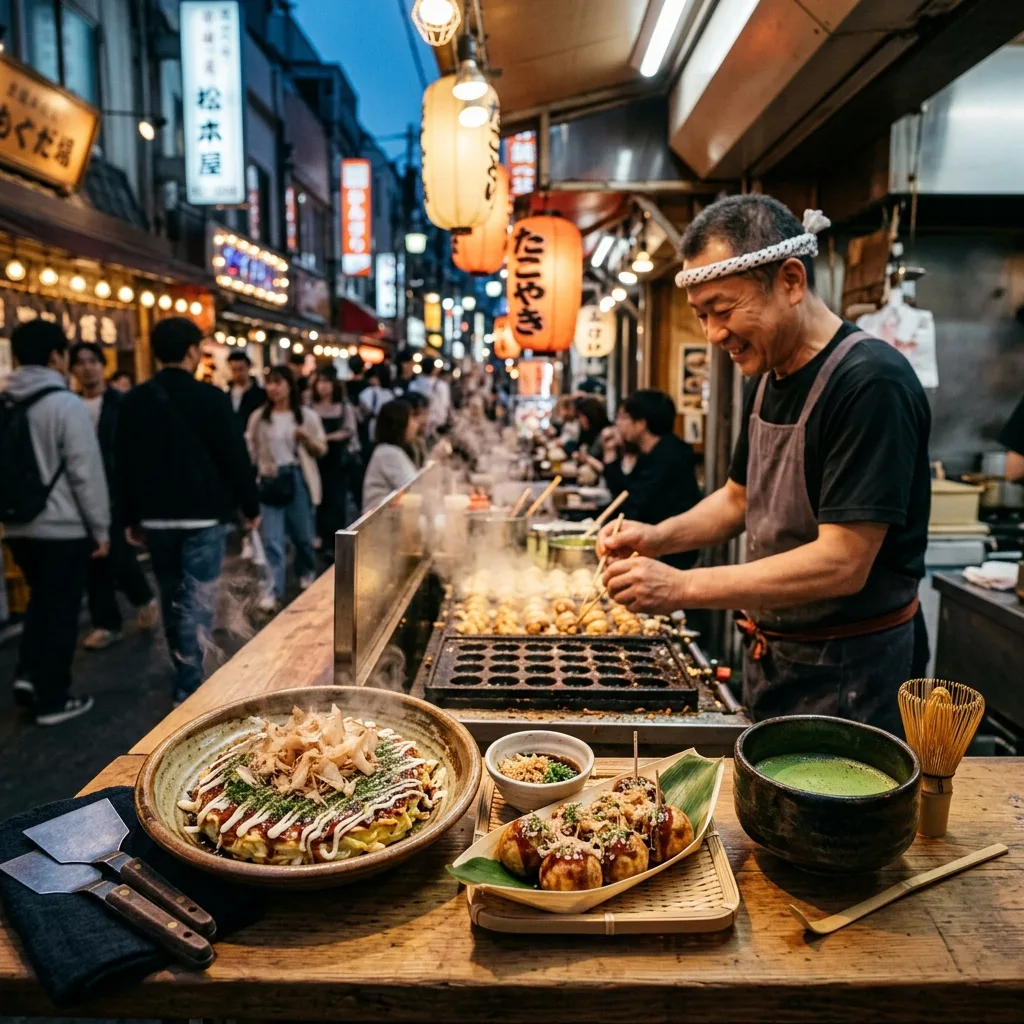
Japan does not have a single national cuisine — it has dozens of regional ones. Every city has its own specialty dish, its own preparation style, its own unspoken rules about what counts as a proper meal. Show up in Fukuoka and order Tokyo-style ramen, and locals will raise an eyebrow. Land in Osaka without trying takoyaki, and you've missed the entire point of the city. This guide cuts through the noise and tells you exactly what to eat in each major Japanese city, why it matters, and how to find the best version of it.
How Japan's Regional Food Culture Works
Japan's culinary identity is deeply regional — a product of geography, local agriculture, climate, and centuries of isolation between domains. The concept of meibutsu (名物), or regional specialty, is baked into how Japanese people think about food. When you travel to a new prefecture, the first question isn't "where's the restaurant district?" It's "what is this place known for?"
This matters for travelers because it shapes what's worth seeking out in each city. A bowl of ramen in Tokyo is a completely different experience from a bowl in Sapporo or Fukuoka, even if the dish shares a name. Knowing the local specialty before you arrive is the difference between eating well and eating randomly.
The cities below are ordered by the most common Japan itinerary routes: Tokyo → Osaka → Kyoto → Hiroshima → Fukuoka. For each city, this guide covers the signature dish, the best neighborhoods to find it, price expectations, and what to watch out for.
Tokyo: Ramen, Yakitori, and the Art of the Standing Bar
Tokyo is not a one-dish city — it's an aggregator. Because of the capital's gravitational pull, you can find excellent versions of nearly every regional dish here. But Tokyo does have its own culinary identity, and it centers on a few key things: shoyu ramen, yakitori alleys, and the culture of tachinomi (standing drinking).
Shoyu Ramen
Tokyo-style ramen uses a clear, soy-sauce-based broth with medium-thickness noodles and a relatively refined flavor profile. It's lighter than Fukuoka's tonkotsu and less aggressively seasoned than Sapporo's miso ramen. The benchmark neighborhoods are Shinjuku, Shibuya, and Ikebukuro — each with dozens of shops worth visiting.
For a deep dive on the specific styles and top spots, Tokyo Ramen Guide: Best Bowls by Style — Tonkotsu to Tsukemen covers every major variation with specific shop recommendations.
Yakitori Alleys
Yurakucho's yakitori alley, tucked under the train tracks between Yurakucho and Hibiya stations, is one of Tokyo's most atmospheric eating experiences. Small grills, smoke hanging in the air, salary workers crowded at low counters — it's unchanged since the 1960s. Order a mix: negima (chicken and leek), tsukune (meatball with egg yolk dip), torikawa (crispy skin). Expect ¥100–180 per skewer and plan to spend ¥2,000–3,000 including drinks.
Sushi in Tokyo
Tokyo is the right place to eat serious sushi because Tsukiji's market legacy (and the wholesale activity that moved to Toyosu) means the fish supply chain here is unmatched. The range runs from ¥150 kaiten-zushi conveyor belts at chains like Sushiro to ¥30,000+ omakase counters in Ginza. Before you sit down at any sushi counter, especially a traditional one, read Sushi Etiquette in Japan: Omakase, Kaitenzushi & How to Order Right — the rules are real and waitstaff notice.
Price Range in Tokyo
- Ramen: ¥900–1,400
- Yakitori: ¥1,500–3,000 including drinks
- Kaiten sushi: ¥1,000–2,000
- Serious sushi counter: ¥5,000–30,000+
Where to Eat in Tokyo
Shinjuku's east exit, Shibuya's Nonbei Yokocho, Shimokitazawa for independent restaurants, and the Yurakucho/Hibiya underpass for yakitori. Avoid tourist-facing restaurants in Asakusa and Harajuku unless you specifically confirm the shop has a local following.
Osaka: Street Food Capital of Japan
Osaka has a phrase that defines its food culture: kuidaore (食い倒れ), meaning "to eat yourself to ruin." It's not hyperbole — Osaka residents genuinely spend more per capita on food than any other city in Japan, and they're proud of it. The city's food identity is street-level, unpretentious, and built for maximum flavor.
Takoyaki
Osaka invented takoyaki — the octopus-filled batter balls cooked in a specialized iron pan, topped with bonito flakes, mayonnaise, and sweet-savory sauce. You can find them across Japan, but in Osaka they hit differently: more precisely cooked, with a properly liquid center and a slightly crispy exterior. The Dotonbori strip has multiple competing vendors; Wanaka and Aizuya are institutions. A tray of eight costs ¥600–800.
Okonomiyaki
Osaka-style okonomiyaki is a savory pancake: cabbage, egg, a protein of your choice (pork belly, shrimp, squid), and a slick of sweet brown sauce and mayonnaise. Unlike Hiroshima-style (which layers ingredients), Osaka mixes everything into the batter before cooking. The process is interactive at many restaurants — you cook it yourself on a table grill. Expect ¥1,000–1,400.
Kushikatsu
Osaka's contribution to fried food is kushikatsu: skewered proteins and vegetables, breaded in panko, deep fried, and dipped in a communal sauce. The cardinal rule is no double-dipping — you will see it written on signs everywhere, and they mean it. Shinsaibashi and Tennoji are the best neighborhoods for proper kushikatsu joints. ¥150–250 per skewer.
Ramen in Osaka
Osaka ramen doesn't have a single dominant style the way Fukuoka or Sapporo do, but the city has excellent ramen shops pulling from multiple traditions. For a broader look at Osaka's eating and shopping scene, including the Dotonbori night walk, Osaka Food Guide: Takoyaki, Okonomiyaki & the Dotonbori Night Walk is the reference.
Where to Eat in Osaka
Dotonbori for the spectacle and street food, Namba for density, Tennoji for local-skewing options, and the covered arcade streets branching off Shinsaibashi for sit-down meals. For the Namba vs Shinsaibashi breakdown — including which has better food versus shopping — see Namba vs Shinsaibashi: Osaka Shopping Districts Compared.
Kyoto: Kaiseki, Tofu, and Subtle Flavors
Kyoto eats differently from Osaka, and the difference is philosophical. Where Osaka maximizes flavor intensity, Kyoto maximizes restraint. The culinary tradition here grew from Buddhist temple cooking (shojin ryori) and imperial court cuisine, both of which prize technique, seasonal ingredients, and visual presentation over boldness.
Kaiseki
Kaiseki is Japan's highest expression of traditional cooking — a multi-course meal where every element reflects the season, the occasion, and the chef's relationship to local ingredients. In Kyoto, kaiseki is not just a restaurant genre; it's an art form that the city has been refining for 400 years. Entry-level kaiseki lunches start around ¥5,000; dinner at a serious ryotei runs ¥20,000–50,000+.
You don't need to spend at the top to experience real kaiseki. Several mid-range restaurants around Gion and Higashiyama offer kaiseki lunch sets (¥3,000–6,000) that give you the structure — appetizer, soup, grilled course, simmered dish, rice — without the full ceremony pricing.
Kyoto Obanzai
Obanzai is Kyoto's home-cooking tradition: small vegetable dishes, pickles, tofu preparations, and modest proteins served in rotating daily combinations. You'll find it at izakaya and lunch spots throughout the city. It's quieter than anything Osaka does, which is exactly the point.
Yudofu (Hot Tofu)
Around Nanzenji temple, there's an entire cottage industry of restaurants serving yudofu: tofu simmered in a light kombu broth, dipped in a simple ponzu or sesame sauce. It sounds too simple to be interesting, and it is, right up until you taste properly made Kyoto tofu — denser and creamier than supermarket varieties — in the right broth. ¥1,500–3,000 for a full yudofu set.
Matcha Everything
Kyoto is the center of Japan's matcha culture. The Uji region just south of the city produces some of the highest-grade ceremonial matcha in the world. In the city itself, the density of matcha cafes and confectionery shops in Gion and along Ninenzaka is staggering. Skip the tourist-facing Starbucks and seek out Nakamura Tokichi or Tsujiri for traditional matcha preparations.
Price Range in Kyoto
- Obanzai lunch set: ¥1,200–2,000
- Kaiseki lunch: ¥3,000–6,000
- Kaiseki dinner: ¥10,000–50,000+
- Yudofu set: ¥1,500–3,000
Hiroshima: Oysters and the Layered Okonomiyaki
Hiroshima is often reduced to its history in travel itineraries, but it has a food identity serious enough to warrant the trip on its own. The city's two signature dishes — Hiroshima-style okonomiyaki and fresh oysters — are both worth going out of your way for.
Hiroshima-Style Okonomiyaki
The key difference from Osaka-style: Hiroshima okonomiyaki layers its ingredients rather than mixing them. From bottom to top: batter, cabbage, pork, then yakisoba noodles, then a fried egg on top, finished with sauce. The result is structurally different and more filling. Okonomimura ("Okonomiyaki Village") is a six-floor building in downtown Hiroshima dedicated entirely to okonomiyaki restaurants — pick any floor, pick any stall, you'll eat well. ¥1,000–1,400.
Hiroshima Oysters
Hiroshima Prefecture produces 60% of Japan's oysters. The Seto Inland Sea's calm, nutrient-rich water produces oysters that are larger and creamier than the smaller Pacific varieties. Year-round at restaurants, peak season is October through April. You can get them raw, grilled (kaki no dotenabe), or fried (kaki furai). Budget ¥1,500–3,000 for an oyster-focused meal.
Mazesoba
Hiroshima also has a growing mazesoba (sauce ramen without soup) scene worth exploring if you're spending more than one day in the city.
Where to Eat in Hiroshima
The Hondori covered shopping arcade and the streets around Hiroshima Station have dense restaurant options. Okonomimura is near Parco department store. For oysters, restaurants in the Nagarekawa entertainment district and near the waterfront.
Fukuoka: Tonkotsu Ramen and the Yatai Culture
Fukuoka is arguably Japan's best food city per capita. It has the lowest cost of eating well of any major Japanese city, it invented one of Japan's most iconic dishes, and it has a street food culture — the yatai open-air stall tradition — that no other city has preserved to the same degree.
Hakata Ramen (Tonkotsu)
Fukuoka is the birthplace of tonkotsu ramen: pork bone broth cooked at a rolling boil for hours until it turns opaque white, loaded with umami depth, served with straight thin noodles and minimal toppings. The standard order is a bowl with extra noodles (kaedama) — when your bowl is nearly empty, you ask for a fresh serving of noodles to finish the remaining broth. ¥700–900 for a standard bowl.
The city has two competing traditions: Hakata-style (lighter, cleaner) and Nagahama-style (heavier, more intensely pork-forward). Both are excellent. The area around Hakata Station and the Tenjin district are both thick with ramen shops.
Yatai (Open-Air Food Stalls)
Fukuoka's yatai are small open-air stalls — typically seating eight to twelve people — set up along the river in the Nakasu district and under the elevated highway in Tenjin. They serve ramen, yakitori, oden, and offal dishes (motsunabe). The experience is convivial and chaotic. Most stalls open around 6pm and run until midnight or later. Budget ¥2,000–3,000 per person with drinks.
Mentaiko
Fukuoka is the home of mentaiko — spicy pollock roe. It appears in everything: as a topping for rice, mixed into pasta, spread on bread. The original producer, Fukuya, has a shop near Hakata Station. Buy some to take home.
Mizutaki
Hakata-style chicken hot pot, cooked in a clean broth, dipped in ponzu. The broth is built over hours from whole chicken; the flavor is subtle compared to tonkotsu but shows a different dimension of Fukuoka's food culture. ¥3,000–5,000 at dedicated restaurants.
Price Range in Fukuoka
- Tonkotsu ramen: ¥700–900
- Yatai meal with drinks: ¥2,000–3,000
- Motsunabe (offal hot pot): ¥2,000–3,500
- Sit-down kaiseki or high-end Hakata cuisine: ¥8,000–15,000
Sapporo: Miso Ramen, Crab, and Jingisukan
Sapporo and Hokkaido are Japan's cold-weather food capital. The combination of a dairy industry, seafood access from the Sea of Japan, and a culinary influence from Russian and American occupation has produced a food culture unlike any other Japanese city.
Sapporo Miso Ramen
Sapporo invented miso ramen. The rich, fermented-soybean broth — typically loaded with butter, corn, and bean sprouts — was developed in the 1960s to cut through the cold. It's heavier than Tokyo shoyu and as bold as Fukuoka tonkotsu, but in a completely different direction. Susukino district has the highest density of serious miso ramen shops.
Hokkaido Crab
King crab, snow crab, and hairy crab (kegani) from Hokkaido waters are distributed across Japan but are cheapest and freshest in Sapporo. The Nijo Market near downtown has seafood vendors and casual restaurants serving crab sets from ¥3,000. Curb your expectations at tourist-facing stalls; look for the restaurants where local fishermen eat.
Jingisukan
Hokkaido's lamb and mutton BBQ — named after Genghis Khan because of a hat-shaped grill — is Sapporo's most distinctive non-ramen dish. You cook thin-sliced lamb on a domed iron grill, eat with vegetables, and drink Sapporo beer. ¥2,000–3,500 per person. The Susukino entertainment district is the best area.
Soup Curry
Sapporo also invented soup curry: a large bowl of aromatic curry broth, lighter in body than standard Japanese curry, loaded with whole vegetables (often a half-chicken leg, carrot, potato) that have been separately roasted before going into the broth. ¥1,000–1,600 per bowl.
Nagoya: A City That Does Everything Differently
Nagoya has a reputation among Japanese foodies for being stubbornly weird, and the city wears this as a badge of honor. Its food culture — called nagoya meshi — involves distinct preparations of familiar foods that don't exist in the same form anywhere else.
Miso Katsu
Tonkatsu (breaded pork cutlet) is a Japanese standard. Nagoya covers it in a thick, sweet hatcho miso sauce rather than the usual Worcester-based sauce. The result is richer, darker, and more intense. Yabaton is the iconic chain; Misokatsu Yamachan is the upstart challenger. ¥1,200–1,800.
Hitsumabushi
Nagoya's eel rice dish is eaten in three stages: first plain, then with wasabi and nori, then with dashi poured over it. The grilling technique here differs from Tokyo-style unaju — Nagoya grills without steaming first, creating a crispier skin. ¥3,500–5,000 at traditional shops.
Morning Service Culture
Nagoya coffee shops have a tradition of elaborate free morning sets — an egg, toast, and a small salad served with a coffee order. The coffee-to-food ratio is deliberately absurd. It's a cultural phenomenon worth experiencing for ¥400–600.
Tebasaki
Nagoya's sweet-salty soy-marinated chicken wings, cooked twice (once fried, once glazed), are widely imitated but best in the city. Sekai no Yamachan is the chain everyone knows; smaller izakaya often do better versions. ¥500–800 for half a dozen.
Practical Tips for Eating Across Japan
Lunch is almost always the best value. Most restaurants that serve dinner-only courses offer scaled-down lunch sets at half the price. A restaurant charging ¥8,000 per head at dinner may have a ¥2,500 lunch set with the same kitchen.
Vending machines and convenience stores are underrated. 7-Eleven, Lawson, and FamilyMart in Japan operate at a food quality level that would be remarkable in any other country. Onigiri, sandwiches, hot foods, and seasonal items are all genuinely good. For late nights or tight budgets, convenience stores are a legitimate meal option, not a fallback.
Food halls in department store basements (depachika) exist in every major city. The basement floors of Isetan, Takashimaya, and Mitsukoshi in each city stock prepared foods, confectionery, and packaged regional specialties. It's the most efficient way to sample multiple local products in one pass.
Reservations matter at serious counters. Omakase sushi, kaiseki, and yakitori at respected shops often require reservations weeks or months in advance. For Tokyo in particular, use Tableall or Omakase.jp for English-language booking at high-demand restaurants.
Cash is still important. Japan's major cities have improved card acceptance significantly, but smaller ramen shops, yatai, and market vendors are often cash-only. Carry ¥5,000–10,000 at all times.
FAQ
What is Japan's most iconic regional dish? Ramen, but the answer depends on where you're asking. Fukuoka tonkotsu, Sapporo miso, and Tokyo shoyu all have legitimate claims. Outside ramen, Osaka takoyaki and Kyoto kaiseki are probably the most nationally recognized regional signatures.
Is Japanese street food safe to eat? Yes. Japan has some of the strictest food safety standards in the world. Yatai stalls, market vendors, and convenience store food all operate under robust health inspection regimes. Eat freely.
What should vegetarians eat in Japan? Kyoto is the most vegetarian-friendly major city due to its Buddhist shojin ryori tradition. Tofu dishes, vegetable-forward obanzai, and temple food are all widely available. Outside Kyoto, vegetarianism is harder — most broths contain dashi (fish stock) — so communicate clearly by saying "niku to sakana nashi" (no meat or fish) and ask specifically about stock.
How much should I budget for food in Japan? A realistic mid-range budget is ¥3,000–5,000 per day covering two proper meals plus snacks. Tokyo and Kyoto skew more expensive; Fukuoka, Hiroshima, and Sapporo skew cheaper. A daily budget under ¥2,000 is possible using convenience stores and standing noodle shops but requires discipline.
What's the best city in Japan for food overall? Fukuoka among locals who know; Osaka among most international food writers. Both are correct. Fukuoka wins on ramen, raw value, and the yatai experience. Osaka wins on variety and street food density. Kyoto wins for the highest-end traditional experience.
Conclusion
Japan's regional food culture is one of the most developed in the world — every major city has spent generations refining specific dishes, techniques, and rituals around eating. The practical takeaway for travelers is simple: know your city before you arrive, eat what the city is known for, and let lunch carry more weight than dinner.
Tokyo for ramen and yakitori. Osaka for street food and kushikatsu. Kyoto for kaiseki and restraint. Hiroshima for okonomiyaki and oysters. Fukuoka for tonkotsu and yatai. Sapporo for miso ramen and crab. Nagoya for everything it does stubbornly differently.
For a broader grounding in Japan trip planning — transport, SIM cards, and logistics before you get to eating — Tokyo Food Guide: Ramen, Sushi, Yakitori & Where to Find Them is a strong companion to this regional overview.
Eat well. Japan makes it easy.