Namba vs Shinsaibashi: Osaka Shopping Districts Compared

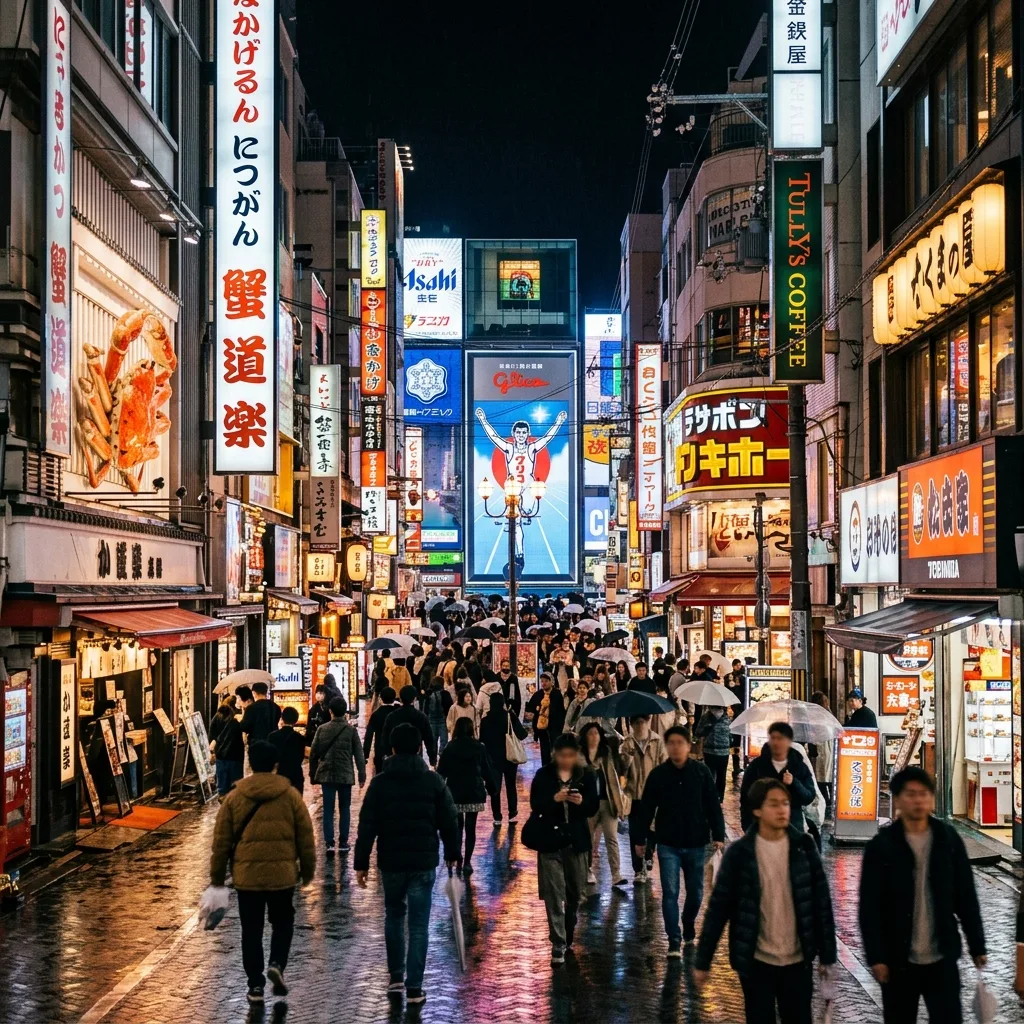
Planning a trip to Osaka and wondering where to unleash your inner shopaholic or culinary explorer? You've landed in the right place. Osaka's vibrant cityscape boasts two iconic districts that consistently draw travelers: Namba and Shinsaibashi. While both are renowned for their electrifying atmosphere, endless retail options, and delectable street food, they each possess a distinct personality. This guide cuts through the confusion, offering a comprehensive comparison to help you decide which district best suits your travel style, whether you're seeking high-fashion boutiques, quirky souvenirs, bustling nightlife, or serene cultural experiences.
Introduction
Osaka, often dubbed "Japan's Kitchen," is a city that thrives on energy, flavor, and an undeniable passion for commerce. For first-time visitors, navigating its expansive urban landscape can be both exhilarating and a little overwhelming. Namba and Shinsaibashi stand out as prime examples of Osaka's dynamic spirit, serving as major hubs for shopping, dining, and entertainment. Understanding their individual characteristics is key to unlocking the best of what Osaka has to offer. This article will meticulously compare Namba and Shinsaibashi across various categories, from their shopping vibes and culinary delights to nightlife and cultural attractions, ensuring you make the most informed decision for your Osaka adventure.
Osaka's Namba and Shinsaibashi districts offer distinct experiences for travelers. Namba is often characterized by its entertainment focus, with iconic Dotonbori at its heart, while Shinsaibashi is a fashion-forward haven anchored by the covered shopping arcade, providing a diverse range of retail and dining options for every visitor.
| Feature / Vibe | Namba | Shinsaibashi |
|---|---|---|
| Primary Vibe | Boisterous entertainment, street food, nightlife | Polished fashion, covered shopping arcade, youth trends |
| Key Landmarks | Dotonbori Canal, Glico Sign, Namba Parks, Yasaka Shrine | Shinsaibashi-suji Arcade, Amerikamura (American Village), Daimaru |
| Best For Shopping | Anime/electronics (Den Den Town), kitchenware (Doguyasuji) | Fast fashion, luxury department stores, vintage/streetwear |
| Best For Dining | Kuromon Market sashimi, takoyaki, standing bars (Ura-Namba) | Trendy cafes, department store gourmet food halls (depachika) |
| Transit Connectivity | Direct airport train (Nankai Rapi:t to KIX), Kintetsu, Hanshin | Midosuji Subway Line (quick 1-stop access from Namba) |
Namba: The Entertainment and Culinary Heart
Namba is a sprawling district that truly embodies Osaka's "kuidaore" (eat 'til you drop) philosophy. It's a sensory overload in the best possible way, dominated by the dazzling lights and iconic giant signboards of Dotonbori. Here, the focus is heavily on food, entertainment, and a lively, boisterous atmosphere.
Shopping in Namba: While Dotonbori itself is more about street food and entertainment, the wider Namba area offers substantial shopping.
- Namba Parks: A stunning architectural marvel featuring a multi-level shopping mall with a rooftop garden. It offers a more upscale shopping experience, blending fashion, lifestyle, and dining in a visually appealing environment.
- Namba City: Connected to Namba Parks, this mall focuses on fashion, cosmetics, and various eateries, catering to a younger crowd.
- Doguyasuji Arcade: A hidden gem for food enthusiasts, this "Kitchenware Street" sells everything from professional chef knives to plastic food samples, perfect for unique souvenirs or outfitting your own kitchen.
- Den Den Town (Nipponbashi): Osaka's equivalent of Tokyo's Akihabara, this area is a paradise for electronics, anime, manga, and gaming enthusiasts. It's a bustling hub filled with multi-story stores and smaller, independent shops.
Dining and Nightlife in Namba: Namba truly embodies Osaka's "kuidaore" (eat 'til you drop) philosophy, with Dotonbori standing as its dazzling culinary centerpiece.
- Kuromon Market (Osaka's Kitchen): Just a short walk from Dotonbori, this bustling market is a must-visit for food enthusiasts. Known as "Osaka's Kitchen," you can indulge in incredibly fresh sashimi, grilled scallops, succulent wagyu skewers, and a vast array of local produce and street snacks. It's an immersive experience for both your taste buds and cultural curiosity.
- Dotonbori Street Food & Restaurants: The canal-side promenade of Dotonbori is an unparalleled sensory experience. Here, you can sample iconic Osaka dishes like takoyaki (octopus balls), okonomiyaki (savory pancakes), and kushikatsu (deep-fried skewers) from countless vibrant vendors. Beyond street food, Dotonbori offers an endless selection of restaurants, from casual ramen shops and conveyor-belt sushi to upscale izakayas and themed dining, catering to every palate and budget.
- Hozenji Yokocho: Tucked away just off the main Dotonbori bustle, this charming, narrow stone-paved alley offers a nostalgic glimpse into old Osaka. Lined with traditional izakayas (Japanese pubs) and high-end kappo (traditional Japanese cuisine) restaurants, it provides a more subdued and atmospheric dining experience.
- Namba's Dynamic Nightlife: Namba's nightlife scene is as energetic and diverse as its food. While Dotonbori buzzes with lively bars and pubs, the "hidden" Ura-Namba area behind the main station is a treasure trove of tiny standing bars (tachinomiya) and budget-friendly izakayas. This is where locals go to unwind, offering a more authentic and intimate drinking experience, perfect for mingling and experiencing local Osaka culture after dark.
Cultural and Entertainment Attractions:
- Dotonbori Canal: Enjoy a leisurely boat cruise along the Dotonbori Canal, offering a unique perspective of the illuminated billboards and bustling street life. Alternatively, simply soak in the vibrant atmosphere from the numerous bridges spanning the canal.
- Hozenji Yokocho & Hozenji Temple: This charming, narrow stone-paved alleyway, just off Dotonbori, offers a tranquil escape into old Osaka. Explore its traditional restaurants and bars, and visit Hozenji Temple, famous for its moss-covered Fudo Myoo statue. Visitors pour water over the statue, believing it brings good luck.
- Namba Yasaka Shrine: A truly unique and visually striking attraction, this shrine is famous for its massive 12-meter-tall lion head stage. Visitors often enter through the lion's mouth, which is believed to swallow evil spirits and bring good fortune. Its impressive architecture makes it a popular photo spot.
- Namba Grand Kagetsu: As the headquarters of Yoshimoto Kogyo, Japan's largest entertainment conglomerate, Namba Grand Kagetsu is the premier venue for Japanese stand-up comedy. Even if you don't understand Japanese, experiencing the slapstick Shin-kigeki (New Comedy) is a cultural staple and a hilarious experience.
- Namba Square: The newly pedestrianized 2,400sqm space in front of Namba Station is a modern hub for urban events. It now frequently hosts outdoor festivals, pop-up markets, and various performances, adding another layer of entertainment to the district.
Shinsaibashi: Fashion, Boutiques, and Department Stores
Just a short walk north of Namba, Shinsaibashi presents a slightly different, yet equally captivating, facet of Osaka. While it still offers abundant dining and entertainment, its primary identity revolves around fashion, flagship stores, and a more polished shopping experience, especially within its famous covered arcade.
Shopping in Shinsaibashi: The centerpiece is the Shinsaibashi-suji Shopping Street, a long, covered arcade stretching over 600 meters, packed with a dazzling variety of stores.
- Shinsaibashi-suji Shopping Street: Home to international fashion brands, local boutiques, cosmetics stores, souvenir shops, and cafes. It's a shopper's paradise regardless of weather.
- Daimaru Department Store: A multi-story luxury department store offering high-end fashion, cosmetics, gourmet food halls, and household goods.
- America-mura (Amerikamura): Often dubbed the "Harajuku of Osaka," this vibrant area just west of Shinsaibashi-suji is the epicenter of Osaka's youth culture and fashion. It's brimming with vintage clothing stores, quirky boutiques, streetwear brands, record stores, and an abundance of cafes and street art, exuding a distinct bohemian and trendsetting vibe.
- 2026 Highlight - QUARTZ SHINSAIBASHI: Set to open in April 2026 at the Midosuji intersection, QUARTZ SHINSAIBASHI is poised to become a new "Beyond Luxury" complex. This high-end destination will feature exclusive boutiques, wellness facilities, and upscale dining experiences, offering a fresh dimension to Shinsaibashi's luxury retail landscape.
- Orange Street: A more sophisticated, curated shopping street within America-mura, known for its interior design shops, furniture stores, select fashion boutiques, and stylish cafes.
Dining and Nightlife in Shinsaibashi: Shinsaibashi boasts a more refined and international dining scene compared to Namba's street-food-centric offerings, alongside a vibrant and often more upscale nightlife.
- Trendy Cafes, Upscale Restaurants, and International Cuisine: Here, you'll discover a higher concentration of chic cafes, themed restaurants, and diverse international cuisine. Areas like Horie and Minamisenba, just west of Shinsaibashi-suji, are particularly known for their stylish cafes and artisanal bakeries, popular with locals seeking a more relaxed ambiance.
- Shinsaibashi's Chic Nightlife: While not as overtly boisterous as Dotonbori, Shinsaibashi's nightlife is vibrant, particularly in its numerous side streets. You'll find an abundance of stylish izakayas, sophisticated cocktail bars, and clubs catering to a chicer, often more international, crowd. Shinsaibashi is often the go-to district for larger-scale nightclubs, with establishments like GALA RESORT featuring international DJs and English-speaking staff, offering a more tourist-friendly and upscale clubbing experience.
Cultural and Entertainment Attractions:
- Midosuji Street: Known as Osaka's "Champs-Élysées," this tree-lined boulevard is home to luxury brand flagship stores and impressive architectural designs. It's a grand avenue perfect for a stroll and appreciating high-end urban aesthetics.
- Tombori River Cruise: Offering a fantastic way to see the iconic neon signs and bustling atmosphere of Dotonbori from a unique perspective, these 20-minute boat rides are a popular evening activity.
- Dotonbori Ferris Wheel (Ebisu Tower): An elliptical Ferris wheel uniquely built into the Don Quijote discount store building, offering panoramic views of the Dotonbori area and beyond. It's a fun and quirky landmark that provides great photo opportunities.
- Kamigata Ukiyo-e Museum: This museum holds the distinction of being the only one in the world with a permanent exhibition dedicated to Kamigata-style woodblock prints, which depict kabuki actors and scenes from Osaka's Edo period entertainment world. It offers a fascinating cultural dive into Osaka's artistic heritage.
- Mitsuhachimangu Shrine: A smaller, tranquil shrine providing a peaceful respite from the energetic shopping streets. Its serene atmosphere is perfect for a moment of quiet reflection.
- Triangle Park (Sankaku Koen) in America-mura: This small, triangular park is a popular gathering spot for young people in America-mura, often hosting small events, street performances, and serving as a central point to soak in the area's vibrant youth culture.
2026 Travel Tips & Highlights for Namba & Shinsaibashi
Keeping up with the latest travel trends and urban developments is key to maximizing your Osaka experience in 2026. Here are some tailored tips:
- Base Yourself in Namba for Optimal Transit: If your itinerary includes frequent day trips to nearby cities like Nara, Kyoto, or if you need convenient access to Kansai International Airport (KIX), basing yourself in Namba is often the superior choice. Namba Station is a major transit hub, offering direct and efficient connections. Look out for newer hotels that opened in 2026, such as Centara Life Namba and establishments Anchored by RIHGA, which provide modern comforts and excellent proximity to transport links.
- Experience the "Minami" Walk: A highly recommended way to explore the heart of Osaka's Minami district is to embark on a strategic walk. Start your afternoon (around 3:00 PM) at Shinsaibashi Station, making your way south through the bustling Shinsaibashi-suji arcade. As evening approaches, you'll find yourself in Dotonbori, perfectly timed for sunset photos as the neon lights begin to glow. Conclude your evening by heading to the more local and authentic Ura-Namba for dinner and drinks, experiencing Osaka's vibrant nightlife firsthand.
- Smartly Avoid Crowds: Shinsaibashi-suji, while iconic, can become exceptionally crowded, almost impassable, especially on weekend afternoons. To bypass the surface crowds and enjoy a more relaxed journey between Shinsaibashi and Yotsubashi, utilize the Crysta Nagahori underground mall. This subterranean network offers a convenient and climate-controlled alternative for moving around.
- Embrace the Expo 2025 Legacy: Following the World Expo 2025 in Osaka, both Namba and Shinsaibashi have significantly upgraded their infrastructure and visitor services. Expect to encounter more advanced multilingual AI kiosks in shops and public areas, offering seamless assistance. Additionally, the prevalence of touchless payment systems has increased, making transactions smoother and more hygienic for international visitors. These advancements make navigating and shopping in the area more accessible and enjoyable than ever.
Practical Guide
How to Get There
Both Namba and Shinsaibashi are incredibly well-connected by Osaka's extensive public transportation network.
To Namba:
- Train: Namba Station is a major hub served by multiple lines, including JR Yamatoji Line, Nankai Main Line, Nankai Koya Line, Osaka Metro Midosuji Line, Yotsubashi Line, and Sennichimae Line. If arriving from Kansai International Airport (KIX), the Nankai Rapid Express is the most convenient option, taking about 35-40 minutes directly to Namba Station.
- Bus: Various local and long-distance bus services also terminate at or near Namba.
To Shinsaibashi:
- Train: Shinsaibashi Station is primarily served by the Osaka Metro Midosuji Line and Nagahori Tsurumi-ryokuchi Line. It's just one stop north of Namba on the Midosuji Line, making inter-district travel quick and easy.
- Walk: From Dotonbori in Namba, Shinsaibashi-suji Shopping Street is an easy 10-15 minute walk north, connecting the two districts seamlessly.
Hours / Admission / Prices
- Shopping Arcades (Shinsaibashi-suji, Doguyasuji): Generally open from 10:00 AM to 9:00 PM, though individual shop hours may vary. Most are free to enter.
- Department Stores (Daimaru, Namba Parks/City): Typically open from 10:00 AM to 8:00 PM or 9:00 PM.
- Restaurants and Bars: Many restaurants in Dotonbori and Shinsaibashi open for lunch around 11:00 AM and close late, often past midnight. Bars can stay open much later.
- Attractions (Hozenji Yokocho, Namba Yasaka Shrine): Temples and shrines are usually open early morning until late afternoon/early evening and are generally free to enter, though some may have donation boxes.
- No specific admission prices for the districts themselves. Costs are for individual shops, restaurants, and attractions. Prices for food and shopping are varied, catering to all budgets.
Booking Links
- For activities and tours: Platforms like Klook and MyRealTrip offer various Osaka experiences, including Dotonbori cruises or food tours.
- Official websites: For specific attractions or larger shopping complexes, check their official websites for the most up-to-date information on hours and any booking requirements.
Tips & Common Mistakes
- Don't try to "do both" exhaustively in one day: While geographically close, both Namba and Shinsaibashi are massive. Pick your priorities for each. If you want to dive deep into electronics and anime, dedicate a few hours to Den Den Town in Namba. If fashion is your quest, spend ample time exploring Shinsaibashi-suji and America-mura.
- Embrace the chaos of Dotonbori, but seek out tranquil alleys: Dotonbori is famous for its vibrant, sometimes overwhelming, energy. Don't miss it, but also take a moment to duck into quieter spots like Hozenji Yokocho for a contrasting experience.
- Pack Smart: The Ultimate South Korea Packing List (2026 Edition): Don't Forget the Essentials is a great resource, and remember that comfortable shoes are a must as you will be doing a lot of walking! Don't forget to also consider 7 Essential Apps for Traveling in South Korea (2025 Edition) to enhance your travel experience and navigate with ease.
- Respect Local Customs: While Japan has its own unique customs, familiarizing yourself with general Asian etiquette, such as Cultural Etiquette in South Korea: 7 Rules to Avoid Awkward Moments, can provide a good foundation for respectful travel.
- Cash is still king in some smaller shops/street food stalls: While credit cards are widely accepted in department stores and larger establishments, having some Japanese Yen on hand is always a good idea, especially for street food vendors.
- Don't forget the tax-free shopping: Many stores in both districts offer tax refunds for tourists on purchases over a certain amount. Look for "Tax-Free" signs.
FAQ
Q: Which district is better for first-time visitors to Osaka? A: For an iconic "Osaka" experience with abundant street food and lively entertainment, Namba (especially Dotonbori) is often recommended for first-timers. However, Shinsaibashi offers a more comprehensive shopping experience. Many visitors combine both as they are easily accessible.
Q: Where can I find the best street food? A: Dotonbori in Namba is unequivocally the best place for sampling Osaka's famous street food like takoyaki and okonomiyaki.
Q: Is there a significant difference in prices between Namba and Shinsaibashi? A: Generally, prices for standard goods and food are comparable. Shinsaibashi might have a slightly higher concentration of upscale boutiques and international brands, which naturally come with higher price tags, while Namba offers a broader range of budget-friendly street food and electronics.
Q: How do I travel between Namba and Shinsaibashi? A: The easiest way is a short walk (10-15 minutes) or a quick one-stop ride on the Osaka Metro Midosuji Line.
Q: Which district is better for families with young children? A: Both districts offer attractions, but Namba's Dotonbori might be a bit too crowded and boisterous for very young children in the evenings. Namba Parks offers a more family-friendly shopping and dining environment. Shinsaibashi, with its covered arcade, can be easier to navigate with strollers.
Conclusion
Both Namba and Shinsaibashi are indispensable components of the Osaka experience, each offering a unique flavor of this dynamic city. Namba pulsates with an electric energy, beckoning food lovers and entertainment seekers to its vibrant Dotonbori and the tech haven of Den Den Town. Shinsaibashi, on the other hand, provides a more curated and fashion-forward journey through its iconic covered arcade and the trendy streets of America-mura.
Ultimately, the "better" district depends on your travel priorities. For a quintessential taste of Osaka's culinary scene and exhilarating nightlife, immerse yourself in Namba. If your heart yearns for the latest fashion trends, unique boutiques, and a slightly more relaxed pace of shopping, Shinsaibashi will captivate you. The good news is that their close proximity makes it incredibly easy to explore both, allowing you to craft a perfectly balanced Osaka itinerary that captures the best of both worlds. So, pack your comfortable shoes, prepare your appetite, and get ready to discover the irresistible charm of Namba and Shinsaibashi!