Best Ryokan in Kyoto: Luxury and Mid-Range Options With Tatami Rooms

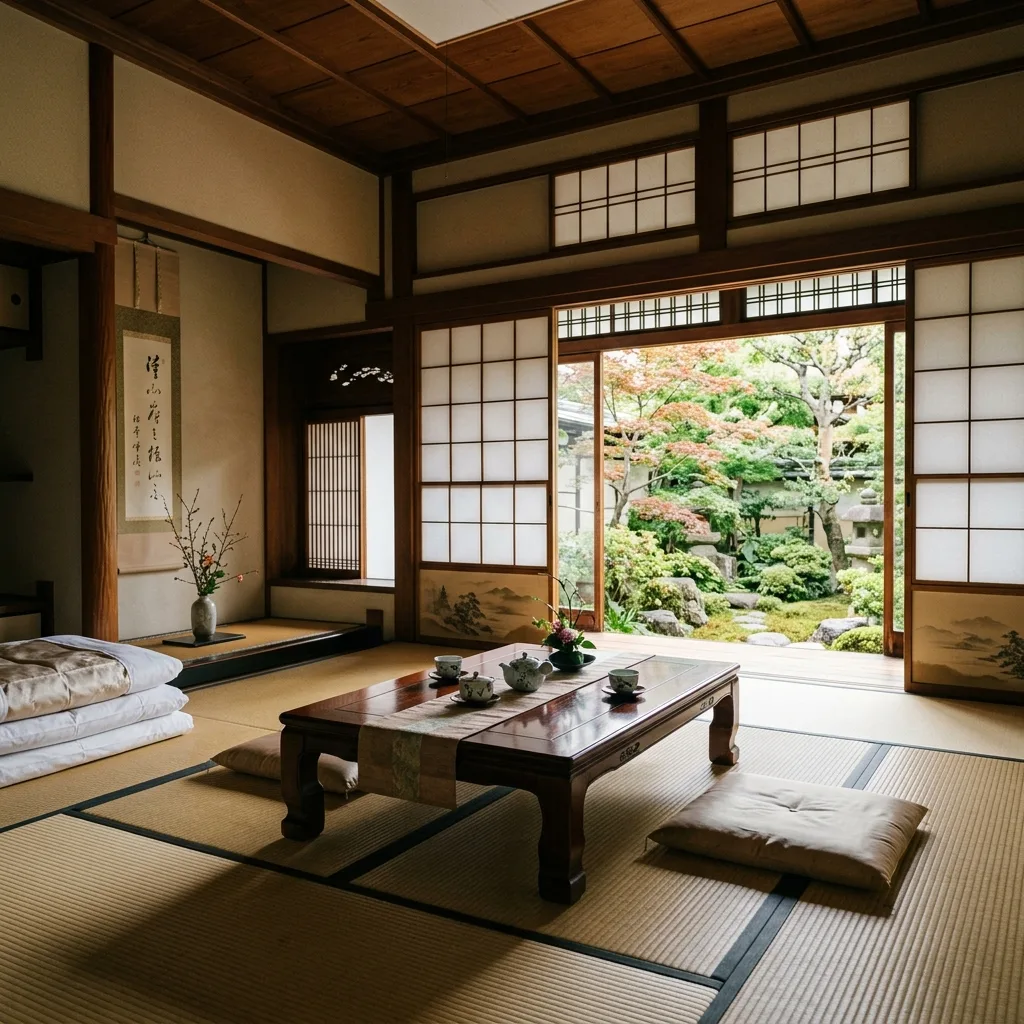
Kyoto, the ancient capital of Japan, is a city where time-honored traditions blend seamlessly with modern life. For visitors seeking an immersive cultural experience, staying in a ryokan—a traditional Japanese inn—is an absolute must. More than just a place to sleep, ryokans offer a unique glimpse into Japan's rich heritage, featuring exquisite kaiseki dining, tranquil onsen (hot springs) or private baths, and serene tatami rooms that invite deep relaxation. This guide will navigate you through the finest luxury and mid-range ryokan options in Kyoto, ensuring your stay is not just comfortable, but an unforgettable journey into the heart of Japanese hospitality.
Introduction
The allure of Kyoto lies in its ability to transport you to a bygone era, and there's no better way to embrace this than by choosing a stay in a traditional ryokan. These establishments are renowned for their impeccable service, beautiful Japanese gardens, and the calming simplicity of their tatami-matted rooms. Whether you're planning a romantic getaway, a solo adventure, or a family vacation, finding the perfect ryokan can elevate your entire trip. This article delves into a curated selection of Kyoto's top ryokan, balancing opulent luxury with accessible mid-range choices, all while providing crucial information to help you plan your 2026 visit with confidence.
Hook angle: Experiencing Authentic Japan Beyond the Temples
Many travelers flock to Kyoto for its iconic temples and shrines, but the true essence of Japanese culture often lies within its more intimate traditions. For those also considering other immersive cultural journeys, exploring destinations like The Ultimate 10-Day South Korea Itinerary for First-Timers can offer a fascinating contrast. Staying at a ryokan offers an unparalleled opportunity to immerse yourself in daily Japanese life, from the ceremonial serving of tea to the serene quietude of a private garden. It's an escape from the ordinary, a chance to slow down and appreciate the meticulous attention to detail that defines Japanese hospitality. This guide helps you unlock that authentic experience.
Preview of what the reader will learn
By the end of this guide, you will have a comprehensive understanding of what makes a ryokan stay special, including the distinctions between luxury and mid-range options. You'll discover highly-rated ryokan in both categories, complete with insights into their unique offerings. Crucially, you'll be equipped with up-to-date information on booking, pricing, and important travel considerations for 2026, such as Kyoto's lodging tax increase and peak season booking strategies, ensuring a smooth and delightful experience.
Unveiling Kyoto's Luxury Ryokan: Indulgence and Tradition
For those seeking an unparalleled experience, Kyoto's luxury ryokan offer a blend of historical grandeur, modern comforts, and personalized service that is truly exceptional. These establishments often boast centuries of history, exquisite architecture, and meticulously maintained private gardens, providing an oasis of tranquility amidst the bustling city. For those who enjoy exploring urban landscapes, consider expanding your itinerary to include other vibrant destinations like Beyond Seoul: The Top 10 Must-Visit Cities in South Korea. Guests can expect lavish multi-course kaiseki dinners served in their rooms, access to exclusive onsen facilities, and unparalleled attention to every detail of their stay. While these options come with a higher price tag, the investment promises an unforgettable journey into the pinnacle of Japanese hospitality.
Tawaraya: A Living Legend of Japanese Hospitality
Often cited as one of Japan's most revered ryokan, Tawaraya has welcomed guests for over 300 years. Located discreetly near Kyoto's city center, its unassuming entrance belies an interior world of profound peace and elegance. Each of its 18 rooms is a masterpiece of traditional Japanese design, featuring refined tatami matting, sliding shoji screens, and often a private garden view. The service here is legendary, anticipating every need with discreet grace. Dining is an art form, with seasonal kaiseki meals prepared with the freshest local ingredients. Staying at Tawaraya is not just a lodging experience; it's an immersion into a cherished cultural legacy. The price for such an experience typically starts from around $800-1000+ USD per night, often including two meals.
Hiiragiya: Tawaraya's Esteemed Neighbor
Just steps away from Tawaraya, Hiiragiya offers a similarly distinguished experience, often considered its friendly rival. Founded in 1818, Hiiragiya maintains a delicate balance between tradition and subtle modernization. The ryokan features beautifully crafted rooms, some with their own private baths, and a serene inner garden. Guests frequently praise its warm, familial atmosphere and the exquisite seasonal kaiseki cuisine. Like Tawaraya, Hiiragiya represents the pinnacle of luxury ryokan stays, with prices comparable to its esteemed neighbor, providing an opulent and deeply satisfying cultural encounter.
Hoshinoya Kyoto: Riverside Seclusion and Contemporary Elegance
For a luxury experience that blends traditional elements with a contemporary aesthetic, Hoshinoya Kyoto stands out. Uniquely accessible by a private boat ride on the Hozugawa River, this ryokan is nestled in a tranquil valley just outside the main city, offering breathtaking natural views. The rooms are spacious and modern, yet they retain traditional Japanese design elements, including tatami floors and cypress wood baths. Hoshinoya focuses on a holistic luxury experience, with activities such as morning yoga, tea ceremonies, and curated cultural excursions. The exquisite dining and unparalleled serene setting make it a perfect escape for those seeking peace and refined beauty, with prices typically in the higher luxury range.
Discovering Mid-Range Ryokan: Authentic Charm Without the Opulence
For travelers seeking an authentic ryokan experience without the premium price tag of the ultra-luxury options, Kyoto offers a wealth of exceptional mid-range choices. These establishments provide a wonderful balance of traditional Japanese hospitality, comfortable tatami rooms, and often delicious multi-course meals, all at a more accessible price point. While they might not feature the centuries-old history or extensive private gardens of their luxury counterparts, mid-range ryokan consistently deliver a memorable and culturally enriching stay, allowing guests to savor the unique charm of Kyoto.
Nishiyama Ryokan: A Welcoming Haven for International Guests
Nishiyama Ryokan is a popular choice for international visitors, known for its friendly atmosphere and accommodating staff. Located conveniently near several major attractions, it offers traditional Japanese-style rooms with tatami flooring, futon bedding, and private bathrooms. Many guests appreciate the option of having both Japanese and Western breakfast, and the multi-course dinner is a delightful introduction to kaiseki cuisine. Nishiyama strikes an excellent balance between authentic Japanese aesthetics and the practical needs of foreign travelers, with prices typically ranging from $200-$350 USD per night, depending on the season and meal plan.
Ryokan Izuyasu: Historical Charm in a Central Location
Nestled in a quiet side street not far from Kyoto Station, Ryokan Izuyasu boasts a history spanning over a century. This family-run ryokan exudes traditional charm, with beautifully maintained wooden architecture and serene interiors. The tatami rooms are comfortable and immaculately clean, often featuring intricate details that reflect the inn's long heritage. Guests consistently praise the warm hospitality of the owners and the meticulously prepared kaiseki dinners. Izuyasu offers a deeply authentic experience with the convenience of a central location, typically priced in the $250-$400 USD per night range, making it an excellent mid-range option.
Gion Yoshiima: Experiencing Traditional Kyoto in the Geisha District
For those dreaming of staying in Kyoto's iconic Gion district, Gion Yoshiima offers a captivating mid-range ryokan experience. This charming inn provides guests with the opportunity to immerse themselves in the historic geisha quarter, with its traditional wooden machiya houses and atmospheric narrow alleys. The ryokan features traditional tatami rooms, some with lovely garden views, and offers the option of enjoying kaiseki meals. Its prime location allows for easy exploration of nearby temples, theaters, and tea houses, making it an ideal choice for culturally curious travelers. Prices typically fall within the $300-$450 USD per night range, reflecting its desirable location and authentic ambiance.
Practical Guide for Booking Your Kyoto Ryokan in 2026
Booking a ryokan in Kyoto, especially for a specific time of year, requires careful planning and attention to detail. The experience can vary significantly based on your chosen price point, the inclusions (like meals), and the time of your visit. Here's a practical guide to ensure a smooth booking process and a delightful stay.
Understanding Ryokan Pricing and Inclusions
Ryokan prices can be complex. Unlike Western hotels, rates are often quoted per person rather than per room, and frequently include meals (half-board, typically dinner and breakfast).
- Budget (approx. $60-$150 USD per person per night): Expect simpler tatami rooms, shared bathroom facilities, and meals that might be extra or more basic.
- Mid-Range (approx. $200-$450 USD per person per night): These often include private en-suite bathrooms, traditional decor, and a multi-course kaiseki dinner and breakfast. This category offers excellent value for a comprehensive ryokan experience.
- Luxury (approx. $500-$1200+ USD per person per night): These are historic properties with impeccable service, private gardens, opulent kaiseki dining, and often private onsen or exquisite bathing facilities.
Always confirm what is included in the price when booking. The kaiseki dinner alone can be a significant cost if purchased separately, making half-board plans often the most economical and authentic choice.
Best Booking Platforms for 2026
While many ryokan have their own official websites, using reputable booking platforms can simplify your search and provide competitive rates.
- Rakuten Travel: As Japan's leading online travel agency, Rakuten Travel often has the most extensive inventory, especially for smaller, traditional inns that might not be listed on international sites. It's an excellent first stop for comprehensive options.
- Agoda: Known for its strong presence in Asia, Agoda frequently offers competitive prices for ryokan and has useful filters to narrow down your search.
- Booking.com: A global leader, Booking.com provides a vast array of choices, detailed user reviews, and flexible cancellation policies, which can be crucial for international travelers.
- Japanican: This platform specializes in Japanese travel and is particularly useful for booking ryokan packages that include specific meal plans, which are a highlight of the ryokan stay.
Crucial 2026 Travel Tips: What You Need to Know
Kyoto's Lodging Tax Increase: Starting in March 2026, Kyoto is implementing an increased lodging tax. This will typically range from ¥200 to ¥1,000 per person, per night, and is usually collected in cash at check-in. Factor this into your budget.
Peak Season Surges: Kyoto experiences significant tourist surges during the cherry blossom season (late March to early April) and the autumn foliage season (November). During these periods, ryokan prices can easily double or triple, and availability becomes extremely limited. It is highly recommended to book 6–10 months in advance if you plan to travel during these popular times.
Transportation to Ryokan: Most ryokan, especially those in central Kyoto, are easily accessible by The Ultimate Guide to Public Transportation in Korea (2025 Edition) (bus or subway). For those like Hoshinoya Kyoto, which are more secluded, specific instructions for access (e.g., private boat transfers) will be provided by the ryokan upon booking. Always check the ryokan's website or your booking confirmation for the most accurate access information.
Tips & Common Mistakes When Staying at a Ryokan
A ryokan stay is a unique cultural experience, and understanding some key etiquette and avoiding common pitfalls can significantly enhance your enjoyment. Here are some insider tips and common mistakes to avoid.
What Most Guides Miss: The Quiet Art of Ryokan Living
Many guides focus on the grand features of a ryokan, but the true beauty often lies in the subtle details and the art of quiet living.
- Embrace the Silence: Ryokan are places of tranquility. Keep voices low, especially in communal areas or after dinner. It's an opportunity for quiet reflection.
- Unplug and Unwind: While Wi-Fi is usually available, try to disconnect from digital distractions. Engage with the serene environment, whether it's gazing at a garden or enjoying a quiet cup of tea.
- The Art of the Yukata: You'll be provided with a yukata (a casual cotton kimono). Wear it! It's not just for sleeping; it's perfectly acceptable for dining within the ryokan, strolling the grounds, and visiting the onsen. Remember to tie it left over right.
- Enjoy Your Room Attendant: Many traditional ryokan assign a dedicated nakai-san (room attendant) who will serve your meals, prepare your futon, and assist with any needs. This personalized service is a hallmark of ryokan hospitality. Don't be shy about asking questions (politely), but also respect their presence and tasks.
Insider Advice for a Flawless Stay
- Arrive Early, Relax Fully: Most ryokan have a check-in time around 3 or 4 PM. Arriving on time allows you to fully enjoy the facilities, perhaps have an early bath, and relax before dinner.
- Communicate Dietary Needs in Advance: If you have any dietary restrictions or allergies, inform the ryokan well in advance (at least a week, preferably during booking). Kaiseki meals are elaborate and prepared fresh, so last-minute changes are often impossible.
- Cash for Incidentals and Tax: While major credit cards are accepted for the main booking, it's wise to carry some Japanese Yen for smaller purchases, souvenirs, or, as noted, for the Kyoto lodging tax that begins in March 2026.
- Pack Light and Smart: You'll spend most of your time in a yukata. Comfortable, easy-to-remove clothing is ideal for travel to and from the onsen or dining areas. Remember to remove shoes at the entrance and before entering your tatami room.
Common Mistakes to Avoid
- Not Researching Meal Inclusions: A common mistake is assuming meals are included or not understanding the kaiseki concept. Always clarify whether dinner and breakfast are part of your booking. Missing a ryokan dinner is missing a significant part of the experience.
- Ignoring Onsen Etiquette: If your ryokan has an onsen (hot spring bath), familiarize yourself with the rules. Always wash thoroughly before entering the bath, and never wear swimwear. For those with tattoos, some ryokan might ask you to use private baths or cover them, though this is becoming less strict.
- Being Too Loud: Ryokan are havens of peace. Loud conversations or boisterous behavior can disturb other guests and is considered disrespectful.
- Not Utilizing Your Futon: Your nakai-san will likely prepare your futon in the evening. It's an incredibly comfortable sleeping experience on the tatami mats. Don't feel you need to 'help' by making it yourself.
- Over-scheduling: A ryokan stay is about relaxation. Don't pack your day with too many outside activities. Allow ample time to simply enjoy the ryokan's facilities, the quiet, and the meals.
Frequently Asked Questions About Kyoto Ryokan
What is the main difference between a ryokan and a hotel?
The primary difference lies in the experience. A hotel provides lodging, whereas a ryokan offers a complete cultural immersion. Ryokan feature traditional Japanese-style rooms (tatami mats, futon beds), communal or private onsen baths, and multi-course kaiseki meals served in your room or a private dining area. Service is highly personalized, often with a dedicated attendant.
Do I have to sleep on a futon at a ryokan?
Yes, traditional ryokan universally feature futons laid out on tatami mats. This is an integral part of the authentic experience. The futons are surprisingly comfortable and are typically prepared for you by your room attendant in the evening.
Are ryokan suitable for families with children?
Many ryokan are family-friendly, especially those in the mid-range category. Some luxury ryokan might have age restrictions due to their serene atmosphere. Always check the ryokan's policy when booking. Children often enjoy the yukata and the unique experience of sleeping on a futon.
Is it difficult to communicate if I don't speak Japanese?
Most ryokan, especially those catering to international guests, will have staff who speak English or at least enough to facilitate your stay. Key information and instructions are often provided in English. However, learning a few basic Japanese phrases can significantly enhance your interaction and show respect.
What should I wear at a ryokan?
You will typically be provided with a yukata (a casual kimono) and tanzen (an outer jacket) upon arrival. This is your main attire within the ryokan, suitable for dining, relaxing, and using the communal baths. Bring comfortable loungewear for your journey to and from the ryokan, and easy-to-remove shoes.
Conclusion
A stay in a Kyoto ryokan is far more than just accommodation; it is an intimate encounter with the soul of Japan. From the tranquil beauty of tatami rooms to the culinary artistry of kaiseki dinners and the restorative peace of a traditional bath, every element is designed to offer a profoundly enriching experience. Whether you choose the opulent grandeur of a luxury inn like Tawaraya or the charming authenticity of a mid-range gem such as Nishiyama Ryokan, you are guaranteed to create lasting memories. By preparing with the practical tips and booking insights for 2026, you are now well-equipped to select the perfect ryokan and immerse yourself in the unparalleled hospitality that only Kyoto can offer. Embark on this journey, and let the timeless elegance of a Japanese ryokan transform your visit into an unforgettable adventure.